Karimunjawa tide times
Karimunjawa tide forecast — heights relative to MSL.
Today's tide times for Karimunjawa
Tide times at Karimunjawa on Tuesday, 4 August 2026: first low tide at 21:00. Sunrise 05:48, sunset 17:40.
Tide chart for Karimunjawa
24-hour cosine-interpolated curve around the present moment. Heights relative to MSL. Predictions: Predictions: Open-Meteo Marine (MeteoFrance SMOC, 0.08° grid).
Sun, moon and conditions on Tue 04 Aug
Snapshot at build time — refreshes daily. Sea state from Open-Meteo Marine.
Highs and lows next 7 days
Every predicted high and low for the next week, with the daily tidal coefficient (0–120; higher = bigger swing, > 95 means stronger currents).
Other spots nearby
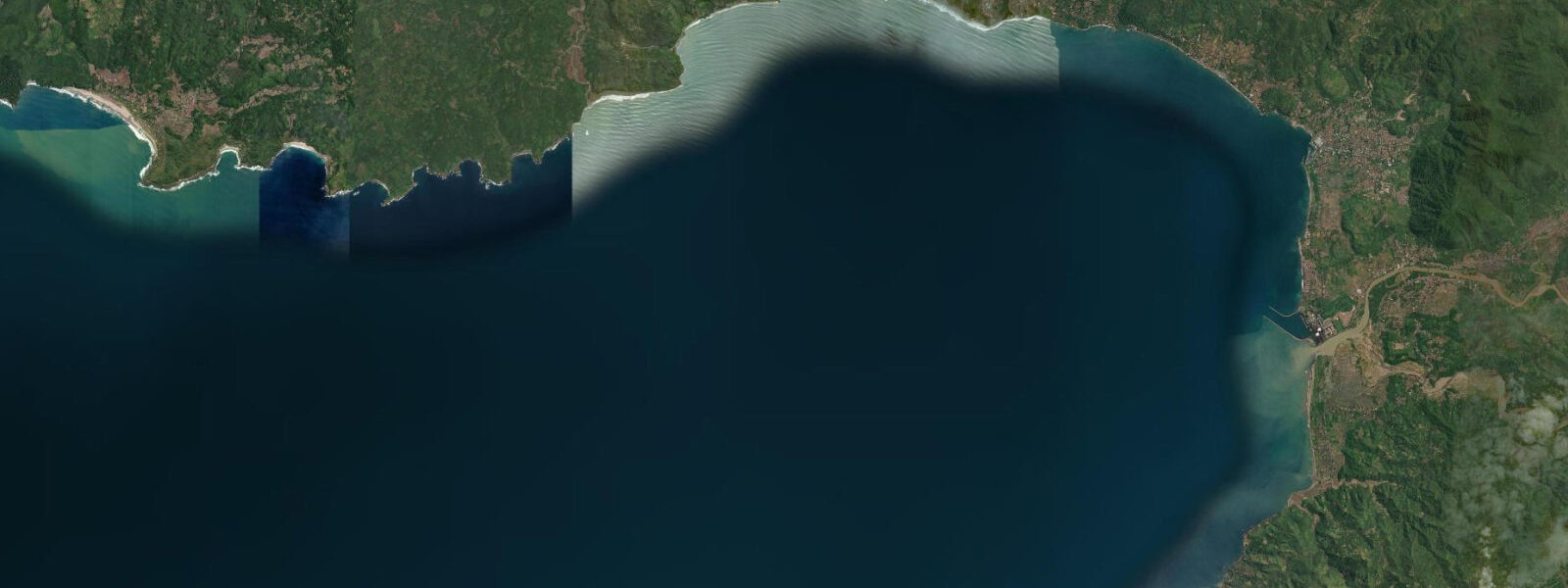
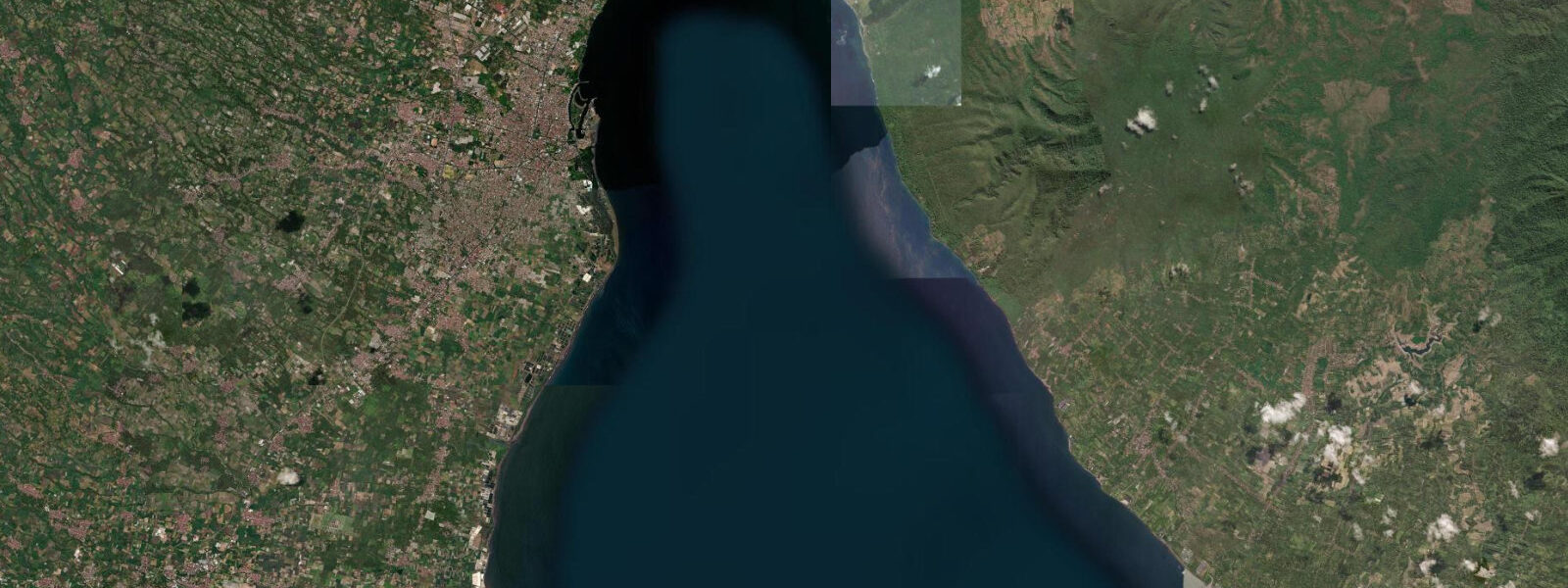
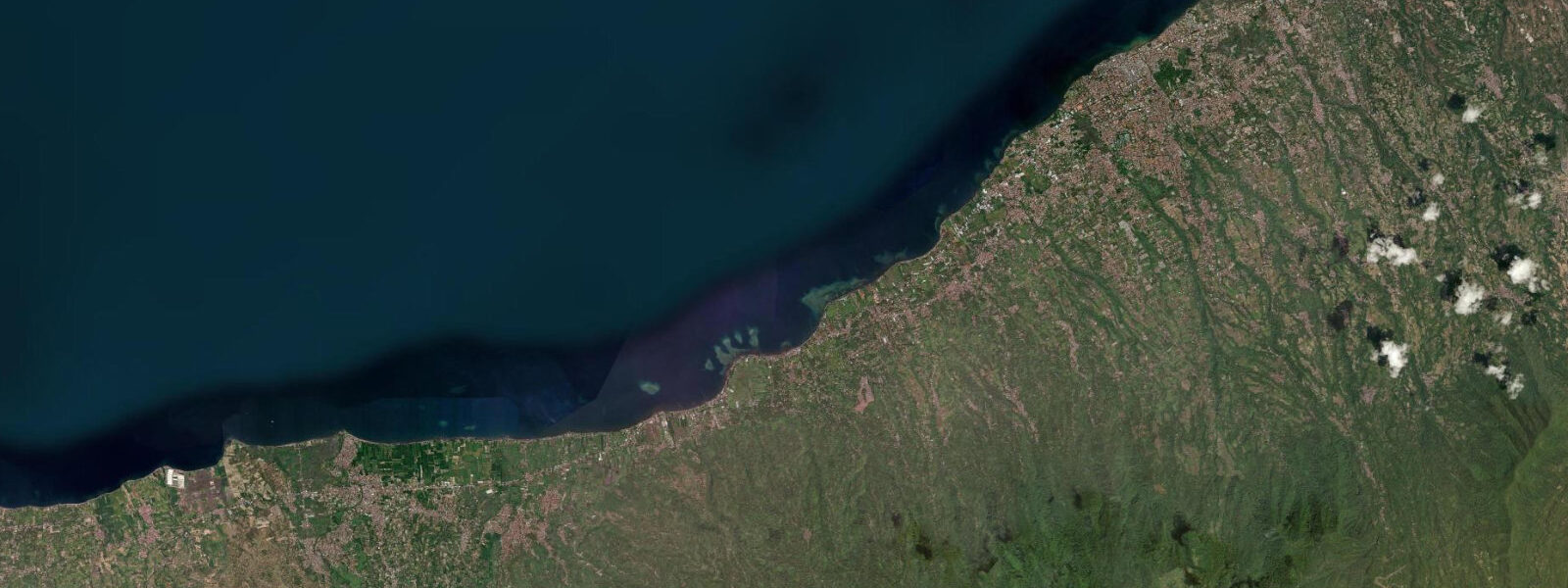
The three closest curated TideTurtle locations to Karimunjawa, measured by great-circle distance.
Today's solunar windows
Solunar tradition: major periods are the ≈3h windows around moon transit and opposition; minor are ≈2h around moonrise and moonset. Pair with the local tide stage and wind for the best read.
About tides at Karimunjawa
A short guide to the coastline at Karimunjawa — geography, sea state, and what the tide is actually doing under your feet.
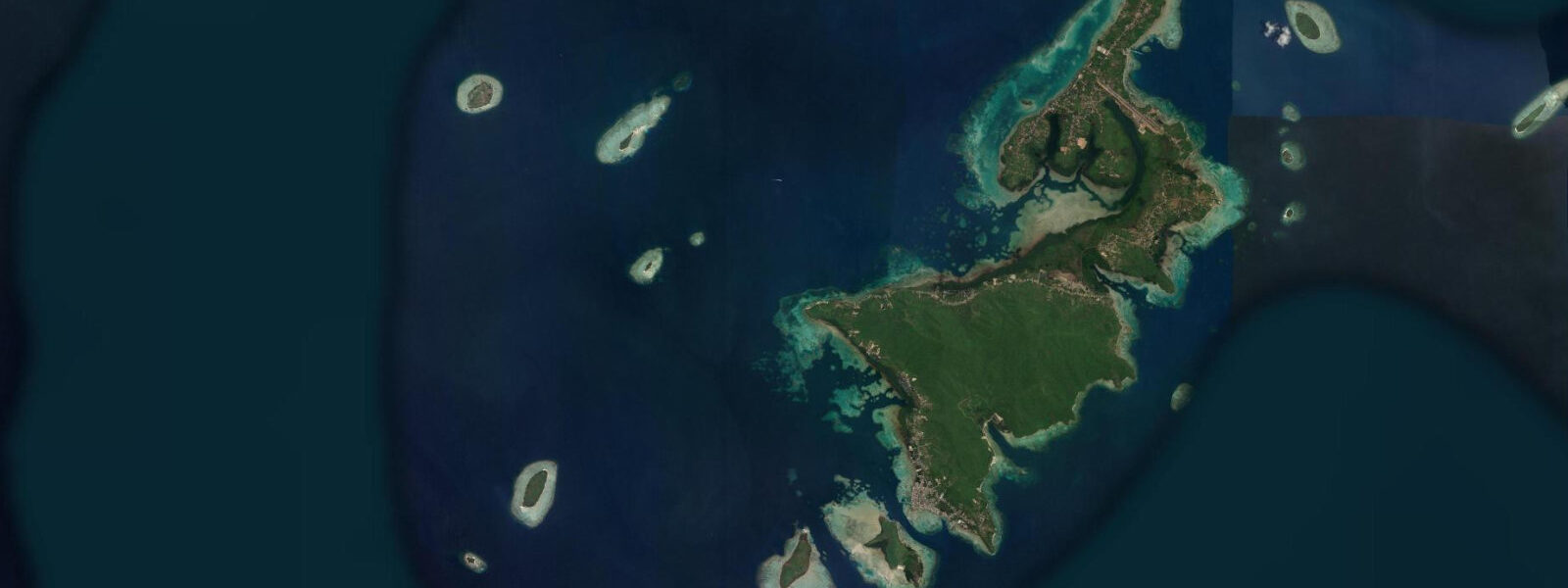
Karimunjawa is an archipelago of 27 islands and islets in the Java Sea, roughly 90 km northwest of Semarang in Central Java. The group was designated a national marine park (Taman Nasional Karimunjawa) in 1999 and covers approximately 111,625 hectares, the majority of which is marine area including coral reefs, seagrass beds, and mangrove systems. The main island, also called Karimunjawa, holds the village, ferry dock, and most accommodation.
Tides in the Java Sea here are strongly diurnal to mixed diurnal — a markedly different character from the Indian Ocean south coast. BMKG data for the Karimunjawa area records a mean tidal range of approximately 0.6 m. The daily inequality is pronounced: on many days there is effectively one dominant high water and one dominant low water per 24 hours, with the secondary tides very small. The practical consequence for reef activities is that tidal exposure is predictable and mild — at low water the reef crests may be exposed by 0.3–0.5 m, but unlike macrotidal coasts, the reef is accessible for snorkelling and diving through much of the day.
The reef system covers an area of roughly 7,100 hectares within the park. Coral health in the outer reef sections is better than the inner lagoon areas, which have experienced some pressure from boat anchor damage over the years. The park authority regulates dive and snorkel sites; mooring buoys are installed at the most sensitive sites to prevent anchoring. Water visibility on a calm day runs 15–25 m at the outer reef stations; the Java Sea is shallower than the Indian Ocean and more susceptible to suspended sediment after wind events.
Access to Karimunjawa is by fast boat from Jepara (approximately 2 hours) or by the slower ASDP ferry. Crossings are weather-dependent — the Java Sea can become rough quickly under the north-westerly monsoon (December through February). The best season for sea conditions and visibility is April through October, when south-easterly winds keep the sea generally flat.
BMKG (Badan Meteorologi, Klimatologi, dan Geofisika) is the authoritative source for tidal predictions in Indonesian waters. Open-Meteo Marine data shown here carries ±45 min / ±0.2–0.3 m uncertainty.
Tide questions about Karimunjawa
Quick answers to the most common questions about tide times, range, and water access at Karimunjawa.
What is the tidal range at Karimunjawa?
The Java Sea at Karimunjawa has a low tidal range — BMKG data records approximately 0.6 m mean range. The tidal pattern is mixed with a strong diurnal character: on many days one high and one low water dominate, with the secondary tides being much smaller. This is quite different from the Indian Ocean side of Java. The low range means reef access is relatively consistent through the day, without the large foreshore exposure you'd see on a mesotidal coast.
When is the best time to snorkel or dive at Karimunjawa?
April through October is the best season overall — south-easterly monsoon winds keep the Java Sea calm and visibility runs 15–25 m at outer reef stations. The low tidal range means reef access is good for most of the day; slack water around high tide is marginally calmer for buoyancy control on shallow reef crests. Morning dives generally offer better light penetration and calmer surface conditions before afternoon sea breezes develop.
How do I get to Karimunjawa?
The two main routes are the fast boat from Jepara harbour (approximately 2 hours, weather-dependent) and the ASDP ferry (slower, more reliable in light chop). Jepara is accessible from Semarang by road in around 1.5 hours. Crossings are cancelled or delayed during the north-westerly monsoon season (December through February) when the Java Sea runs rough. Book accommodation and transport together in the April–October window for the most reliable crossings.
Is the coral reef at Karimunjawa in good condition?
The outer reef sections are in reasonable to good condition and are among the better-preserved reefs in the Java Sea. Inner lagoon areas have experienced some degradation from anchor damage and sediment. The national park authority has installed mooring buoys at sensitive sites and regulates dive and snorkel operations. Coral bleaching events have affected the park during strong El Niño years — current reef condition is best checked with local dive operators on the island before booking specific sites.
How accurate are the tide predictions shown for Karimunjawa?
Predictions here are modelled from Open-Meteo Marine global tidal data, with typical accuracy of ±45 minutes on timing and ±0.2–0.3 m on height. Given the low absolute tidal range at Karimunjawa (~0.6 m mean), that height uncertainty represents a proportionally larger fraction of total range than it would on a mesotidal coast. For navigation, ferry operations, and any safety-critical use, consult official BMKG tidal predictions at bmkg.go.id. This site provides informational guidance only and does not replace official nautical publications.
8-day tide table — Karimunjawa
Heights relative to MSL. Predictions: Open-Meteo Marine (MeteoFrance SMOC, 0.08° grid) — heights relative to MSL (not chart datum / LAT). Model-derived.
| Day | Type | Time | Height |
|---|---|---|---|
| Tue 04 Aug | Low | 21:00 | 0.3m |
| Wed 05 Aug | — | ||
| Thu 06 Aug | — | ||
| Fri 07 Aug | High | 13:00 | 0.6m |
| Low | 20:50 | 0.3m | |
| Sat 08 Aug | High | 04:42 | 0.8m |
| Low | 21:00 | 0.3m | |
| Sun 09 Aug | High | 05:00 | 0.9m |
| Mon 10 Aug | Low | 21:54 | 0.2m |
| Tue 11 Aug | High | 06:00 | 1.0m |