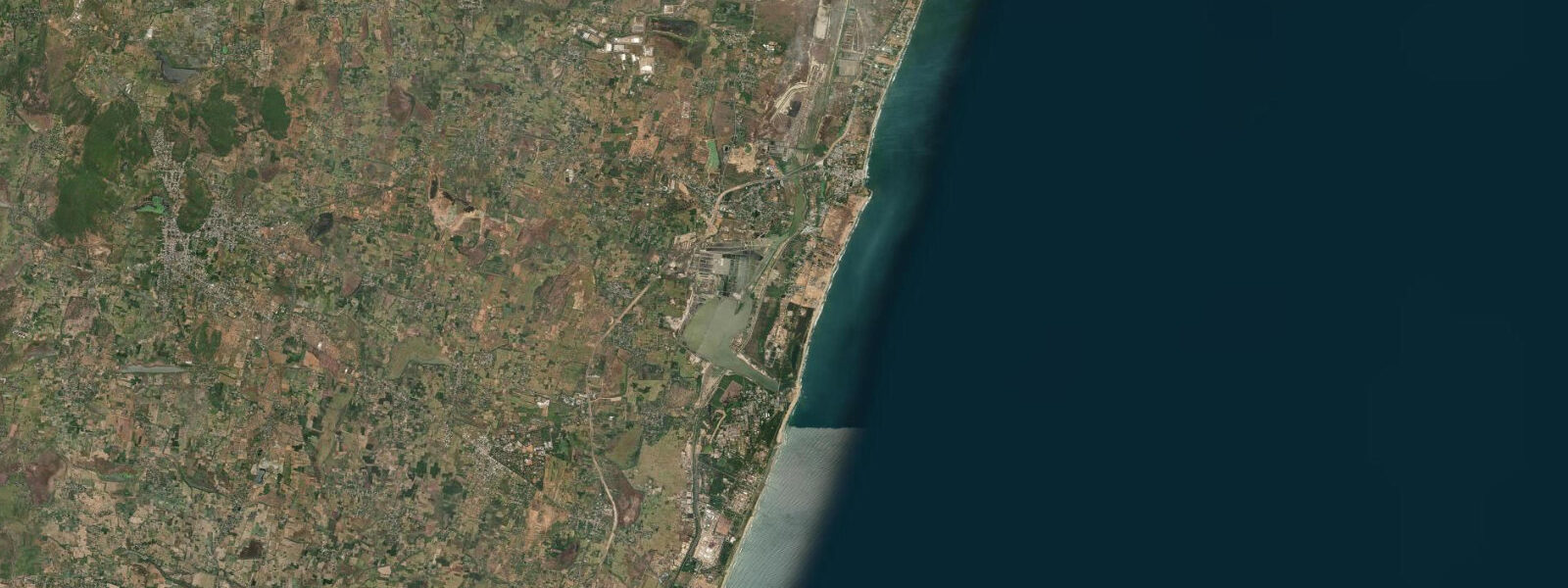
Mahabalipuram, Tamil Nadu tide times
Mahabalipuram, Tamil Nadu tide forecast — heights relative to MSL.
Today's tide times for Mahabalipuram, Tamil Nadu
Tide times at Mahabalipuram, Tamil Nadu on Monday, 3 August 2026: first low tide at 05:30, first high tide at 10:27, second low tide at 16:53. Sunrise 05:55, sunset 18:35.
Tide chart for Mahabalipuram, Tamil Nadu
24-hour cosine-interpolated curve around the present moment. Heights relative to MSL. Predictions: Predictions: Open-Meteo Marine (MeteoFrance SMOC, 0.08° grid).
Sun, moon and conditions on Mon 03 Aug
Snapshot at build time — refreshes daily. Sea state from Open-Meteo Marine.
Highs and lows next 7 days
Every predicted high and low for the next week, with the daily tidal coefficient (0–120; higher = bigger swing, > 95 means stronger currents).
Other spots nearby
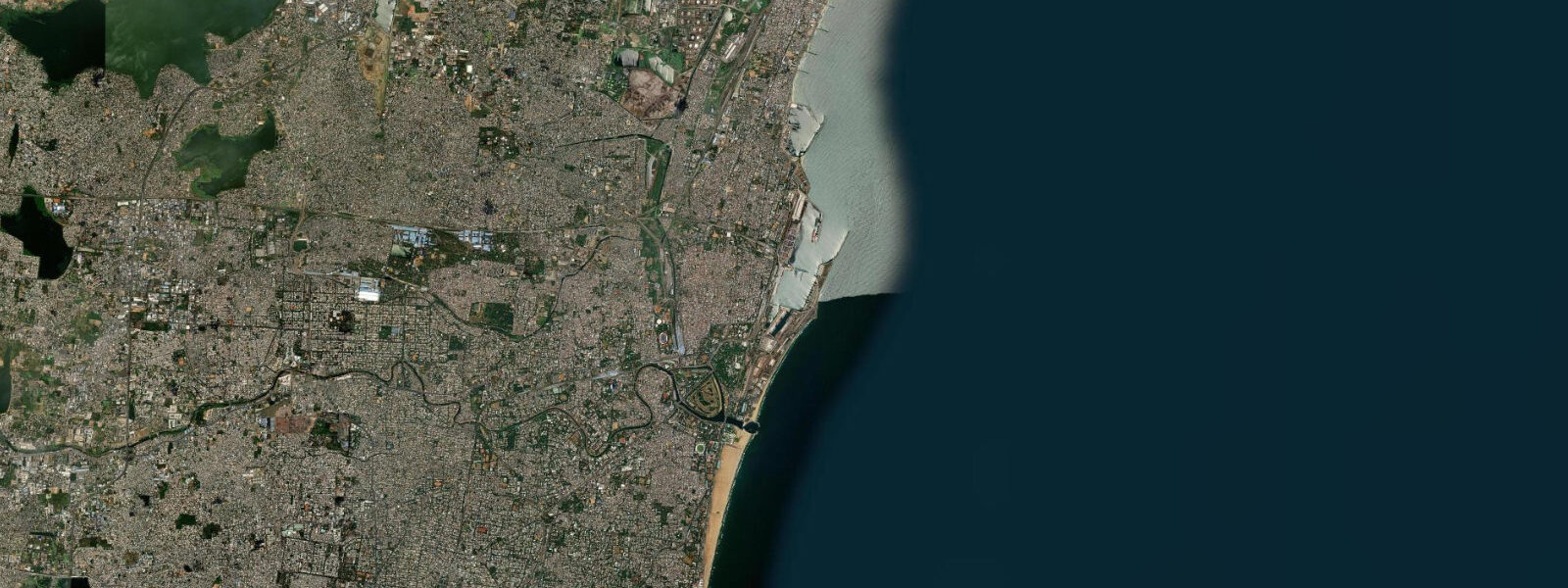
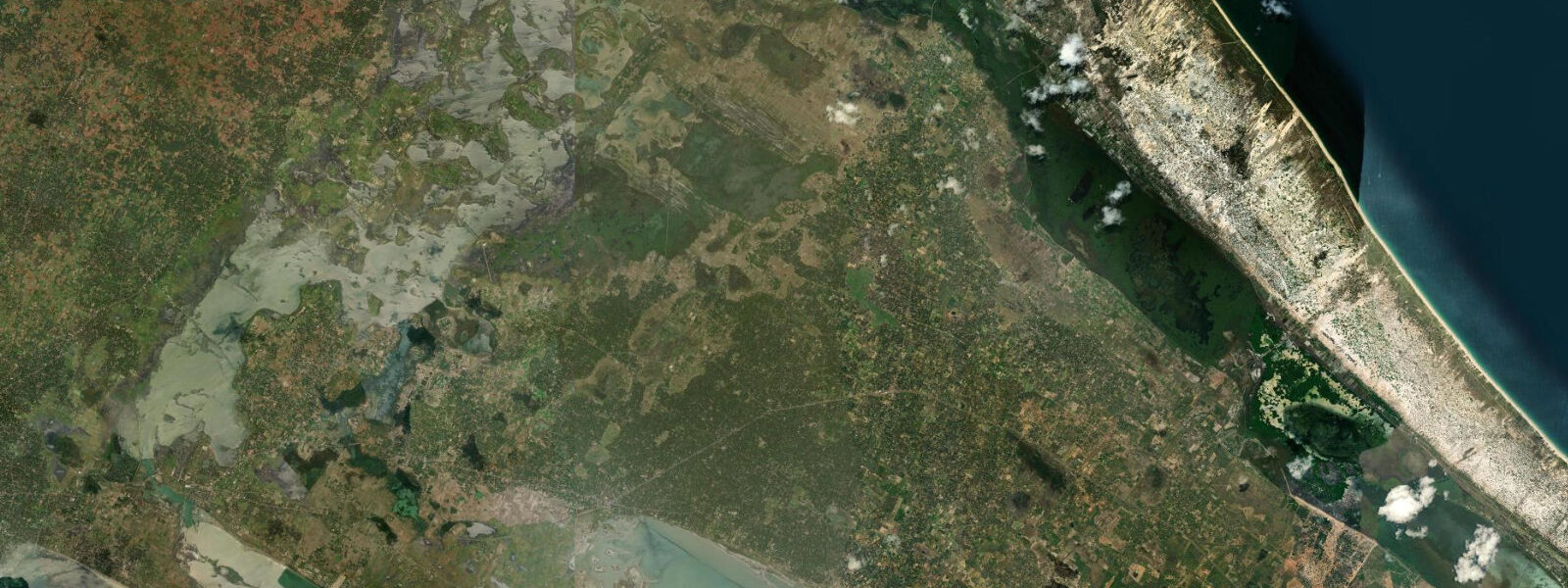
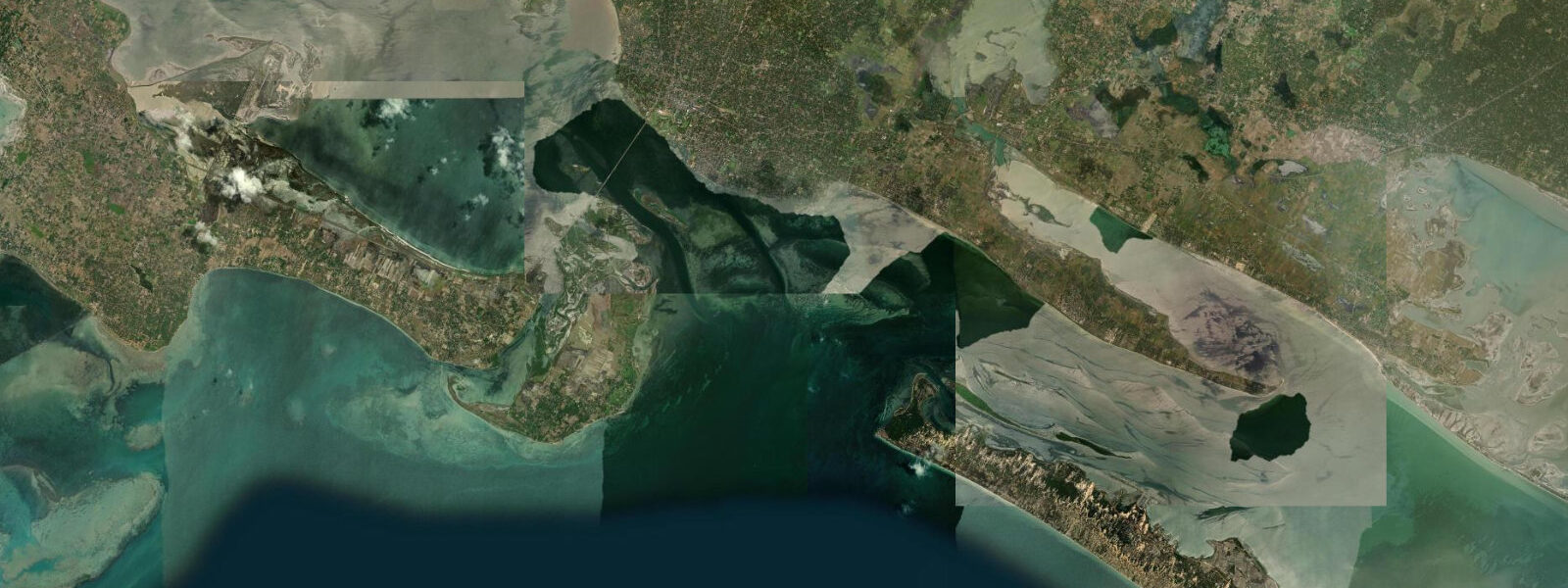
The three closest curated TideTurtle locations to Mahabalipuram, Tamil Nadu, measured by great-circle distance.
Today's solunar windows
Solunar tradition: major periods are the ≈3h windows around moon transit and opposition; minor are ≈2h around moonrise and moonset. Pair with the local tide stage and wind for the best read.
Cycle dates near Mahabalipuram, Tamil Nadu
Last spring tide on Mon 03 Aug (range 0.8m). Next spring tide on Sun 09 Aug (range 0.7m). Next neap on Fri 07 Aug.
Spring tides cluster around new and full moons (biggest swings). Neap tides land on quarter moons (smallest swings). See the spring tide and neap tide glossary entries for the why.
About tides at Mahabalipuram, Tamil Nadu
A short guide to the coastline at Mahabalipuram, Tamil Nadu — geography, sea state, and what the tide is actually doing under your feet.
Mahabalipuram — officially Mamallapuram — is a town where 7th and 8th century stone carvings meet the Bay of Bengal on the Tamil Nadu coast, 60 km south of Chennai. The Pallava dynasty worked here for roughly 150 years, cutting temples and sculptures from granite outcrops directly on the shoreline. Several of those structures are now UNESCO World Heritage listed, and most of them sit at or just above the high-water line.
The Bay of Bengal tide at Mahabalipuram is a mixed semidiurnal pattern — two highs and two lows each day, but with significant inequality between the two daily highs and between the two daily lows. Mean tidal range is modest: 0.8 m to 1.2 m. This is a low-energy tidal coast compared to the Arabian Sea. The implication for visitors is that the stonework is almost always visible, the foreshore is rarely submerged to depth, and the wave action — not the tide — is the dominant force on the beach. During the northeast monsoon (October–December), heavy swells arrive directly from the Bay and break hard on the beach and rocky platforms. In the dry season (January–May), the sea is calmer and the foreshore is accessible for hours at a time.
The Shore Temple is the defining structure of Mahabalipuram. It stands on a granite promontory at roughly high-water level, facing east toward Sri Lanka, 400 km across the water. Built in the early 8th century under the Pallava king Rajasimha, the temple was constructed using granite blocks fitted without mortar. It has stood at the sea's edge for over 1,200 years. At high water, waves wash the base of the seaward wall; at low water, rocky platforms extend 30–40 m in front of the temple and tidal pools form in the depressions. The best light for photography is at dawn, when the first sun hits the eastern face and the rock pools reflect it.
On 26 December 2004, the Indian Ocean tsunami struck this coastline with a surge that temporarily withdrew the sea well beyond the normal low-water mark before the wave arrived. In those minutes of withdrawal, stone structures immediately offshore that had been submerged for centuries were briefly exposed — walls, carved platforms, and what appeared to be the remains of a larger temple complex pre-dating the visible Pallava structures. Photographs and video from that morning documented the stonework before the surge returned. Subsequent marine archaeology surveys have confirmed submerged structural remains extending offshore from the Shore Temple, likely representing earlier phases of the same Pallava construction programme or predecessor structures from before the coast subsided. The tsunami revealed what was already there.
The Five Rathas — Pancha Rathas — stand about 1 km south of the Shore Temple on the beach. Each ratha is carved from a single granite outcrop, shaped into a different form of classical Indian temple architecture. They were never finished — the carving programme was abandoned at some point in the late Pallava period — and they have never been consecrated as functioning temples. That unfinished quality makes them unusually legible: you can see the progression of the cutting, the tool marks, the sequence in which the shapes were extracted from the raw rock.
Arjuna's Penance is a bas-relief carved on two adjacent boulders on the main road through town, roughly 400 m west of the Shore Temple. The carved surface measures 27 m wide and 9 m tall, making it one of the largest open-air bas-relief carvings in the world. The central feature is a vertical fissure in the rock, interpreted as the river Ganges descending from heaven. The carving is populated with gods, humans, elephants, and animals in a scene of simultaneous action. In the lower right section, a cat stands in a tapas pose (ascetic imitation of a meditating human), flanked by mice who appear to be devotedly observing it — a joke embedded in stone by an 8th-century sculptor.
For shore fishing, the rocky platforms south of the Shore Temple are the most productive ground. Cast-net fishing from these platforms is active at first light, targeting mullet and smaller pelagic species in the tidal wash zone. The harbour, 500 m north of the Shore Temple, operates a mixed artisanal fleet of fibreglass-hulled boats that go out overnight and return through the morning hours. Fishing is active year-round, with catches varying by season — pomfret and seer fish dominate in winter, smaller species in the post-monsoon period.
The sculpted lighthouse hill above town — the Olakkannesvara Temple complex — gives the best elevated view of the shoreline layout and the relationship between the stone monuments and the sea. It is the highest point on the coast between Chennai and Pondicherry.
Tide data for Mahabalipuram, Tamil Nadu comes from the Open-Meteo Marine API, a gridded model product. Timing accuracy is ±45 minutes, height accuracy ±0.3 m — usable for trip planning, not for navigation.
Tide questions about Mahabalipuram, Tamil Nadu
Quick answers to the most common questions about tide times, range, and water access at Mahabalipuram, Tamil Nadu.
What is the tidal range at Mahabalipuram?
The Bay of Bengal at Mahabalipuram has a mixed semidiurnal tidal regime — two high and two low tides per day, with noticeable inequality between the two daily highs. Mean tidal range is 0.8 m to 1.2 m, which is relatively modest. The low tidal range means the foreshore stonework around the Shore Temple is accessible throughout most of the tidal cycle; the difference between high and low water is significant but not dramatic. Wave action during the northeast monsoon (October–December) has a greater effect on beach accessibility than the tide itself. Heights and timings from the Open-Meteo model carry ±45 minutes and ±0.3 m accuracy.
What did the 2004 tsunami reveal at Mahabalipuram?
On 26 December 2004, the Indian Ocean tsunami caused the sea to withdraw significantly from the Mahabalipuram shoreline before the surge arrived. During that withdrawal — lasting several minutes — stone structures that had been submerged offshore were briefly exposed for the first time in centuries. Local fishermen and visitors photographed and filmed walls, carved platforms, and what appeared to be structural foundations extending offshore from the Shore Temple. Subsequent marine archaeology confirmed submerged remains at depths of 2–6 m, consistent with earlier Pallava construction or predecessor structures from a period when the coastline stood higher. The structures are now permanently submerged but have been surveyed by the Archaeological Survey of India and the National Institute of Ocean Technology.
When is the best time to visit the Shore Temple?
Dawn is the best time — the eastern-facing temple catches the first light directly, and the low-tide rock platforms in front of the temple are often accessible for 30–60 minutes before and after sunrise, giving access to the tidal pools and close views of the seaward wall base. Arrive 20 minutes before the predicted low tide to maximise the time on the platforms. The UNESCO Archaeological Survey of India ticket office opens at 06:00. Weekday mornings in January and February offer the quietest conditions. Avoid the northeast monsoon (October–December) if wave exposure is a concern — the platforms become dangerous during heavy swell periods and access may be restricted by park staff.
How do I get to Mahabalipuram from Chennai?
Mahabalipuram is 60 km south of Chennai on the East Coast Road (ECR), a well-maintained coastal highway. By car or taxi the journey takes 1.5–2 hours depending on traffic; Chennai weekday evenings add 30–45 minutes. State government buses (TNSTC) run regularly from Chennai Mofussil Bus Terminus (CMBT) to Mahabalipuram, taking approximately 2 hours. There is no direct rail connection — the nearest railway station is Chengalpattu, 29 km inland, with onward bus or taxi. Day trips from Chennai are very common. If timing a visit around low tide at the Shore Temple, check the prediction before leaving Chennai so you are not arriving mid-flood.
Is shore fishing possible at Mahabalipuram?
The rocky platforms south and north of the Shore Temple are the main shore-fishing ground. Cast-net fishing for mullet, sardine, and small pelagics is active at first light across the tidal wash zone on these platforms. The last two hours of the flood tide, when water rises over the shallow reef, brings fish closer to the rocks and is the most productive window for bait fishing. The Mahabalipuram harbour north of the Shore Temple has a working artisanal fishing fleet; early morning, from around 05:30, the boats return and the catch is unloaded on the beach — worth seeing regardless of whether you are fishing yourself. Rock platform access below the Shore Temple is restricted at times by ASI ticketing hours and during heavy monsoon swells.
8-day tide table — Mahabalipuram, Tamil Nadu
Heights relative to MSL. Predictions: Open-Meteo Marine (MeteoFrance SMOC, 0.08° grid) — heights relative to MSL (not chart datum / LAT). Model-derived.
| Day | Type | Time | Height |
|---|---|---|---|
| Mon 03 Aug | Low | 05:30 | 0.2m |
| High | 10:27 | 0.9m | |
| Low | 16:53 | 0.1m | |
| Tue 04 Aug | High | 23:45 | 0.8m |
| Wed 05 Aug | Low | 05:34 | 0.3m |
| High | 11:42 | 0.9m | |
| Low | 18:17 | 0.2m | |
| Thu 06 Aug | High | 00:50 | 0.8m |
| Low | 06:36 | 0.4m | |
| High | 12:30 | 0.8m | |
| Low | 19:10 | 0.2m | |
| Fri 07 Aug | High | 13:30 | 0.7m |
| Low | 20:20 | 0.2m | |
| Sat 08 Aug | High | 03:25 | 0.8m |
| Low | 09:40 | 0.4m | |
| High | 15:12 | 0.7m | |
| Low | 21:50 | 0.2m | |
| Sun 09 Aug | High | 04:45 | 0.8m |
| Low | 11:10 | 0.3m | |
| High | 16:42 | 0.7m | |
| Low | 23:12 | 0.1m | |
| Mon 10 Aug | High | 04:30 | 0.8m |