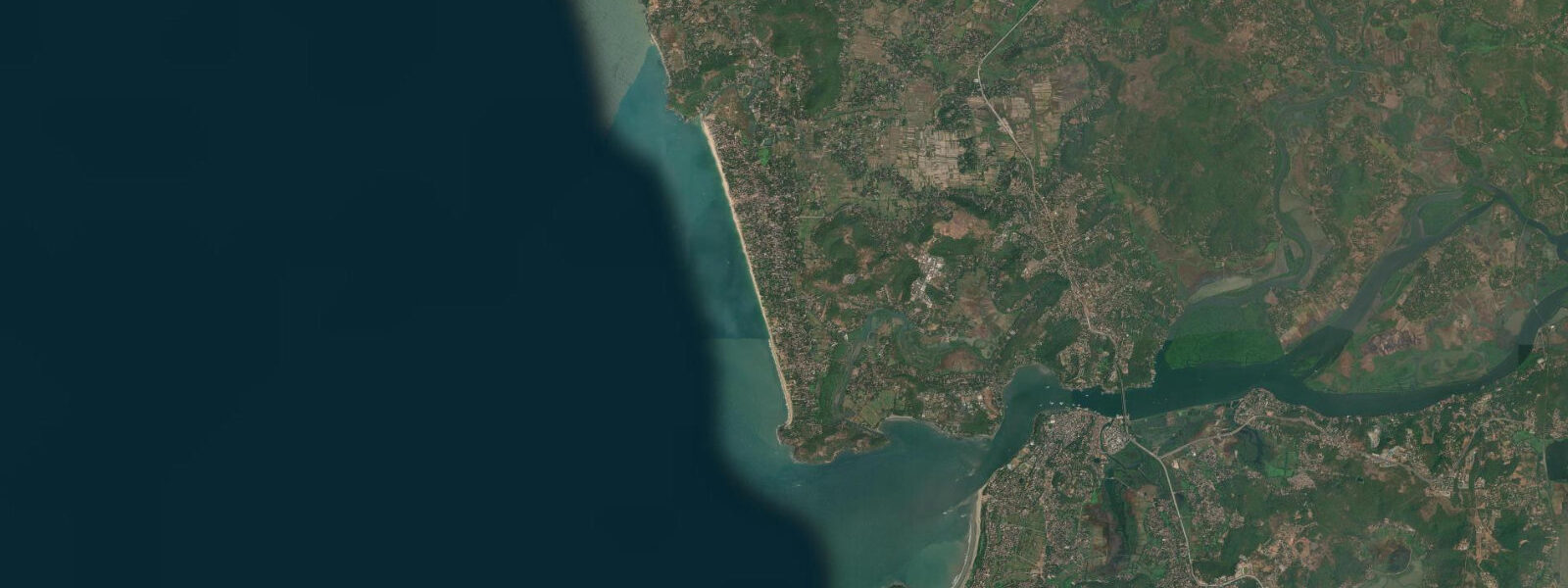
Calangute, Goa tide times
Calangute, Goa tide forecast — heights relative to MSL.
Today's tide times for Calangute, Goa
Tide times at Calangute, Goa on Tuesday, 4 August 2026: first high tide at 05:30, first low tide at 07:16, second high tide at 13:23, second low tide at 20:15. Sunrise 06:17, sunset 19:04.
Tide chart for Calangute, Goa
24-hour cosine-interpolated curve around the present moment. Heights relative to MSL. Predictions: Predictions: Open-Meteo Marine (MeteoFrance SMOC, 0.08° grid).
Sun, moon and conditions on Tue 04 Aug
Snapshot at build time — refreshes daily. Sea state from Open-Meteo Marine.
Highs and lows next 7 days
Every predicted high and low for the next week, with the daily tidal coefficient (0–120; higher = bigger swing, > 95 means stronger currents).
Other spots nearby
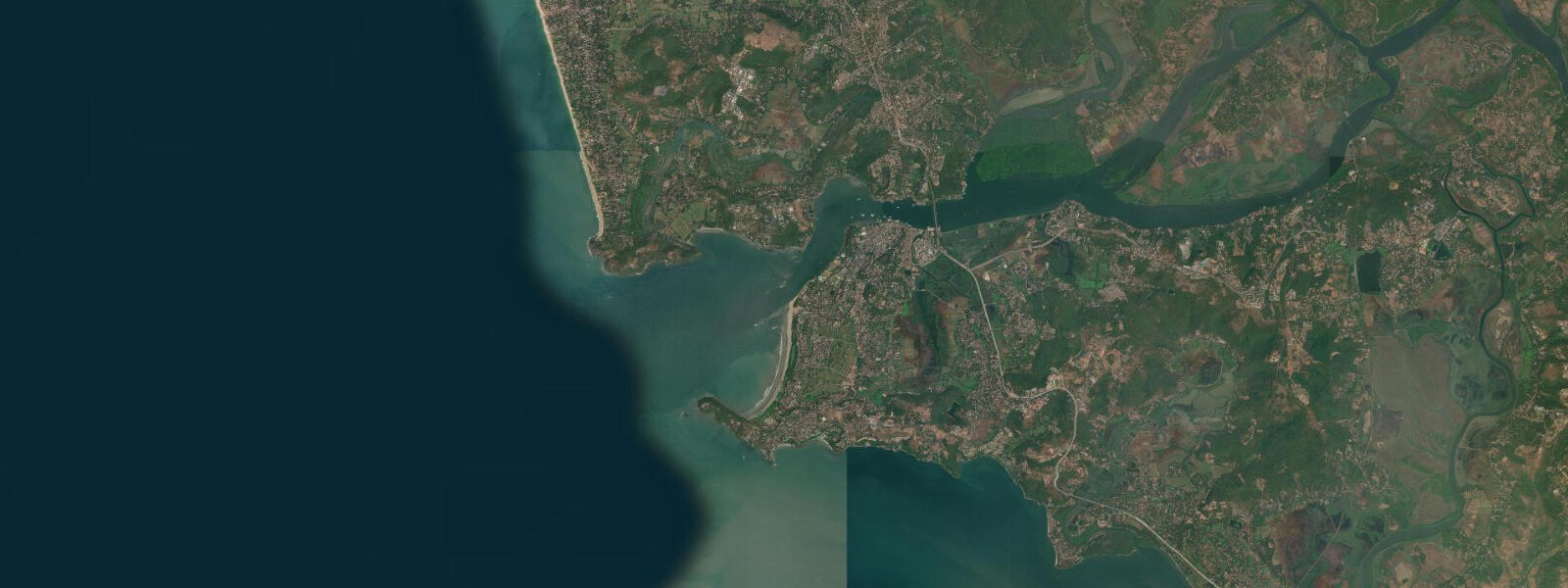
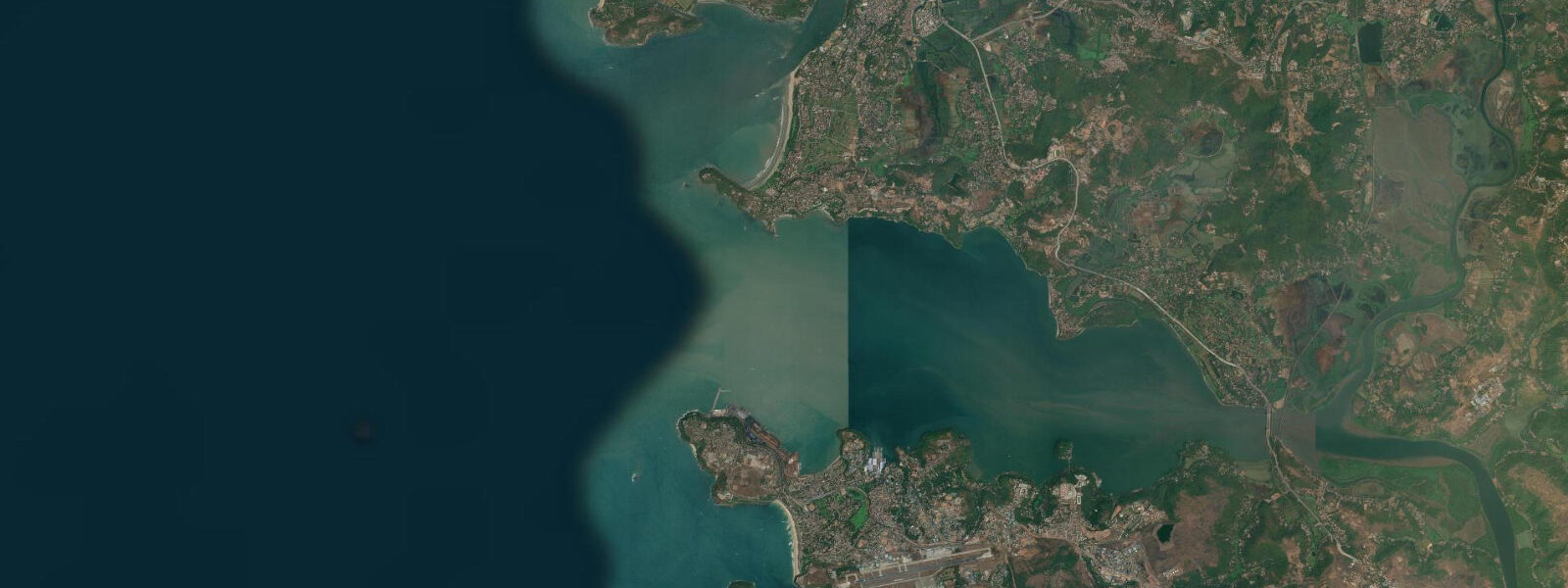
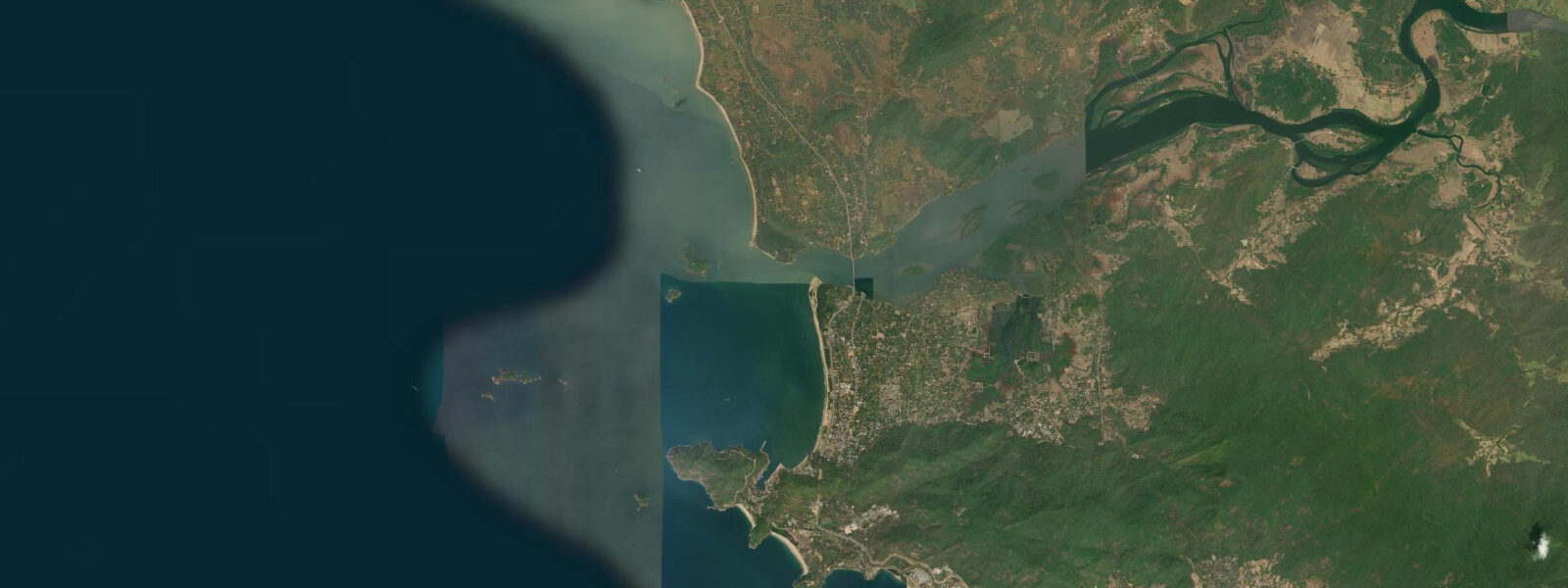
The three closest curated TideTurtle locations to Calangute, Goa, measured by great-circle distance.
Today's solunar windows
Solunar tradition: major periods are the ≈3h windows around moon transit and opposition; minor are ≈2h around moonrise and moonset. Pair with the local tide stage and wind for the best read.
Cycle dates near Calangute, Goa
Next spring tide on Wed 05 Aug (range 1.6m). Next neap on Sat 08 Aug.
Spring tides cluster around new and full moons (biggest swings). Neap tides land on quarter moons (smallest swings). See the spring tide and neap tide glossary entries for the why.
About tides at Calangute, Goa
A short guide to the coastline at Calangute, Goa — geography, sea state, and what the tide is actually doing under your feet.
Calangute is Goa's biggest beach — 7 km of continuous sand running from the outskirts of Candolim in the south to where the beach merges into Baga at the north. The central section, the part most people mean when they say Calangute, anchors a strip of beach shacks, hire stalls, and seasonal restaurants that operate from October through May and disappear before the monsoon arrives.
The tidal range here is noticeably larger than on the Kerala coast to the south. Goa sits on the northern part of the Konkan coast, where Arabian Sea tidal dynamics produce a mean spring range of 1.5–2.0 m — roughly three times what you see at Kovalam or Varkala. The reason is position: the Goa coast is farther from the central Arabian Sea amphidromic point where tidal amplitude is near zero, and closer to the natural amplification zone of the northern Indian coast. A typical spring tide at Calangute runs from about 0.1 m at low water to 1.8 m at high water. The pattern is semidiurnal — two highs and two lows per day, with the usual inequality between the two daily highs and the two lows.
The practical consequence of a 1.5–2.0 m range on a gently sloping beach this wide is significant. At low spring water, the beach face extends 150–200 m from the shack line to the sea edge. The sand at that width is firm and compact — the zone where beach cricket, volleyball, and football games happen. The gradient is shallow enough that the sea retreats a long way for a modest vertical drop. At high water, the sea pushes back to within 30–50 m of the shacks. That 100–150 m difference is visible at a glance, and the timing matters for anyone planning activity on the lower beach.
High water at Calangute in the dry season runs roughly 06:00 and 18:00 on spring tides, shifting daily with the lunar cycle. Low water falls near 12:00 and 00:00. On a typical winter day (December to February), the midday low water gives the best conditions for beach activity — maximum sand area, moderate sun angle, and the beach shacks in full operation. Morning high water means the shack operators are setting up close to a narrower margin.
Rip channels are the primary swimming safety issue at Calangute. The beach has a bar-and-trough system parallel to shore, and where the longshore bars are cut by rip channels — narrow corridors of seaward-flowing water — the surface looks relatively calm compared to the breaking waves on either side. These rips are most active at high water when the volume of water returning to the sea concentrates in the channel exits. The lifeguard service at Calangute operates at designated flag zones; the red-and-yellow flag marks the patrolled swimming area. Swimming outside the flags is not recommended. The rip hazard is present throughout the dry season but increases during the pre-monsoon weeks in April and May when swell energy builds.
The monsoon split defines Calangute's calendar. The southwest monsoon arrives in early June and runs through September. During this period the sea at Calangute is rough, sediment-loaded, and visibly brown from the stirred-up bottom material. Swimming is closed. Beach shacks, which operate on seasonal licences, dismantle before the monsoon and store their structures through the wet season. The beach during monsoon is not the same place — the sand is rearranged, the sea is loud, and the tourist strip is empty. The post-monsoon reopening in October brings freshly washed sand and reconfigured sandbars; exact bar positions shift from year to year.
The stretch from Calangute to Baga in the north is continuous but changes character. Baga has a river inlet (the Baga Creek) at its north end that produces a more sheltered micro-environment — smaller swell, calmer water near the creek mouth. Candolim to the south of Calangute is slightly less congested and tends to attract a different demographic from central Calangute's beach-shack intensity.
Anglers work the early morning low water at the southern end of the beach, casting into the gutters between sandbars. The fish present in these gutters at low water — typically Indian threadfin, queenfish, and occasional barracuda — move with the tide, so the low-water window is productive. By the time the beach fills with tourists at 09:00, the morning fishing activity is finished.
Tide data for Calangute, Goa comes from the Open-Meteo Marine API, a gridded model product. Timing accuracy is ±45 minutes, height accuracy ±0.3 m — usable for trip planning, not for navigation.
Tide questions about Calangute, Goa
Quick answers to the most common questions about tide times, range, and water access at Calangute, Goa.
How much does the beach width at Calangute change between high and low tide?
On a spring tide with a range of around 1.8 m, the beach at Calangute varies from roughly 150–200 m wide at low water to 30–50 m at high water. That is a difference of 100–150 m of usable sand. The beach gradient is gentle, so even a 1.5 m vertical drop translates to a large horizontal shift. Low water around midday in the dry season gives maximum beach area — the conditions for beach cricket, volleyball, and hard-sand walking along the full 7 km stretch. At high water the shack strip is compressed and the space for beach activity is significantly reduced.
What is the rip channel hazard at Calangute and how do I identify one?
Calangute has a bar-and-trough system where longshore sandbars are periodically cut by channels through which water returns to sea after wave breaking pushes it shoreward. In these rip channels, the surface water appears calmer and darker than the foamy broken-wave zones on either side — the relative calm is the signal, not a sign of safety. Rips are most active at high water and in higher swell periods (April–May pre-monsoon). Stay within the red-and-yellow lifeguard flags, which mark the patrolled, rip-assessed zone. If caught in a rip, swim parallel to shore to exit the channel rather than against the current. The lifeguard service at Calangute is one of Goa's better-resourced; use it.
When do the beach shacks at Calangute open and close for the year?
Calangute's beach shacks operate on seasonal Goa government licences tied to the tourist season. Most open in late October, after the monsoon has ended and the beach has been cleaned and reset. They operate through November, December, January, February, March, and into April. Closure typically happens in late May before the southwest monsoon arrives in early June — the structures are dismantled and stored through the wet season. The exact dates vary by year depending on government licence renewal and monsoon timing. During monsoon (June to September), the beach shack strip is empty and the beach itself is closed to swimming.
Is Baga different from Calangute, and does the tide affect it differently?
Baga is the northern continuation of the same beach, separated by no physical barrier — you can walk between the two in either direction at any tide state. The tidal range is the same (1.5–2.0 m spring, semidiurnal). What makes Baga distinct is the Baga Creek at its north end: the creek inlet creates a sheltered pocket where the sea is calmer than on the open beach, useful for families and less confident swimmers. The creek mouth area is shallower and the water warmer. At low water the creek sandbars are more exposed; at high water the creek backs up slightly. Baga also tends to have a denser concentration of nightlife shacks and water-sport operators compared to central Calangute.
Are there good fishing spots on Calangute beach, and when should anglers visit?
The southern end of Calangute beach, approaching the Candolim boundary, has productive fishing at low water when the gutters between sandbars are exposed and fish concentrate in the remaining water channels. The window is roughly two hours either side of low water — predatory species including Indian threadfin, queenfish, and occasional barracuda move into the gutters on the ebb and are accessible to surfcasters working the trough edges. Early morning low water (when it falls between 05:00 and 08:00) combines the productive tidal window with low beach traffic. The beach shack activity builds from 08:30 onward and the fishing pressure from non-anglers changes the dynamic. The monsoon season (June to September) closes beach fishing at Calangute along with everything else.
8-day tide table — Calangute, Goa
Heights relative to MSL. Predictions: Open-Meteo Marine (MeteoFrance SMOC, 0.08° grid) — heights relative to MSL (not chart datum / LAT). Model-derived.
| Day | Type | Time | Height |
|---|---|---|---|
| Tue 04 Aug | High | 05:30 | 0.1m |
| Low | 07:16 | -0.2m | |
| High | 13:23 | 1.1m | |
| Low | 20:15 | -0.5m | |
| Wed 05 Aug | High | 13:56 | 1.0m |
| Low | 20:56 | -0.6m | |
| Thu 06 Aug | High | 03:42 | 0.7m |
| Low | 08:43 | 0.1m | |
| High | 14:35 | 0.9m | |
| Low | 21:51 | -0.6m | |
| Fri 07 Aug | High | 05:15 | 0.7m |
| Low | 09:45 | 0.3m | |
| High | 15:26 | 0.8m | |
| Sat 08 Aug | Low | 11:30 | 0.4m |
| High | 16:36 | 0.7m | |
| Sun 09 Aug | — | ||
| Mon 10 Aug | Low | 01:36 | -0.9m |
| High | 09:04 | 0.9m | |
| Low | 14:38 | 0.2m | |
| High | 19:21 | 0.7m | |
| Tue 11 Aug | Low | 02:31 | -0.9m |
| High | 04:30 | -0.6m | |