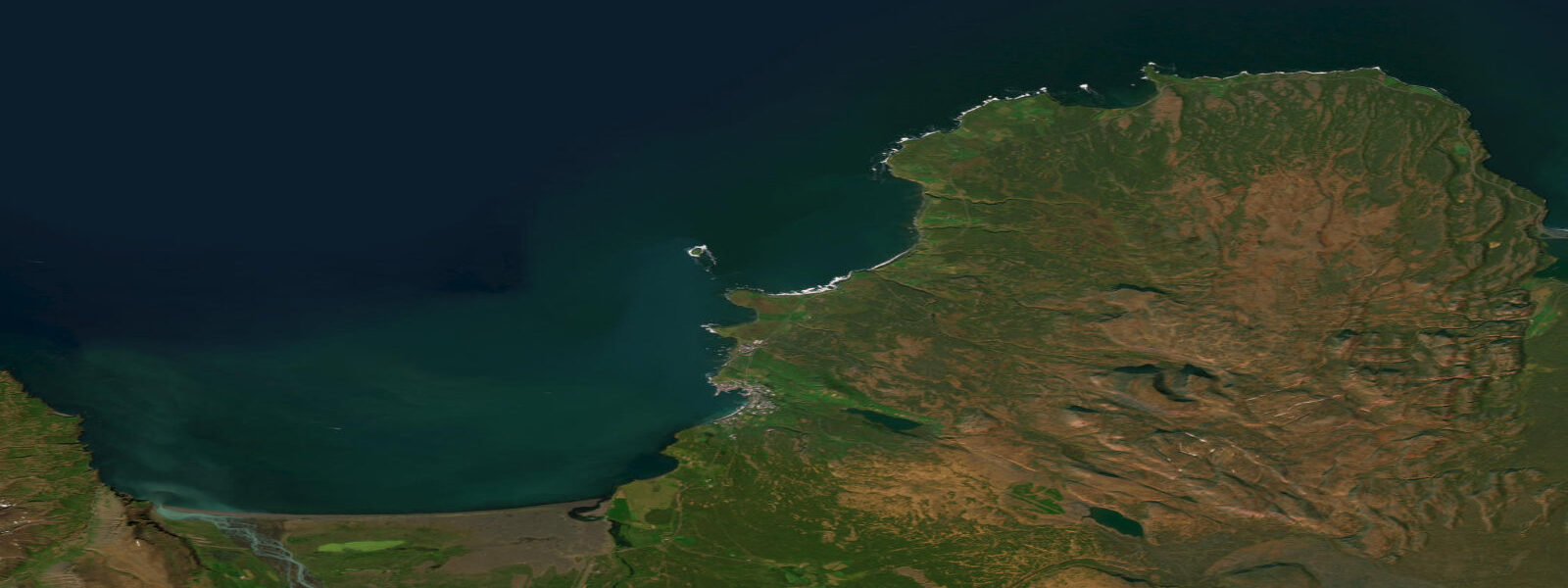
Húsavík tide times
Húsavík tide forecast — heights relative to MSL.
Today's tide times for Húsavík
Tide times at Húsavík on Monday, 3 August 2026: first high tide at 00:46, first low tide at 07:15, second high tide at 13:25. Sunrise 04:02, sunset 22:25.
Tide chart for Húsavík
24-hour cosine-interpolated curve around the present moment. Heights relative to MSL. Predictions: Predictions: Open-Meteo Marine (MeteoFrance SMOC, 0.08° grid).
Sun, moon and conditions on Mon 03 Aug
Snapshot at build time — refreshes daily. Sea state from Open-Meteo Marine.
Highs and lows next 7 days
Every predicted high and low for the next week, with the daily tidal coefficient (0–120; higher = bigger swing, > 95 means stronger currents).
Other spots nearby
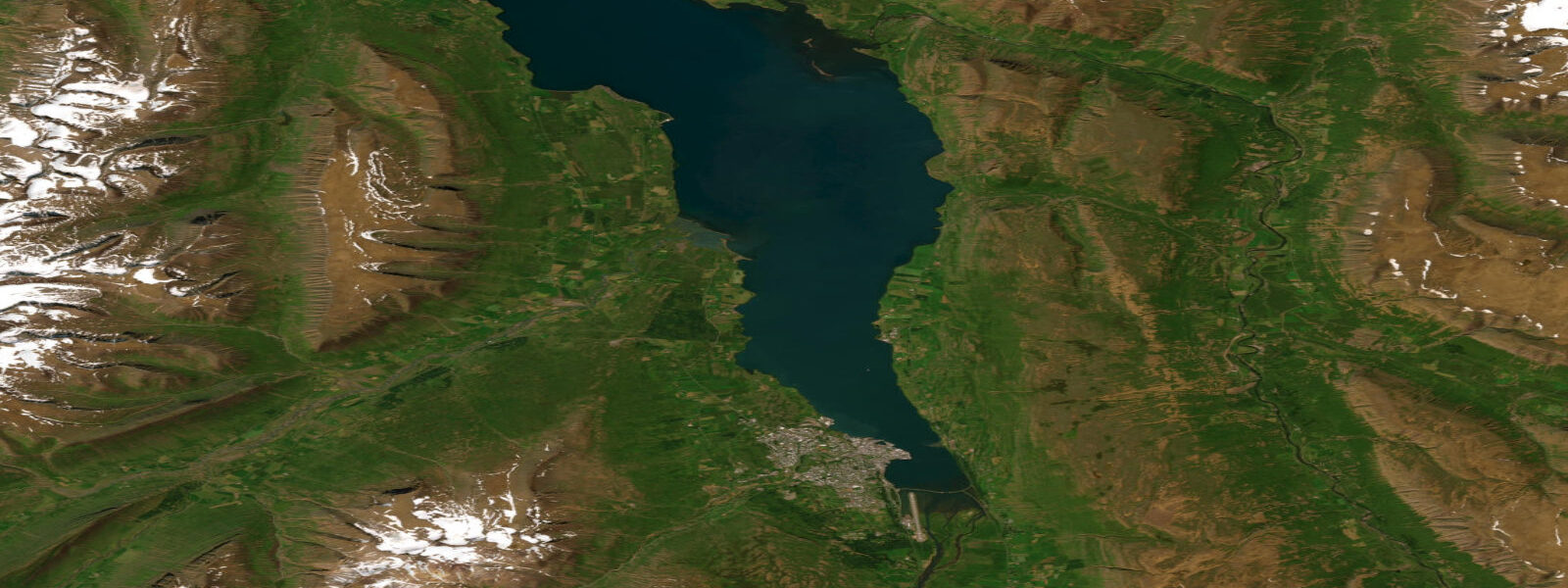
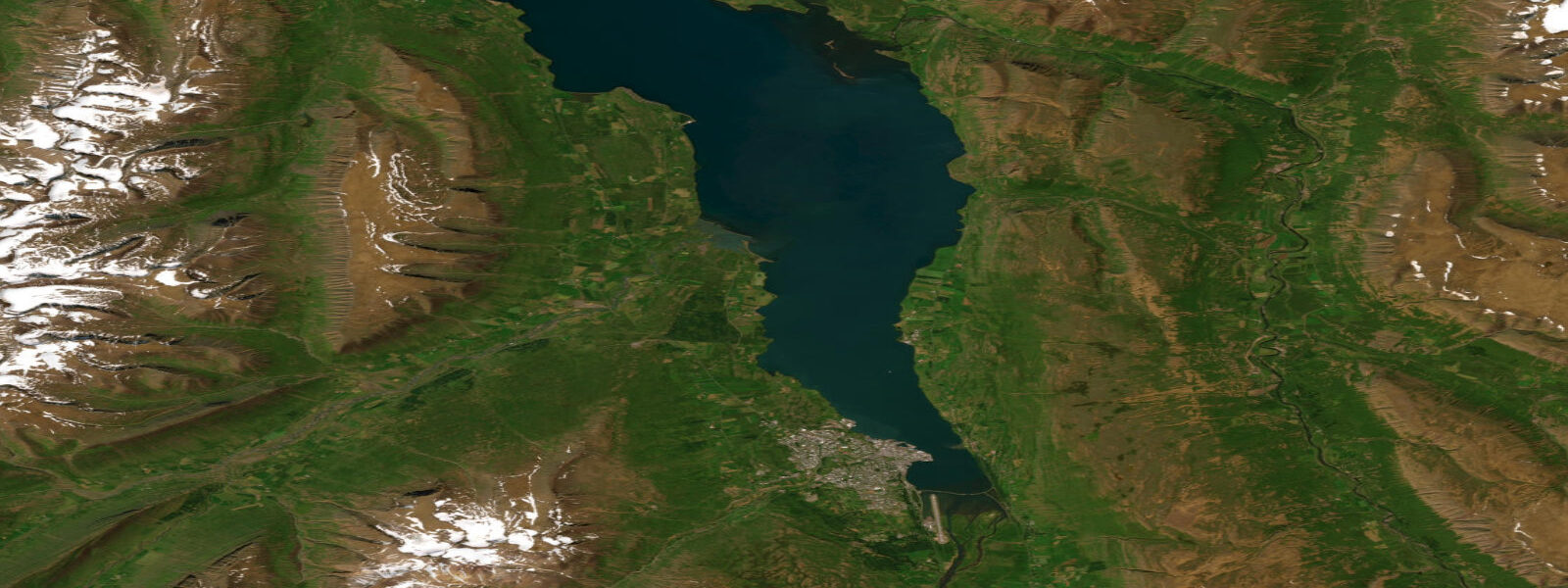
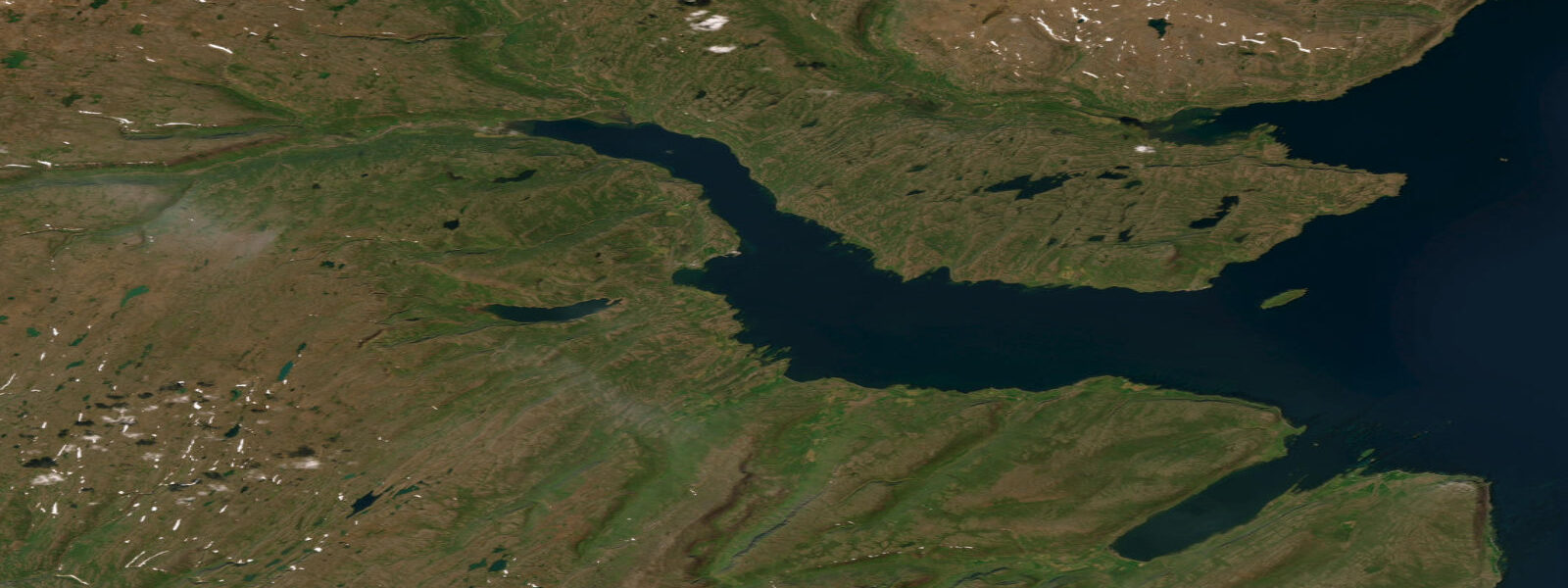
The three closest curated TideTurtle locations to Húsavík, measured by great-circle distance.
Today's solunar windows
Solunar tradition: major periods are the ≈3h windows around moon transit and opposition; minor are ≈2h around moonrise and moonset. Pair with the local tide stage and wind for the best read.
Cycle dates near Húsavík
Last spring tide on Mon 03 Aug (range 1.2m). Next neap on Sun 09 Aug.
Spring tides cluster around new and full moons (biggest swings). Neap tides land on quarter moons (smallest swings). See the spring tide and neap tide glossary entries for the why.
About tides at Húsavík
A short guide to the coastline at Húsavík — geography, sea state, and what the tide is actually doing under your feet.
Húsavík calls itself the whale capital of Europe, and the title holds up: the town's position at the mouth of Skjálfandi bay, where cold, nutrient-rich Arctic water meets a bay geometry that concentrates prey species, produces some of the most reliable and diverse whale-watching conditions in the North Atlantic. Twelve whale species have been recorded from Húsavík waters; humpbacks, minkes, and white-beaked dolphins are the regular encounter species; blue whales are present in some years. The Húsavík Whale Museum is the scientific and interpretive anchor.
Tidal range at Húsavík is 3.0 to 4.5 metres at springs — the Greenland Sea delivers full subarctic tidal movement into the bay. The tidal state affects whale distribution: humpbacks follow herring and capelin that concentrate in upwelling zones created by tidal currents over the shallower banks. Local operators understand these patterns and route trips accordingly. The harbour itself is a small, functional fishing port with an inner basin that dries significantly at low tide.
The town sits at 66 degrees north — just above the Arctic Circle. In practical terms this means near-continuous daylight from late May through July, with whale-watching trips running at 22:00 in full light in June. This is the unique selling proposition for whale watching in Húsavík: the evening tours run in light that would be twilight further south but is full, low-angled summer sun in arctic Iceland. The northern lights begin returning in late August as darkness returns.
Beyond whale watching, Húsavík is the access point for the Diamond Circle. The Ásbyrgi horseshoe canyon — a massive canyon formed by catastrophic glacial flooding — is 30 kilometres north. Dettifoss, on the Jökulsá á Fjöllum river 80 kilometres south, is the most powerful waterfall in Europe by volume: 193 cubic metres per second on average, visible from both banks, and not photogenic in photographs but overwhelming in person. Krafla volcanic caldera and Mývatn lake (geothermal landscape, pseudocraters, duck species) complete the circuit.
The 2021 film Eurovision Song Contest: The Story of Fire Saga was partly filmed in Húsavík, and the song performed about the town reached the UK charts and introduced an entirely new demographic to the place. The whale museum, the colourful wooden church at the harbour, and the small-town-at-the-edge-of-the-Arctic atmosphere are the genuine draws for everyone else.
Predictions on this page come from Open-Meteo Marine, a gridded global ocean model. Accuracy is typically within plus or minus 45 minutes on timing and 0.2 to 0.3 metres on height — model-derived, not from a local gauge. For authoritative Icelandic tide data, consult the Icelandic Meteorological Office (Veðurstofa Íslands).
Tide questions about Húsavík
Quick answers to the most common questions about tide times, range, and water access at Húsavík.
What is the tidal range at Húsavík?
Spring tidal range at Húsavík is 3.0 to 4.5 metres — subarctic North Atlantic tidal movement into Skjálfandi bay. Tidal currents over the bank at the bay's outer edge concentrate the prey species (herring, capelin) that humpbacks and minkes feed on, making tidal state relevant to whale encounter success. The inner harbour dries significantly at low tide; boat departure times are influenced by harbour depth.
What whale species can I see from Húsavík?
Humpback whales and minke whales are the most commonly encountered, typically from May through September. White-beaked dolphins are frequent alongside. Blue whales appear in some years (good sightings in 2018, 2019, and 2021). Orca (killer whale), fin whale, and sei whale are occasional sightings. Twelve species have been recorded; the Whale Museum publishes current-season sighting records. Success rates for seeing humpbacks or minkes on a 3-hour trip are over 90% in peak season.
Is a midnight sun whale-watching trip possible?
Yes — in June and early July, Húsavík operators run evening whale-watching trips that depart at 21:00 or 22:00 in full daylight. The low-angled summer sun at this latitude creates extraordinary light conditions on the water. These trips are not gimmicks — whales feed through the arctic summer night regardless of light. Booking is in high demand; reserve weeks in advance for June evening trips.
What is the Diamond Circle near Húsavík?
A self-drive loop connecting four major north Iceland attractions: Ásbyrgi horseshoe canyon (30 km north of Húsavík), Dettifoss waterfall (Europe's most powerful), Mývatn lake (geothermal landscape, pseudocraters, bird habitat), and Krafla volcanic caldera (recent eruptions 1975–1984, active lava field). The full loop is approximately 250 kilometres and takes a full day. Húsavík is positioned at the northeastern end of the circuit.
What is the best time of year to visit Húsavík?
June through August for whale watching (peak activity), midnight sun, and road access to all Diamond Circle attractions. September for northern lights (beginning) combined with the tail end of whale season. May has puffins returning and whale activity starting. Winter (November through March) is the northern lights season — dark skies from Húsavík's position above the Arctic Circle give excellent viewing when solar activity cooperates. Road conditions in winter require a 4WD vehicle or snow chains.
7-day tide table — Húsavík
Heights relative to MSL. Predictions: Open-Meteo Marine (MeteoFrance SMOC, 0.08° grid) — heights relative to MSL (not chart datum / LAT). Model-derived.
| Day | Type | Time | Height |
|---|---|---|---|
| Mon 03 Aug | High | 00:46 | -0.1m |
| Low | 07:15 | -1.3m | |
| High | 13:25 | -0.3m | |
| Tue 04 Aug | Low | 07:51 | -1.2m |
| High | 14:02 | -0.2m | |
| Low | 20:11 | -1.1m | |
| Wed 05 Aug | High | 14:43 | -0.2m |
| Low | 21:02 | -1.0m | |
| Thu 06 Aug | High | 03:02 | -0.2m |
| Low | 22:00 | -1.1m | |
| Fri 07 Aug | High | 04:15 | -0.4m |
| Low | 23:13 | -1.0m | |
| Sat 08 Aug | High | 18:06 | -0.2m |
| Sun 09 Aug | Low | 12:52 | -0.9m |
| High | 19:21 | -0.2m | |
| Low | 23:00 | -0.8m |