Akureyri tide times
Akureyri tide forecast — heights relative to MSL.
Tide chart for Akureyri
24-hour cosine-interpolated curve around the present moment. Heights relative to MSL. Predictions: Predictions: Open-Meteo Marine (MeteoFrance SMOC, 0.08° grid).
Sun, moon and conditions on Mon 03 Aug
Snapshot at build time — refreshes daily. Sea state from Open-Meteo Marine.
Highs and lows next 7 days
Every predicted high and low for the next week, with the daily tidal coefficient (0–120; higher = bigger swing, > 95 means stronger currents).
Other spots nearby
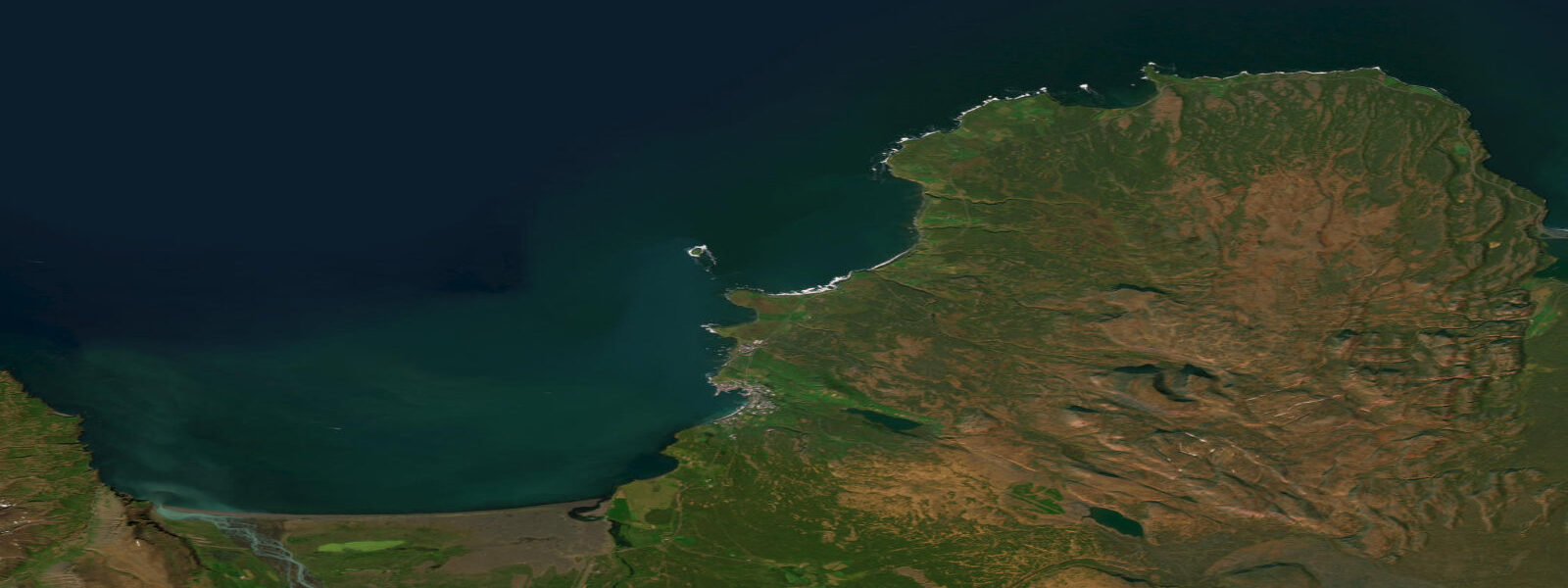
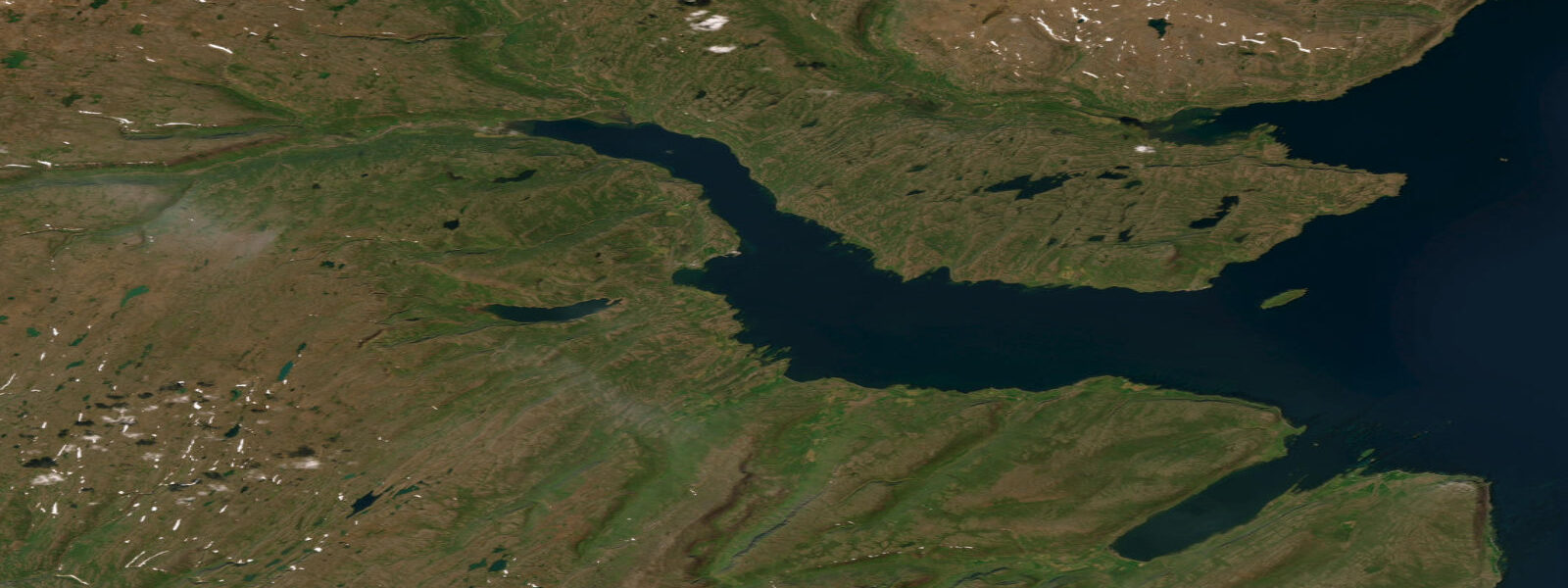
The three closest curated TideTurtle locations to Akureyri, measured by great-circle distance.
Today's solunar windows
Solunar tradition: major periods are the ≈3h windows around moon transit and opposition; minor are ≈2h around moonrise and moonset. Pair with the local tide stage and wind for the best read.
About tides at Akureyri
A short guide to the coastline at Akureyri — geography, sea state, and what the tide is actually doing under your feet.
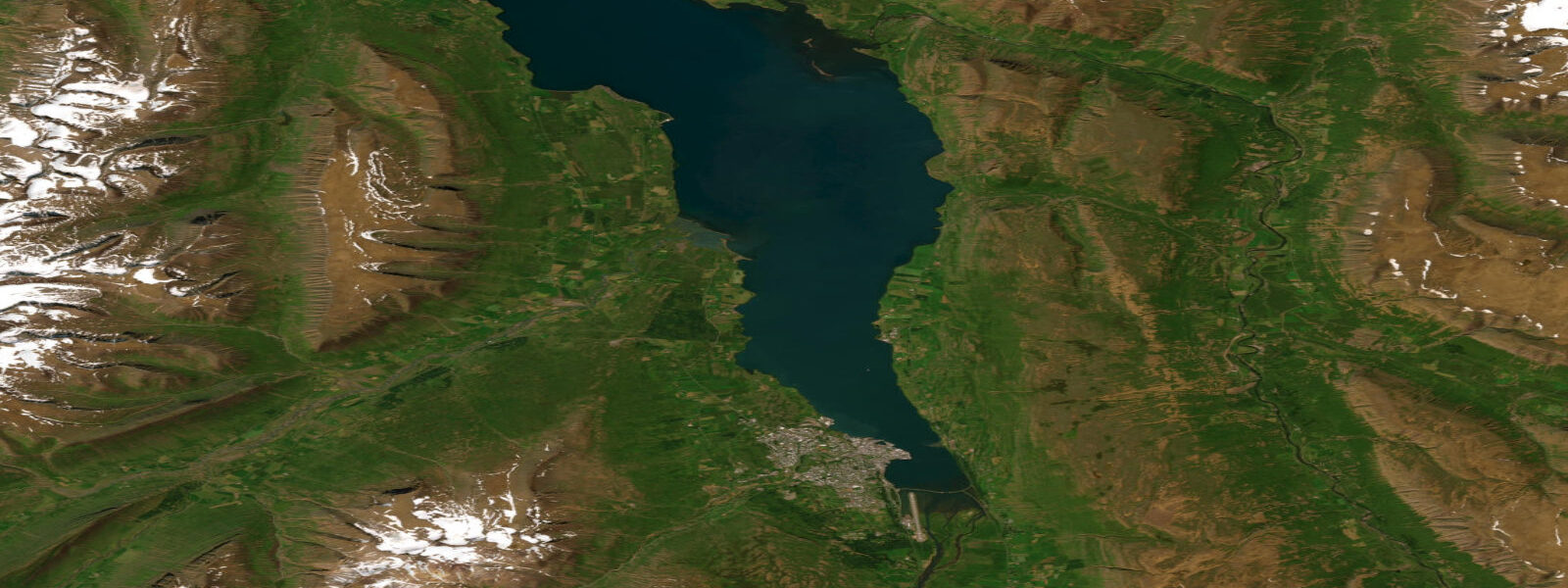
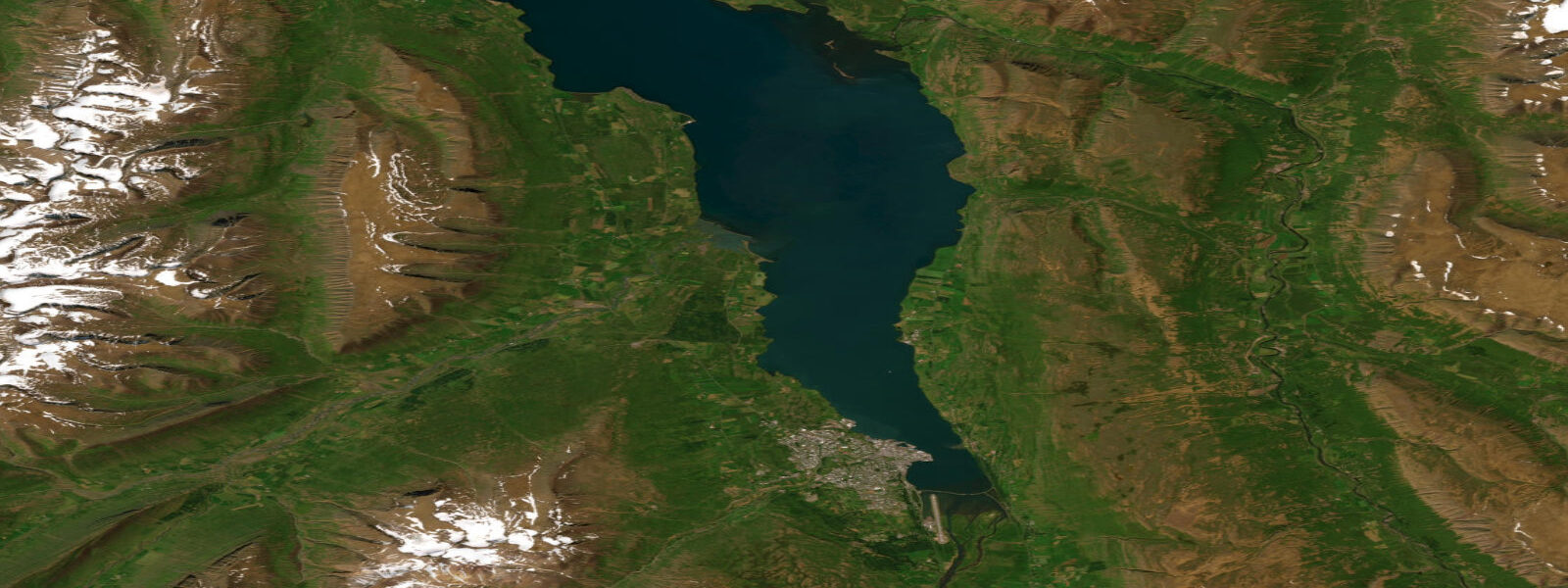
Akureyri is Iceland's second city and the capital of the north — which means a population of 20,000 in a town at the head of Eyjafjörður, the longest fjord in Iceland, surrounded by snow-capped mountains for nine months of the year. The fjord runs 60 kilometres from the open Arctic Ocean to the town; the mountains on both sides rise to 1,000–1,500 metres. The combination produces a sheltered microclimate that allows Icelandic standards of summer warmth (the town's botanical garden, established in 1912, grows plants that should not survive at 65 degrees north), while the winter is serious.
Tidal range in Eyjafjörður varies from 3.0 to 4.5 metres at springs — the long fjord amplifies tidal movement from the Greenland Sea. At Akureyri town, tidal state is visible in the harbour and the mudflat character of the inner fjord margins at low water. The fjord's sheltered geometry makes it excellent for sailing, kayaking, and flat-water paddling regardless of open-ocean conditions.
Whale watching from Akureyri is among the most productive in Iceland. The fjord holds a reliable year-round population of humpback whales that feed in the nutrient-rich cold waters; success rates are consistently high from June through August. Boat trips depart from the small harbour at Hrísey island (accessible by ferry from Árskógssandur, north of Akureyri) or from Dalvík harbour. The Humpback Whale Centre at Húsavík (1.5 hours east by road) is the dedicated whale research and tourism hub if you want depth on the biology alongside the experience.
The Hlíðarfjall ski centre operates on the mountain immediately west of the town from December through April — one of Iceland's better ski areas, with 23 runs and reliable Nordic snow. In summer the same mountain provides hiking access to the ridge and views over the full length of Eyjafjörður. The town's swimming pool (geothermally heated, outdoor), at Þingvallastræti, is the social hub through all seasons.
Driving the Ring Road north from Akureyri toward Húsavík and the Tjörnes peninsula passes the Goðafoss waterfall (one of Iceland's most photographed) and connects to the diamond circle route — Ásbyrgi canyon, Dettifoss waterfall (Europe's most powerful), and the Krafla geothermal area. Akureyri is the practical staging point for north and northeast Iceland exploration.
Predictions on this page come from Open-Meteo Marine, a gridded global ocean model. Accuracy is typically within plus or minus 45 minutes on timing and 0.2 to 0.3 metres on height — model-derived, not from a local gauge. For authoritative Icelandic tide data, consult the Icelandic Meteorological Office (Veðurstofa Íslands).
Tide questions about Akureyri
Quick answers to the most common questions about tide times, range, and water access at Akureyri.
What is the tidal range at Akureyri?
Eyjafjörður has a spring tidal range of 3.0 to 4.5 metres — the long fjord geometry amplifies tidal movement from the Greenland Sea. At Akureyri town the tidal change is visible in the harbour basin and on the inner fjord mudflats. Tidal state is important for planning boat departures from the inner harbour and for flat-water kayaking near the fjord margins.
Is whale watching better in Akureyri or Húsavík?
Húsavík (90 minutes east of Akureyri) is Iceland's established whale-watching capital and has a higher concentration of operators, a whale museum, and longer-developed expertise with the local population. Eyjafjörður from Akureyri also has reliable humpback whale sightings in summer. The practical difference is logistics: Húsavík has more departures and a dedicated infrastructure; Akureyri is a less tourist-centric experience. Both offer high success rates June through August.
Can I ski at Akureyri in winter?
Yes — Hlíðarfjall ski centre is on the mountain west of the town and is one of Iceland's better ski destinations. Twenty-three runs cover a range of abilities; the vertical drop is about 500 metres. Lifts run mid-December through April, depending on snowfall. Rental, lessons, and a summit café are all available. Night skiing is offered on the main runs. Akureyri airport has direct flights from Reykjavík (45 minutes) making it a viable weekend ski destination from the capital.
Is Goðafoss waterfall near Akureyri?
Yes — Goðafoss (Waterfall of the Gods) is about 50 kilometres east of Akureyri on the Ring Road, approximately 45 minutes by car. The waterfall drops 12 metres in a 30-metre wide horseshoe shape on the Skjálfandafljót river. The name refers to the moment in 1000 CE when Þorgeir Ljósvetningagoði, having decided to adopt Christianity as Iceland's religion, threw his Norse god statues into the falls. The site is accessible year-round and best photographed in morning light.
Does Akureyri get midnight sun?
Near-midnight sun, yes. Akureyri is at 65.7 degrees north — just above the Arctic Circle. On the summer solstice (21 June) the sun dips only briefly below the horizon and the sky never gets fully dark; effective midnight sun (24-hour daylight) occurs from about 25 May through 17 July. Conversely, in December the sun rises at around 11:00 and sets by 15:00, with less than 4 hours of low-angle daylight.
0-day tide table — Akureyri
Heights relative to MSL. Predictions: Open-Meteo Marine (MeteoFrance SMOC, 0.08° grid) — heights relative to MSL (not chart datum / LAT). Model-derived.
| Day | Type | Time | Height |
|---|