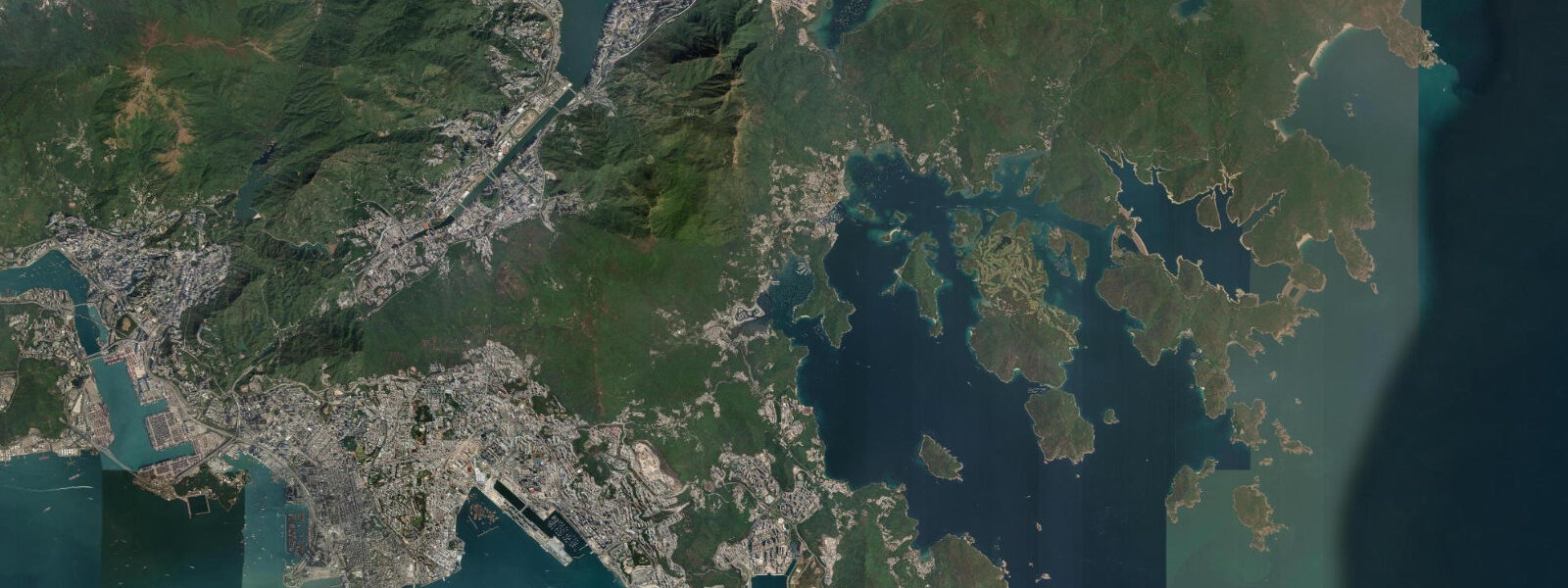
Sai Kung tide times
Sai Kung tide forecast — heights relative to MSL.
Today's tide times for Sai Kung
Tide times at Sai Kung on Tuesday, 4 August 2026: first low tide at 08:00, first high tide at 11:54, second low tide at 18:34. Sunrise 05:55, sunset 19:02.
Tide chart for Sai Kung
24-hour cosine-interpolated curve around the present moment. Heights relative to MSL. Predictions: Predictions: Open-Meteo Marine (MeteoFrance SMOC, 0.08° grid).
Sun, moon and conditions on Tue 04 Aug
Snapshot at build time — refreshes daily. Sea state from Open-Meteo Marine.
Highs and lows next 7 days
Every predicted high and low for the next week, with the daily tidal coefficient (0–120; higher = bigger swing, > 95 means stronger currents).
Other spots nearby
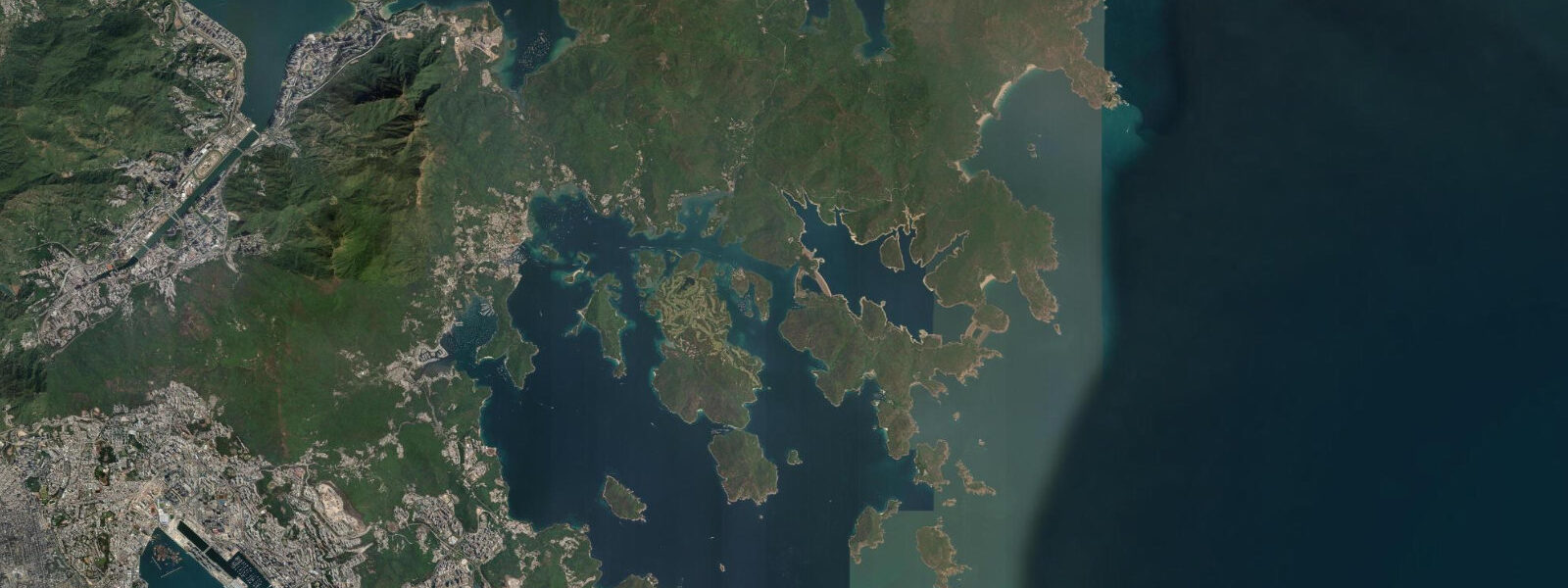
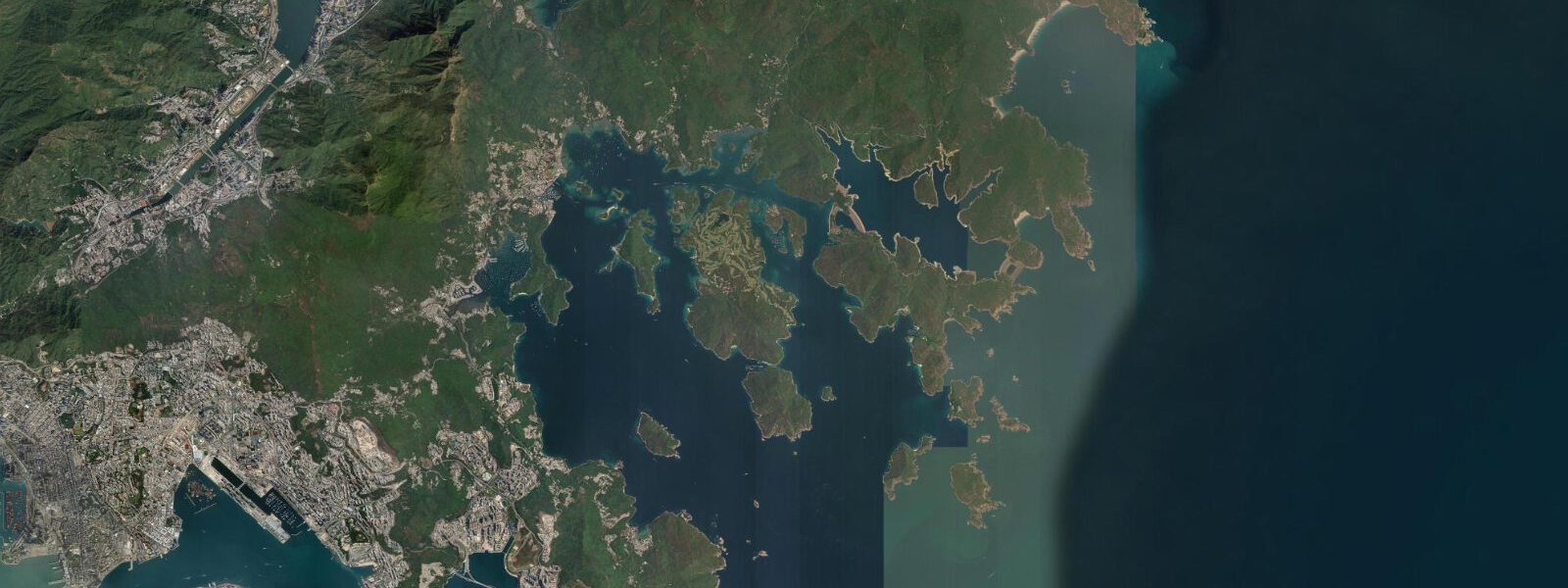
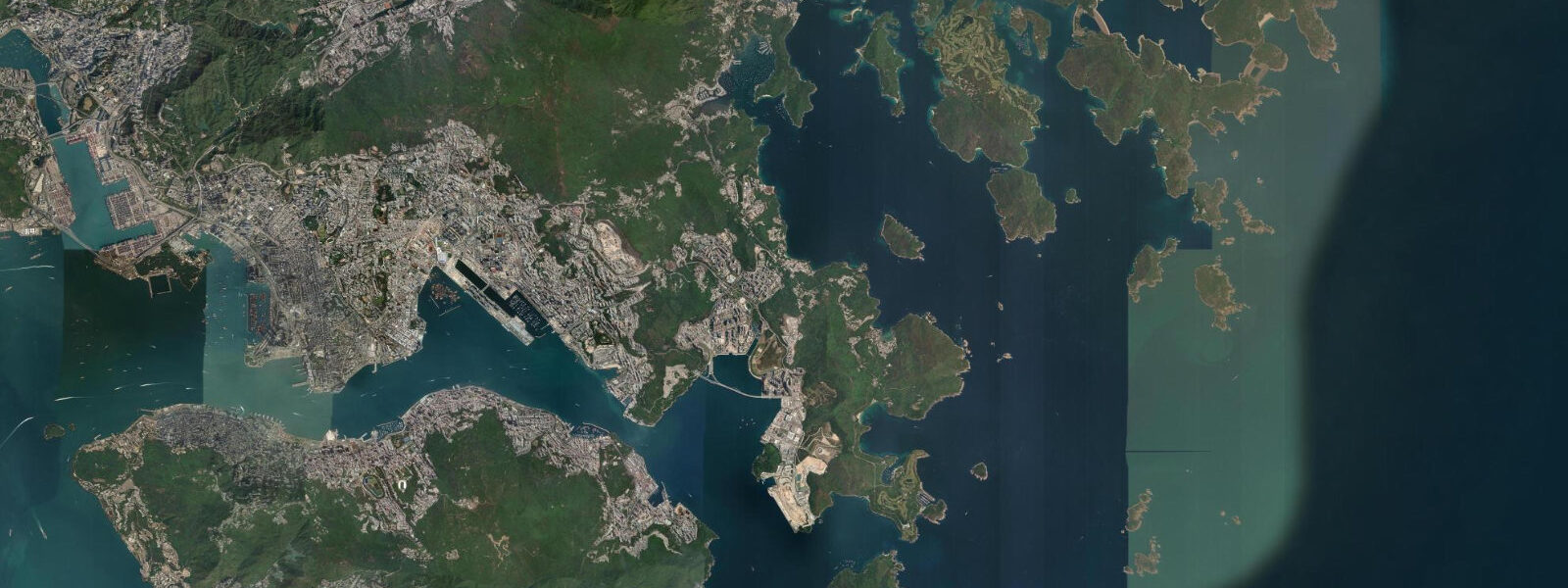
The three closest curated TideTurtle locations to Sai Kung, measured by great-circle distance.
Today's solunar windows
Solunar tradition: major periods are the ≈3h windows around moon transit and opposition; minor are ≈2h around moonrise and moonset. Pair with the local tide stage and wind for the best read.
Cycle dates near Sai Kung
Next spring tide on Mon 10 Aug (range 2.0m). Next neap on Wed 05 Aug.
Spring tides cluster around new and full moons (biggest swings). Neap tides land on quarter moons (smallest swings). See the spring tide and neap tide glossary entries for the why.
About tides at Sai Kung
A short guide to the coastline at Sai Kung — geography, sea state, and what the tide is actually doing under your feet.
Sai Kung is the closest Hong Kong gets to a town that feels built around the sea rather than built beside it. The waterfront promenade doubles as an outdoor fish market, with live seafood tanks — grouper, prawn, abalone, geoduck — stacked outside every restaurant from the ferry pier to the town's western end. At weekends, the town fills with city residents who have made the 45-minute journey from Kowloon or Hong Kong Island specifically to eat seafood and access the country park trailheads that spread in every direction through the Sai Kung Peninsula.
The tidal regime at Sai Kung is mixed semidiurnal. Two unequal high waters and two unequal low waters complete the daily cycle, with the diurnal inequality most pronounced in summer. Spring range is approximately 1.8 to 2.0 metres from chart datum. The numerous inlets and headlands of the Sai Kung Peninsula create locally variable tidal streams — the channels between islands can carry 1 to 1.5 knots at peak spring flow, while the inner harbour at Sai Kung town is relatively protected. The kaido (water taxi) operators who run visitors to outlying beaches are thoroughly familiar with the local tidal stream patterns and plan their routes accordingly.
Beaches on the outer Sai Kung coast — particularly the four beaches of Tai Long Wan (Big Wave Bay) — are accessible only by kaido or by hiking trails that take 2 to 2.5 hours from the town's edge. The kaido service runs from the Sai Kung waterfront to the beach clusters on demand, with pricing set by negotiation. Tai Long Wan's four beaches (Sai Wan, Ham Tin Wan, Tai Wan, Tung Wan) occupy a northeast-facing bay that receives South China Sea swell — in autumn, when typhoon residual swell propagates northward after systems dissipate, consistent beach break develops on all four beaches. The spring tidal range of approximately 1.8 metres creates a measurable variation in the surf zone, with the best beach break shape typically on a mid-rising tide.
The High Island Reservoir area, east of Sai Kung, is part of the Hong Kong UNESCO Global Geopark. The hexagonal columnar jointing in the volcanic tuff — formed 140 million years ago when ash flows cooled and contracted — is among the best-preserved examples of this geological structure in Asia. The outer sea walls of the High Island Reservoir dam were completed in 1978, creating the largest reservoir in Hong Kong. The area around the dam's eastern sea wall gives access to the outer headland facing the South China Sea, and the geological columns are visible from the shoreline path.
For anglers, the rocky headlands and island passages of the Sai Kung Country Park are productive bottom fishing grounds. Grouper (several species including leopard coral grouper and giant grouper in deeper water), sea bream, and mud crab are the primary targets. The flood tide is the most productive window, as fish move inshore along the reef and rock edges. Licensed fishing is permitted in designated areas of the country park; check the Agriculture, Fisheries and Conservation Department (AFCD) for current restrictions.
Sea kayaking is a popular activity in Sai Kung. The protected inner waters of the Sai Kung Bay and the Triple Island group are manageable for beginners; the outer coast requires sea conditions assessment. Several operators run guided kayak day trips and camping expeditions to the outer bay beaches. The Sai Kung Country Park has designated camping sites at Ham Tin Wan and other beaches accessible by trail or boat.
Predictions on this page come from Open-Meteo Marine, a gridded global ocean model. Accuracy is typically within plus or minus 45 minutes on timing and 0.2 to 0.3 metres on height — model-derived, not from a local gauge. The local tide authority is the Hong Kong Observatory, which publishes annual tide tables for Hong Kong waters.
Tide questions about Sai Kung
Quick answers to the most common questions about tide times, range, and water access at Sai Kung.
How do I get to the outer beaches from Sai Kung town?
By kaido (water taxi) from the Sai Kung waterfront pier, or by hiking trail. The kaido service is informal — negotiate directly with the boatmen at the pier. The trip to Tai Long Wan (Big Wave Bay) takes approximately 30 to 40 minutes by boat. Hiking to Tai Long Wan via the MacLehose Trail Section 2 takes 2 to 2.5 hours from the Pak Tam Chung car park (end of bus route 94 from Sai Kung town). A one-way kaido trip combined with a hiking return (or vice versa) is a common approach. Check sea conditions before booking the kaido — the outer bays can be rough in strong northeast winds.
What is the tidal range at Sai Kung?
Spring tidal range at Sai Kung is approximately 1.8 to 2.0 metres. The regime is mixed semidiurnal with a pronounced diurnal inequality — the two daily highs and lows differ substantially in height, particularly in summer. The channels between the outer islands can carry 1 to 1.5 knots at peak spring tidal flow, which is relevant for kayakers and small boat operators. The Hong Kong Observatory publishes annual tide tables for Hong Kong waters. Predictions here come from Open-Meteo Marine (±45 minutes on timing, ±0.3 m on height). Not for navigation.
What is the Hong Kong Geopark at High Island?
The High Island (Leung Shuen Wan) section of the Hong Kong UNESCO Global Geopark showcases hexagonal columnar volcanic tuff formed approximately 140 million years ago during a supervolcanic eruption event. As the ash flows cooled and contracted, they cracked into polygonal columns — the same mechanism as the Giant's Causeway in Northern Ireland, though in a different rock type. The columns at High Island are among the largest and best-preserved of this type in Asia. Access is via the road to the High Island Reservoir, followed by a walk to the outer sea wall. The geopark is free to enter; guided walks are available through the AFCD.
Can I camp at the outer Sai Kung beaches?
Designated camping sites are available at Ham Tin Wan and selected other beaches within the Sai Kung Country Park. No permit is required for these sites, but camping is first-come, first-served. Carry all supplies in; there are no shops at the outer beaches. Treat water from streams before drinking. Campfires are prohibited. Rubbish must be carried out. Access is by hiking trail or kaido; inform someone of your plans before departure. The AFCD website has current information on camping site locations and any temporary closures. The sites are most heavily used on Saturday nights in spring and autumn.
Are there snorkelling or diving sites near Sai Kung?
The inner Sai Kung waters, around the Triple Island group and the outer islands near Hoi Ha Wan Marine Park (northwest of Sai Kung), have coral reef and rocky reef habitats accessible by snorkel and scuba. Hoi Ha Wan Marine Park is a designated no-take marine reserve with monitored coral communities. Visibility in Sai Kung waters is typically 3 to 8 metres — best on incoming tides and after periods of settled weather. Several dive centres in Sai Kung town offer PADI instruction and guided dives. The outer headlands of the Sai Kung Peninsula have submerged rock pinnacles in 10 to 30 metres with good fish aggregations.
8-day tide table — Sai Kung
Heights relative to MSL. Predictions: Open-Meteo Marine (MeteoFrance SMOC, 0.08° grid) — heights relative to MSL (not chart datum / LAT). Model-derived.
| Day | Type | Time | Height |
|---|---|---|---|
| Tue 04 Aug | Low | 08:00 | 0.6m |
| High | 11:54 | 1.0m | |
| Low | 18:34 | 0.2m | |
| Wed 05 Aug | High | 01:21 | 1.1m |
| Low | 07:34 | 0.4m | |
| High | 13:00 | 0.9m | |
| Low | 18:40 | 0.4m | |
| Thu 06 Aug | High | 01:52 | 1.3m |
| Low | 08:48 | 0.3m | |
| Fri 07 Aug | High | 02:42 | 1.4m |
| Low | 10:02 | 0.3m | |
| High | 17:00 | 0.7m | |
| Low | 18:10 | 0.7m | |
| Sat 08 Aug | High | 03:15 | 1.6m |
| Low | 11:10 | 0.2m | |
| Sun 09 Aug | High | 04:46 | 1.6m |
| Low | 12:19 | -0.1m | |
| High | 21:15 | 0.7m | |
| Low | 22:42 | 0.7m | |
| Mon 10 Aug | High | 05:57 | 1.7m |
| Low | 13:15 | -0.2m | |
| Tue 11 Aug | High | 07:00 | 1.8m |