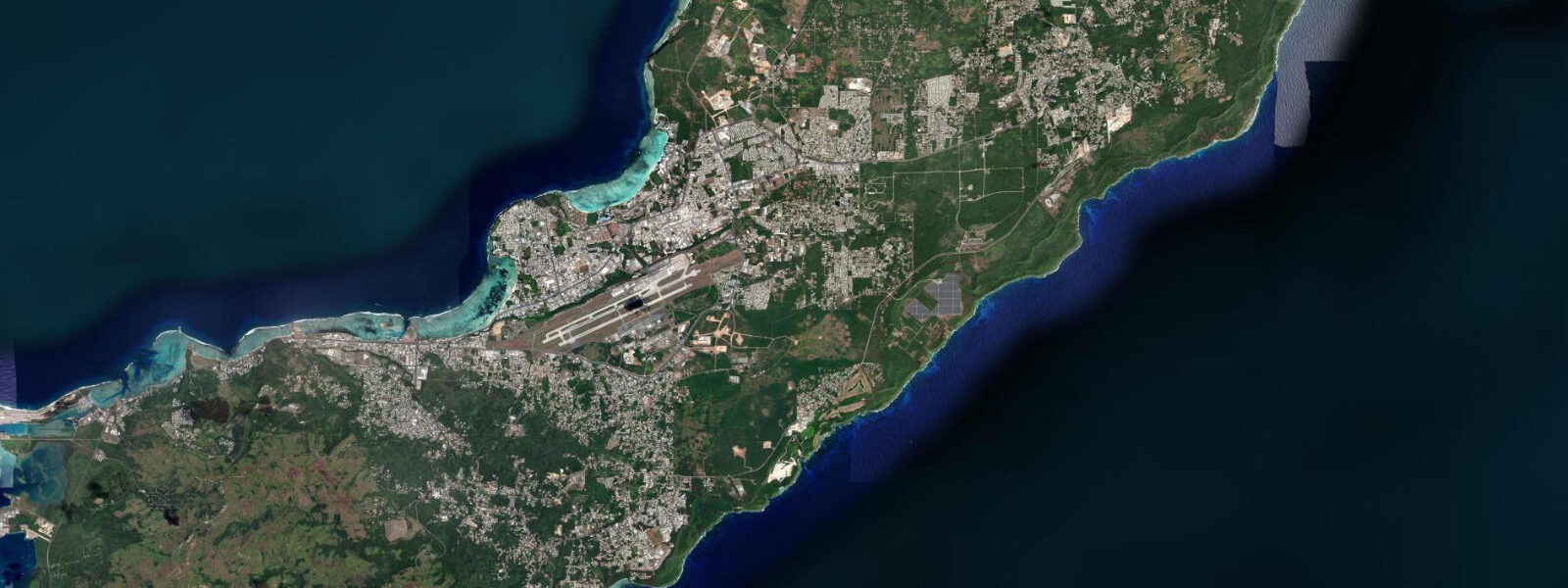
Pago Bay, Guam tide times
Pago Bay, Guam tide forecast — heights relative to MSL.
Today's tide times for Pago Bay, Guam
Tide times at Pago Bay, Guam on Tuesday, 4 August 2026: first high tide at 10:50am, first low tide at 04:50pm, second high tide at 11:18pm. Sunrise 06:06am, sunset 06:47pm.
Tide chart for Pago Bay, Guam
24-hour cosine-interpolated curve around the present moment. Heights relative to MSL. Predictions: Predictions: Open-Meteo Marine (MeteoFrance SMOC, 0.08° grid).
Sun, moon and conditions on Tue 04 Aug
Snapshot at build time — refreshes daily. Sea state from Open-Meteo Marine.
Highs and lows next 7 days
Every predicted high and low for the next week, with the daily tidal coefficient (0–120; higher = bigger swing, > 95 means stronger currents).
Other spots nearby
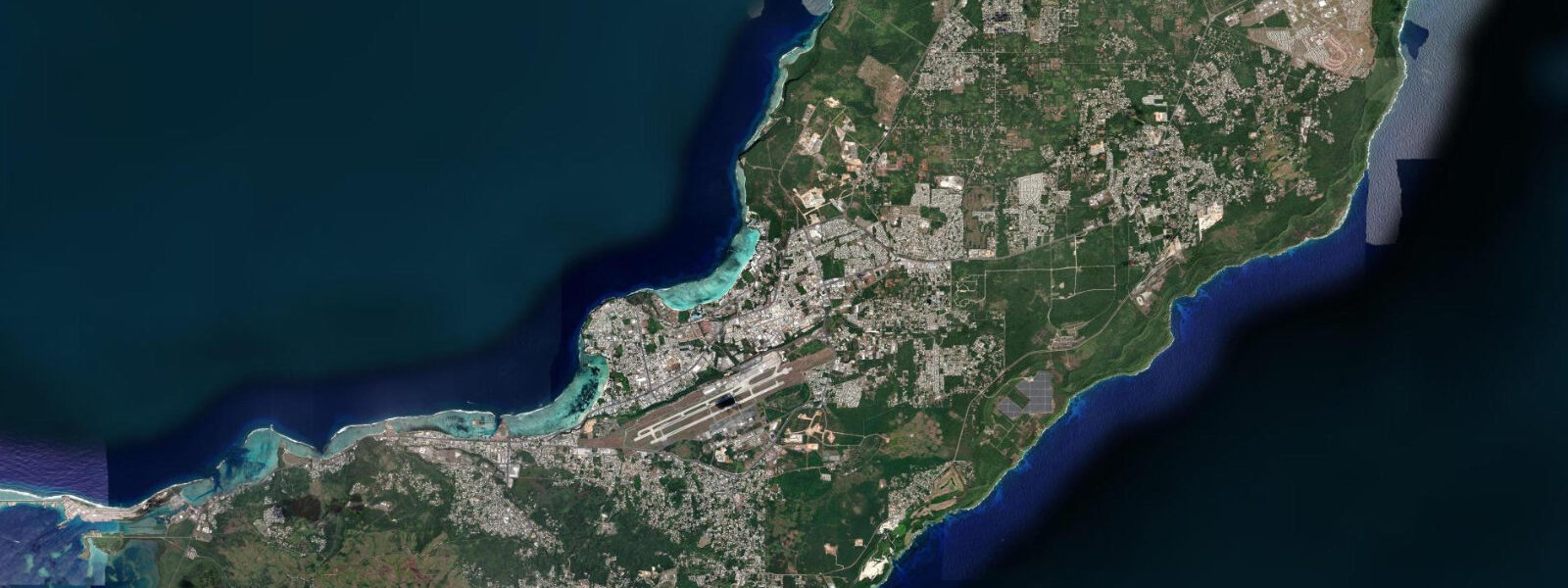
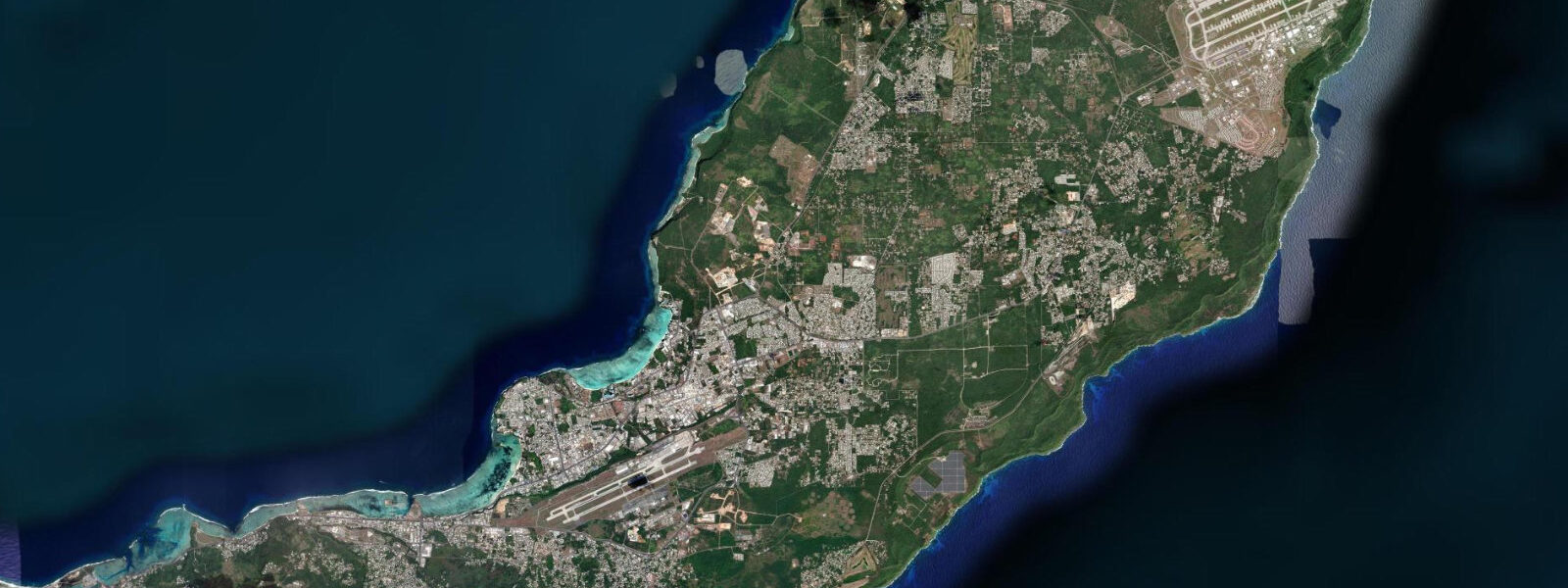
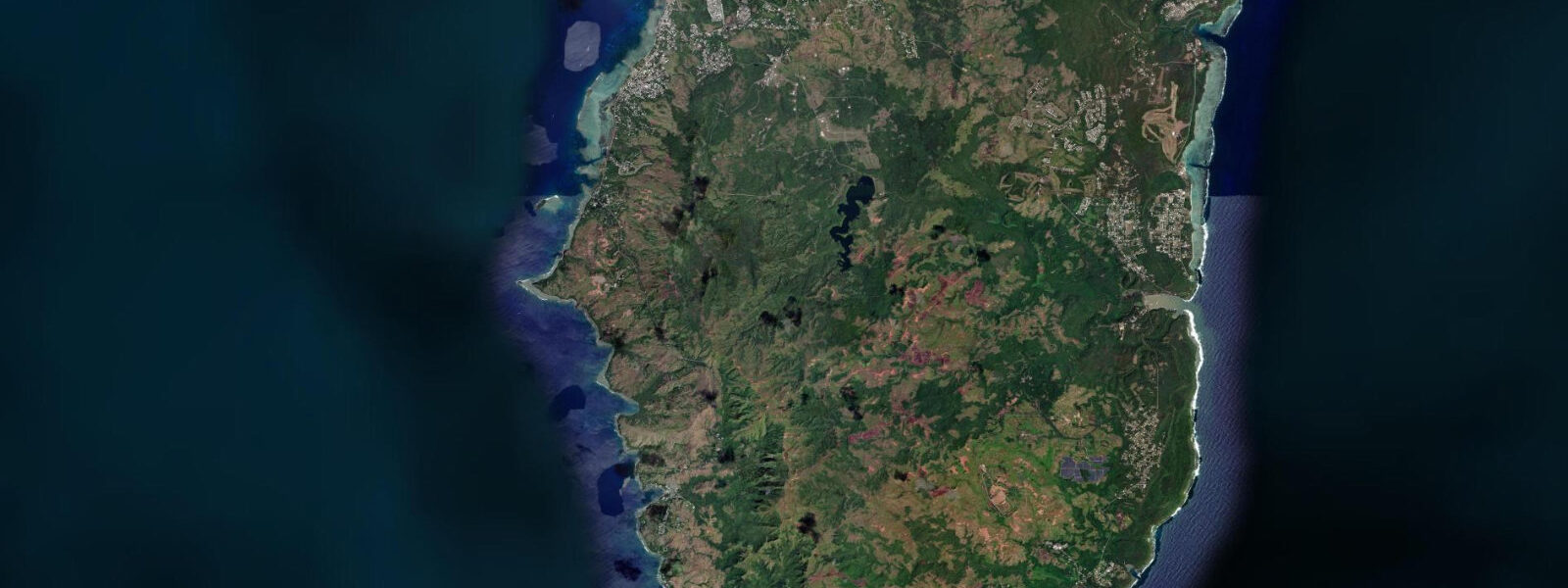
The three closest curated TideTurtle locations to Pago Bay, Guam, measured by great-circle distance.
Today's solunar windows
Solunar tradition: major periods are the ≈3h windows around moon transit and opposition; minor are ≈2h around moonrise and moonset. Pair with the local tide stage and wind for the best read.
Cycle dates near Pago Bay, Guam
Next spring tide on Mon 10 Aug (range 0.9m). Last neap on Tue 04 Aug. Next neap on Sun 09 Aug.
Spring tides cluster around new and full moons (biggest swings). Neap tides land on quarter moons (smallest swings). See the spring tide and neap tide glossary entries for the why.
About tides at Pago Bay, Guam
A short guide to the coastline at Pago Bay, Guam — geography, sea state, and what the tide is actually doing under your feet.
Pago Bay opens on Guam's east coast toward the Philippine Sea, facing northeast with direct exposure to the trade wind swell that wraps around the island's northern tip and arrives from the open Pacific. The bay is framed by steep basaltic and limestone headlands — the mixed volcanic and coral limestone geology of central Guam — and backed by the Talofofo River drainage, which runs south from the central plateau through jungle to reach the sea at the bay's southern end.
Talofofo Falls, 3 km up the river from the bay, is a multi-tiered waterfall accessible through the Talofofo Falls Park: a gondola lift from the parking area descends into the river valley, a water wheel marks the historical milling operation, and a swimming hole at the base of the falls is fed by the river year-round. The trail from the gondola terminus to the falls passes through the kind of jungle cover that hid Japanese soldier Shoichi Yokoi until his discovery in 1972 — 27 years after the war ended — in this same Talofofo River drainage. The discovery site is marked and interpreted in the park.
The Gef Pago Cultural Village sits on the ridge above the bay and reconstructs the pre-contact and early colonial Chamorro way of life: latte stone house foundations (the characteristic ancient Chamorro limestone support pillars), traditional weaving and pottery demonstrations, and a historical narrative of the Chamorro people's experience through the Spanish colonial period, the American administration, and the Japanese occupation. Gef Pago is an active community organisation, not a static museum, and the programme changes seasonally.
Sea turtle nesting occurs on the east coast beaches adjacent to Pago Bay — green and hawksbill turtles use the sandy sections of Talofofo Beach, primarily from May through October. The nesting is managed by the Guam Department of Agriculture Wildlife Division; nest markers are placed when nesting is confirmed and the marked areas should be kept clear.
The east coast exposure makes Pago Bay Guam's most consistent surf environment. Northeast trade swell arrives from November through April; December through February sees the largest consistent northeast swell. The Talofofo Beach section produces the most rideable break, best at mid to high tide. In the flat summer months (July through September), the bay is calm enough for paddleboarding and kayaking. The Talofofo River mouth changes character with the tide — at spring high, saltwater influence reaches several hundred metres upstream; at spring low, the river dominates the mouth and the estuarine fishing zone is most active. Guam's mixed semidiurnal tidal regime produces a spring range of 0.5 to 0.8 m here. Predictions on this page come from Open-Meteo Marine (gridded model, ±45 min / ±0.2–0.3 m). The Talofofo Falls Park gondola lift is one of the more practical ways to descend 120 m into the Talofofo River valley without the steep trail. The gondola operates on fixed hours (check the park schedule before visiting); the descent gives views into the jungle canopy and the river valley that the trail does not provide. The swimming hole at the base of the falls is fed by the river year-round, freshwater and cool. Pago Bay is the largest bay on Guam's east coast, sheltered by headlands on both the north and south sides. The Pago River empties into the bay and the estuary carries significant flow after heavy rain from the limestone plateau inland. The combined effect of river discharge and tidal movement creates a brackish zone in the inner bay that is highly productive for certain fish species, particularly juvenile stage fish that use estuarine habitat. Shore casting from the rock points on both sides of the bay mouth is a popular local activity; anglers typically fish the last two hours of the incoming tide when baitfish are concentrated at the river plume edge. The bay's outer section is exposed to the northeast trade swell and sees moderate wave action on most days; swimming is better on the south side of the bay where the headland provides lee. The reef extending south from the north headland is accessible by snorkel from the north beach access track; visibility is best in the early morning flood before river discharge and suspended sediment reduce clarity. Kayakers from Talofofo Bay to the south sometimes paddle around the southern headland into Pago Bay on the flood and return on the ebb.
Tide questions about Pago Bay, Guam
Quick answers to the most common questions about tide times, range, and water access at Pago Bay, Guam.
When is the next high tide at Pago Bay?
The hero block shows the next predicted high at Pago Bay in Chamorro Standard Time (ChST, UTC+10). Mixed semidiurnal, spring range 0.5 to 0.8 m. At spring high, saltwater influence extends several hundred metres up the Talofofo River; at spring low, the river dominates the mouth and the estuary fishing zone is most productive. The 7-day table covers all tidal extremes. Predictions from Open-Meteo Marine (gridded model, ±45 min / ±0.2–0.3 m). The Talofofo River estuary fishing zone is most active at the spring low when the tide exposes the river mouth bar; anglers from Guam target the estuarine species at this boundary at dawn.
What is the tidal range at Pago Bay?
Spring range runs 0.5 to 0.8 m; neap range about 0.2 to 0.4 m. The east coast exposure means swell conditions govern the bay character far more than the tidal height — a 1.5 m northeast swell changes the bay more than the 0.5 to 0.8 m tidal swing. The surf break at Talofofo Beach works at mid to high tide; the low water makes the break shallower and less consistent. The east coast swell exposure means the tidal state is secondary to swell height and direction for activity planning at Pago Bay; a 1.5 m northeast swell affects the bay more than the 0.5 to 0.8 m tidal swing.
Where do these predictions come from?
Open-Meteo Marine, a free gridded global ocean model, accuracy ±45 min / ±0.2–0.3 m. NOAA operates the Apra Harbor gauge (station 1630000) as the authoritative harmonic reference for Guam. The east coast (Pago Bay) timing offset from the western Apra Harbor is small but measurable; NOAA's CO-OPS portal provides the Guam prediction with the offset applied. NOAA's CO-OPS portal (tidesandcurrents.noaa.gov) provides the Apra Harbor prediction for Guam; the east coast offset is small and within the Open-Meteo accuracy margin. NOAA publishes tide predictions for Apra Harbor (station 1630000), the primary harmonic station for Guam; Pago Bay on the east coast carries a small port correction. The Guam Port Authority is the local maritime authority.
When is the surf season at Talofofo Beach?
Northeast trade swell reaches Talofofo and Pago Bay most consistently from November through April, when northeast trade winds are strongest and North Pacific storm swells track across the open Pacific. Peak surf is December through February with the largest consistent northeast groundswells. June through September is the flat-water period. Typhoon swells from August through October can produce larger but highly variable and disorganised conditions. The break at Talofofo Beach is most consistent from 0.8 to 1.5 m northeast swell; above 2 m the break closes out.
Is this safe to use for navigation?
No. TideTurtle is a planning tool. Pago Bay's east coast exposure, the reef margins on both headlands, and the Talofofo River mouth bar require proper chart navigation in vessel operations. For authoritative depths and reef hazards, use NOAA chart 81048 (Guam) and the NOAA nautical chart portal. NOAA chart 81048 covers Pago Bay and the east Guam coast; the reef margins on the Pago Bay headlands are the main vessel hazard in approach conditions. For navigation in Guam waters, use NOAA tide tables for Apra Harbor with the Pago Bay port correction applied. NOAA COOPS publishes harmonic predictions for navigation use; TideTurtle presents planning-grade Open-Meteo Marine data only.
8-day tide table — Pago Bay, Guam
Heights relative to MSL. Predictions: Open-Meteo Marine (MeteoFrance SMOC, 0.08° grid) — heights relative to MSL (not chart datum / LAT). Model-derived.
| Day | Type | Time | Height |
|---|---|---|---|
| Tue 04 Aug | High | 10:50 | 0.8m |
| Low | 16:50 | 0.5m | |
| High | 23:18 | 1.0m | |
| Wed 05 Aug | Low | 06:00 | 0.4m |
| High | 23:42 | 1.0m | |
| Thu 06 Aug | Low | 07:00 | 0.4m |
| High | 14:06 | 0.8m | |
| Low | 18:10 | 0.7m | |
| Fri 07 Aug | High | 00:15 | 1.0m |
| Low | 07:54 | 0.3m | |
| High | 15:50 | 0.9m | |
| Low | 19:50 | 0.8m | |
| Sat 08 Aug | High | 00:54 | 1.0m |
| Low | 09:00 | 0.2m | |
| Sun 09 Aug | High | 01:42 | 1.0m |
| Low | 09:55 | 0.2m | |
| High | 18:00 | 1.0m | |
| Low | 22:10 | 0.9m | |
| Mon 10 Aug | High | 03:00 | 1.1m |
| Low | 11:00 | 0.1m | |
| High | 19:00 | 1.0m | |
| Low | 23:10 | 0.9m | |
| Tue 11 Aug | High | 03:54 | 1.1m |
| Low | 09:00 | 0.4m |