Trois-Rivières tide times
Trois-Rivières tide forecast — heights relative to MSL.
Today's tide times for Trois-Rivières
Tide times at Trois-Rivières on Tuesday, 4 August 2026: first low tide at 12:00pm. Sunrise 05:48am, sunset 06:36pm.
Tide chart for Trois-Rivières
24-hour cosine-interpolated curve around the present moment. Heights relative to MSL. Predictions: Predictions: Open-Meteo Marine (MeteoFrance SMOC, 0.08° grid).
Sun, moon and conditions on Tue 04 Aug
Snapshot at build time — refreshes daily. Sea state from Open-Meteo Marine.
Highs and lows next 7 days
Every predicted high and low for the next week, with the daily tidal coefficient (0–120; higher = bigger swing, > 95 means stronger currents).
Other spots nearby
The three closest curated TideTurtle locations to Trois-Rivières, measured by great-circle distance.
Today's solunar windows
Solunar tradition: major periods are the ≈3h windows around moon transit and opposition; minor are ≈2h around moonrise and moonset. Pair with the local tide stage and wind for the best read.
About tides at Trois-Rivières
A short guide to the coastline at Trois-Rivières — geography, sea state, and what the tide is actually doing under your feet.
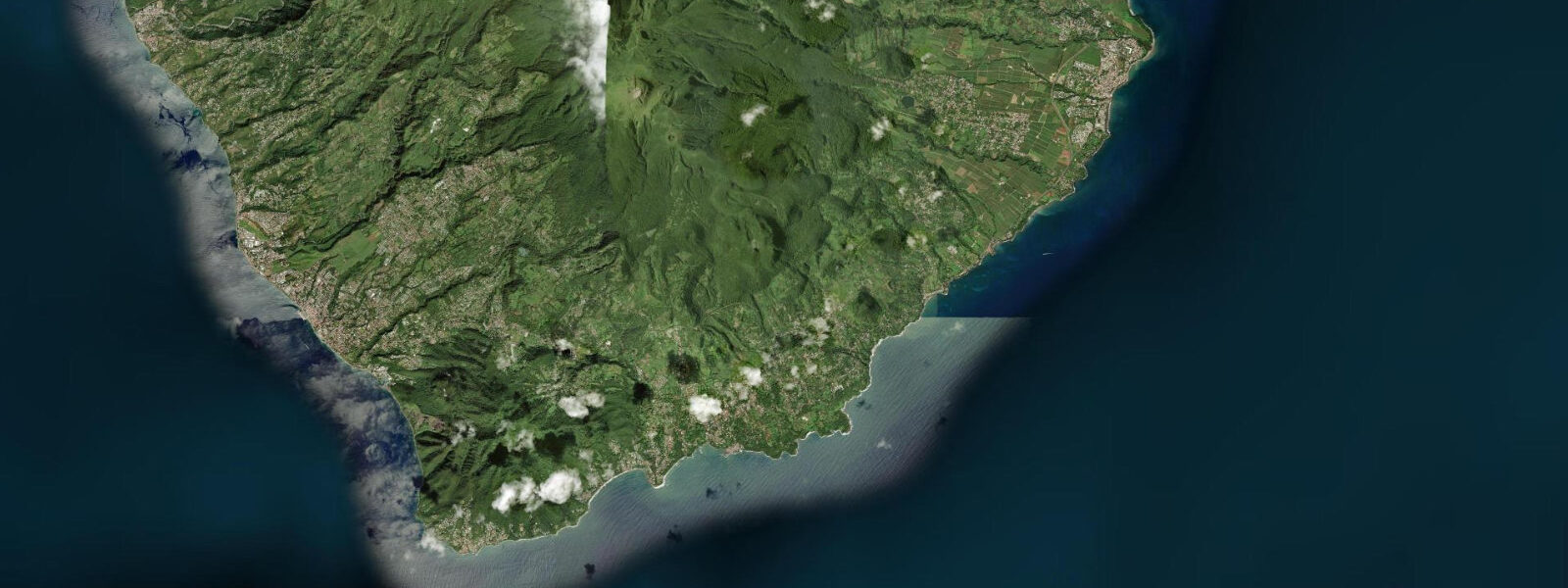
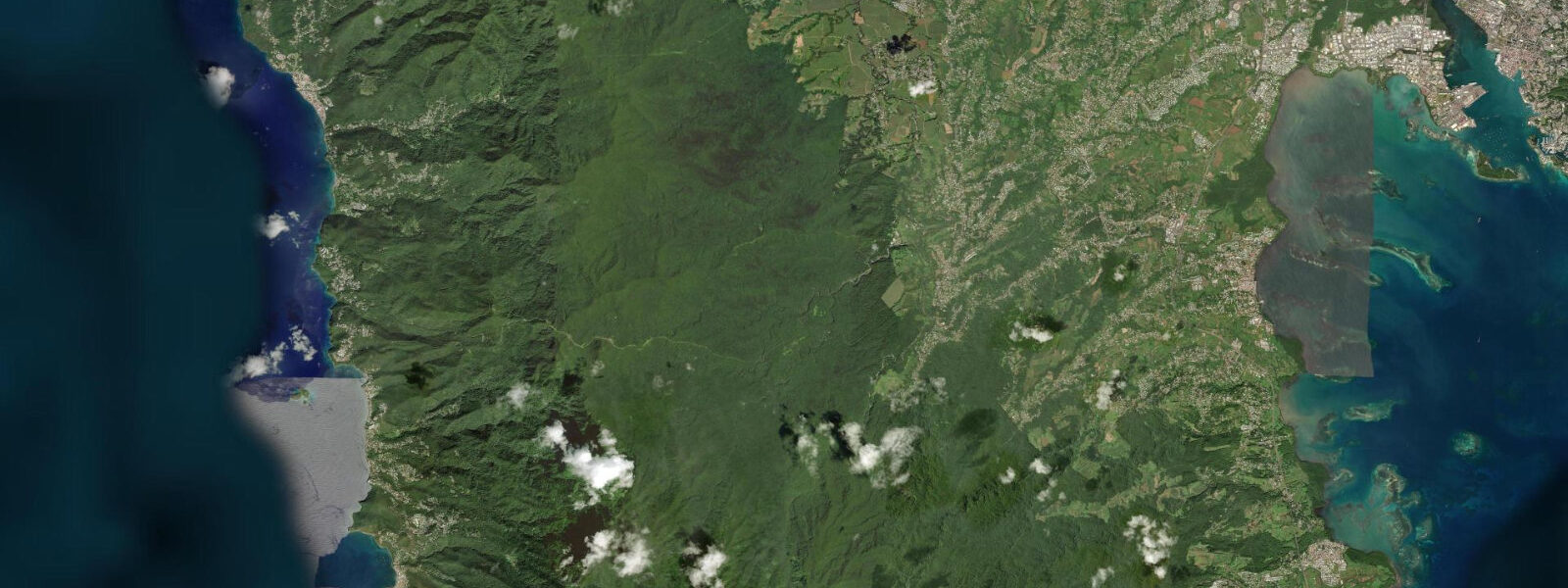
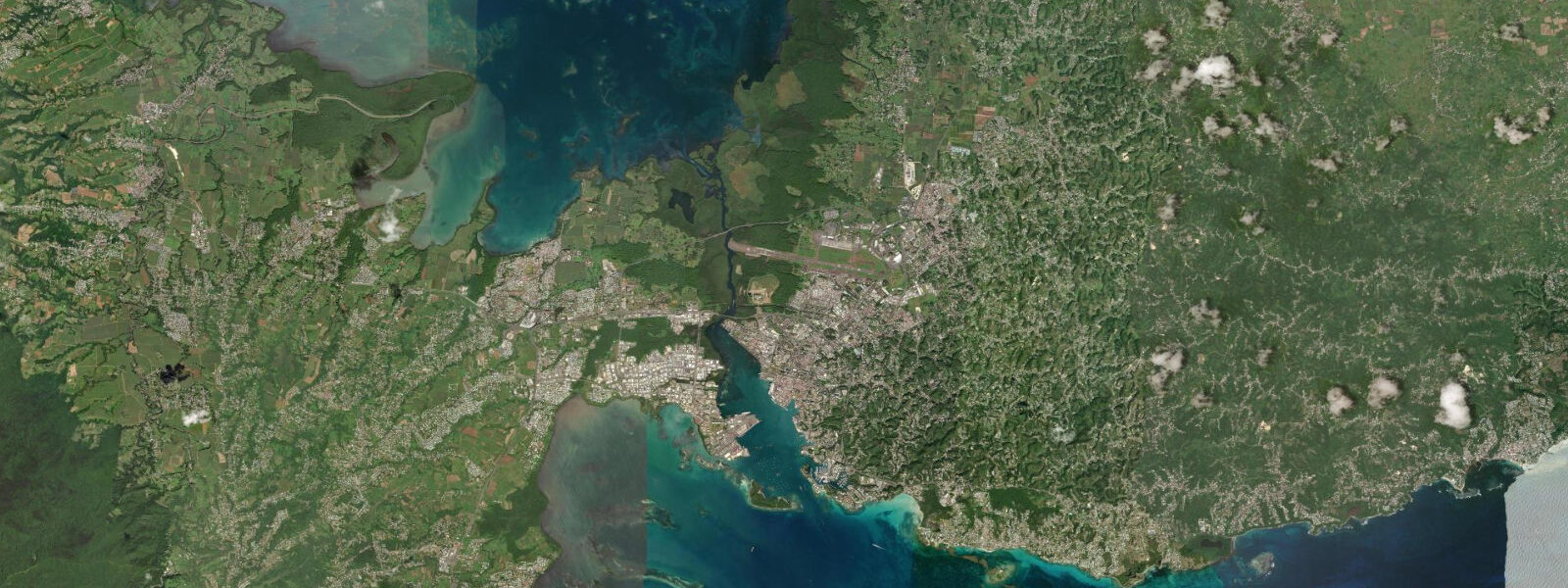
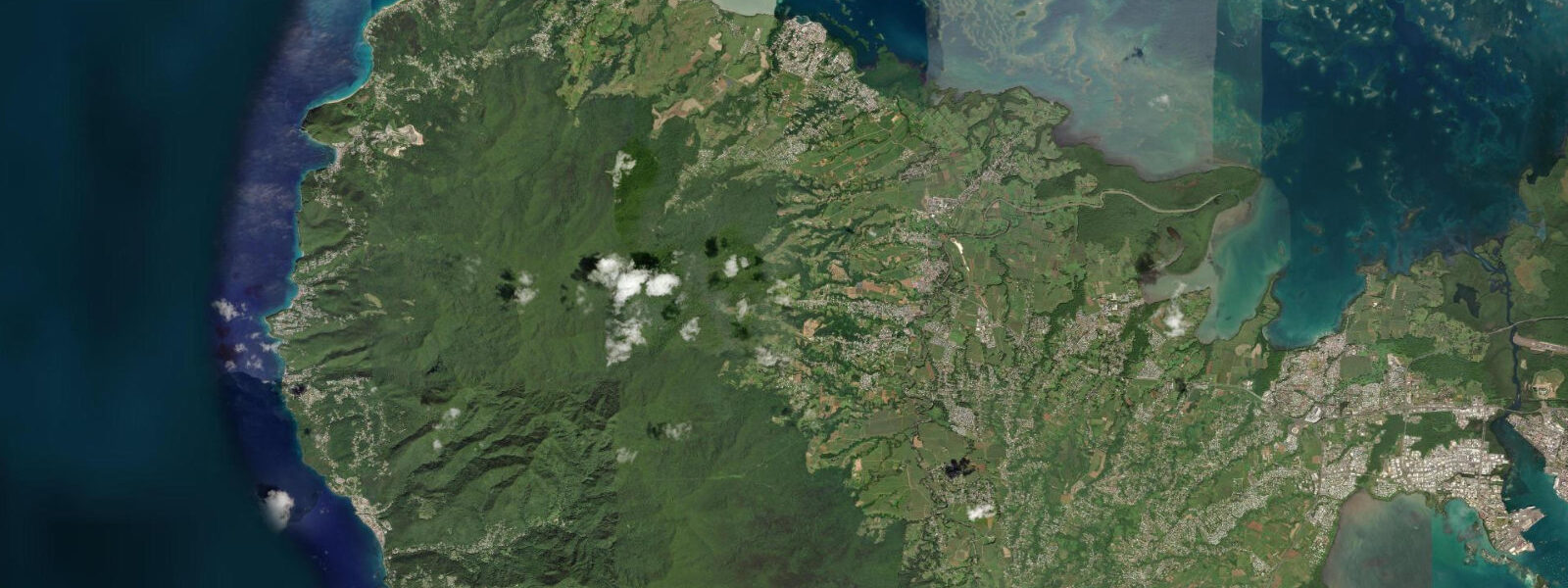
Trois-Rivières is on the south coast of Basse-Terre, the last significant settlement before the island's southern tip and the ferry departure point for both Marie-Galante (25 km to the south) and Les Saintes — Terre-de-Haut and Terre-de-Bas (15 km to the SW). The coast here is volcanic: grey and black sand beaches backed by sea-grape trees and rocky headlands where lava flows reached the water and hardened into the angular platforms that define the southern Basse-Terre shoreline. The ferry pier is the operational centre of the town's coastal activity; the parking area, ticket offices, and passenger waiting area sit at the waterfront, with the small town centre a few hundred metres inland.
The channel between Basse-Terre's southern tip and Les Saintes — the Passe du Pain de Sucre — is exposed to the residual Atlantic swell that wraps around the southern end of Guadeloupe from the windward side. When the trade wind runs above 20 knots and ocean swell exceeds 1.5 m, the crossing to Les Saintes becomes rough; the ferry operators (Jeans for Freedom and others) monitor conditions and may cancel morning departures or wait for the afternoon lull. The tide does not govern ferry departure decisions at Trois-Rivières — the channel has adequate depth at all tidal states — but weather and sea state do.
The Parc Archéologique des Roches Gravées (Roche Gravée Archaeological Park), 2 km from the ferry pier along a signposted road, holds the most significant collection of pre-Columbian Amerindian petroglyphs (rock engravings) in Guadeloupe. The engravings were made by the Arawak people of the Lesser Antilles, ancestors of the communities that inhabited the island before European contact. The carvings are on basalt boulders in a forested setting; figures include human faces, animal shapes, and abstract geometric forms. The park is shaded and accessible; the walk between the carved boulders takes 30–45 minutes at a calm pace. No coastal timing is relevant to the park visit; it opens during standard park hours (08:30–17:30).
Shore fishing from the rocky points around the Trois-Rivières ferry pier is productive in the early morning before the ferry traffic begins. The volcanic rock ledges drop to 3–6 m within 20 m of the platform edge; the swell action that makes the headland dramatic also oxygenates the water and concentrates bait fish in the current shadow behind the rocks. Vivaneau (snapper) and carangue (jack) are the primary targets on incoming tide at dawn. The pier itself is off-limits for fishing during active ferry operations.
Swimming beaches near Trois-Rivières are limited by the rocky volcanic coastline. The small beach at the base of the ferry pier area has coarse grey volcanic sand and calmer water than the exposed headlands, but it is a functional rather than destination beach. The nearest quality swimming beach is roughly 5 km east along the south Basse-Terre coast toward Capesterre-Belle-Eau, where the coastline becomes slightly more sheltered.
The spring tidal range at Trois-Rivières is 0.3–0.4 m, the standard mixed semidiurnal microtidal regime for the southern Guadeloupe coast. The small range does not significantly affect the ferry pier depth — the pier and approach channel maintain adequate draft for the passenger catamarans at all tidal states. For anglers, the incoming tide is the relevant variable for positioning and feeding behaviour, as described above.
Les Saintes visible from Trois-Rivières on clear days form a distinctive silhouette: the cluster of small volcanic islands with the sugarloaf profile of Chameau Hill (309 m) on Terre-de-Haut rising above the others. The crossing by ferry takes 20–30 minutes; the islands are tidal-regime equivalent to Basse-Terre but even smaller in scale — spring range around 0.3 m, with the bay at Terre-de-Haut (Bourg des Saintes) providing excellent anchorage for visiting yachts. The Saintes are worth a day trip from Trois-Rivières for their food, the colonial-era Fort Napoléon, and the clarity of the water around the outer headlands.
Tide data for Trois-Rivières comes from the Open-Meteo Marine API, a gridded global ocean model. Timing accuracy is ±45 minutes, height accuracy ±0.2–0.3 m. SHOM secondary corrections for the south Basse-Terre coast are applied from the Pointe-à-Pitre reference station.
Tide questions about Trois-Rivières
Quick answers to the most common questions about tide times, range, and water access at Trois-Rivières.
How do I get to Les Saintes from Trois-Rivières, and does the tide affect the ferry?
Ferry services to Les Saintes (Terre-de-Haut) depart from the Trois-Rivières ferry pier. The crossing to Bourg des Saintes takes 20–30 minutes depending on the vessel and sea state. Operators include Jeans for Freedom and CTM Deher; schedules are published on operator websites and posted at the pier ticket office. The pier has adequate depth for the passenger catamarans at all tidal states — the 0.3–0.4 m spring range at Trois-Rivières is too small to affect pier depth. The crossing is weather-sensitive rather than tide-sensitive: in swell above 1.5 m or trade wind above 20 knots, the Passe du Pain de Sucre channel becomes rough and operators may delay or cancel. Check the morning of travel; the 07:00 or 08:00 departure is the first to be confirmed for conditions.
What are the Roches Gravées petroglyphs, and how do I visit them?
The Parc Archéologique des Roches Gravées (Petroglyphs Archaeological Park) is 2 km from the Trois-Rivières ferry pier, reached by a signposted road through the banana and sugarcane fields above town. The park preserves pre-Columbian rock engravings carved by Arawak (Taino) people into basalt boulders, likely between 300 and 1,000 CE. The carvings include human-face representations with prominent eyes, animal figures, and geometric designs. The boulders are set in a forested archaeological zone; interpretive signs explain the cultural context in French and English. The walk through the park takes 30–45 minutes. The park is shaded and remains reasonably cool even in dry-season heat. Entrance fee applies; the park office at the entrance gate is open 08:30–17:30 most days. No coastal timing or tide information is relevant to the visit.
Is there shore fishing access near the Trois-Rivières ferry pier?
The rocky volcanic headlands on either side of the Trois-Rivières ferry pier give productive shore fishing access in the early morning. The platform rock drops directly to 3–6 m at the headland base; the current shadow behind the rocks concentrates bait fish and the snapper and jack that follow them. Dawn fishing on an incoming tide — typically 05:30–08:00 before ferry operations begin — is the practical window. The pier itself becomes off-limits to fishing when the ferry is boarding and departing; check the morning's ferry schedule (posted at the pier) before setting up. The south Basse-Terre coast in both directions from Trois-Rivières has additional rock ledge access; a short drive east toward Capesterre-Belle-Eau opens more fishing positions.
What is the sea state like in the channel between Basse-Terre and Les Saintes?
The Passe du Pain de Sucre between Basse-Terre's southern tip and Les Saintes is a 15 km channel open to residual Atlantic swell wrapping around the south end of Guadeloupe. In standard trade-wind conditions of 10–15 knots ENE, the crossing produces a 0.5–1.0 m following or beam swell that the ferry handles comfortably. When the trade wind strengthens above 20 knots — common in December and January — or when a passing Atlantic weather system raises swell to 1.5–2.0 m, the crossing becomes uncomfortable and operators delay until conditions moderate. For private boaters planning the crossing, Météo-France marine forecasts for the Guadeloupe sub-region are updated twice daily; the forecast for 'mer autour de la Guadeloupe' covers the passage conditions. Add 30 minutes of buffer for sea state deterioration after the forecast window.
Can I visit both Les Saintes and the petroglyphs from Trois-Rivières in one day?
A day trip combining Les Saintes and the Roches Gravées park from Trois-Rivières is feasible with an early start. Take the first ferry to Terre-de-Haut — typically 08:00 or 08:30 — and spend 3–4 hours on the island: the village, Fort Napoléon (1 hour), and a swim at Plage de Pompierre (30-minute walk from the ferry pier). Return on a 13:00 or 14:00 ferry back to Trois-Rivières, arriving by 14:30. The Roches Gravées park is 15 minutes by car from the pier; 90 minutes at the park gives a full visit with time to read the interpretive panels. The park closes at 17:30, which allows sufficient buffer. Total: an active full day with two separate destinations. Bring water, lunch (food options on Terre-de-Haut are good but pricey), and sunscreen for the open Les Saintes beach sections.
7-day tide table — Trois-Rivières
Heights relative to MSL. Predictions: Open-Meteo Marine (MeteoFrance SMOC, 0.08° grid) — heights relative to MSL (not chart datum / LAT). Model-derived.
| Day | Type | Time | Height |
|---|---|---|---|
| Tue 04 Aug | Low | 12:00 | 0.2m |
| Wed 05 Aug | — | ||
| Thu 06 Aug | — | ||
| Fri 07 Aug | — | ||
| Sat 08 Aug | High | 22:00 | 0.4m |
| Sun 09 Aug | Low | 07:15 | 0.0m |
| High | 23:00 | 0.4m | |
| Mon 10 Aug | Low | 08:10 | 0.0m |
| High | 19:00 | 0.3m | |