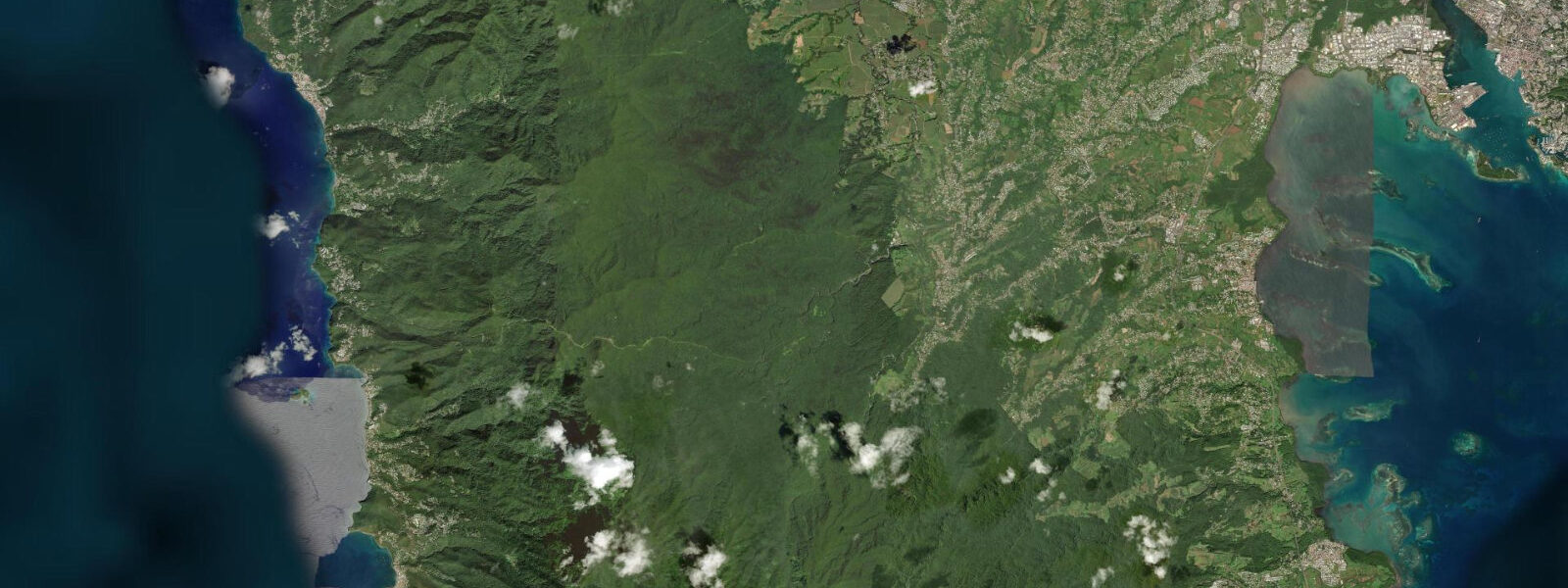
Pigeon Island tide times
Pigeon Island tide forecast — heights relative to MSL.
Tide chart for Pigeon Island
24-hour cosine-interpolated curve around the present moment. Heights relative to MSL. Predictions: Predictions: Open-Meteo Marine (MeteoFrance SMOC, 0.08° grid).
Sun, moon and conditions on Tue 04 Aug
Snapshot at build time — refreshes daily. Sea state from Open-Meteo Marine.
Highs and lows next 7 days
Every predicted high and low for the next week, with the daily tidal coefficient (0–120; higher = bigger swing, > 95 means stronger currents).
Other spots nearby
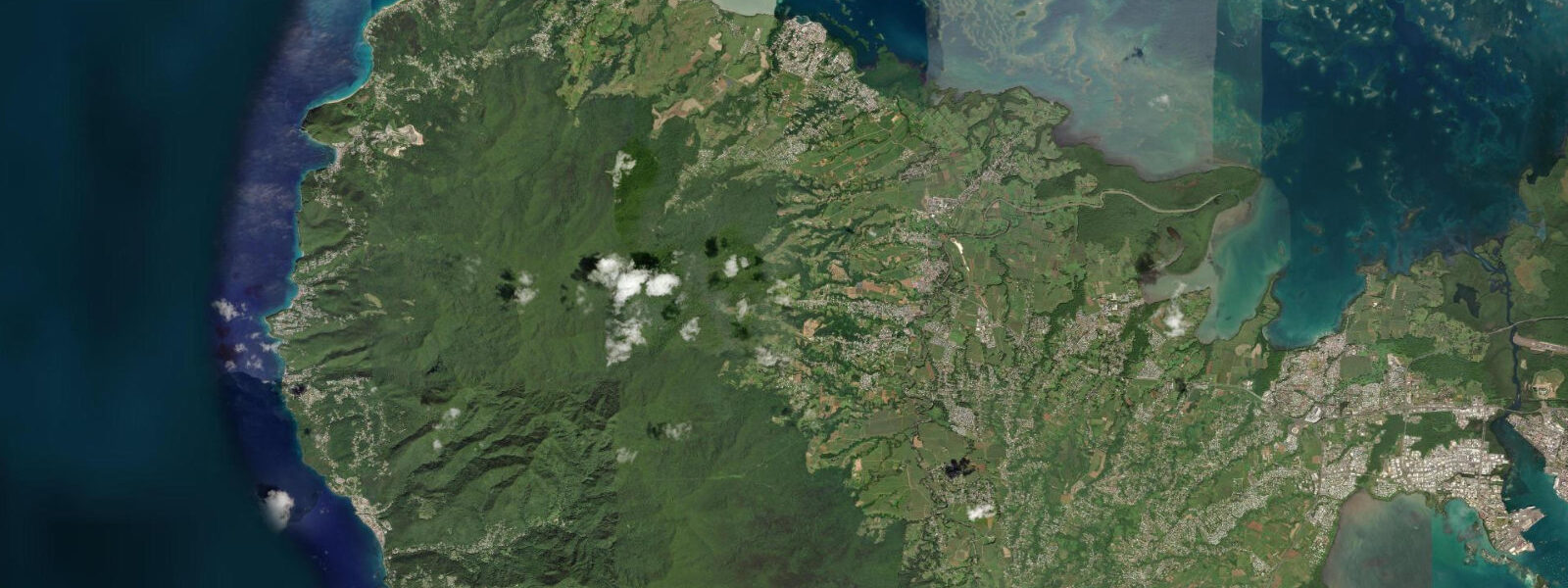
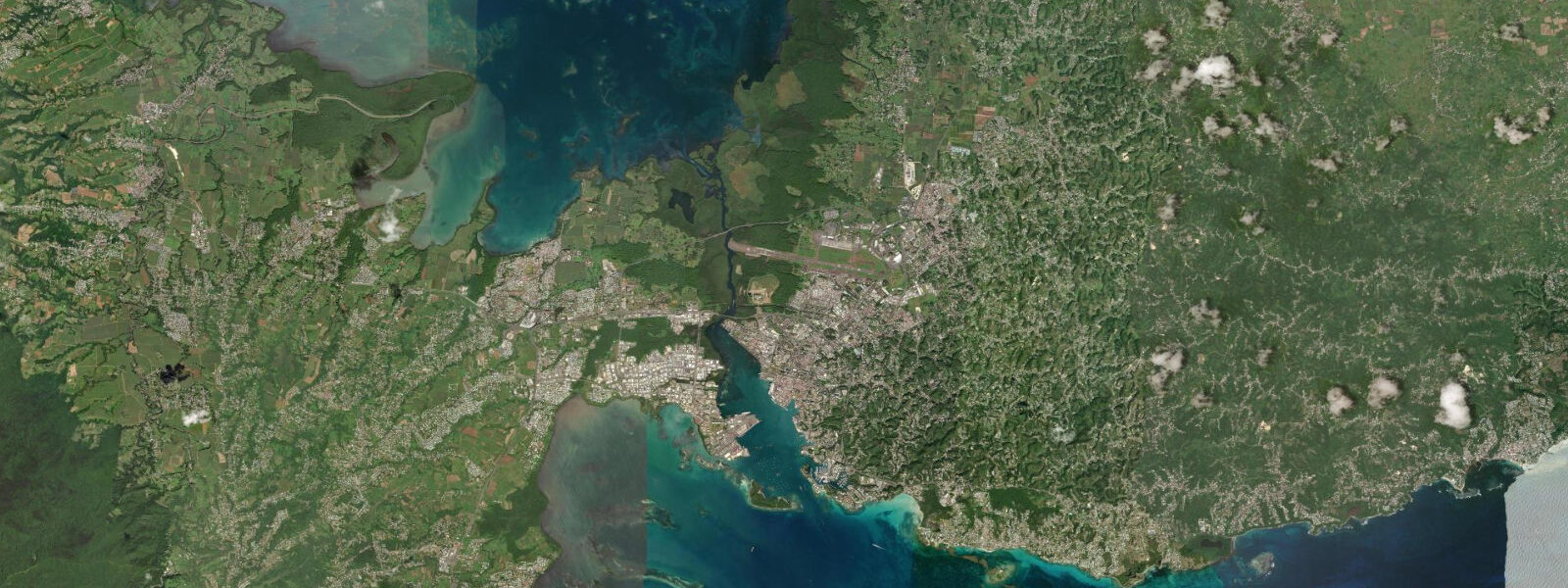
The three closest curated TideTurtle locations to Pigeon Island, measured by great-circle distance.
Today's solunar windows
Solunar tradition: major periods are the ≈3h windows around moon transit and opposition; minor are ≈2h around moonrise and moonset. Pair with the local tide stage and wind for the best read.
About tides at Pigeon Island
A short guide to the coastline at Pigeon Island — geography, sea state, and what the tide is actually doing under your feet.
Îlet Pigeon — Pigeon Island — is a small uninhabited island 400 m off the Malendure coast of central Basse-Terre, famous as the dive site that Jacques Cousteau identified as one of the finest in the Caribbean. The waters surrounding the islet were designated the Réserve Cousteau (officially the Réserve Naturelle Marine de la Guadeloupe) in 1992, covering 0.5 km² of reef and water column around the islet. Diving the reserve is the primary reason most visitors come to the Malendure area.
The dive sites around Pigeon Island are varied in depth and character. Les Jardins de Corail (The Coral Gardens) on the islet's sheltered eastern side has brain coral, sea fans, and reef fish from 5 to 20 m — accessible to Open Water certified divers. The Aquarium site, on the northeast of the islet, has the highest fish density in the reserve and is popular for both divers and snorkellers with a guided boat. La Soufrière wall on the western side of the islet is a wall dive dropping to 30+ m; the wall is covered in black coral and deep-water gorgonians and is more appropriate for Advanced Open Water divers or above. Visibility throughout the reserve is typically 20–30 m — among the clearest in the Eastern Caribbean, a function of the clean deep water from Basse-Terre's volcanic western coast and minimal river sediment at this section of the coast.
Tidal range at the reserve is 0.3–0.4 m spring. This is small enough that dive depths are not meaningfully affected by the tidal cycle. Dive planning is by site and certification level, not by tide state. Tidal current at the reserve is present but modest — 0.3–0.5 knots on the exposed western wall on spring tides, negligible in the protected eastern garden. Drift diving along the wall is possible on mid-tide springs but the current is not strong enough to require a surface marker buoy as standard; ask your dive operator for that day's conditions before descent.
Dive operators run from Malendure Beach on the mainland, directly across the 400 m channel from the islet. Boats make multiple departures daily; morning trips (08:00, 10:00) are standard and the early morning light is best for underwater photography on the eastern sites. A two-tank morning dive is the typical format: 45–55 minutes each, surface interval on the boat between dives. Solo diving in the reserve is prohibited; all dives must be with a registered operator.
Malendure Beach itself is black volcanic sand — typical of Basse-Terre's Leeward coast. The beach has a cluster of dive shops, a snack bar, and parking. The black sand retains heat on sunny afternoons; the beach is functional rather than aesthetically dramatic compared to the white-sand beaches of Grande-Terre. The value of Malendure is the dive access, not the beach.
Snorkelling directly from Malendure Beach crosses the 400 m channel to the islet — this is not recommended without a boat. The channel has surface boat traffic from dive operators. Joining a guided snorkel boat from Malendure to the Aquarium site or the eastern garden is the safe and more productive option; the operators run snorkel-specific trips alongside the dive departures. Water temperature in the reserve is 26–29°C year-round; a 3 mm shortie wetsuit is comfortable for most people on multiple dives, though locals typically dive without a suit.
The Guadeloupe National Park surrounds the reserve on the land side; trails from Malendure lead into the forested hills of Basse-Terre. The Trace des Crêtes ridge trail offers views west across the Caribbean from the heights above the coast; the trailhead is accessible from the Malendure area by car. The hiking and the diving can be combined in a day from Basse-Terre, though the physical demands of both together are considerable.
Tide data for Pigeon Island comes from the Open-Meteo Marine API, a gridded global ocean model. Timing accuracy is ±45 minutes, height accuracy ±0.2–0.3 m. SHOM secondary corrections for the Malendure area are applied from the Pointe-à-Pitre reference station. For dive planning beyond tidal state — visibility conditions, current, and site access — contact dive operators at Malendure directly on the morning of your planned dive.
Tide questions about Pigeon Island
Quick answers to the most common questions about tide times, range, and water access at Pigeon Island.
What certification do I need to dive the Réserve Cousteau at Pigeon Island?
The Réserve Cousteau has dive sites across a range of certification requirements. Les Jardins de Corail on the eastern side of the islet, in 5–20 m of water, is suitable for Open Water (PADI, SSI, CMAS) or equivalent certification. The Aquarium site on the northeast is similarly accessible and is also used for guided snorkel trips from the surface. La Soufrière wall on the western side drops to 30+ m and is appropriate for Advanced Open Water certification or above; operators may require a minimum logged dive count (typically 20+ dives) for this site. Technical dives (decompression, mixed gas) are conducted at the deepest sections of the western wall by technical divers with appropriate qualification. All diving in the reserve must be with a registered Malendure operator; solo and independent diving is not permitted within the reserve boundaries.
What is the underwater visibility at Pigeon Island, and does the season affect it?
Visibility in the Réserve Cousteau is typically 20–30 m, which places it among the clearest dive sites in the Lesser Antilles. The clean visibility is a function of the volcanic western Basse-Terre coast: the rivers in this area are short and steep, carrying limited sediment load to the coast, and the deep water approaches of the Caribbean side bring clear oceanic water close to shore. There is a modest seasonal variation: the February–June dry season produces the most consistent high-visibility conditions. Heavy rainfall during the September–October peak of the rainy season can briefly reduce visibility to 12–18 m following significant runoff events, but the effect is shorter-lived here than on the inner lagoon sites. Dive operators at Malendure have real-time visibility information on the morning of your dive.
Can I snorkel at Pigeon Island without a scuba certification?
Snorkelling at the Réserve Cousteau is available without any diving certification. The Aquarium site and the eastern coral garden are the standard snorkel destinations; the water above the coral in 5–10 m is accessible from the surface with mask, snorkel, and fins. Guided snorkel boat trips depart from Malendure Beach alongside the scuba departures; joining a snorkel-specific trip is the correct approach rather than attempting to swim the 400 m channel from the beach (boat traffic in the channel makes independent swimming inadvisable). The snorkel trips typically run 60–90 minutes at the site. Fish density at the Aquarium site is high and visible from the surface; French angelfish, parrotfish, sergeant majors, and snapper are reliably present. No buoyancy experience is required for snorkelling; a life vest or wetsuit for buoyancy assistance is available from the operators.
Does the tide or current affect diving conditions at Pigeon Island?
Tidal range at Pigeon Island is 0.3–0.4 m — small enough that dive depths are not affected. Current at the reserve is generally modest: the protected eastern sites (Les Jardins de Corail, Aquarium) typically have under 0.3 knots of current throughout the tidal cycle. The western wall (La Soufrière) sees up to 0.5 knots on spring mid-tides, which creates comfortable drift diving along the wall rather than strenuous fighting against the current. The operators at Malendure monitor current conditions daily and advise on the best entry point for wall dives based on the day's tidal phase. Significant current disruption to the eastern sites is rare and typically associated with strong trade-wind conditions rather than tidal state.
Is there good hiking near Malendure Beach for non-divers?
Malendure is on the western coast of Basse-Terre, at the edge of the Parc National de la Guadeloupe. The national park's trail network starts from the coastal road and climbs into the forested interior. The Trace des Crêtes — a ridge trail running north-south along the backbone of Basse-Terre — is accessible from several trailheads within 15 minutes' drive of Malendure. The Chutes du Carbet, Guadeloupe's most visited waterfall system (three tiers, the highest dropping 115 m), are approximately 25 km south by road and can be combined with a Malendure morning. The Volcan de la Soufrière summit (1,467 m) is the ultimate Basse-Terre hike: 2–3 hours from the Savane à Mulets car park to the summit crater rim, an active and monitored volcanic summit. Check OVSG-IPGP (the Guadeloupe volcano observatory) for current access status before attempting the summit trail — the volcano is actively monitored and access is sometimes restricted during periods of increased activity.
7-day tide table — Pigeon Island
Heights relative to MSL. Predictions: Open-Meteo Marine (MeteoFrance SMOC, 0.08° grid) — heights relative to MSL (not chart datum / LAT). Model-derived.
| Day | Type | Time | Height |
|---|---|---|---|
| Tue 04 Aug | — | ||
| Wed 05 Aug | Low | 02:00 | 0.2m |
| Thu 06 Aug | — | ||
| Fri 07 Aug | — | ||
| Sat 08 Aug | — | ||
| Sun 09 Aug | High | 22:50 | 0.4m |
| Mon 10 Aug | Low | 08:10 | 0.0m |
| High | 19:00 | 0.3m | |