Deshaies tide times
Deshaies tide forecast — heights relative to MSL.
Tide chart for Deshaies
24-hour cosine-interpolated curve around the present moment. Heights relative to MSL. Predictions: Predictions: Open-Meteo Marine (MeteoFrance SMOC, 0.08° grid).
Sun, moon and conditions on Tue 04 Aug
Snapshot at build time — refreshes daily. Sea state from Open-Meteo Marine.
Highs and lows next 7 days
Every predicted high and low for the next week, with the daily tidal coefficient (0–120; higher = bigger swing, > 95 means stronger currents).
Other spots nearby
The three closest curated TideTurtle locations to Deshaies, measured by great-circle distance.
Today's solunar windows
Solunar tradition: major periods are the ≈3h windows around moon transit and opposition; minor are ≈2h around moonrise and moonset. Pair with the local tide stage and wind for the best read.
About tides at Deshaies
A short guide to the coastline at Deshaies — geography, sea state, and what the tide is actually doing under your feet.
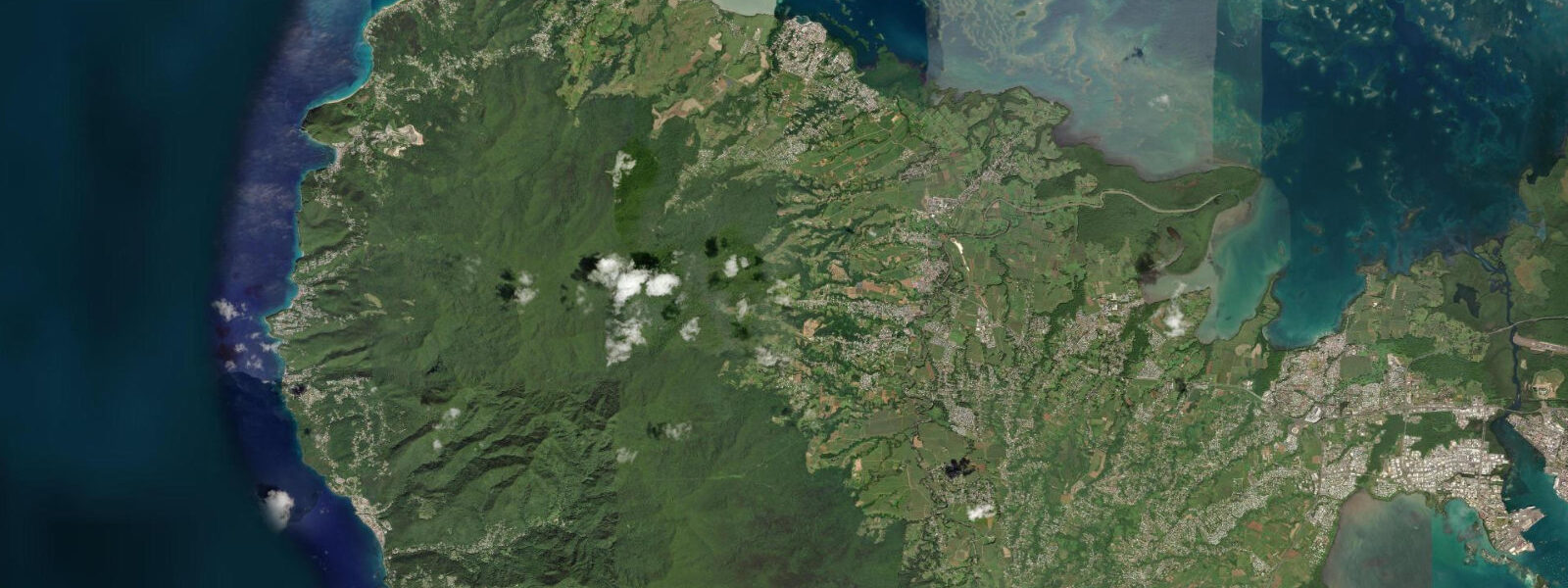
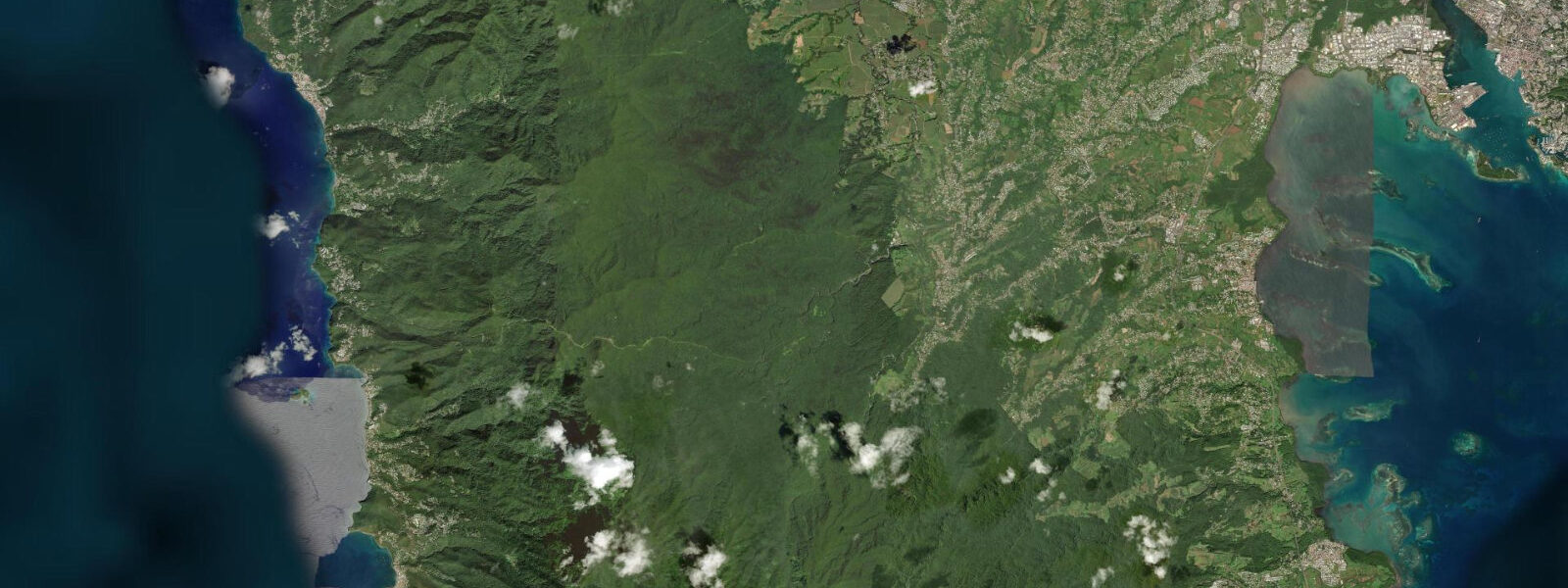
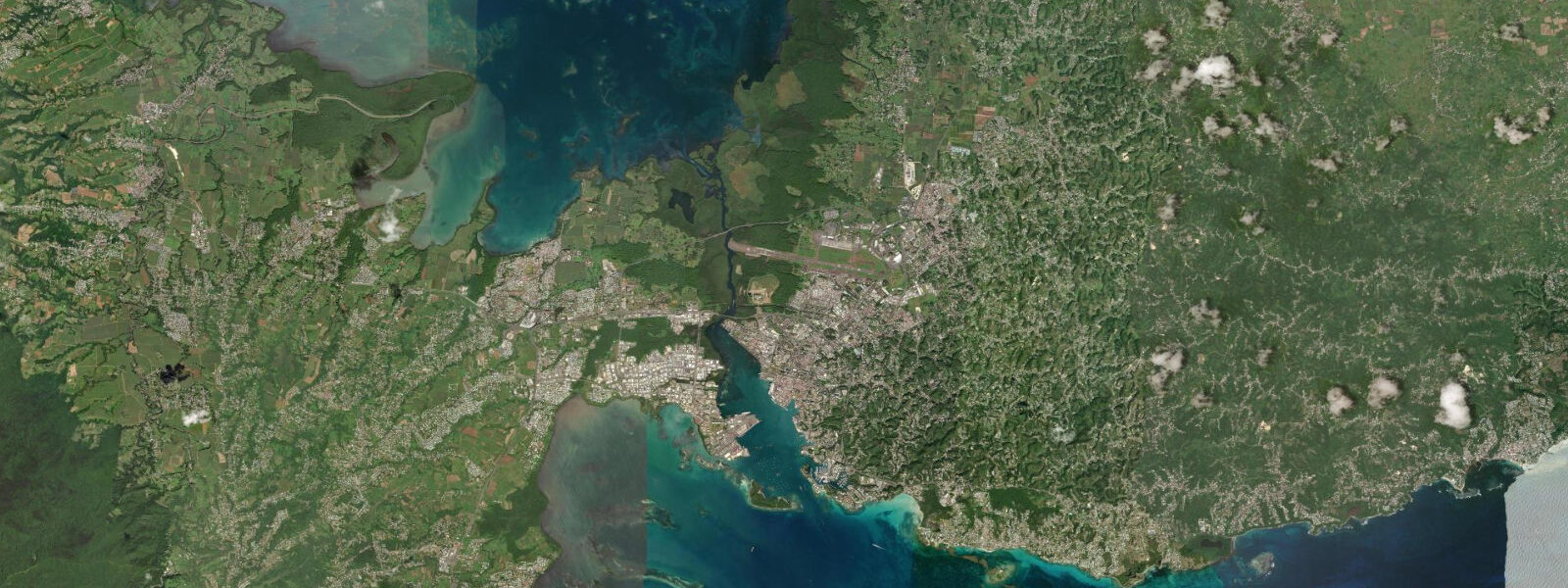
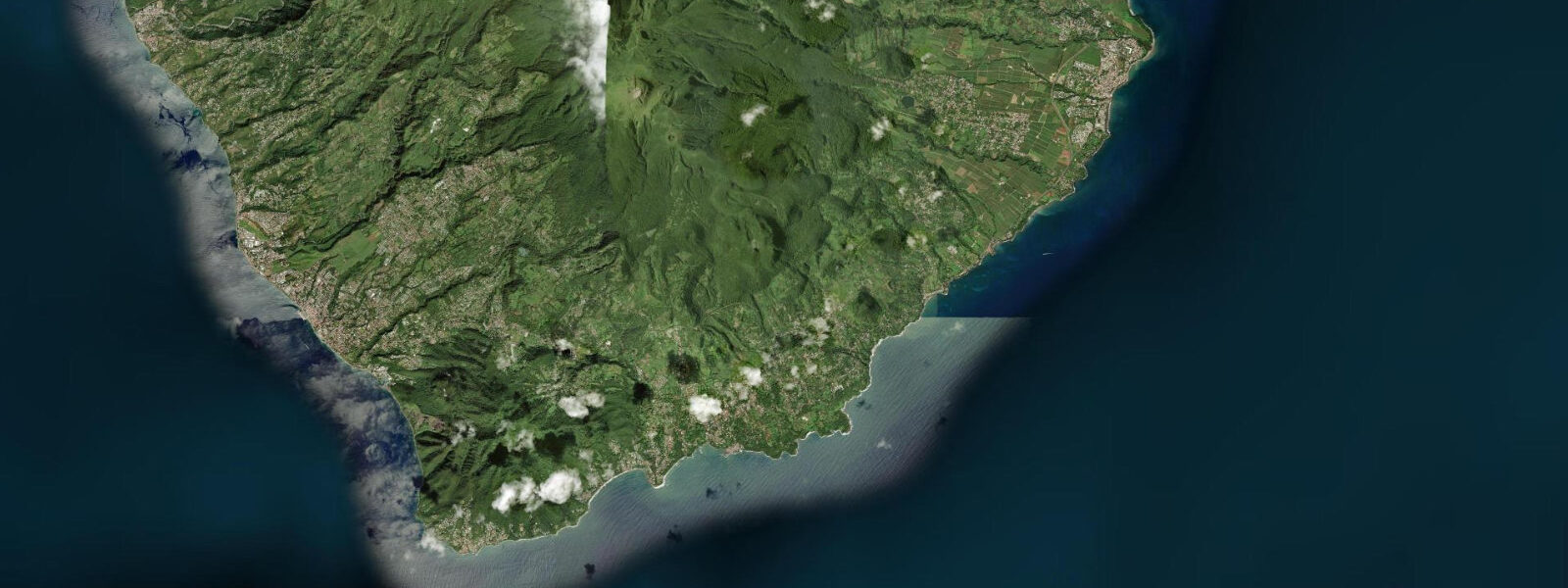
Deshaies (pronounced approximately Deh-AY) sits on the northwest coast of Basse-Terre, the volcanic western wing of Guadeloupe, in a deep and well-sheltered bay. The anchorage — Anse de Deshaies — is one of the calmest in the Eastern Caribbean: the bay opens to the northwest, protected from the prevailing ENE trade wind and swell by the bulk of Basse-Terre. The French TV series Death in Paradise used Deshaies as its principal filming location for over a decade, standing in for the fictional Caribbean island of Sainte Marie. The gendarmerie in the series occupies a building visible from the waterfront; the production's presence brought recognition that the village's natural beauty had not previously generated on a wide scale.
The bay is a cruising yacht anchorage of the first order. Vessels transiting the Eastern Caribbean island chain from Antigua south toward Martinique and Trinidad regularly stop at Deshaies; the protection is sufficient to allow a comfortable night's sleep in trade-wind conditions. The anchorage depth runs 6–12 m in the main holding area over good-quality sand and mud bottom. Tidal range is 0.3–0.4 m spring — anchor scope needs are driven by depth and wind, not by tidal swing. The dinghies from anchored yachts land on the beach at the south end of the bay; dinghy dock space and a water source are the cruiser's practical concerns ashore.
The beach at the bottom of the bay is the village beach — Plage de Deshaies, black-sand volcanic, roughly 400 m long, calm. The black sand reflects the volcanic geology of Basse-Terre. Water depth from the beach is gradual on the sand; the bottom drops more steeply at the rocky points on either side of the bay. The beach is backed by a small road and a cluster of restaurants and bars facing the water. Afternoon light catches the bay from the west; the tree-covered hillsides reflect into the water in calm morning conditions.
The Jardin Botanique de Deshaies sits 2 km uphill from the village, on the eastern flank of the bay slopes. The garden covers 2.5 hectares of tropical and subtropical plantings; the hummingbirds (Trochilidae) present in the garden are the primary draw for most visitors. Antillean crested hummingbirds and purple-throated caribs are the two species most commonly seen; they feed at the flowering plants throughout the garden regardless of weather or tidal conditions. The garden is tide-independent; opening hours are 09:00–18:00 daily.
Shore fishing from the rocky points on either side of the bay — particularly the rocky outcrops on the northern headland — gives access to 4–8 m of water at the base of the rock, with the volcanic structure holding snapper, grouper, and jack in the crevices. Incoming tide at dawn is the local preference: the current picks up around the point and the fish feed actively as the water rises over the structure. Cast distances from the rock face of 15–25 m reach the productive depth range. Free-divers work the same northern point for spiny lobster (langouste) in the rock crevices; the season is regulated in the French Overseas Territories — check the current dates before any take.
For kayakers, the bay is a calm-water paddling environment in trade-wind conditions. A paddle from the village beach north to the headland and around the point into the next cove (Anse du Souffleur) is approximately 3 km one way and reveals rock formations not visible from the road. The waters around the point become more exposed when the trade wind exceeds 15 knots; the return paddle is into the wind. Afternoon wind patterns should be factored into any departure plan — what is calm at 08:00 may be a 1-knot headwind by 14:00.
The town of Deshaies has a small supermarket, bakery, fuel station, and a doctor's office — more complete infrastructure than most villages of its size in Basse-Terre. The waterfront restaurants concentrate on fresh fish and Creole preparation; the catch depends on what the local fishing boats landed that morning. Two or three dedicated fishing vessels operate from the Deshaies quay; their catch supplement is posted on a board at the fish stall on the waterfront.
Tide data for Deshaies comes from the Open-Meteo Marine API, a gridded global ocean model. Timing accuracy is ±45 minutes, height accuracy ±0.2–0.3 m. SHOM secondary corrections for Deshaies are applied from the Pointe-à-Pitre reference.
Tide questions about Deshaies
Quick answers to the most common questions about tide times, range, and water access at Deshaies.
Is Deshaies a good anchorage for a cruising yacht?
Deshaies is one of the most reliable anchorages in the Eastern Caribbean for vessels transiting the island chain. The bay opens to the NW, away from the prevailing ENE trade wind; the surrounding hills of Basse-Terre provide additional shelter. Holding ground is good — sand and mud in 6–12 m throughout the main anchorage zone. Tidal swing is 0.3–0.4 m on spring tides, negligible for anchor scope calculation; set scope for depth and anticipated wind strength rather than tidal range. The bay can become rolly in swells from the north or northwest, which occur occasionally behind cold fronts in the November–February period when Atlantic weather systems push south. Monitor the Météo-France marine forecast before a passage stop; a NW swell forecast of above 1.0 m suggests considering Pigeon Island or the more protected anchorages on the south Basse-Terre coast as alternatives.
Where was Death in Paradise filmed in Deshaies?
The BBC series Death in Paradise used Deshaies as its primary filming location from its first series (2011) onward. The fictional gendarmerie — the police station central to every episode — is based on a building on the main waterfront road, visible from the bay. The beach, the waterfront restaurants, the hillside above the village, and the botanical garden all feature in various episodes. Filming moved to other locations in Guadeloupe for some later seasons; the village waterfront and bay remain the most recognisable recurring setting. Several of the waterfront restaurants played the 'Catherine's Bar' set. A walking map identifying filming locations is available from the local tourist office and from some of the restaurants. The location is fully operational as a normal village; some of the set buildings are occupied businesses.
What are the hummingbird species at the Jardin Botanique de Deshaies?
The Jardin Botanique de Deshaies (jardin-botanique.com) reliably hosts two hummingbird species that are among the most visible in Guadeloupe. The Antillean crested hummingbird (Orthorhyncus cristatus) is a small green species with a conspicuous crest; the male's crest is iridescent purple-blue and catches the light when positioned correctly. The purple-throated carib (Eulampis jugularis) is larger, with a deep red and purple throat gorget on the male. Both species visit the flowering plants throughout the garden — heliconia, hibiscus, and planted nectar species — from opening time through midday. Activity drops in the early afternoon heat; the garden is most active for bird observation in the morning. The Guadeloupe endemic subspecies of the blue-headed hummingbird may also be seen in the wooded upper sections of the garden.
What is the best fishing access from Deshaies shore?
The rocky northern headland of Anse de Deshaies, a 10-minute walk from the village beach along the coastal path, gives the best shore fishing position in the bay. The volcanic rock forms ledges dropping 2–4 m to the water with 5–8 m of depth within 15 m of the rocks. Incoming tide at dawn — typically 05:00–08:00 — is when snapper (vivaneau) and grouper (mérou) feed along the rock base. Bottom fishing with cut fish bait on a sliding sinker rig is the standard approach; jigs work for jacks and barracuda on the rock edge. The southern rocky point at the far end of the beach gives similar access in slightly shallower water and is easier to reach from the beach. Free-diving for spiny lobster (langouste) around the same northern point is productive but subject to seasonal regulation under French territorial law — verify the open season dates with the local fishing authority before taking any langouste.
Can I kayak from Deshaies to the next bay, and what are the conditions like?
The bay north of Deshaies — Anse du Souffleur, approximately 2 km from the beach by water — is accessible by kayak on calm mornings. The route passes the northern rocky headland; conditions at the headland are more exposed than the sheltered inner bay. In standard trade-wind conditions of 8–12 knots, the headland crossing is manageable for competent paddlers. Above 15 knots, the swell refraction and wind-against-current at the point produces an uncomfortable and potentially dangerous sea state for recreational kayakers. Depart by 08:00 before the trade wind builds; the return paddle will have more wind behind you by 10:00, which is an assistance going back south. Kayak rental is available on the Deshaies beach; the rental operator will advise on morning conditions.
7-day tide table — Deshaies
Heights relative to MSL. Predictions: Open-Meteo Marine (MeteoFrance SMOC, 0.08° grid) — heights relative to MSL (not chart datum / LAT). Model-derived.
| Day | Type | Time | Height |
|---|---|---|---|
| Tue 04 Aug | — | ||
| Wed 05 Aug | High | 19:00 | 0.4m |
| Thu 06 Aug | — | ||
| Fri 07 Aug | — | ||
| Sat 08 Aug | Low | 06:50 | 0.0m |
| High | 21:50 | 0.4m | |
| Sun 09 Aug | — | ||
| Mon 10 Aug | Low | 08:10 | 0.0m |
| High | 19:00 | 0.3m | |