Grand Anse tide times
Grand Anse tide forecast — heights relative to MSL.
Today's tide times for Grand Anse
Tide times at Grand Anse on Tuesday, 4 August 2026: first low tide at 12:00pm. Sunrise 05:54am, sunset 06:31pm.
Tide chart for Grand Anse
24-hour cosine-interpolated curve around the present moment. Heights relative to MSL. Predictions: Predictions: Open-Meteo Marine (MeteoFrance SMOC, 0.08° grid).
Sun, moon and conditions on Tue 04 Aug
Snapshot at build time — refreshes daily. Sea state from Open-Meteo Marine.
Highs and lows next 7 days
Every predicted high and low for the next week, with the daily tidal coefficient (0–120; higher = bigger swing, > 95 means stronger currents).
Other spots nearby
The three closest curated TideTurtle locations to Grand Anse, measured by great-circle distance.
Today's solunar windows
Solunar tradition: major periods are the ≈3h windows around moon transit and opposition; minor are ≈2h around moonrise and moonset. Pair with the local tide stage and wind for the best read.
About tides at Grand Anse
A short guide to the coastline at Grand Anse — geography, sea state, and what the tide is actually doing under your feet.
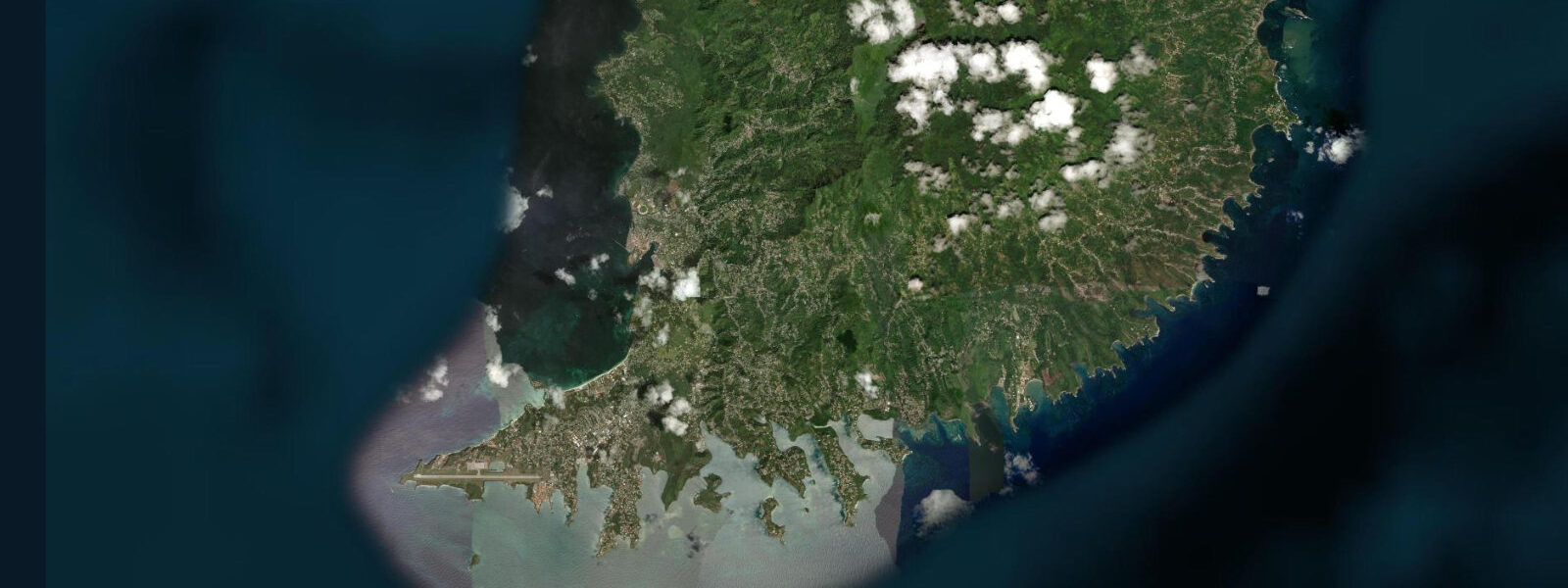
Grand Anse is Grenada's main beach, a 3 km arc of white sand 2 km south of St. George's on the island's southwestern coast, rated consistently among the best beaches in the Caribbean for the combination of sand quality, water clarity, calm Caribbean water, and immediate accessibility from the capital. The beach faces west-southwest into the open Caribbean, sheltered from northeast trade-wind swell by the island's bulk but open to the late afternoon sea breeze that keeps temperatures manageable in the dry season.
Tidal range at Grand Anse is 0.3–0.4 m — Caribbean microtidal. The practical implication is that the beach width changes modestly over the tidal cycle, typically 5–10 m between high and low spring water across the sandy shelf that extends 50–80 m from the shore before dropping into the clearer water beyond. At low tide, the shallow shelf is at its shallowest — knee to waist deep across a wide zone — which makes it ideal for families with children who want calm, shallow water over a clear sand bottom. At high tide the shelf is deeper and the swimming zone more suitable for adults wanting depth.
The offshore reef structure at Grand Anse begins approximately 150–200 m from the beach. Snorkellers swimming to the reef find coral patches in 3–6 m at mid-tide, with fish density that benefits from Grenada's marine reserve protections along this section of coast. The flood tide is the preferred snorkel window: as Caribbean water moves onto the reef on the incoming flood, visibility is cleanest and fish activity is highest before the ebb begins redistributing bottom sediment. Hawksbill turtles are regularly encountered at the reef edge, particularly in the morning hours before the beach crowd builds.
Water sports operators at Grand Anse run kayak, SUP, and glass-bottom boat trips from the beach. The glass-bottom boats target the inshore reef patches and are the option for non-swimmers wanting to see the reef. SUP conditions are consistently good in the morning hours before the afternoon sea breeze picks up — typically 12:00–15:00 in the dry season brings a 10–15 knot southwest sea breeze that creates chop on the exposed beach face. Morning paddles (before 10:00) are glassy.
Grand Anse has no river mouth, which keeps the beach water consistently clear year-round — the sand is not subject to the post-rain turbidity that affects beaches adjacent to river systems. After heavy Northern Range rain events, the beaches closer to St. George's (particularly the small beach at the base of the Carenage) turn slightly brown; Grand Anse is far enough from the main drainage to avoid this.
For photographers, Grand Anse shoots best in two windows. Morning (06:00–09:00): the eastern sky over the hills behind is catching the first light while the beach faces west into the cool shade of the island mass — the sand is pale, uncrowded, and the water is glass. Evening (16:00–18:00): the beach faces directly into the sunset, and the combination of late trade-wind chop catching the horizontal light with the reef silhouetted offshore is the standard Grand Anse composition. Arriving before 06:30 for the morning window or 15:30 for the evening window avoids the midday crowd that peaks at 11:00–14:00.
The Spiceland Mall and the main Grand Anse shopping strip are 300 m from the beach — the closest provisions, ATMs, and dining to the main beach area. The beach itself has no permanent built infrastructure (no beach bars on the sand itself), which is one of the reasons the sand arc remains uninterrupted. Vendors walk the beach selling drinks, snacks, and crafts from portable coolers.
St. George's University (SGU), the large offshore medical school with a predominantly US student body, occupies the southern end of the Grand Anse peninsula. The SGU campus has its own beach access. The student population contributes to the beach's year-round liveliness and supports the restaurant and bar economy on the Grand Anse road.
All tide predictions for Grand Anse come from the Open-Meteo Marine gridded model. Timing accuracy is ±45 minutes; height accuracy is ±0.3 m above Chart Datum.
Tide questions about Grand Anse
Quick answers to the most common questions about tide times, range, and water access at Grand Anse.
What is the best time of day to swim at Grand Anse, and does tidal state matter?
Grand Anse is safe for swimming at all tide stages — the 0.3–0.4 m tidal range produces only modest depth changes. The shallow sand shelf is knee to waist deep across a wide zone at low tide, making it the better stage for families with young children. At high tide the shelf is deeper and more suitable for adult swimming. The most pleasant swim time is morning before the afternoon sea breeze (which picks up at 12:00–15:00) creates surface chop. Avoid the shore zone when the southwest sea breeze is strong — the chop is not dangerous but makes for an uncomfortable swim.
Are hawksbill turtles reliably seen at Grand Anse?
Hawksbill turtles feed on the reef patches 150–200 m offshore from Grand Anse and are encountered regularly by snorkellers making the swim to the reef. Morning sessions (before 10:00) have the highest encounter rate — turtle activity peaks during the quieter early hours before the beach and water-sports crowd builds. The turtles forage on sponges and small invertebrates in 3–6 m on the flood tide when the reef is most biologically active. They are habituated to divers and snorkellers and will continue feeding if approached slowly and from the side rather than from above.
Can I paddleboard at Grand Anse?
Yes — Grand Anse is one of the best SUP environments in the southern Windward Islands. The morning window (before 10:00) is glassy; the southwest sea breeze picking up after noon creates surface chop that requires more balance and effort. SUP rentals operate from the beach year-round. Paddlers should stay inside the reef line (within 150 m of shore) to avoid open-water exposure to the afternoon wind chop. The full 3 km of beach is a straightforward SUP run in either direction at a morning pace of about 45 minutes.
Is Grand Anse beach crowded, and when are the quietest times?
Grand Anse is Grenada's main beach and draws the largest crowds, peaking 11:00–14:00 when the beach chair rental area and the water sports operators are at full capacity. Cruise ship days (typically two to four ships per week in November–April) add a meaningful visitor volume. The quietest windows are 06:00–09:00 (pre-crowd morning), 15:30–18:00 (afternoon session after the midday crowd leaves), and Monday through Wednesday in shoulder season (May and October). The beach is 3 km long — walking 1 km south from the main entrance removes most of the foot traffic.
What is the snorkelling like at Grand Anse, and do I need a guide?
The reef patches at Grand Anse are 150–200 m offshore — a 10–15 minute open-water swim from the beach. A confident adult swimmer with fins can make the crossing independently. The reef sits at 3–6 m at mid-tide; the coral cover is moderate but fish density is good, supported by marine reserve protections. Visibility runs 10–20 m on calm days, dropping after northeast swell events. Glass-bottom boat trips from the beach serve as the guided and non-swimming option. No guide is required for independent snorkelling, but a personal float or tow buoy is recommended for the open-water crossing as boat traffic between the beach and the reef is light but present.
7-day tide table — Grand Anse
Heights relative to MSL. Predictions: Open-Meteo Marine (MeteoFrance SMOC, 0.08° grid) — heights relative to MSL (not chart datum / LAT). Model-derived.
| Day | Type | Time | Height |
|---|---|---|---|
| Tue 04 Aug | Low | 12:00 | 0.0m |
| Wed 05 Aug | High | 19:10 | 0.4m |
| Thu 06 Aug | Low | 03:10 | -0.0m |
| Fri 07 Aug | High | 21:06 | 0.4m |
| Sat 08 Aug | Low | 06:00 | -0.1m |
| High | 22:06 | 0.4m | |
| Sun 09 Aug | Low | 06:50 | -0.1m |
| High | 23:15 | 0.4m | |
| Mon 10 Aug | Low | 07:42 | -0.2m |
| High | 14:50 | 0.2m |