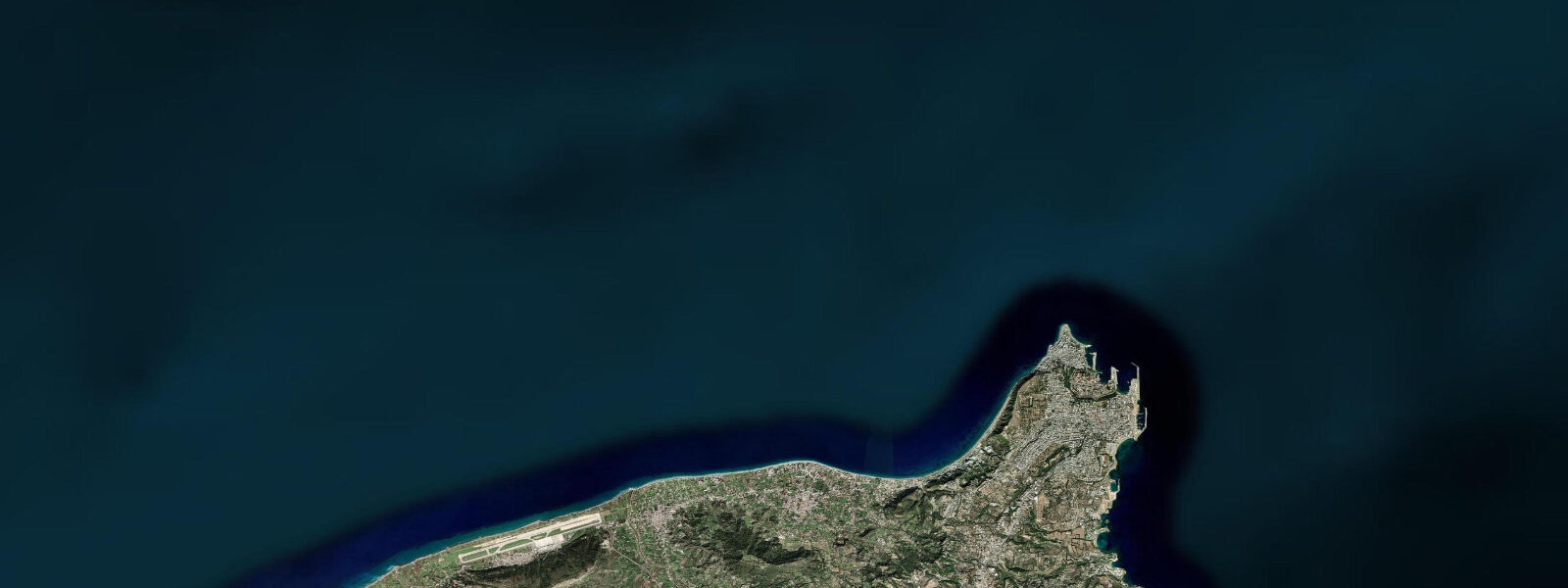
Rhodes tide times
Rhodes tide forecast — heights relative to MSL.
Today's tide times for Rhodes
Tide times at Rhodes on Monday, 3 August 2026: first high tide at 03:00, first low tide at 07:10, second high tide at 13:50, second low tide at 20:00. Sunrise 06:14, sunset 20:12.
Tide chart for Rhodes
24-hour cosine-interpolated curve around the present moment. Heights relative to MSL. Predictions: Predictions: Open-Meteo Marine (MeteoFrance SMOC, 0.08° grid).
Sun, moon and conditions on Mon 03 Aug
Snapshot at build time — refreshes daily. Sea state from Open-Meteo Marine.
Highs and lows next 7 days
Every predicted high and low for the next week, with the daily tidal coefficient (0–120; higher = bigger swing, > 95 means stronger currents).
Other spots nearby
The three closest curated TideTurtle locations to Rhodes, measured by great-circle distance.
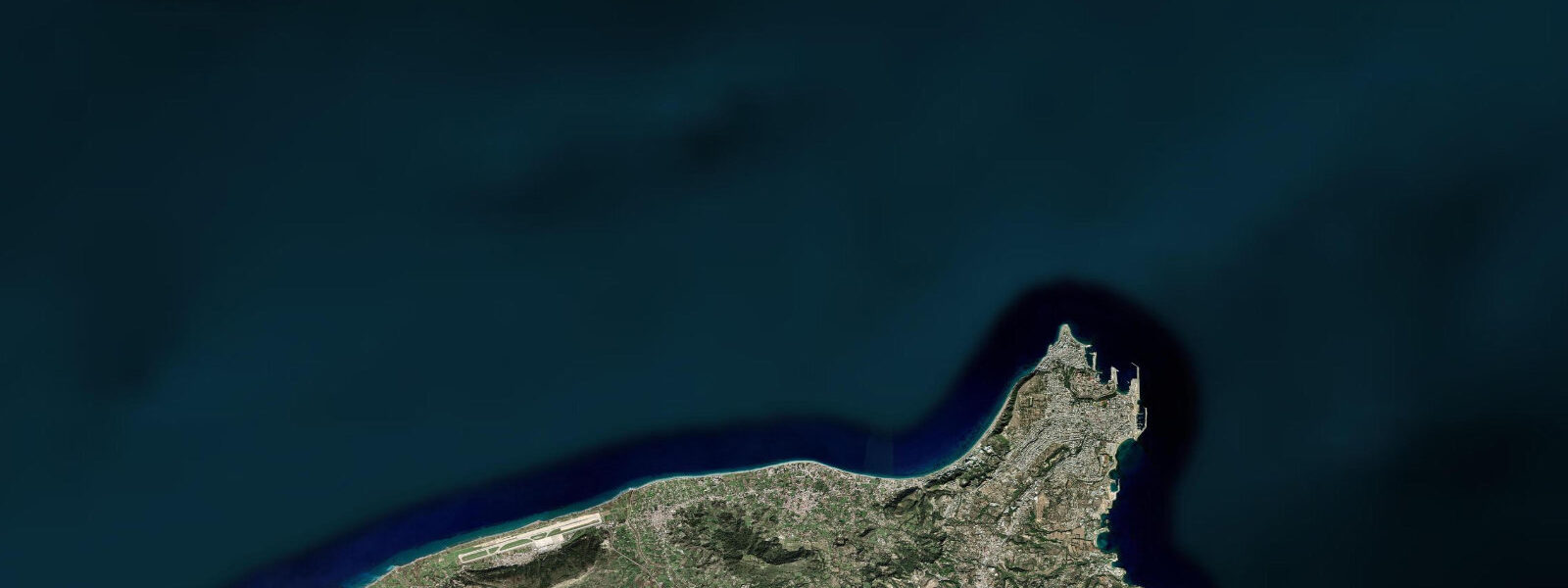
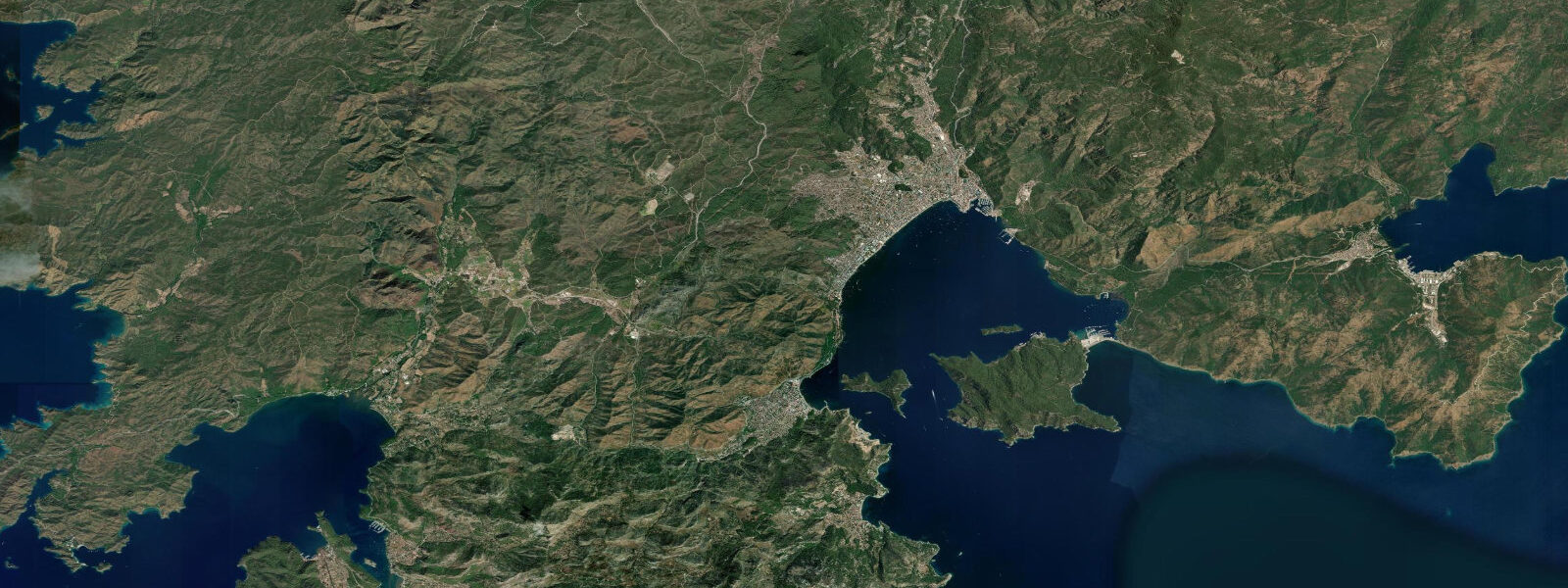
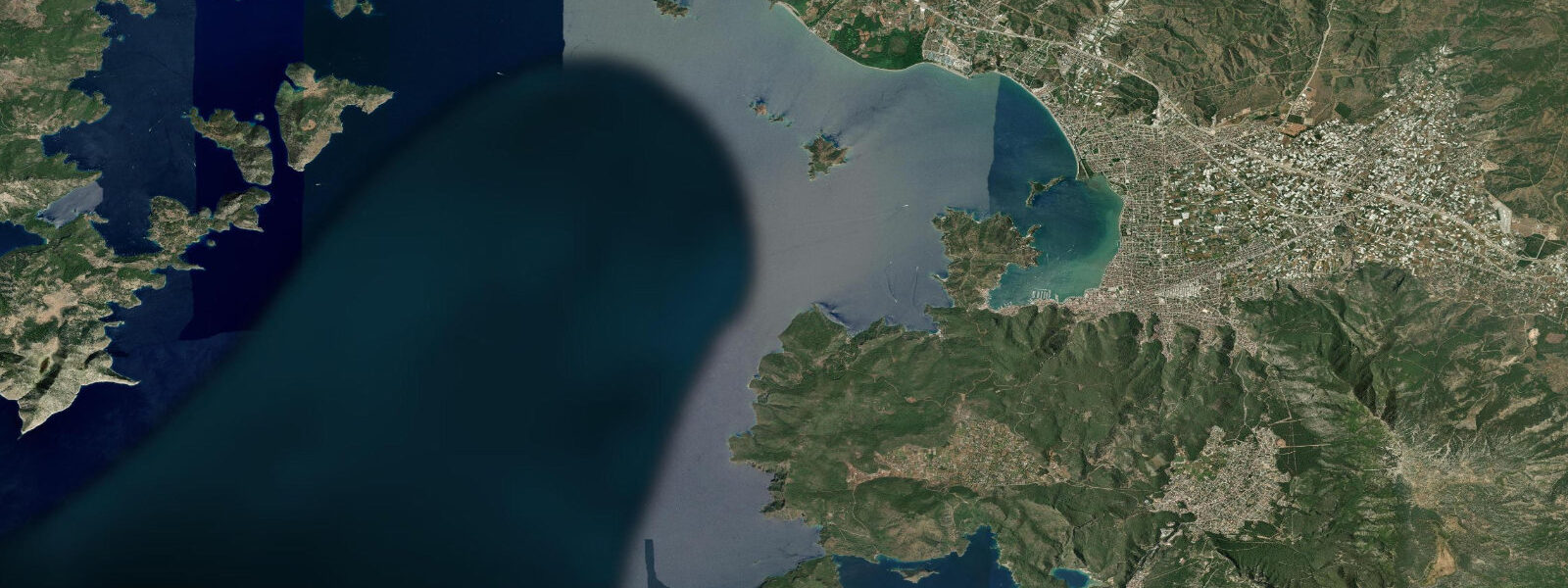
Today's solunar windows
Solunar tradition: major periods are the ≈3h windows around moon transit and opposition; minor are ≈2h around moonrise and moonset. Pair with the local tide stage and wind for the best read.
About tides at Rhodes
A short guide to the coastline at Rhodes — geography, sea state, and what the tide is actually doing under your feet.
Rhodes is the largest and most-visited of the Dodecanese islands, at the southeastern edge of the Aegean, 18 km from the Turkish coast. The island has two distinct coastal characters: the protected northeast coast facing a sheltered bight between Rhodes and Turkey, and the exposed southwest coast facing the open Mediterranean. The northeast beaches (Faliraki, Tsambika, Lindos) are the tourist magnet; the southwest coast (Prassonisi, Prasonisi Cape) is where the wind sports happen. Tidal range is negligible — 0.1 to 0.3 metres.
The medieval city of Rhodes is UNESCO World Heritage listed — the old town within the Knights of St John's fortifications (1309–1522) is the most intact medieval city in Europe. The Knights' Street (Street of the Knights) remains cobbled and flanked by the inns of the Frankish orders; the Palace of the Grand Masters has been preserved (and over-restored) to museum standard. The commercial harbour beneath the fortification walls was where the Colossus of Rhodes (one of the Seven Wonders of the Ancient World) allegedly stood.
Prassonisi, at the southern tip of the island, is where the Aegean meets the Mediterranean. Two completely different sea conditions exist on each side of the sand bar connecting Prassonisi islet to the mainland. The west side catches the sustained Meltemi (15 to 30 knots from the north, July through September) and produces consistent windsurfing and kitesurfing conditions. The east side of the sandbar is calmer. Prassonisi has developed into one of the premier windsurfing destinations in the Mediterranean.
Diving in Rhodes targets the Turkish coast wrecks (accessible by day charter) and the local reefs around Lindos Cape and the offshore islands. The wrecks in Turkish waters require Turkish permits (organised through dive operators in Marmaris); local Rhodes dives include reef and cave diving at Trianta Bay and the islands south of Lindos.
Snorkelling at Lindos is accessible from the beaches below the acropolis. The water clarity on the south side of Lindos Bay is excellent — 15 to 20 metres visibility — and the rocky reef sections at the bay edges have sea bream, grouper, and octopus. Water temperature peaks at 26°C in August.
Predictions on this page come from Open-Meteo Marine, a gridded global ocean model. Accuracy is typically within plus or minus 45 minutes on timing and 0.2 to 0.3 metres on height — model-derived, not from a local gauge. For Greek coastal conditions, consult the Hellenic National Meteorological Service at emy.gr.
Tide questions about Rhodes
Quick answers to the most common questions about tide times, range, and water access at Rhodes.
What is the tidal range at Rhodes?
Negligible — 0.1 to 0.3 metres. The eastern Mediterranean and Aegean Sea have essentially no astronomical tide. Water level is wind-driven; the Meltemi north wind in summer (July through September) is the dominant environmental variable affecting sea conditions. The protected northeast coast of Rhodes is sheltered from the Meltemi; the southwest coast (Prassonisi) faces directly into it — creating the windsurfing conditions the cape is famous for.
Is windsurfing at Prassonisi good?
Prassonisi is rated one of the top windsurfing locations in the Mediterranean. The Meltemi north wind blows 20 to 35 knots reliably from July through September on the west side of the Prassonisi sandbar. The east side of the sandbar is significantly calmer, making it suitable for learners while experts use the west side. Several windsurf schools operate at Prassonisi. The cape is 95 km from Rhodes Town (1.5 hours by car or organised transfer).
What is the Colossus of Rhodes?
The Colossus of Rhodes was a bronze statue of the sun god Helios, approximately 33 metres tall, built between 292 and 280 BC at the entrance to the Mandraki harbour in Rhodes Town. It stood for 54 years before being toppled by an earthquake in 226 BC. The statue is classified as one of the Seven Wonders of the Ancient World. The two deer statues on columns currently marking the Mandraki harbour entrance are a modern reference to the tradition; the colossus's actual location is debated but most scholars place it at the harbour entrance, not straddling it as popular myth suggests.
How do I visit the Lindos Acropolis?
Lindos Acropolis stands above the village of Lindos (55 km from Rhodes Town), accessed by donkey ride or on foot up the winding path from the village square (about 20 minutes uphill). The acropolis contains the 4th-century BC Temple of Athena Lindia and classical Greek fortifications, overlaid by the Knights of St John's medieval additions. Entry fee applies; open daily. The best photographs of the acropolis and Lindos Bay below are taken from the cliff path on the north side. The village of Lindos itself is a car-free white-cube-architecture maze worth exploring.
Is the Rhodes old town worth exploring?
Yes — it's the most intact medieval fortified city in Europe. The walls (4 km long, 12 metres thick) were built by the Knights of St John; the old town within has the Street of the Knights, the Palace of the Grand Masters, and a mix of Byzantine, Frankish, Ottoman, and modern Greek architecture. The commercial zone (Socratous Street) is touristy; the residential streets off the main routes are quieter and more atmospheric. Evening, when day-trippers have left, is the best time to walk. Entry to the walls circuit and palace is by separate ticket.
3-day tide table — Rhodes
Heights relative to MSL. Predictions: Open-Meteo Marine (MeteoFrance SMOC, 0.08° grid) — heights relative to MSL (not chart datum / LAT). Model-derived.
| Day | Type | Time | Height |
|---|---|---|---|
| Mon 03 Aug | High | 03:00 | -0.3m |
| Low | 07:10 | -0.5m | |
| High | 13:50 | -0.3m | |
| Low | 20:00 | -0.5m | |
| Tue 04 Aug | — | ||
| Wed 05 Aug | High | 03:00 | -0.3m |
| Low | 21:00 | -0.4m | |