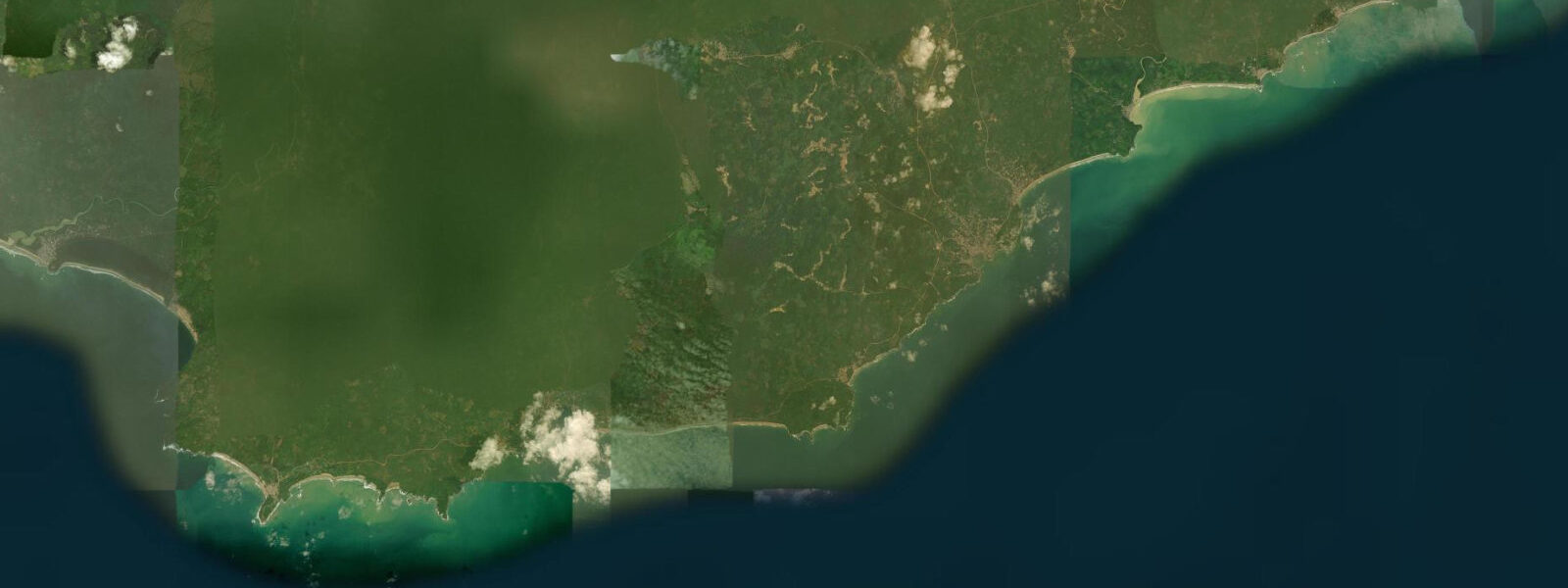
Busua Beach tide times
Busua Beach tide forecast — heights relative to MSL.
Today's tide times for Busua Beach
Tide times at Busua Beach on Tuesday, 4 August 2026: first high tide at 07:00am, first low tide at 01:15pm, second high tide at 07:13pm. Sunrise 06:04am, sunset 06:23pm.
Tide chart for Busua Beach
24-hour cosine-interpolated curve around the present moment. Heights relative to MSL. Predictions: Predictions: Open-Meteo Marine (MeteoFrance SMOC, 0.08° grid).
Sun, moon and conditions on Tue 04 Aug
Snapshot at build time — refreshes daily. Sea state from Open-Meteo Marine.
Highs and lows next 7 days
Every predicted high and low for the next week, with the daily tidal coefficient (0–120; higher = bigger swing, > 95 means stronger currents).
Other spots nearby
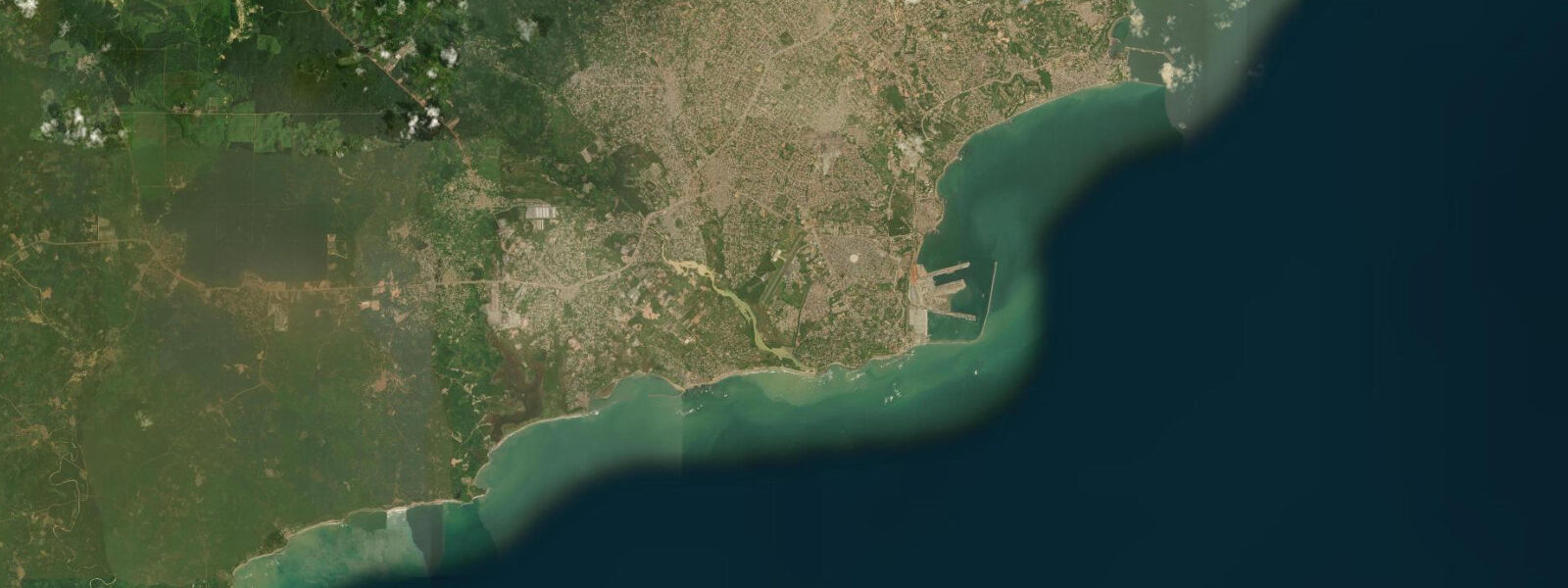
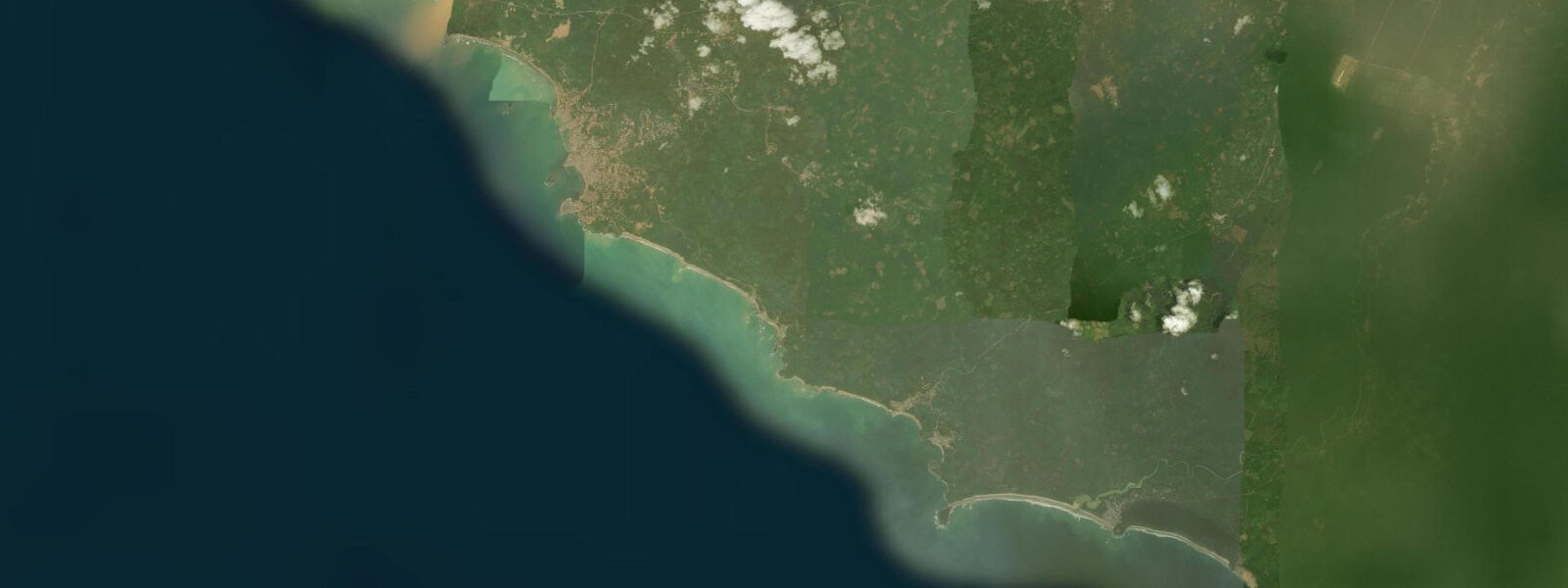
The three closest curated TideTurtle locations to Busua Beach, measured by great-circle distance.
Today's solunar windows
Solunar tradition: major periods are the ≈3h windows around moon transit and opposition; minor are ≈2h around moonrise and moonset. Pair with the local tide stage and wind for the best read.
Cycle dates near Busua Beach
Last spring tide on Tue 04 Aug (range 1.0m). Next spring tide on Mon 10 Aug (range 1.2m). Next neap on Sun 09 Aug.
Spring tides cluster around new and full moons (biggest swings). Neap tides land on quarter moons (smallest swings). See the spring tide and neap tide glossary entries for the why.
About tides at Busua Beach
A short guide to the coastline at Busua Beach — geography, sea state, and what the tide is actually doing under your feet.
Busua is Ghana's surf town — a small fishing village on the Western Region coast that has spent the last two decades building a reputation as one of the most accessible surf destinations in West Africa without ever quite tipping into the kind of over-development that kills places like this. The beach itself is the draw: it faces southwest into the dominant swell direction along the Gulf of Guinea coast, and the gently shelving sandy bottom creates forgiving, rideable waves for much of the year. Even during the so-called flat months, the persistent Atlantic swell that runs along the Ghanaian coast provides knee-to-chest-high surf on most days.
The real surf season is May through September, when the southwest trade winds generate short-period wind swell that stacks onto background groundswell and pushes wave heights to overhead and beyond. This window overlaps exactly with Ghana's main rainy season — the days are often grey, afternoon squalls are routine, and the waves are the best of the year. If you can live with some tropical rain, the May–September window is Busua at its most powerful.
Local surf culture here grew without sponsorship or formal infrastructure. The Ghana Surfing Association runs coaching from the beach, and most of the working local surfers are young men from the village who learned on borrowed boards and have developed solid, read-the-conditions technique through sheer time in the water. Several surf schools rent boards and offer lessons at the gentler east end of the beach, where the whitewater rolls in steadily on smaller swell days — this is the right section for beginners.
The main break is a left-hander that forms off a sand point at the western end of the beach. On a good northwest groundswell day it can run for 50 to 80 metres — long by beach-break standards — and the shoulder is fast enough to keep it interesting for intermediate surfers who know how to find the trim. 0 metres — smaller than you'd see on European or North African coasts, but the Gulf of Guinea tidal range, while modest, still shapes conditions noticeably.
Low tide steepens the shore break and thins the water over the nearshore sandbar, making the impact zone sharper and the paddle-out more demanding. Mid-tide to high tide gives fuller wave shape and cleaner lineups. For swimmers, the central beach section is safest at mid to high tide, well away from the rip currents that form alongside the rocky headlands at both ends of the beach.
3 m accuracy. The village itself is small enough to walk end to end in ten minutes: surf camps, basic guesthouses, a handful of beach bars serving grilled barracuda and cold Star beer. The pace is slow in the way that's almost medicinal if you've come from Accra.
Fort Metal Cross — a late 17th-century Portuguese fort on the headland between Busua and Dixcove — is a 20-minute walk along the beach at low tide. The views from its battlements down the coast in both directions, the ruined cannon platform and the colonial stonework, are worth the walk. Fishing boats launch from Busua beach most mornings before sunrise; the early return with overnight catch — snapper, barracuda, jack — is the best photography window of the day.
Water temperatures along this coast run 26–29°C year-round; no wetsuit required. 5–4 hours), then a shared taxi west on the coastal road through Dixcove to Busua. Dixcove town itself — a 10-minute walk from Fort Metal Cross — has a working fishing harbour and a market that runs on catch days; the energy is entirely different from tourist-facing Busua, and the two together make a full half-day excursion from the beach.
Tide questions about Busua Beach
Quick answers to the most common questions about tide times, range, and water access at Busua Beach.
When is the best time to surf Busua Beach?
The strongest surf runs from May through September, when southwest trade winds push regular swell and wave heights can reach overhead and beyond. This window coincides with Ghana's rainy season, so expect grey days and afternoon storms mixed in with the surf. October and November are the transition months — swell eases, weather improves, and conditions are often clean and manageable for intermediates. December through April is the quietest surf period; the background Atlantic swell keeps small waves running most days, making it good for beginners and lessons, but not the destination for experienced surfers chasing size. The Ghana Surfing Association beach is active year-round and can advise on current conditions.
Is Busua Beach safe for beginner surfers and swimmers?
For beginners in the right section, yes. The east end of the beach near the surf school offers a gentle shore break ideal for first lessons; the bottom is sandy, the gradient is shallow, and instructors from the Ghana Surfing Association keep an eye on students. The central beach is the best swimming section at mid to high tide. Avoid the rocky headlands at both ends of the beach — rips are strong there, particularly on an outgoing tide. The main surf break at the west end is not for beginners; the wave is faster, the shore break is heavier, and self-rescue skills are expected. Water temperature is warm year-round (26–29°C), so there's no cold-water barrier to learning.
How do tides affect surfing conditions at Busua?
The tidal range at Busua is modest — 0.6 to 1.0 metres on spring tides, less on neaps. The range is smaller than European or North African coasts, but it still shapes conditions noticeably. Low tide steepens the shore break, thins the water over the nearshore sandbar, and can make the impact zone sharper. Mid-tide is generally the most consistent window for surfing: the wave shape is fuller, the takeoff zone is better defined, and the rips are easier to read. High tide softens the wave and pushes the break further up the beach slope. Tide predictions from Open-Meteo Marine carry ±45 min accuracy — confirm against observed conditions on arrival.
What else is there to do in Busua and the nearby area?
Fort Metal Cross on the Dixcove headland, a 20-minute walk from Busua beach, is a well-preserved Portuguese fort from the 1690s and worth the trip for the coastal views alone. Dixcove town has a working harbour with traditional fishing canoes and a very different energy from tourist-facing Busua. Nzulezo, the famous stilt village on Lake Tandane, is about 90 minutes east by road — an accessible half-day trip if you have transport. For birders, the Ankasa Conservation Area east of the coast road holds forest species including African grey parrot and hornbills. Boat fishing trips for barracuda, snapper, and jack can be arranged through the surf camps on the beach.
How do I get to Busua Beach from Accra?
From Accra, take a shared tro-tro or private taxi to Takoradi (approximately 230 km, 3–4 hours depending on traffic). From Takoradi's main lorry park, a shared taxi runs west toward Dixcove and Busua — the turn-off is at Agona-Nkwanta, from where a short connecting ride or moto reaches the beach. Total journey Accra to Busua: 4.5–6 hours by public transport. By car (rental or private hire), around 3.5 hours. VIP Bus services run Accra–Takoradi several times daily with air conditioning; Takoradi to Busua is then a taxi (30–40 minutes). If coming from further west, Busua is also accessible via the Elubo border from Côte d'Ivoire, though this route requires an extra transfer.
7-day tide table — Busua Beach
Heights relative to MSL. Predictions: Open-Meteo Marine (MeteoFrance SMOC, 0.08° grid) — heights relative to MSL (not chart datum / LAT). Model-derived.
| Day | Type | Time | Height |
|---|---|---|---|
| Tue 04 Aug | High | 07:00 | 0.5m |
| Low | 13:15 | -0.6m | |
| High | 19:13 | 0.2m | |
| Wed 05 Aug | Low | 01:08 | -0.6m |
| High | 07:45 | 0.4m | |
| Low | 14:12 | -0.5m | |
| High | 20:12 | 0.1m | |
| Thu 06 Aug | Low | 02:00 | -0.5m |
| High | 08:36 | 0.3m | |
| Low | 15:22 | -0.5m | |
| Fri 07 Aug | High | 09:50 | 0.3m |
| Low | 16:45 | -0.5m | |
| High | 23:04 | 0.1m | |
| Sat 08 Aug | Low | 04:47 | -0.4m |
| High | 11:10 | 0.3m | |
| Low | 18:07 | -0.6m | |
| Sun 09 Aug | High | 00:37 | 0.1m |
| Low | 19:13 | -0.7m | |
| Mon 10 Aug | High | 13:35 | 0.4m |
| Low | 20:06 | -0.8m | |
| High | 23:00 | -0.3m |