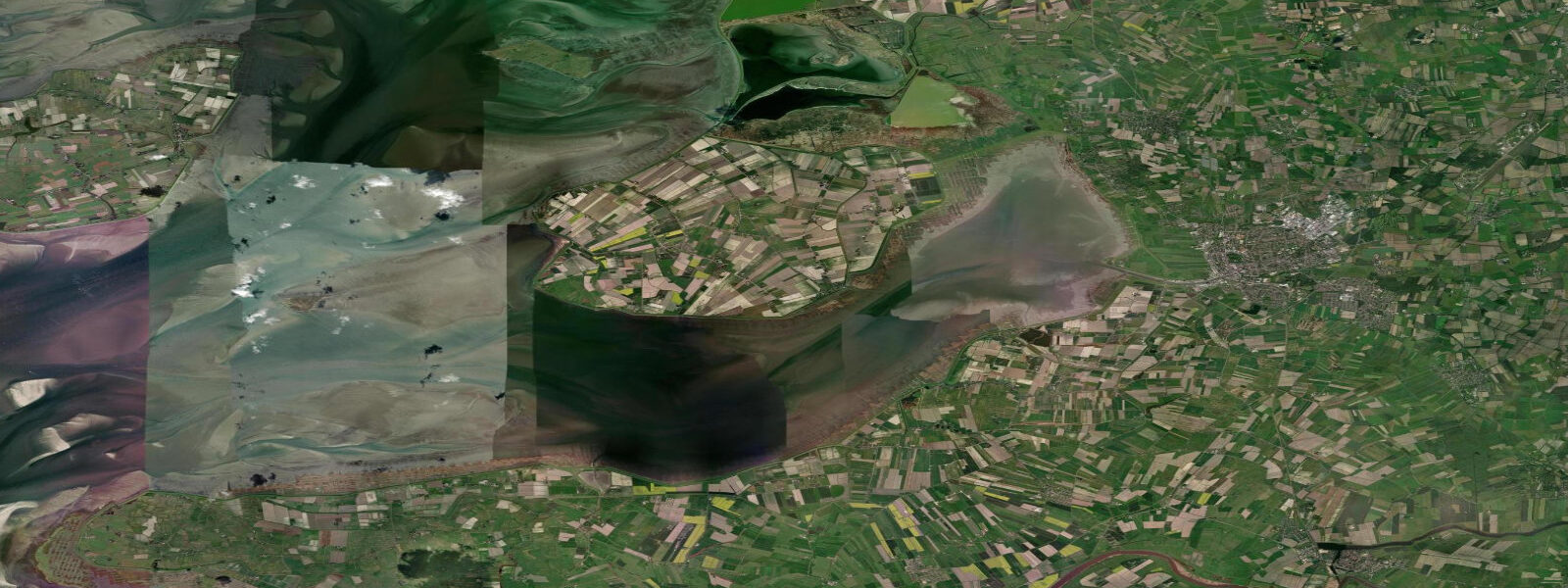
Husum, Schleswig-Holstein tide times
Husum, Schleswig-Holstein tide forecast — heights relative to MSL.
Today's tide times for Husum, Schleswig-Holstein
Tide times at Husum, Schleswig-Holstein on Tuesday, 4 August 2026: first low tide at 02:00, first high tide at 04:42, second low tide at 11:06, second high tide at 16:33, third low tide at 23:38. Sunrise 05:38, sunset 21:20.
Tide chart for Husum, Schleswig-Holstein
24-hour cosine-interpolated curve around the present moment. Heights relative to MSL. Predictions: Predictions: Open-Meteo Marine (MeteoFrance SMOC, 0.08° grid).
Sun, moon and conditions on Tue 04 Aug
Snapshot at build time — refreshes daily. Sea state from Open-Meteo Marine.
Highs and lows next 7 days
Every predicted high and low for the next week, with the daily tidal coefficient (0–120; higher = bigger swing, > 95 means stronger currents).
Other spots nearby
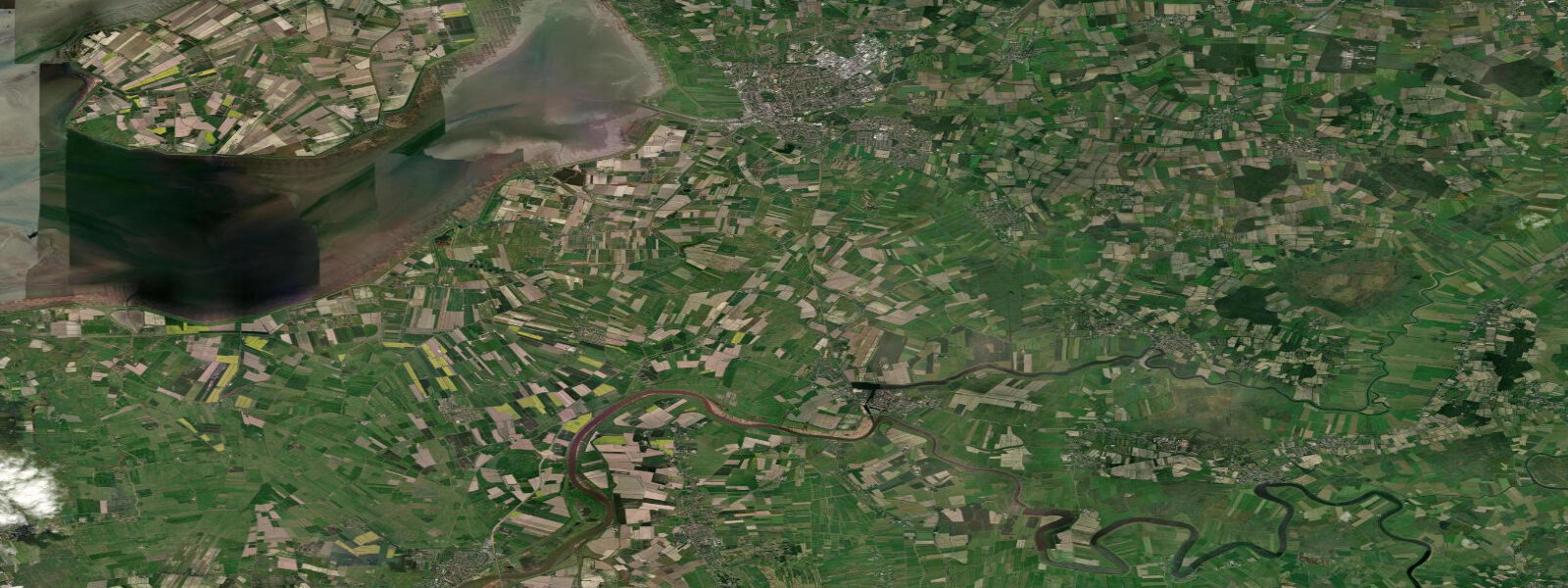
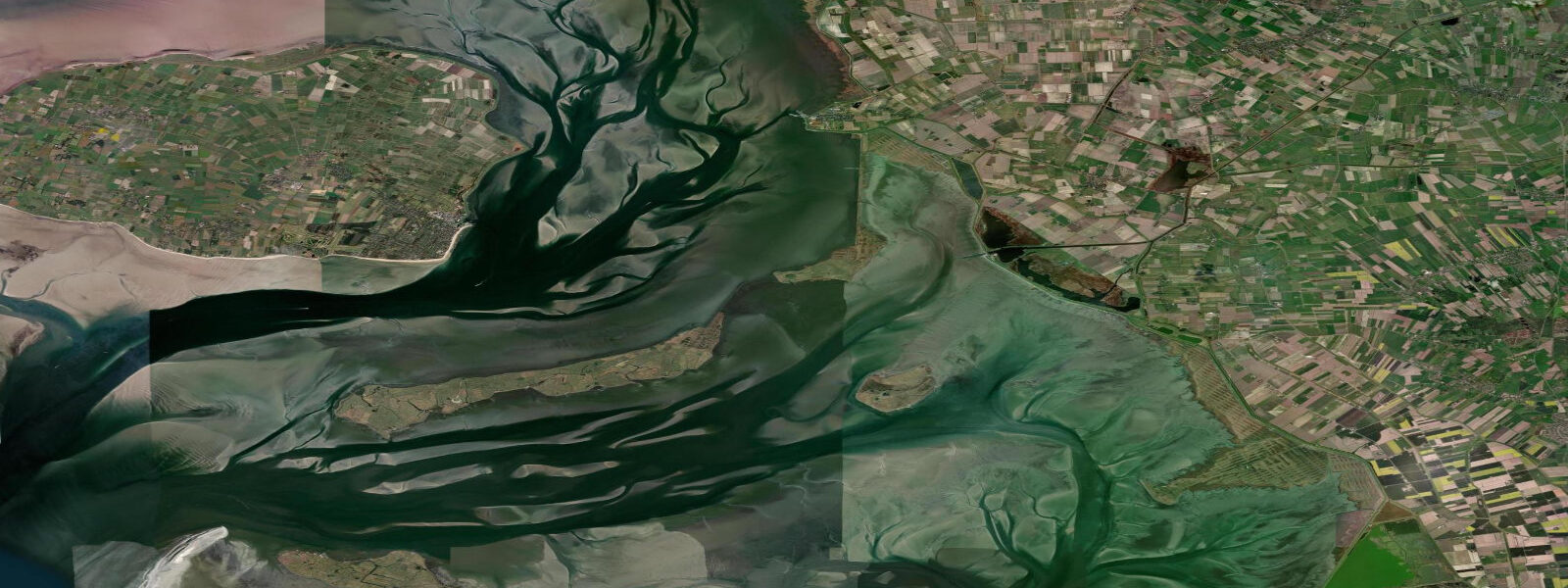
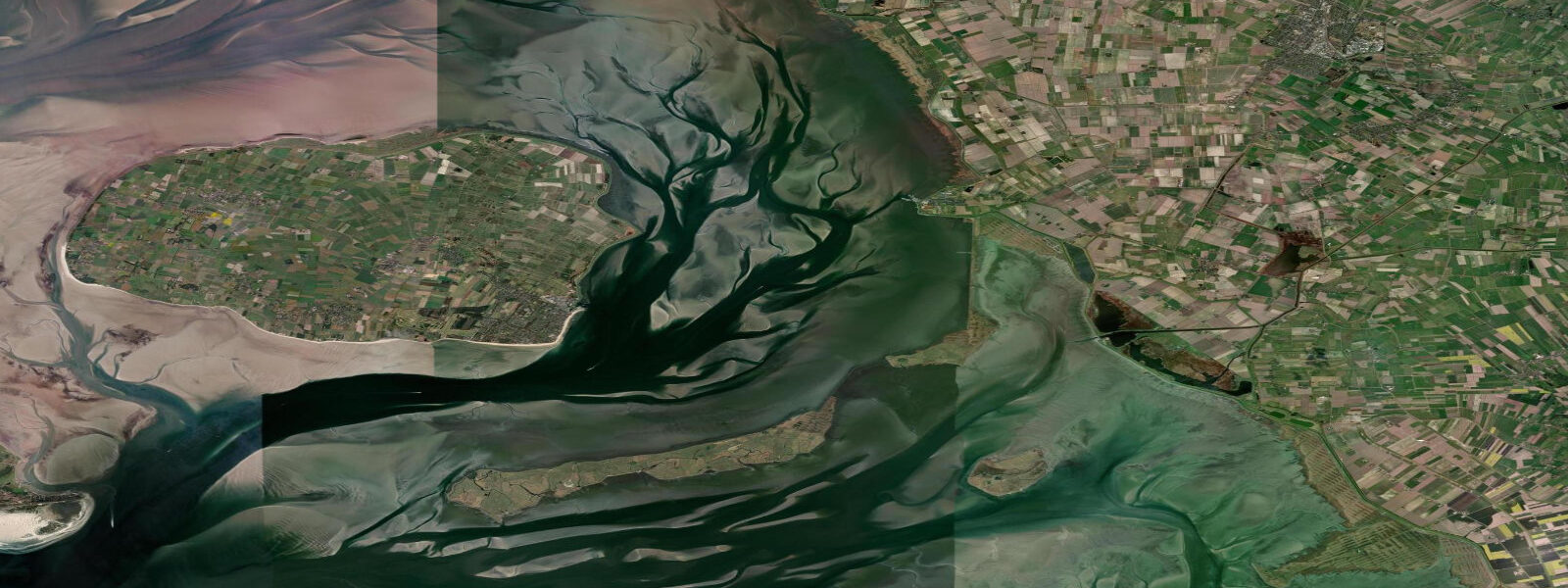
The three closest curated TideTurtle locations to Husum, Schleswig-Holstein, measured by great-circle distance.
Today's solunar windows
Solunar tradition: major periods are the ≈3h windows around moon transit and opposition; minor are ≈2h around moonrise and moonset. Pair with the local tide stage and wind for the best read.
Cycle dates near Husum, Schleswig-Holstein
Last spring tide on Tue 04 Aug (range 3.0m). Next spring tide on Mon 10 Aug (range 2.6m). Next neap on Sat 08 Aug.
Spring tides cluster around new and full moons (biggest swings). Neap tides land on quarter moons (smallest swings). See the spring tide and neap tide glossary entries for the why.
About tides at Husum, Schleswig-Holstein
A short guide to the coastline at Husum, Schleswig-Holstein — geography, sea state, and what the tide is actually doing under your feet.
Husum is the operational centre of the North Frisian coast — a market town that has organised itself around the Wadden Sea for centuries, long before the sea became a UNESCO World Heritage Site. The harbour is functional rather than decorative: coastal ferries to the Hallig islands, fishing vessels, small cargo traffic, and a Schlosshafen (castle harbour) inner basin that dries to mud at low water. At high water the harbour looks like any working port; at low water, 3–4 hours after the tide turns, the outer approaches are mudflat and the inner basin is a gleaming grey plate of tidal sediment.
The tidal regime here is large by North Sea standards. Mean spring range at Husum runs 3.7–4.2 metres; neap range 3.3–3.5 metres. The tide is semidiurnal — two highs and two lows each day — with a consistent rhythm that makes planning straightforward once you know the reference. High water at Husum runs approximately 1 hour 20 minutes after the tidal standard at Helgoland. Flood tide typically runs from around 06:30 to 13:10 on a representative mid-range day; the ebb from 13:10 to 19:30, with the cycle shifting roughly 50 minutes later each successive day following the lunar phase.
At low water, the Wadden Sea mudflats west of Husum extend 5–8 kilometres seaward of the harbour entrance. The exposure is total: the mudflat surface is a working ecosystem of lugworms, cockles, Baltic tellin, and ragworms, all exploited by the tens of thousands of waders and shelduck that feed the flats through autumn and winter. Walking the Watt — guided Wattwanderungen — is the signature coastal experience here. The walks cross the exposed mudflat toward the sandbanks (Sandbänke) and in some cases to the offshore Halligen, which are only island-like features at high water and become part of the continuous mudflat at low. The key timing rule: leave the Watt with sufficient margin before the flood returns. Tidal flooding on the North Frisian Watt is fast and the channels fill before the surrounding flat is covered — a person caught in a tidal channel on a rising tide is in genuine difficulty.
The Halligen are the destination that Husum's ferry service makes accessible. These are remnant salt-marsh islands without protective dikes — ten in number, scattered across the Wadden Sea between the Eiderstedt peninsula and the North Frisian Islands. The largest, Langeneß and Hooge, have populations of 100–200 people each living on elevated Warften (dwelling mounds) that keep houses above the flood tide. The ferries from Husum's outer harbour operate on tidal schedules — high water is required for the approach channels to be navigable. A printed timetable is necessary; the crossing takes 1–2 hours depending on destination.
Storm surges (Sturmfluten) are a defining feature of the North Frisian coast. Historically one to two significant surge events occur per winter season (November–February), driven by sustained westerly and northwesterly gales that pile North Sea water into the German Bight. The benchmark surge at Husum is the 1962 event (4.45 metres above mean sea level at Hamburg — the event that reshaped German coastal flood defence policy). More recent significant surges include 1976, 1981, and 2006. The dike system protecting the Husum hinterland has been progressively raised since 1962; the current standard provides protection against the statistical 1-in-200-year event. For visitors, storm surge watches (Sturmflutwarnung) are broadcast by the BSH and local radio — they are not academic.
Theodor Storm, the 19th-century German-language novelist, was born in Husum in 1817. His novella Der Schimmelreiter (The Rider on the White Horse, 1888) is a story of obsession set against the North Frisian dike-building tradition — the protagonist Hauke Haien is a dike-master who bets everything on a new geometrical dike design against the resistance of the local community and the indifference of the sea. Storm called Husum the graue Stadt am Meer — the grey city by the sea. The epithet is accurate in November, unjust in May when the old town fills with purple crocuses.
For anglers, the harbour mouth area and the outer channels at half-tide produce flounder, dab, and occasional sea trout. The channels between the sandbanks hold bass in summer. The tide dictates the session: fish the first two hours of the flood into the harbour mouth, or the last two hours of ebb out over the mudflat channels.
Tide data for Husum, Schleswig-Holstein comes from the Open-Meteo Marine API, a gridded model product. Timing accuracy is ±45 minutes, height accuracy ±0.3 m — usable for trip planning, not for navigation.
Tide questions about Husum, Schleswig-Holstein
Quick answers to the most common questions about tide times, range, and water access at Husum, Schleswig-Holstein.
What is the tidal range at Husum?
Husum has a large semidiurnal tidal range: 3.3–3.5 m on neaps, 3.7–4.2 m on spring tides. Two high waters and two low waters occur each day. High water at Husum runs approximately 1 hour 20 minutes after Helgoland standard. At low water, the Wadden Sea mudflats west of the harbour are exposed out to 5–8 km seaward — the full Watt surface is accessible on foot with a guide. At high water, the outer harbour is navigable for the Hallig ferries.
How do I get to the Hallig islands from Husum?
Ferries depart from Husum's outer harbour (not the Schlosshafen inner basin) on schedules tied to high water — the approach channels require sufficient depth. Langeneß and Hooge are the most accessible destinations, with crossings of 1–2 hours. A printed timetable from the ferry operator (Wyker Dampfschiffs-Reederei) is essential; departure times shift with the tide cycle, moving roughly 50 minutes later each day. Book ahead in summer. The Halligen have no dikes — the islands are salt-marsh mounds that partially flood in storm surges.
Is it safe to walk on the Wadden Sea mudflats at Husum?
Guided walks (Wattwanderungen) are safe and highly recommended — guided groups follow routes that account for tidal timing and channel positions. Independent walking on the exposed Watt without local knowledge carries real risk. The flood tide fills tidal channels before the surrounding flat is covered, cutting off return routes. On a spring tide, the flood rises fast enough to overtake a walker who misjudged the timing. Go with a licensed Wattführer (mudflat guide); the local tourist office in Husum maintains a register. Always check the tide time for the day and build in a 90-minute safety margin for return.
What is a Sturmflut and how dangerous are they at Husum?
A Sturmflut is a storm surge — elevated sea level driven by sustained westerly and northwesterly gales pushing North Sea water into the German Bight. Husum typically sees one to two significant surge events per winter season (November–February). The modern dike system protects the town against statistical 1-in-200-year surge events. During surge warnings (Sturmflutwarnung, broadcast by BSH and local radio), low-lying harbour areas and the outer car parks may flood — follow local authority guidance. The Schlosshafen inner basin can exceed its banks in moderate surges. The historical 1962 surge event reached 4.45 m above mean sea level at Hamburg and remains the reference event for German coastal flood defence standards.
What is Der Schimmelreiter and what does it have to do with Husum?
Der Schimmelreiter (The Rider on the White Horse) is a novella by Theodor Storm, published in 1888 and one of the most significant works in the German-language literary canon. Storm was born in Husum in 1817 and set the story on the North Frisian coast. The plot follows Hauke Haien, a gifted but obsessive dike-master who designs and builds a new geometrical dike against community resistance, only to see it fail catastrophically in a storm surge. The novella is a study of human ambition and the indifference of the North Sea — still relevant in a coast where storm surge culture is embedded in daily life. Storm's birthplace on the Markt is marked; Husum's self-description as the graue Stadt am Meer (grey city by the sea) comes from his poetry.
8-day tide table — Husum, Schleswig-Holstein
Heights relative to MSL. Predictions: Open-Meteo Marine (MeteoFrance SMOC, 0.08° grid) — heights relative to MSL (not chart datum / LAT). Model-derived.
| Day | Type | Time | Height |
|---|---|---|---|
| Tue 04 Aug | Low | 02:00 | 0.3m |
| High | 04:42 | 0.8m | |
| Low | 11:06 | -1.8m | |
| High | 16:33 | 1.2m | |
| Low | 23:38 | -1.8m | |
| Wed 05 Aug | High | 04:24 | 1.1m |
| High | 05:31 | 1.1m | |
| Low | 11:51 | -1.4m | |
| High | 16:21 | 1.4m | |
| Thu 06 Aug | Low | 00:33 | -1.5m |
| High | 04:57 | 1.0m | |
| Low | 12:38 | -1.1m | |
| High | 17:00 | 1.4m | |
| Fri 07 Aug | Low | 01:18 | -1.3m |
| High | 05:22 | 0.9m | |
| Low | 13:46 | -1.5m | |
| High | 18:05 | 0.7m | |
| High | 19:41 | 0.7m | |
| Sat 08 Aug | Low | 02:17 | -1.4m |
| High | 06:26 | 0.6m | |
| High | 08:33 | 0.7m | |
| Low | 14:52 | -1.3m | |
| High | 21:00 | 0.8m | |
| Sun 09 Aug | Low | 03:28 | -1.2m |
| High | 09:39 | 0.8m | |
| Low | 15:59 | -1.2m | |
| High | 22:07 | 1.0m | |
| Mon 10 Aug | Low | 04:37 | -1.2m |
| High | 10:41 | 1.1m | |
| Low | 17:09 | -1.5m | |
| High | 23:13 | 1.0m | |
| Tue 11 Aug | Low | 01:00 | 0.3m |