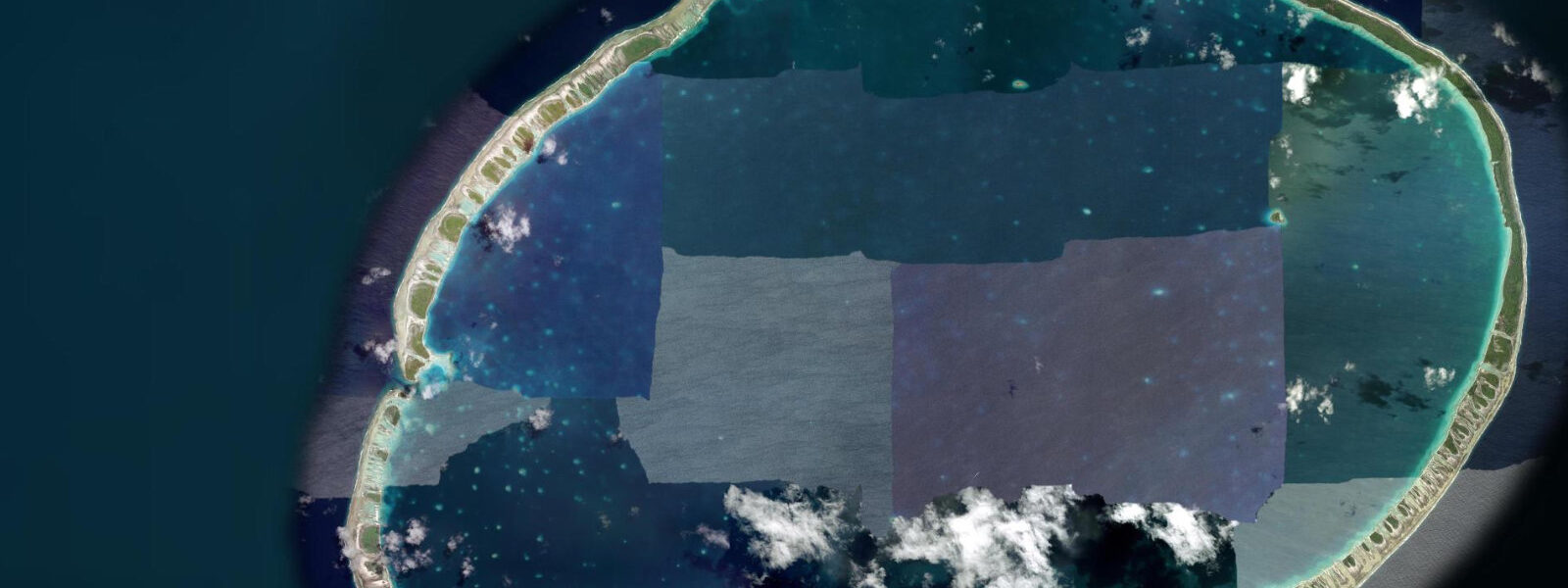
Tikehau tide times
Tikehau tide forecast — heights relative to MSL.
Today's tide times for Tikehau
Tide times at Tikehau on Monday, 3 August 2026: first low tide at 02:00pm, first high tide at 05:10pm. Sunrise 06:14am, sunset 05:43pm.
Tide chart for Tikehau
24-hour cosine-interpolated curve around the present moment. Heights relative to MSL. Predictions: Predictions: Open-Meteo Marine (MeteoFrance SMOC, 0.08° grid).
Sun, moon and conditions on Mon 03 Aug
Snapshot at build time — refreshes daily. Sea state from Open-Meteo Marine.
Highs and lows next 7 days
Every predicted high and low for the next week, with the daily tidal coefficient (0–120; higher = bigger swing, > 95 means stronger currents).
Other spots nearby
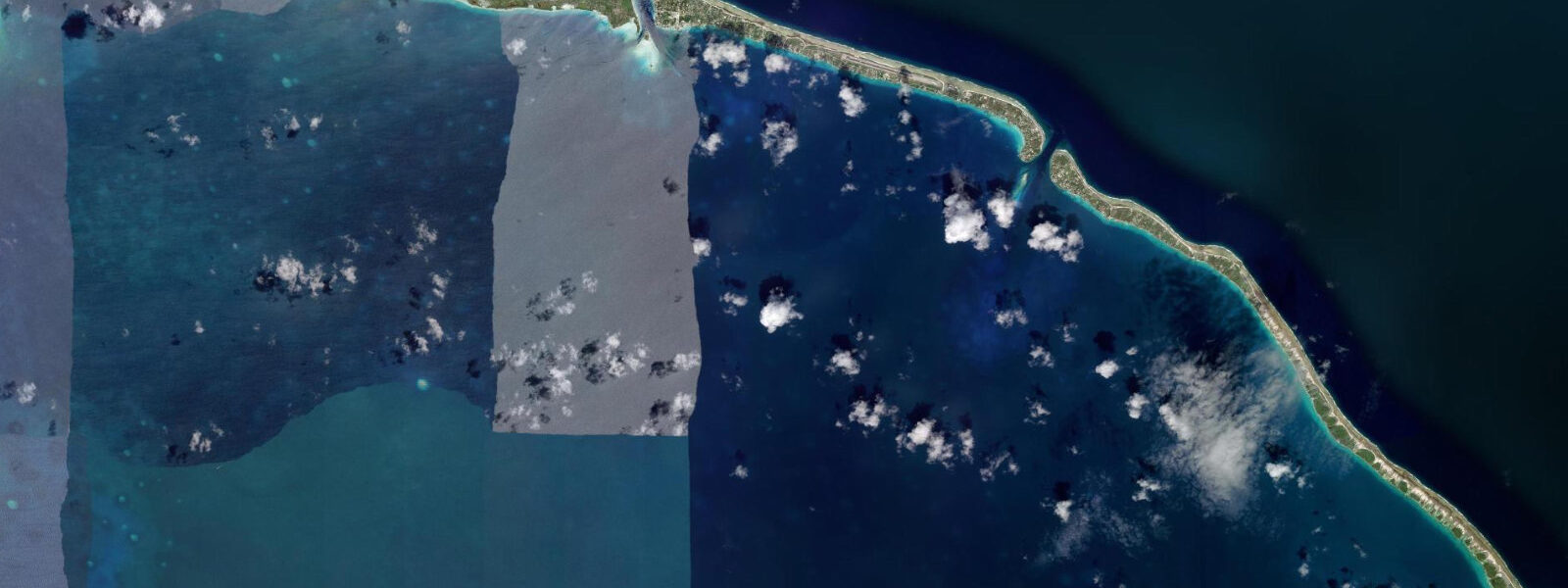
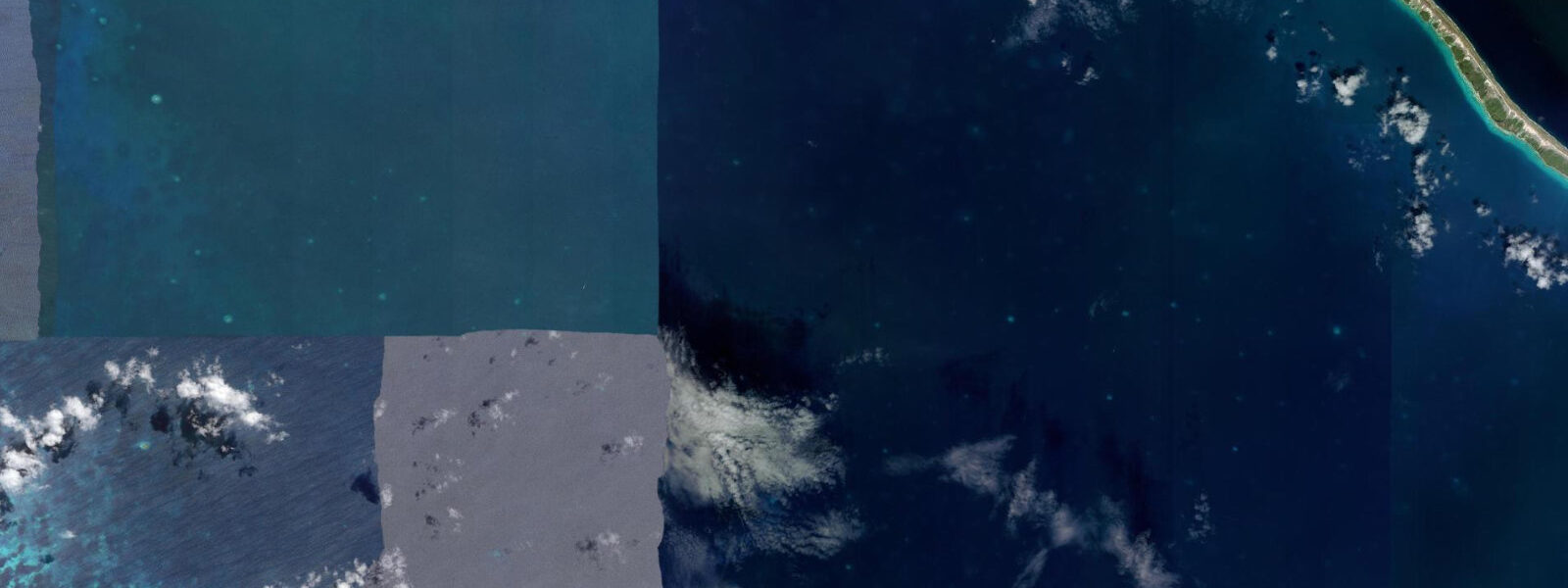
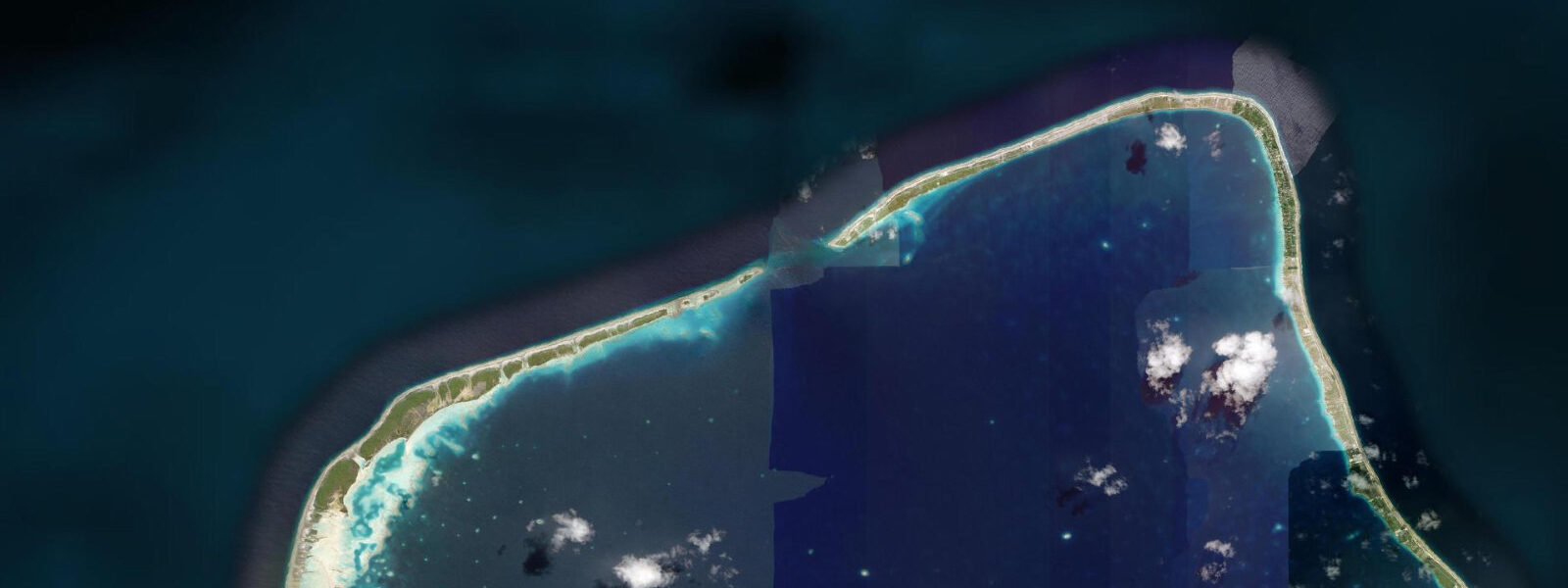
The three closest curated TideTurtle locations to Tikehau, measured by great-circle distance.
Today's solunar windows
Solunar tradition: major periods are the ≈3h windows around moon transit and opposition; minor are ≈2h around moonrise and moonset. Pair with the local tide stage and wind for the best read.
Cycle dates near Tikehau
Next spring tide on Sun 09 Aug (range 0.4m). Next neap on Thu 06 Aug.
Spring tides cluster around new and full moons (biggest swings). Neap tides land on quarter moons (smallest swings). See the spring tide and neap tide glossary entries for the why.
About tides at Tikehau
A short guide to the coastline at Tikehau — geography, sea state, and what the tide is actually doing under your feet.
Tikehau is a near-circular atoll in the Tuamotu Archipelago, approximately 300 kilometres north of Tahiti and 80 kilometres west of Rangiroa. The atoll measures approximately 26 kilometres in diameter, with a single pass — Tuheiava Pass — on the western rim. The lagoon is renowned for its exceptional clarity and shallow depth: in the inner sections, water visibility exceeds 30 metres and the bottom is visible in depths of 20 metres as clearly as in a swimming pool. The pink-sand beaches on the interior motu (islets) along the northern rim are one of the atoll's distinctive visual features — the pink colouration comes from fragments of red coral and shell mixed into the fine white calcareous sand.
The tidal regime at Tikehau is mixed semidiurnal, with a spring range of approximately 0.3 to 0.5 metres in the surrounding open ocean. Tuheiava Pass carries a moderate tidal current of 2 to 3 knots at spring peaks — substantially less powerful than the passes at Rangiroa or Fakarava, which makes Tikehau's pass more accessible for less experienced divers and snorkellers who want pass-current exposure without the extreme conditions of the larger Tuamotu atolls. The pass is narrow enough to be swum across in calm conditions at slack water.
The marine life at Tikehau is exceptionally dense relative to the size of the atoll. A 1987 research study by the ORSTOM research institute documented the highest biomass of fish per unit area of any Tuamotu atoll surveyed at that time — a finding attributed to the combination of clear water, moderate current (which brings nutrients without the erosive disturbance of extreme currents), and limited human fishing pressure. The fish community includes multiple species of grouper, large schools of barracuda (Sphyraena qenie, chevron barracuda, schooling in spirals in the mid-water), schools of jack (Caranx ignobilis, giant trevally), and eagle rays (Aetobatus narinari) in the pass on the incoming tide.
Manta rays are regular visitors to the pass on incoming tides, filtering the plankton-rich water that floods in from the Pacific. The manta encounters at Tikehau are in shallower water (5 to 12 metres) than at many Maldivian or Indonesian manta sites — the pass geometry keeps the animals relatively close to the surface. Snorkelling the pass on the incoming tide is a viable alternative to scuba for manta encounters here.
The pink-sand motu beach excursion is the standard non-diving day trip from the village of Tuherahera (the main settlement, on the southern rim near the airport). The boat trip to the northern pink-sand motu takes 30 to 45 minutes through the inner lagoon, with the shallow sandy bottom visible throughout. The motu have no permanent facilities — bring food, water, sun protection, and snorkel gear.
Accommodation at Tikehau is at small pensions in Tuherahera and at two larger hotels on private motu within the lagoon. Air Tahiti operates flights from Papeete (approximately 1 hour) and from Rangiroa (20 minutes) to Tikehau Airport. The atoll is small enough that all dive sites are within 30 minutes of the main village by boat.
Predictions on this page come from Open-Meteo Marine, a gridded global ocean model. Accuracy is typically within plus or minus 45 minutes on timing and 0.2 to 0.3 metres on height — model-derived, not from a local gauge. The local authority for tide information in French Polynesia is the Service Hydrographique et Océanographique de la Marine (SHOM).
Tide questions about Tikehau
Quick answers to the most common questions about tide times, range, and water access at Tikehau.
Why is Tikehau lagoon considered unusually clear?
Tikehau lagoon is shallow (average depth 25 metres, much of it 10 to 15 metres), has high water exchange through its single pass, and sits in a relatively low-productivity area of the central Pacific where plankton density is modest. These factors combine to produce visibility exceeding 30 metres in the inner lagoon — the sandy bottom is visible from the surface in depths where most lagoons would show only blue water. The pink-sand beaches on the northern motu add to the visual distinctiveness: the pink colouration comes from red coral and shell fragments mixed into the calcareous sand.
Can I snorkel the Tikehau pass for manta rays?
Yes. Manta rays enter Tuheiava Pass on the incoming tide, filtering plankton-rich water in 5 to 12 metres depth. The shallower water level of manta encounters at Tikehau compared to many other sites makes snorkelling viable without scuba gear. Enter the water at the lagoon-side edge of the pass on the incoming tide, position yourself at 5 metres depth, and allow the gentle 2 to 3 knot current to drift you toward the inner lagoon while watching the reef edge. Encounters are most frequent in the morning flood tide. Book the excursion through a local operator who monitors manta activity and times the entry appropriately.
What fish are in the Tikehau pass?
The pass and surrounding reef support multiple grouper species, large schools of chevron barracuda (Sphyraena qenie) spiralling in the mid-water, schools of giant trevally (Caranx ignobilis), grey reef shark, and blacktip reef shark. Eagle rays cross the pass on incoming tides. Manta rays filter the pass current on morning flood tides. The 1987 ORSTOM survey documented the highest fish biomass per unit area of any Tuamotu atoll surveyed at the time — conditions that remain largely intact due to the atoll's small resident population and limited commercial fishing.
How do I get to Tikehau?
By Air Tahiti from Papeete (approximately 1 hour) or from Rangiroa (approximately 20 minutes). Air Tahiti operates the route on most days of the week, though frequency varies by season. Tikehau is often combined with Rangiroa and Fakarava on an Air Tahiti island pass. Accommodation options include pensions in Tuherahera village and two hotels on private motu within the lagoon. All dive and snorkel sites are within 30 minutes by boat from Tuherahera. There is no vehicle-accessible road circuit of the atoll — inter-motu travel is by boat.
What is the tidal range at Tikehau?
Spring tidal range at Tikehau is approximately 0.3 to 0.5 metres in the open Pacific surrounding the atoll. The single pass (Tuheiava) carries a moderate current of 2 to 3 knots at springs — more gentle than the passes at Rangiroa or Fakarava. The lagoon water level responds to the tidal cycle with a slight lag. The modest current through the pass is accessible to snorkellers and less experienced divers without the extreme conditions of the larger Tuamotu passes. Predictions here come from Open-Meteo Marine (±45 minutes on timing, ±0.3 m on height). Not for navigation; consult SHOM tide tables.
8-day tide table — Tikehau
Heights relative to MSL. Predictions: Open-Meteo Marine (MeteoFrance SMOC, 0.08° grid) — heights relative to MSL (not chart datum / LAT). Model-derived.
| Day | Type | Time | Height |
|---|---|---|---|
| Mon 03 Aug | Low | 14:00 | 0.7m |
| High | 17:10 | 0.8m | |
| Tue 04 Aug | Low | 00:00 | 0.6m |
| High | 06:00 | 0.7m | |
| Wed 05 Aug | — | ||
| Thu 06 Aug | Low | 16:00 | 0.6m |
| High | 22:00 | 0.7m | |
| Fri 07 Aug | Low | 16:50 | 0.5m |
| High | 23:10 | 0.8m | |
| Sat 08 Aug | Low | 17:45 | 0.5m |
| High | 23:45 | 0.8m | |
| Sun 09 Aug | Low | 06:00 | 0.4m |
| High | 12:06 | 0.8m | |
| Mon 10 Aug | Low | 06:20 | 0.4m |
| High | 13:00 | 0.9m | |