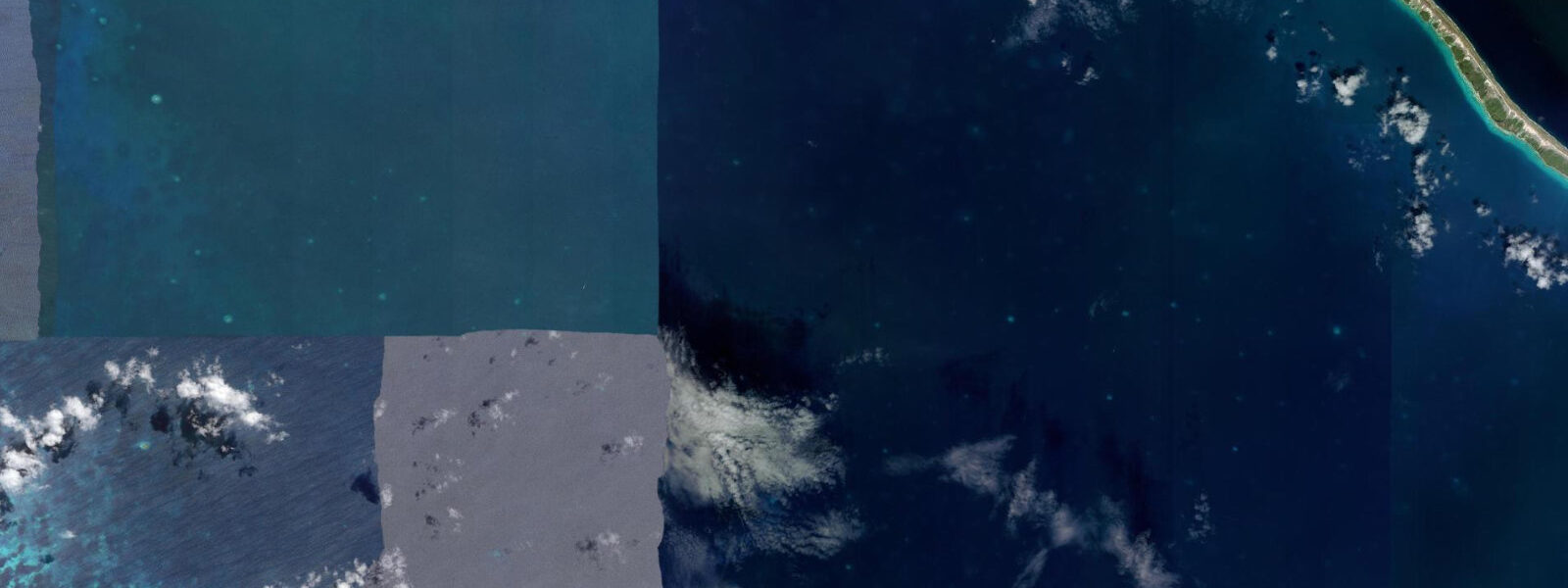
Rangiroa, French Polynesia tide times
Rangiroa, French Polynesia tide forecast — heights relative to MSL.
Today's tide times for Rangiroa, French Polynesia
Tide times at Rangiroa, French Polynesia on Monday, 3 August 2026: first low tide at 02:00pm, first high tide at 05:00pm, second low tide at 11:50pm. Sunrise 06:12am, sunset 05:40pm.
Tide chart for Rangiroa, French Polynesia
24-hour cosine-interpolated curve around the present moment. Heights relative to MSL. Predictions: Predictions: Open-Meteo Marine (MeteoFrance SMOC, 0.08° grid).
Sun, moon and conditions on Mon 03 Aug
Snapshot at build time — refreshes daily. Sea state from Open-Meteo Marine.
Highs and lows next 7 days
Every predicted high and low for the next week, with the daily tidal coefficient (0–120; higher = bigger swing, > 95 means stronger currents).
Other spots nearby
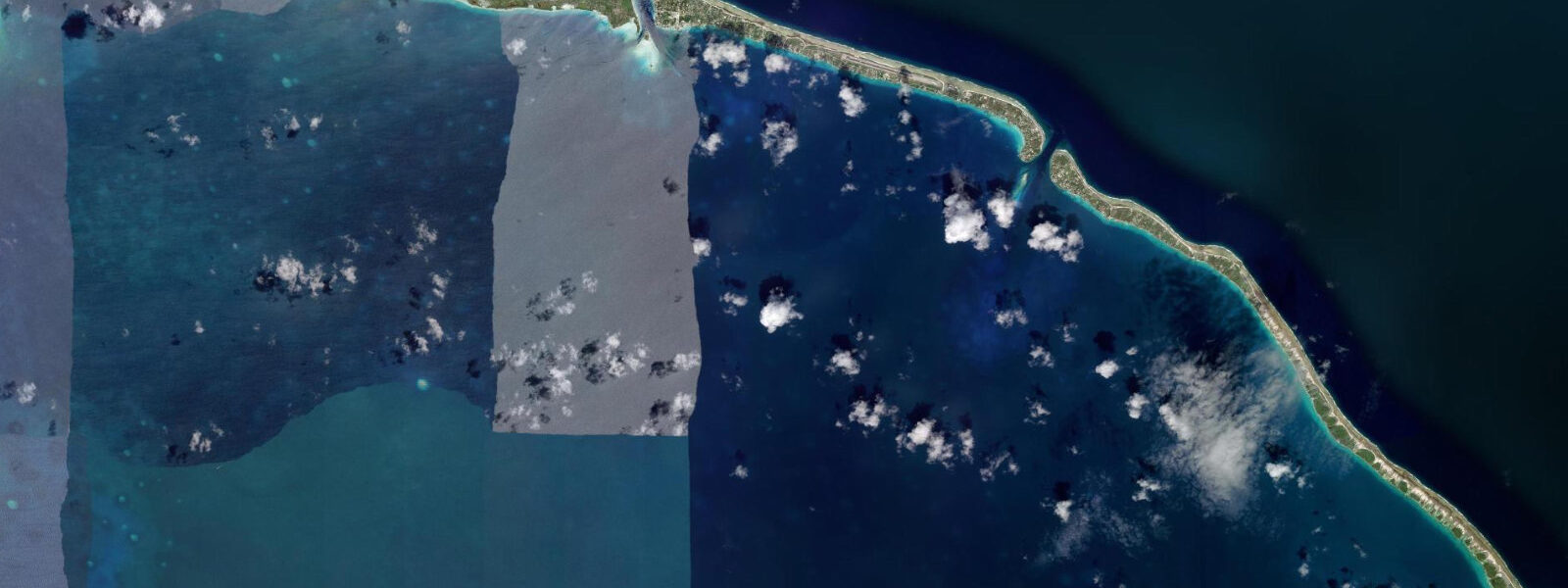
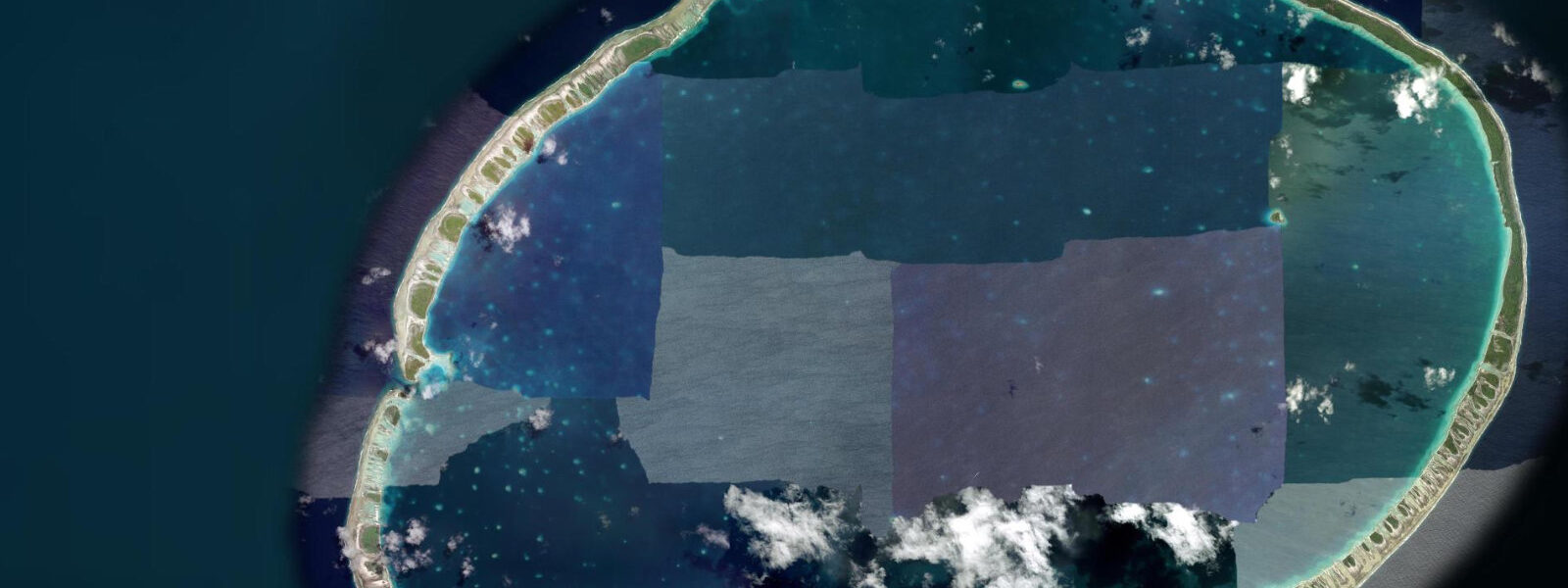
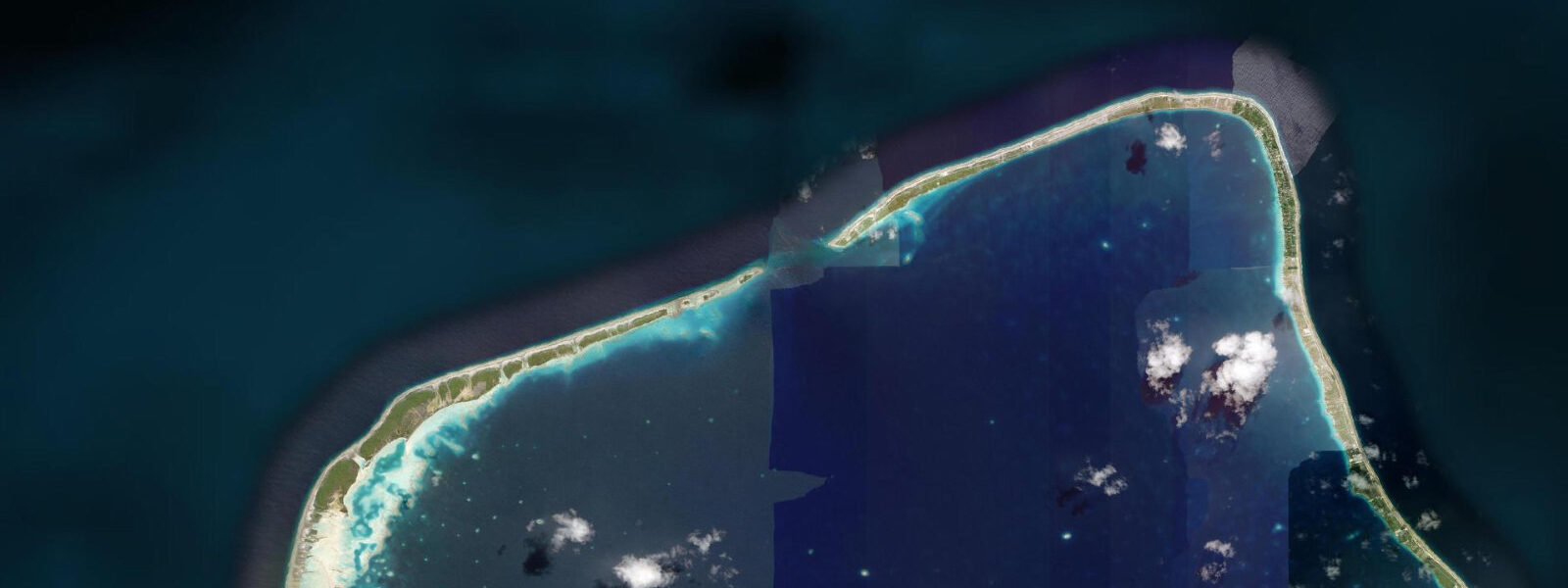
The three closest curated TideTurtle locations to Rangiroa, French Polynesia, measured by great-circle distance.
Today's solunar windows
Solunar tradition: major periods are the ≈3h windows around moon transit and opposition; minor are ≈2h around moonrise and moonset. Pair with the local tide stage and wind for the best read.
About tides at Rangiroa, French Polynesia
A short guide to the coastline at Rangiroa, French Polynesia — geography, sea state, and what the tide is actually doing under your feet.
Rangiroa is the second-largest atoll in the world: a nearly complete ring of coral motus (islets) enclosing a lagoon 75 km long and 25 km wide. The lagoon is large enough to contain its own weather — squalls form over the warm interior water and dissipate before reaching the outer reef edge. From above, the motus look like a thin chalk line around an inland sea; the highest point on any motu barely clears 5 m above sea level. The two principal villages, Avatoru and Tiputa, sit on either side of the atoll's two main passes.
The defining physical fact of Rangiroa is its tidal exchange. The entire lagoon — roughly 1,800 km² of enclosed water — exchanges with the open Pacific exclusively through Tiputa Pass on the eastern side and Avatoru Pass on the western side. Nothing else: the 240 km of surrounding reef is effectively impermeable. When the tide turns, every cubic metre of water required for the lagoon to equilibrate must pass through one of two channels. Tiputa Pass at its throat is roughly 400 m wide and 50 m deep; Avatoru is shallower and wider. On a spring ebb, Tiputa runs at 5 to 8 knots. The current is visible as standing waves at the pass entrance, audible as turbulence on calm days, and felt as overwhelming force the moment you enter the water.
What this hydraulic machinery produces biologically is exceptional. The mixing of oceanic and lagoonal water at the pass creates a convergence zone rich in dissolved oxygen and nutrients, concentrated enough to support the food web from plankton to apex predator in dense proximity. Grey reef sharks — twenty, fifty, two hundred — station in the current on the pass walls, holding position effortlessly while hunting the reef fish disoriented in the flow. Bottlenose dolphins ride the surface current through the pass exit daily, surfable in their bow-wake energy. Manta rays sweep through on the outgoing tide, feeding on the zooplankton concentrated by the hydraulic mixing. On calm days, humpback whales have been observed at the Tiputa pass entrance in season.
The drift dive through Tiputa is one of the defining dive experiences in the Pacific: enter from the outer ocean side at the right moment in the tidal cycle, let the current carry you through 1 to 2 km of the pass, and exit into the lagoon at the inner end as the current decelerates. Total underwater time: 25 to 40 minutes on a single tank. The pass current timing follows the open-ocean tidal cycle with a 1 to 2 hour lag, as the lagoon volume phase-shifts the hydraulic signal. The operator briefing covers the day's entry time, calculated from the morning's tidal observation combined with the predicted cycle.
Avatoru Pass is shallower (3 to 8 m), slower (1 to 2 knots on springs), and calmer at the approach: the snorkelling and novice-dive pass. The coral garden at Avatoru's interior end is accessible to swimmers in the 30-minute slack-water window between tidal directions. Pearl farming in the lagoon uses the tidal flushing for water quality maintenance in the oyster lines; farm visits are available from Avatoru village. Predictions on this page come from Open-Meteo Marine (gridded model, ±45 min / ±0.2–0.3 m). The open-ocean prediction is the baseline; pass current timing requires the local lag correction that operators apply from direct observation. The Rangiroa wine cellar at the Domaine de Tefaafana on Avatoru Motu is the most improbable agricultural footnote in the Tuamotus: a small wine-producing operation that grows Carignan grapes on coral soil in salt-spray conditions, producing a wine sold primarily to passing Pacific yachts and French Polynesia resorts. Tours of the operation run from Avatoru village by advance arrangement. The cellar is not open without a booking.
Tide questions about Rangiroa, French Polynesia
Quick answers to the most common questions about tide times, range, and water access at Rangiroa, French Polynesia.
When is the next high tide at Rangiroa?
The hero block shows the next predicted high at Rangiroa in Tahiti Time (TAHT, UTC-10). The Tiputa Pass current maximum follows the predicted high by approximately 1 to 2 hours — the lagoon's volume creates a phase lag before the ebb current builds to its 5 to 8 knot maximum. The dive operator uses the tidal prediction combined with local current observation to calculate the day's entry time; ask at the dive centre for the scheduled drift departure rather than using the raw tide time directly. Predictions from Open-Meteo Marine (gridded model, ±45 min / ±0.2–0.3 m).
What is the tidal range at Rangiroa?
Open-ocean spring range at Rangiroa is 0.4 to 0.7 m — modest in absolute height. The significance is entirely in the pass current: the 1,800 km² lagoon volume equilibrating through two passes converts even a small tidal height difference into a 5 to 8 knot current at the Tiputa Pass throat on spring ebbs. Neap tides reduce the pass current to 2 to 4 knots; the drift is slower and less dramatic but still diveable. On neap tides the Tiputa Pass current drops to 2 to 4 knots — still a strong drift dive, but less dramatic than the spring ebb. The dolphin encounter at the pass entrance is independent of tidal strength.
Where do these predictions come from?
Open-Meteo Marine, a free gridded global ocean model, accuracy ±45 min / ±0.2–0.3 m. Météo-France Polynésie publishes authoritative tidal predictions for French Polynesia; the Rangiroa reference station is Avatoru. The atoll's internal resonance means the pass current timing requires a local offset that experienced Rangiroa operators apply from direct observation — the model is the open-ocean baseline, not the operational pass schedule. Météo-France Polynésie publishes the Avatoru reference station tide tables; the pass current timing requires the local lag offset applied by the operators from direct observation.
Can non-divers safely enter the passes?
Avatoru Pass is accessible to confident snorkellers with fins and a guide during the lesser tidal exchange of neap tides (1 to 2 knots). Tiputa Pass at 5 to 8 knots on the spring ebb is not safe for snorkellers at any entry point in the current. At slack water — the 15 to 30 minute window between tidal directions — snorkelling at the Tiputa inner end is possible with a boat standing by in the lagoon. The dolphin encounter is most reliable at the Tiputa outer entrance on the incoming tide when the dolphins ride the flood; glass-bottom boat tours observe them from above without entering the water.
Is this safe to use for navigation?
No. TideTurtle is a planning tool. Tiputa Pass and Avatoru Pass create powerful standing waves at their entrances on the spring ebb — waves capable of swamping small open boats. The 5 to 8 knot current at Tiputa is a serious hazard for any vessel without sufficient engine power to hold position. For navigating the passes at Rangiroa, use official Polynesian Harbours Authority chart products and only attempt pass entry at slack water or on the flood. The 5 to 8 knot ebb at Tiputa creates standing waves at the pass entrance; any vessel transiting the pass should do so on the flood (incoming) tide or at slack water only, using official Polynesian Harbours Authority chart products.
8-day tide table — Rangiroa, French Polynesia
Heights relative to MSL. Predictions: Open-Meteo Marine (MeteoFrance SMOC, 0.08° grid) — heights relative to MSL (not chart datum / LAT). Model-derived.
| Day | Type | Time | Height |
|---|---|---|---|
| Mon 03 Aug | Low | 14:00 | 0.7m |
| High | 17:00 | 0.8m | |
| Low | 23:50 | 0.6m | |
| Tue 04 Aug | High | 18:10 | 0.7m |
| Wed 05 Aug | — | ||
| Thu 06 Aug | — | ||
| Fri 07 Aug | Low | 16:45 | 0.5m |
| High | 22:50 | 0.8m | |
| Sat 08 Aug | Low | 05:00 | 0.5m |
| High | 11:15 | 0.8m | |
| Sun 09 Aug | Low | 05:42 | 0.4m |
| High | 12:00 | 0.8m | |
| Low | 18:00 | 0.4m | |
| Mon 10 Aug | High | 00:10 | 0.8m |
| Low | 06:18 | 0.4m | |