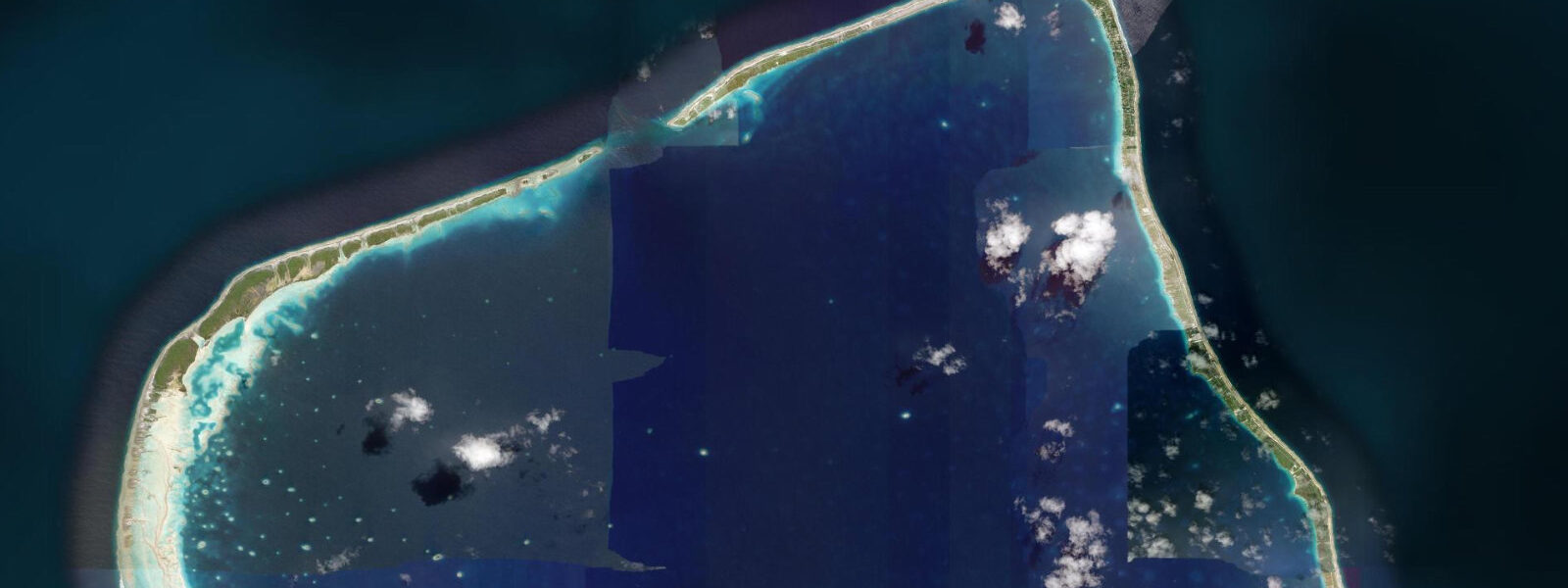
Fakarava, French Polynesia tide times
Fakarava, French Polynesia tide forecast — heights relative to MSL.
Today's tide times for Fakarava, French Polynesia
Tide times at Fakarava, French Polynesia on Monday, 3 August 2026: first low tide at 02:00pm, first high tide at 05:15pm. Sunrise 06:05am, sunset 05:31pm.
Tide chart for Fakarava, French Polynesia
24-hour cosine-interpolated curve around the present moment. Heights relative to MSL. Predictions: Predictions: Open-Meteo Marine (MeteoFrance SMOC, 0.08° grid).
Sun, moon and conditions on Mon 03 Aug
Snapshot at build time — refreshes daily. Sea state from Open-Meteo Marine.
Highs and lows next 7 days
Every predicted high and low for the next week, with the daily tidal coefficient (0–120; higher = bigger swing, > 95 means stronger currents).
Other spots nearby
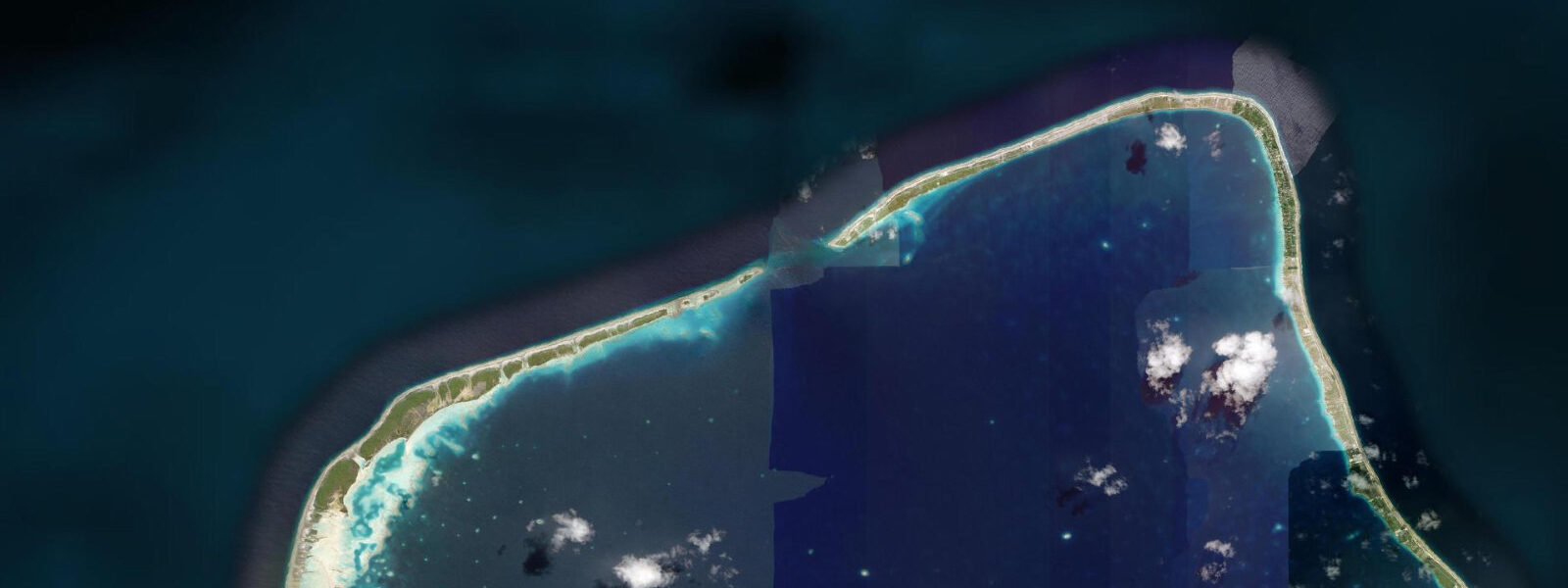
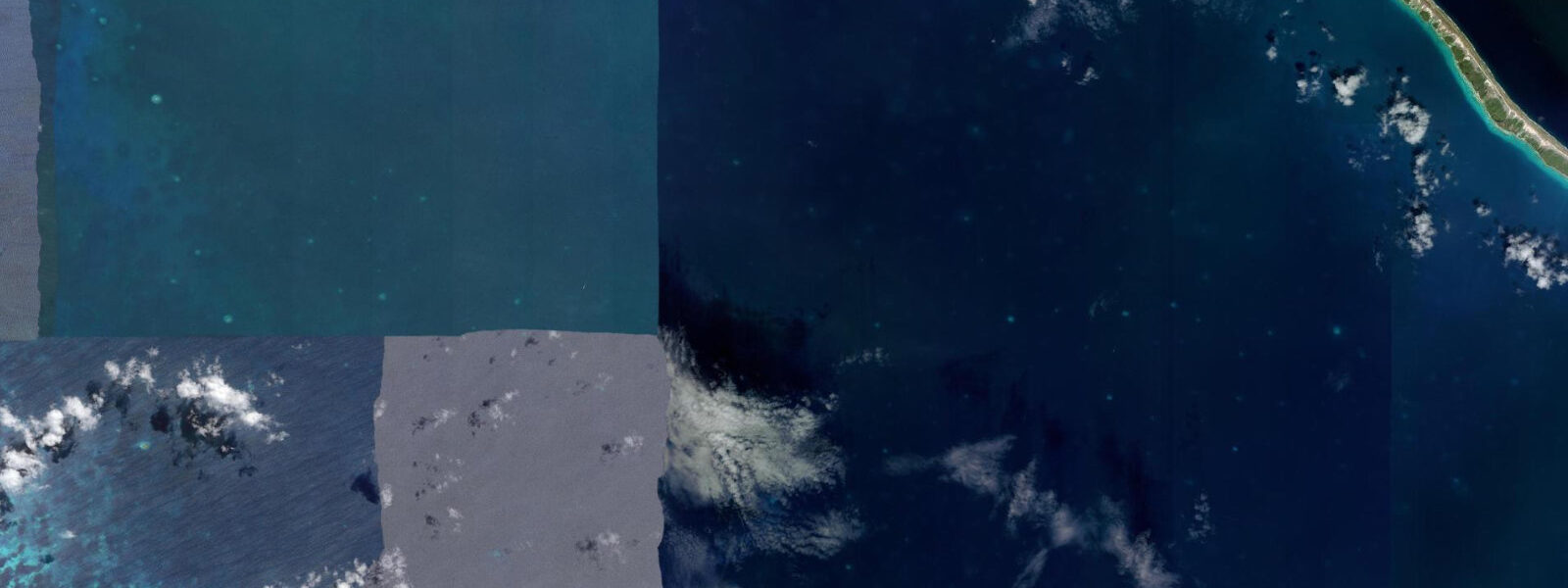
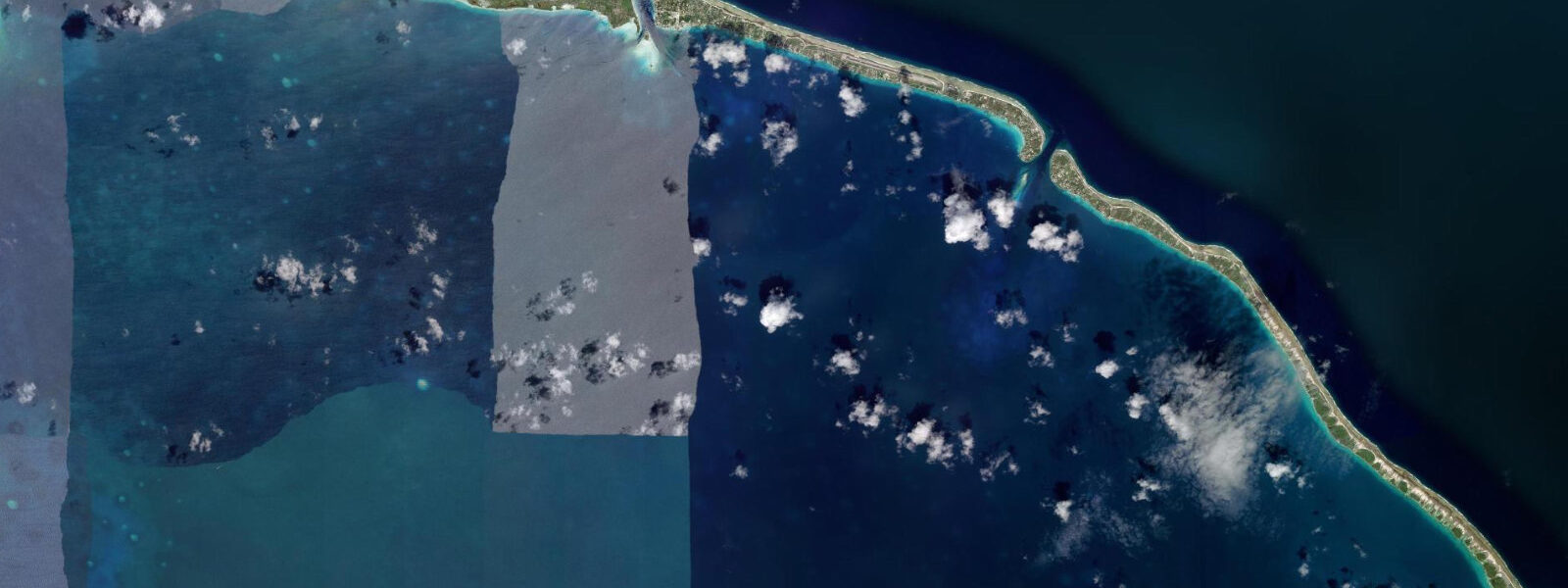
The three closest curated TideTurtle locations to Fakarava, French Polynesia, measured by great-circle distance.
Today's solunar windows
Solunar tradition: major periods are the ≈3h windows around moon transit and opposition; minor are ≈2h around moonrise and moonset. Pair with the local tide stage and wind for the best read.
Cycle dates near Fakarava, French Polynesia
Next spring tide on Sun 09 Aug (range 0.7m). Next neap on Tue 04 Aug.
Spring tides cluster around new and full moons (biggest swings). Neap tides land on quarter moons (smallest swings). See the spring tide and neap tide glossary entries for the why.
About tides at Fakarava, French Polynesia
A short guide to the coastline at Fakarava, French Polynesia — geography, sea state, and what the tide is actually doing under your feet.
Fakarava is a UNESCO Biosphere Reserve atoll in the central Tuamotus, 480 km northeast of Tahiti — elongated, 60 km long and 25 km wide, with two passes that are among the most powerful and biologically productive in French Polynesia. Garuae Pass in the north is the largest atoll pass in French Polynesia: 1.6 km wide and 15 m deep, it handles the majority of the atoll's tidal exchange with the Pacific. Tumakohua Pass (South Pass) in the south is 100 m wide and 16 m deep — narrower, faster, and internationally famous for a specific annual phenomenon.
Every June and July, the Tumakohua Pass becomes the site of one of the most documented predator aggregations in the Pacific. Coral grouper (Plectropomus leopardus) gather in the pass in their thousands for their annual spawning aggregation, drawn by the combination of full moon, the pass current, and the water temperature. The grouper spawn draws the predators: hundreds of grey reef sharks station on the pass walls in the outgoing current, stacked from 5 m to the sandy floor at 15 m, facing the current and feeding on the spawning mass. This is not hyperbole — underwater photographs from this event show wall-to-wall grey reef sharks in a density not documented anywhere else in French Polynesia. Divers float in the current above them watching the predation in real time. The aggregation peaks in the week around the full moon in June and continues for approximately three weeks; book Fakarava dive operators in March for a June dive.
Outside the grouper aggregation season, South Pass runs 3 to 6 knots on the spring ebb and still aggregates significant grey reef shark numbers (20 to 60 individuals is typical year-round), napoleon wrasse, eagle rays, and schooling barracuda and trevally. Garuae Pass in the north is the more accommodating intermediate dive: wider, slower, more light from above, and the 1.6 km width gives time to watch the lagoon ecosystem transition on either side of the pass. Pearl farm visits in the Fakarava lagoon interior are accessible by boat and the farm operators explain the temperature and tidal water quality management that makes pearl cultivation viable. Motu camping — sleeping on the small coral islets inside the reef — is available through some Fakarava operators; the starscape above a dark atoll motu is a specific experience worth planning around. Predictions on this page come from Open-Meteo Marine (gridded model, ±45 min / ±0.2–0.3 m). The Fakarava dive operators are based in Rotoava village on the north of the atoll and in the small settlement near South Pass. The north operators handle Garuae Pass; the south operators handle Tumakohua (South Pass). For the June grouper aggregation dive, booking 3 to 4 months ahead with the specific South Pass operators is essential — the event generates international demand and space is genuinely limited. The operators accept only certified divers with drift dive experience for the South Pass current dives. The Garuae Pass at the northern end of Fakarava is one of the Pacific's most celebrated drift dives, and its character changes completely with the tidal phase. On the outgoing ebb, hundreds of grey reef sharks and large grouper congregate at the pass entrance in a phenomenon known locally as la cascade — the cascade — as fish wait in the current break. On the incoming flood, the pass runs in the opposite direction and the fish disperse into the lagoon; both phases attract divers, but the ebb aggregation is the signature experience. Dive operators at Fakarava time two daily dives to hit the ebb at Garuae and the flood at the southern Tetamanu Pass, where a different mix of species characterises the southern entrance. The village of Rotoava at the northern end of the atoll is the operational base; the pass is a 20-minute boat ride from the village jetty. Night dives in the pass on new-moon neap tides, when current is minimal and bioluminescence is strongest, are offered seasonally.
Tide questions about Fakarava, French Polynesia
Quick answers to the most common questions about tide times, range, and water access at Fakarava, French Polynesia.
When is the next high tide at Fakarava?
The hero block shows the next predicted high at Fakarava in Tahiti Time (TAHT, UTC-10). The South Pass and Garuae Pass current maxima follow the predicted high and low by approximately 1 to 2 hours, due to the lagoon volume phase-shifting the tidal exchange. For dive departure timing, use the operator's local pass-current schedule rather than the raw tidal time. Predictions from Open-Meteo Marine (gridded model, ±45 min / ±0.2–0.3 m). The South Pass and Garuae Pass current maxima each have their own 1 to 2 hour lag from the predicted coastal tide; ask the operator for the specific day's pass schedule rather than calculating from the raw prediction.
What is the tidal range at Fakarava?
Open-ocean spring range is 0.4 to 0.7 m — modest in height terms, but producing 3 to 6 knot pass currents through South Pass and Garuae Pass. The significance is the hydraulic force of the lagoon exchange through two relatively narrow openings, not the height change itself. South Pass peak current on a spring ebb runs 4 to 6 knots; the current is the defining feature of the site. On neap tides the South Pass current drops to 1 to 3 knots — manageable for intermediate divers and snorkellers with a guide. The shark density on the pass walls is lower on neaps but still significant.
Where do these predictions come from?
Open-Meteo Marine, a free gridded global ocean model, accuracy ±45 min / ±0.2–0.3 m. Météo-France Polynésie publishes authoritative tidal predictions for French Polynesia; the Fakarava reference station is Rotoava in the north of the atoll. The pass current timing requires a local offset that Fakarava operators apply from direct observation — the model gives the open-ocean baseline. Météo-France Polynésie publishes the Rotoava reference station prediction; the pass current timing requires the local offset that Fakarava's operators apply from direct site observation.
When is the shark dive at South Pass best?
The grey reef shark aggregation coincides with the coral grouper spawning aggregation, which peaks during the full moon in June and continues for approximately three weeks. The highest shark density — several hundred individuals on the pass walls simultaneously — occurs in the 3 to 5 days centred on the June full moon. July sees the aggregation continuing at reduced intensity. Outside this window, South Pass still aggregates 20 to 60 grey reef sharks year-round on the ebb current; the permanent resident shark population is significant.
Is this safe to use for navigation?
No. TideTurtle is a planning tool. Garuae Pass and South Pass produce powerful standing waves at their entrances on the spring ebb. Fakarava's lagoon interior has extensive shallow reef that is submerged at high water and exposed at low, creating grounding hazards not visible at the surface. Use official Polynesian Harbours Authority chart products and transit the passes only at slack water or on the carefully planned flood. The Garuae and Tumakohua passes create standing waves on the spring ebb; the lagoon interior has extensive shallow reef not marked on all charts. Polynesian Harbours Authority chart products cover Fakarava navigation.
8-day tide table — Fakarava, French Polynesia
Heights relative to MSL. Predictions: Open-Meteo Marine (MeteoFrance SMOC, 0.08° grid) — heights relative to MSL (not chart datum / LAT). Model-derived.
| Day | Type | Time | Height |
|---|---|---|---|
| Mon 03 Aug | Low | 14:00 | 0.6m |
| High | 17:15 | 0.8m | |
| Tue 04 Aug | Low | 11:50 | 0.5m |
| High | 18:15 | 0.8m | |
| Wed 05 Aug | Low | 00:50 | 0.5m |
| High | 07:00 | 0.7m | |
| Low | 13:10 | 0.5m | |
| High | 19:50 | 0.8m | |
| Thu 06 Aug | Low | 15:10 | 0.5m |
| High | 21:06 | 0.8m | |
| Fri 07 Aug | Low | 03:42 | 0.4m |
| High | 09:54 | 0.8m | |
| Low | 16:10 | 0.4m | |
| High | 22:20 | 0.8m | |
| Sat 08 Aug | Low | 04:40 | 0.4m |
| High | 10:54 | 0.9m | |
| Low | 17:10 | 0.4m | |
| High | 23:10 | 0.8m | |
| Sun 09 Aug | Low | 05:22 | 0.3m |
| High | 11:38 | 0.9m | |
| Low | 17:52 | 0.3m | |
| Mon 10 Aug | High | 00:00 | 0.9m |
| Low | 06:03 | 0.3m | |
| High | 12:22 | 1.0m |