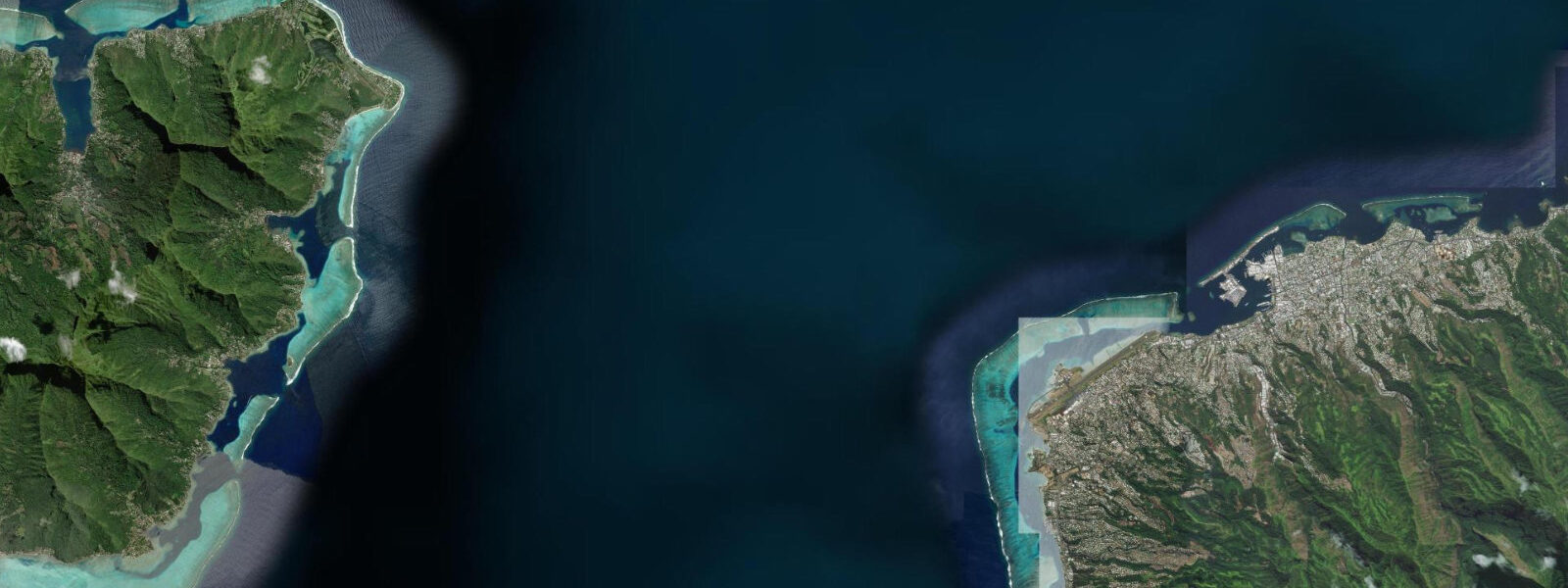
Papeete tide times
Papeete tide forecast — heights relative to MSL.
Tide chart for Papeete
24-hour cosine-interpolated curve around the present moment. Heights relative to MSL. Predictions: Predictions: Open-Meteo Marine (MeteoFrance SMOC, 0.08° grid).
Sun, moon and conditions on Mon 03 Aug
Snapshot at build time — refreshes daily. Sea state from Open-Meteo Marine.
Highs and lows next 7 days
Every predicted high and low for the next week, with the daily tidal coefficient (0–120; higher = bigger swing, > 95 means stronger currents).
Other spots nearby
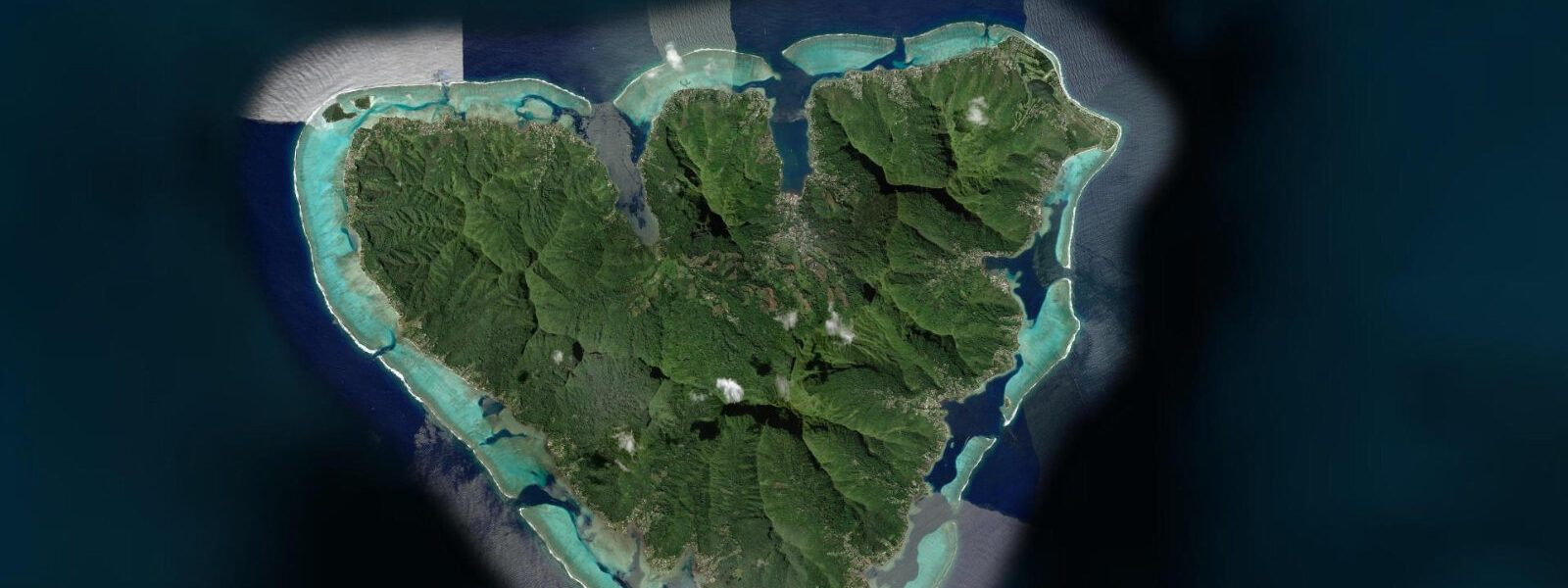
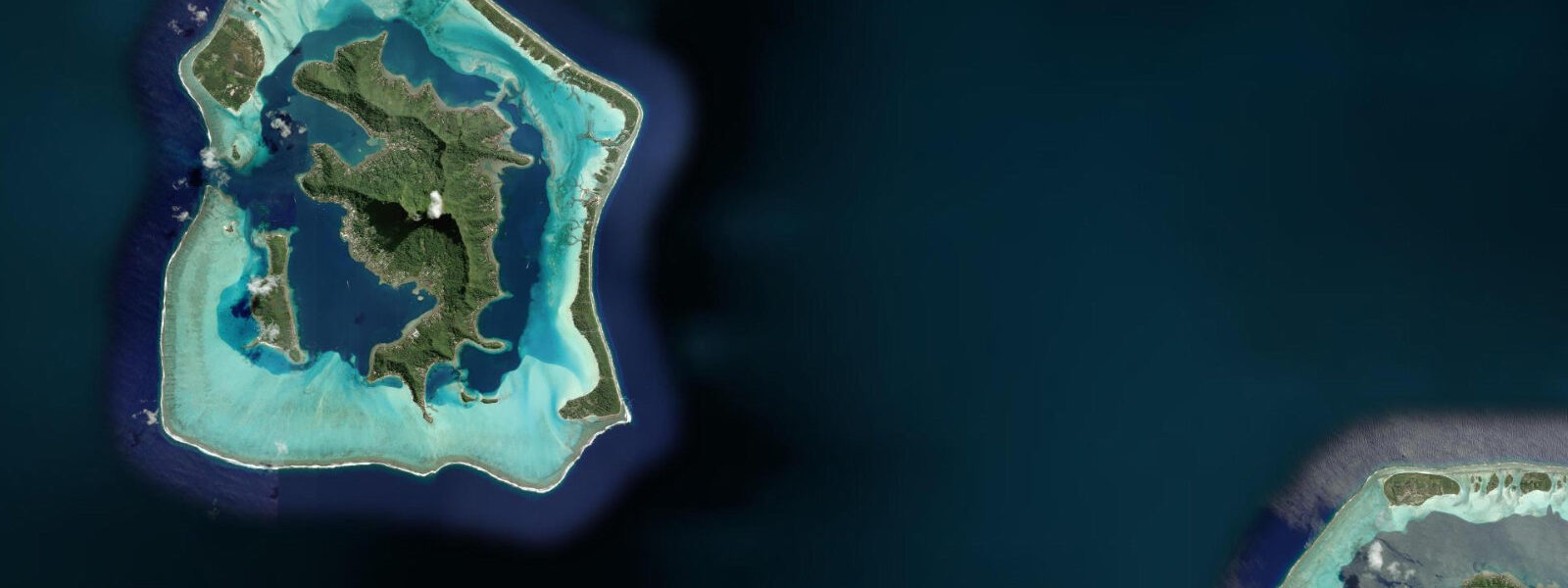
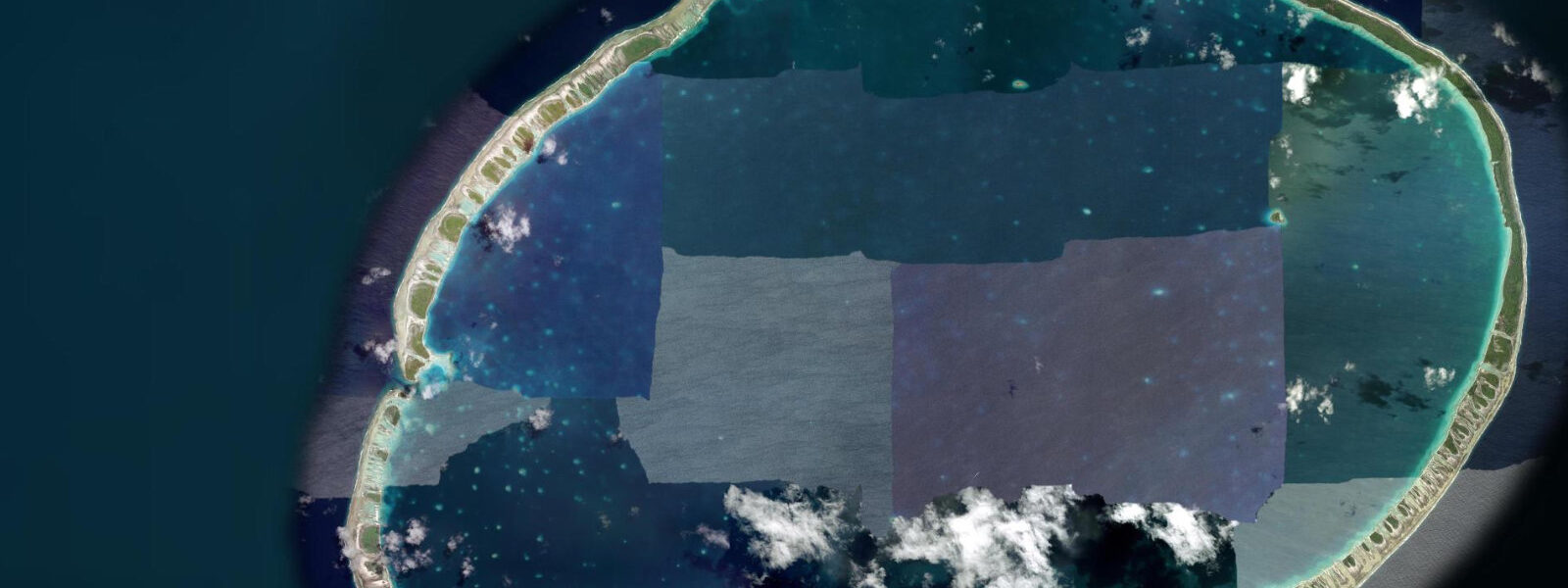
The three closest curated TideTurtle locations to Papeete, measured by great-circle distance.
Today's solunar windows
Solunar tradition: major periods are the ≈3h windows around moon transit and opposition; minor are ≈2h around moonrise and moonset. Pair with the local tide stage and wind for the best read.
About tides at Papeete
A short guide to the coastline at Papeete — geography, sea state, and what the tide is actually doing under your feet.
Papeete is the capital of French Polynesia and the main port on the northwest coast of Tahiti, the largest of the Society Islands. The waterfront is dominated by the ferry quay where the Aremiti and Moorea ferries load and unload every few hours, and the deep-water cargo berths that supply the island chain. Behind the quay, the covered Marché de Papeete sells vanilla, monoi oil, and fish to a mix of locals and cruise-ship visitors. Tahiti's mountainous interior — the extinct volcano Orohena rises to 2,241 m — catches the trade-wind clouds and channels them down as frequent short rain showers on the leeward coast where Papeete sits.
The astronomical tidal range at Papeete is 0.4–0.5 m on spring tides, mixed semidiurnal. Two unequal highs and two unequal lows occur each day. The higher high water typically reaches 0.3 m above Chart Datum; the lower low water drops to approximately 0.1 m below Chart Datum on springs. In absolute terms, this is a 0.4 m daily swing — one of the smallest tide ranges of any Pacific capital city. For most activities in the Papeete harbour basin, this range is operationally invisible: the ferry berths, the cargo quays, and the marina are all designed for far larger vessels operating in much more variable sea states.
What matters far more for anyone using a boat in the Society Islands is the reef-pass dynamic. The ENE trade winds drive a constant surface drift against Tahiti's windward reef, forcing water through the passes onto the lagoon, and the excess exits through the leeward passes near Papeete. Papeete Pass — the main commercial entry to the port — runs up to 3 knots of outflow when trades are strong. The slot between the buoys is 200 m wide; the current is concentrated and directional. Vessels entering the pass against an ebbing pass current and a 1.5 m ocean swell face a short, steep chop that is uncomfortable in a dinghy and manageable in a keelboat above 35 feet.
For kayakers and SUP paddlers, the Papeete waterfront and the reef-enclosed lagoon between Papeete and Faaa are calm enough to paddle at any tidal state. The lagoon inside the reef is 0.5–2.0 m deep over the coral patches; passing over coral heads without grounding requires attention to both the astronomical tide and the wind-driven lagoon level. Low-water neap conditions — the combination that minimises total lagoon water depth — are the times to navigate coral-patch areas with care.
Families with children favour the beaches on the eastern (windward) side of Tahiti, around Mahina and Papenoo, where the surf is more energetic, or the western lagoon at Punaauia, 8 km south of Papeete, where the inner lagoon is flat and shallow. At Papeete itself, the waterfront promenade is better for evening walks than for beach time — the town beach is narrow and the water quality near the ferry terminal is not the Society Islands' best advertisement.
For photographers, the best access to the reef scenery near Papeete is by boat: a short transfer to the reef flat off Motu Uta, or a 20-minute ride to the outer reef crest. Sunrise from the Papeete waterfront, with the Moorea silhouette 17 km to the west catching the first light, is achievable without a boat — the Vaitape quay faces northwest and the mountain profile is clear on mornings with no trade-wind cloud. The light window is narrow, roughly 06:00 to 07:30 before the sun climbs past the mountain line.
Anglers working from Papeete target yellowfin tuna, mahi-mahi, and wahoo in the deep water immediately outside Papeete Pass, where the lagoon shelf drops steeply to oceanic depths within 2–3 km. Charter boats depart from the marina at Papeete from dawn. Shore fishing from the reef flat inside the lagoon produces parrotfish, triggerfish, and goatfish on hook and line; the ebb current out of the pass at dawn and dusk concentrates feeding fish at the channel edges.
All tide predictions for Papeete come from the Open-Meteo Marine gridded model. Timing accuracy is ±45 minutes; height accuracy is ±0.3 m above Chart Datum.
Tide questions about Papeete
Quick answers to the most common questions about tide times, range, and water access at Papeete.
What is the tidal range at Papeete and does it affect ferry and boat operations?
Papeete's spring tidal range is 0.4–0.5 m above Chart Datum — among the smallest for any Pacific capital city. This swing is operationally negligible for the inter-island ferries and cargo vessels using the deep-water quays. For small recreational craft, the main operational variable is not the tide but the pass current at Papeete Pass, which can run at 2–3 knots outbound when ENE trade winds drive lagoon throughput. Vessels entering the pass against that current in swell should time their approach when the pass flow is slackest — roughly at astronomical high water, when lagoon level and ocean level are closest. Tide predictions from Open-Meteo Marine carry ±45 minutes timing and ±0.3 m height uncertainty.
How does the reef-pass current work at Papeete and when is it safest to enter?
Papeete Pass is the main commercial entry to Tahiti's lagoon. ENE trade winds push a continuous surface drift against Tahiti's windward reef, raising the lagoon level slightly above the ocean side, and the excess exits through the leeward passes including Papeete. Pass outflow typically runs 1.5–3.0 knots; in strong trade conditions it can peak higher. The safest entry window is around astronomical high water, when the lagoon and ocean levels converge and the hydraulic head driving the pass current is at its minimum. Small dinghies (under 20 hp) should avoid entering Papeete Pass when swell exceeds 1.0 m and trades are above 20 knots regardless of tidal state.
Where are the best beaches near Papeete and does the tide affect them?
Papeete's own waterfront is narrow and urban — not a beach destination. The best family beach in the Papeete area is at Punaauia, 8 km south, where the inner reef lagoon provides flat, shallow water. At low neap tide, the lagoon over coral-patch areas shallows to 0.3–0.5 m — ankle-deep in places — which is ideal for small children on sand patches but requires care over coral to avoid contact. At high water those same areas deepen to 0.8–1.2 m. The eastern coast near Mahina offers open-ocean beach conditions with more wave energy. All tidal state estimates carry ±45 minutes and ±0.3 m model uncertainty.
What fishing is available from Papeete and what are the best conditions?
The deep-water blue-water fishery for yellowfin tuna, mahi-mahi, and wahoo begins just 2–3 km outside Papeete Pass, where the lagoon shelf drops to oceanic depths. Charter boats leave from Papeete marina at dawn — the first two hours of daylight in flat trade-wind conditions are the most productive period. Shore fishing from the inner reef flat yields parrotfish, triggerfish, and goatfish on hook and line; the ebb current out of the pass at dusk concentrates baitfish along the channel edges and brings predators with them. A low-water window in the evening, when the reef flat shallows and baitfish concentrate in channels, is the most reliable shore-fishing period.
Is it safe to kayak or SUP in the Papeete lagoon?
The lagoon between the Papeete waterfront and the fringing reef at Faaa is calm at all tidal states — protected from ocean swell by the reef and from trade-wind chop by Tahiti's own bulk. Water depth over the main lagoon is 1.0–3.0 m; over coral patches it shallows to 0.3 m at low neap water. Kayakers and SUP paddlers should avoid approaching within 500 m of Papeete Pass when outbound pass flow is running — the current in the channel mouth is directional and strong enough to drag an unpowered craft toward open ocean. The western lagoon at Punaauia is the preferred flat-water paddling zone, with fewer boat traffic conflicts than the Papeete harbour basin.
8-day tide table — Papeete
Heights relative to MSL. Predictions: Open-Meteo Marine (MeteoFrance SMOC, 0.08° grid) — heights relative to MSL (not chart datum / LAT). Model-derived.
| Day | Type | Time | Height |
|---|---|---|---|
| Mon 03 Aug | — | ||
| Tue 04 Aug | High | 02:00 | 0.8m |
| Wed 05 Aug | — | ||
| Thu 06 Aug | — | ||
| Fri 07 Aug | Low | 18:00 | 0.6m |
| Sat 08 Aug | High | 11:00 | 0.7m |
| Low | 17:00 | 0.6m | |
| Sun 09 Aug | High | 11:00 | 0.7m |
| Low | 17:10 | 0.5m | |
| High | 23:50 | 0.7m | |
| Mon 10 Aug | Low | 05:10 | 0.5m |