La Rochelle tide times
La Rochelle tide forecast — heights relative to MSL.
Today's tide times for La Rochelle
Tide times at La Rochelle on Tuesday, 4 August 2026: first low tide at 02:00, first high tide at 08:35, second low tide at 14:43, second high tide at 20:52. Sunrise 06:48, sunset 21:31.
Tide chart for La Rochelle
24-hour cosine-interpolated curve around the present moment. Heights relative to MSL. Predictions: Predictions: Open-Meteo Marine (MeteoFrance SMOC, 0.08° grid).
Sun, moon and conditions on Tue 04 Aug
Snapshot at build time — refreshes daily. Sea state from Open-Meteo Marine.
Highs and lows next 7 days
Every predicted high and low for the next week, with the daily tidal coefficient (0–120; higher = bigger swing, > 95 means stronger currents).
Other spots nearby
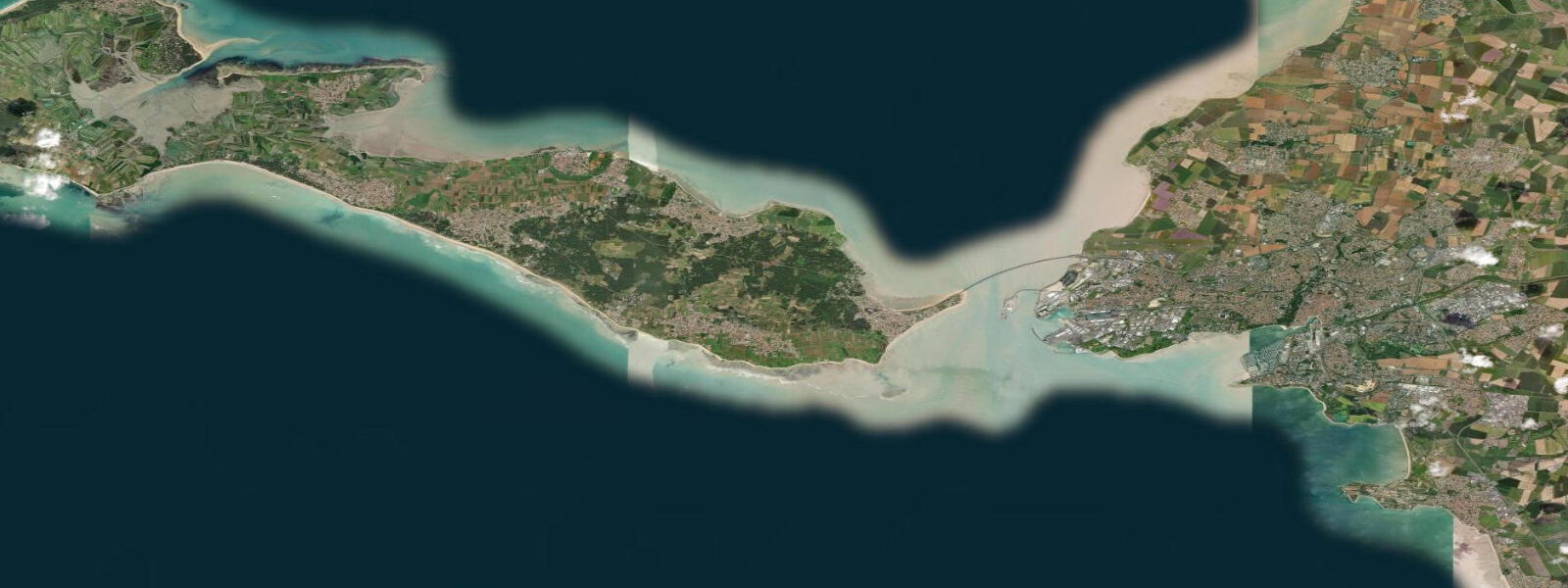
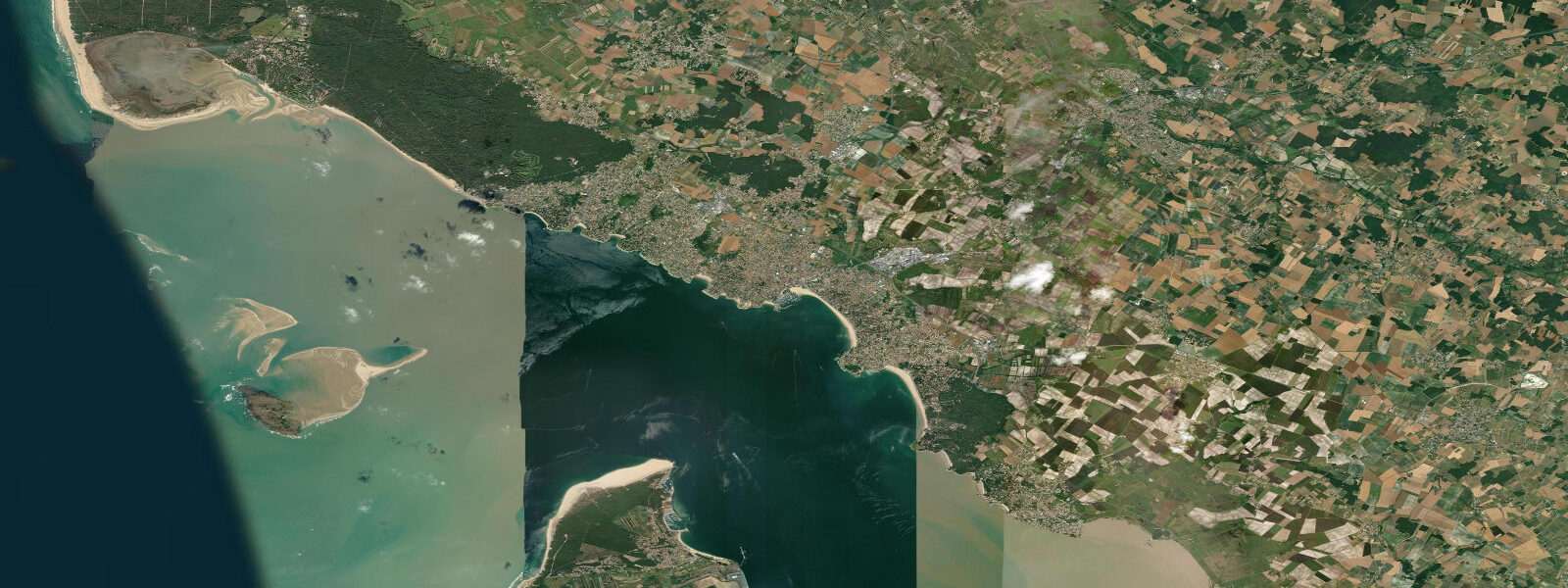
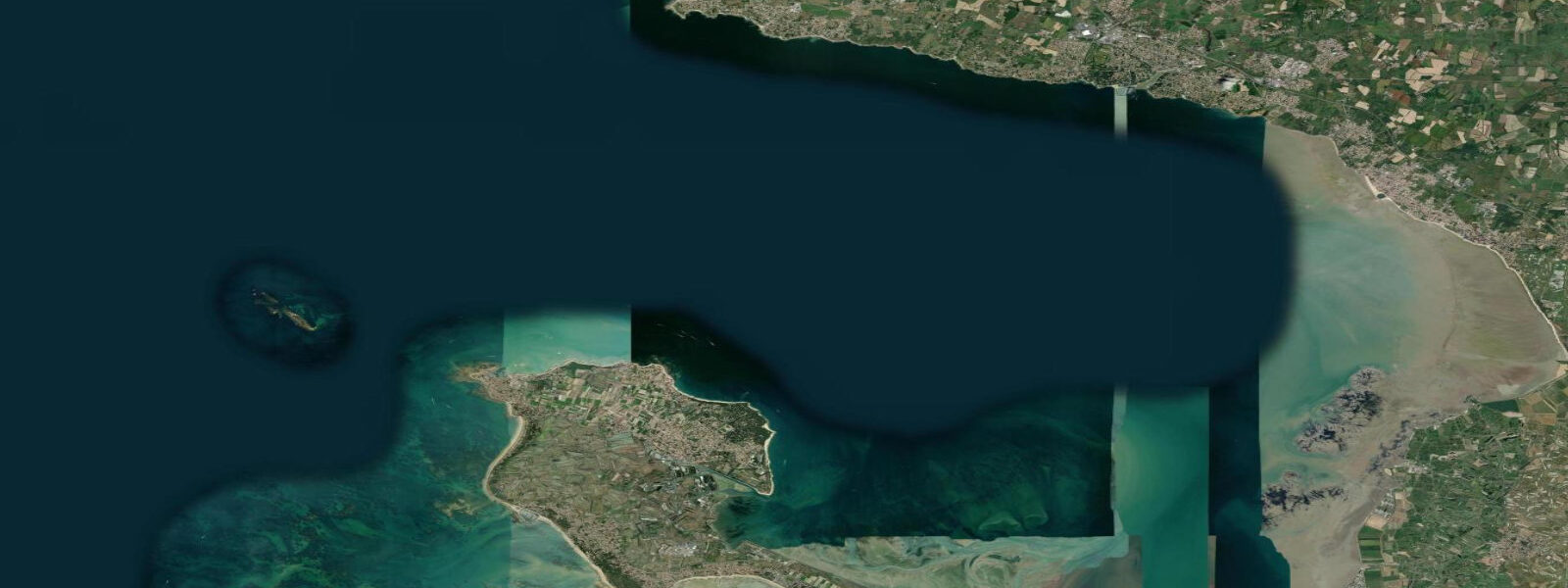
The three closest curated TideTurtle locations to La Rochelle, measured by great-circle distance.
Today's solunar windows
Solunar tradition: major periods are the ≈3h windows around moon transit and opposition; minor are ≈2h around moonrise and moonset. Pair with the local tide stage and wind for the best read.
Cycle dates near La Rochelle
Last spring tide on Tue 04 Aug (range 3.6m). Next spring tide on Mon 10 Aug (range 3.7m). Next neap on Sat 08 Aug.
Spring tides cluster around new and full moons (biggest swings). Neap tides land on quarter moons (smallest swings). See the spring tide and neap tide glossary entries for the why.
About tides at La Rochelle
A short guide to the coastline at La Rochelle — geography, sea state, and what the tide is actually doing under your feet.
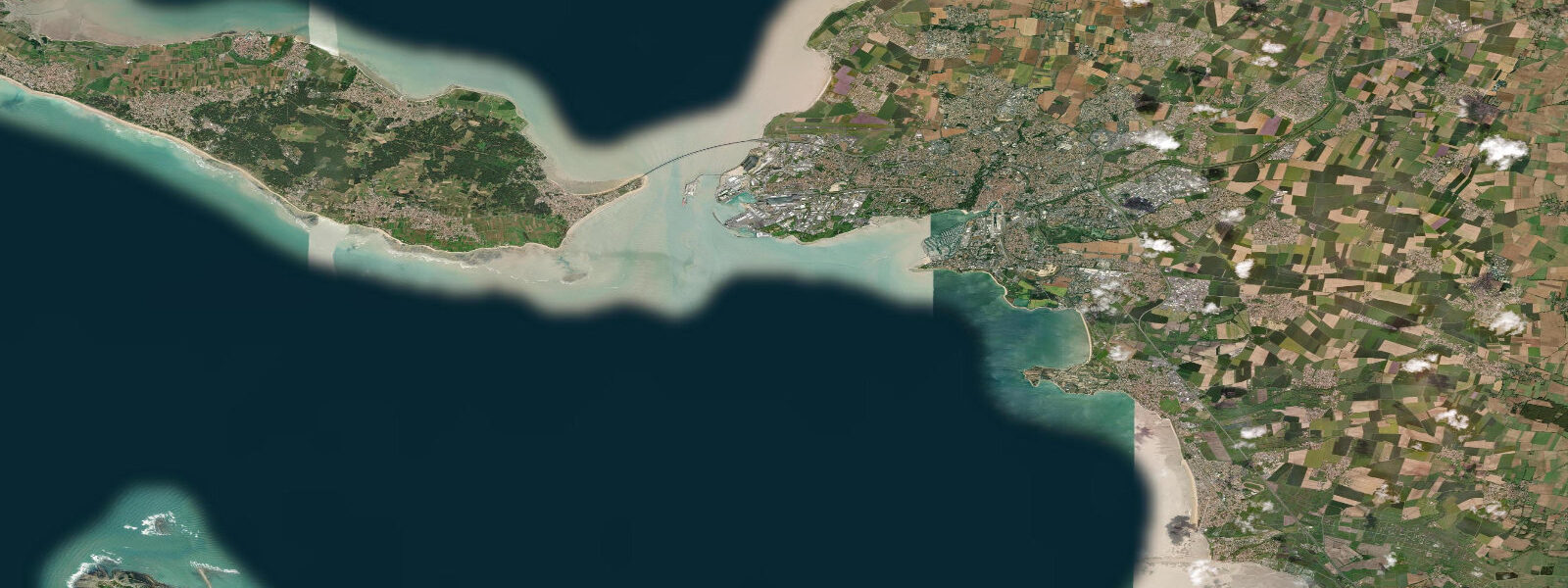
La Rochelle is the principal city of Charente-Maritime — a medieval harbour town that has operated as a port since the 12th century and still does. The Vieux-Port, the old harbour encircled by the towers of Saint-Nicolas, de la Chaîne, and de la Lanterne, is a functioning marina and tourist hub simultaneously: pleasure boats, small fishing vessels, and the ferries to Île de Ré and Île d'Oléron all use water that the tide covers and uncovers twice a day.
The tidal regime at La Rochelle is macrotidal and semidiurnal. Mean range in the harbour is approximately 5.0 m; spring range reaches 5.8–6.0 m. High water occurs roughly 5 hours 10 minutes after Dover standard — the tidal wave has travelled from the Atlantic, refracted around the Brittany coast, and reached the Poitevin shelf. The pattern is reliable and the SHOM annuaire des marées gives precise tables for each season. At low water on a spring tide, the inner basin of the Vieux-Port drops by nearly 6 metres from the high-water mark on the quay walls — the tide-stained stonework of the Saint-Nicolas tower records this history visually every day.
The old harbour's medieval towers framed the entrance to the harbour chain (the chaîne) that could be stretched between Saint-Nicolas and de la Chaîne towers to block hostile vessels. The chain is gone but the geometry of the entrance is unchanged. Ships coming in from the Pertuis d'Antioche pass through the gap between the towers on a north-south axis; the tidal stream running through the entrance produces a detectable cross-current at mid-tide. The Vieux-Port inner basin dries on big ebb tides.
The Pertuis d'Antioche, the channel between Île de Ré to the north and Île d'Oléron to the south, is the primary maritime access route to La Rochelle from the Atlantic. Tidal streams in the Pertuis run 1.5–2 knots in the main channel; at the constrictions between the islands and the mainland the stream is stronger. Sailing from La Rochelle to Île de Ré on the flood is a 45-minute reach that reverses into a beat if the ebb has turned by the time you leave; the tide planning matters.
The Île de Ré bridge runs 3 km across the Pertuis Breton north of La Rochelle. Alongside the bridge route, year-round ferries cross from the Vieux-Port and from La Pallice (the industrial port 3 km west of the old city). The island is flat, agricultural (wine, salt, and vegetables), and laced with 170 km of cycling paths. The eastern dike road along the salt-marsh flank of the island follows the edge of the intertidal zone; at high water the sea is visible over the dike crest. At low water, the exposed mud is studded with mussel bouchots — wooden post-and-rope structures carrying mussel colonies — and oyster tables arranged in the tidal zone by concessionaires who operate on a tide-synced schedule.
La Rochelle's Musée Maritime, at the Vieux-Port outer quay, includes a submarine, a destroyer, a lightship, and various small craft accessible for boarding. The vessels sit in the tidal water of the outer harbour; at low water on a spring tide the submarine's free-flood casing visibly marks the water level differential. The aquarium, a few hundred metres south of the Vieux-Port, is one of the largest in Europe by tank volume and focuses on Atlantic and worldwide ocean ecosystems.
For kayakers, the Pertuis Breton (north of Île de Ré) and the Pertuis d'Antioche offer offshore flat-water touring with tidal current assistance in the right direction. The standard local route runs La Rochelle Vieux-Port → north end of Île de Ré → east coast of the island → La Flotte → return. This route is manageable as a long day on a spring flood with the current; against the ebb it becomes a grind. Check the tide before launching.
Tide data for La Rochelle comes from the Open-Meteo Marine API (±45 min / ±0.2–0.3 m). SHOM provides authoritative tables for navigational and tidal-window planning.
Tide questions about La Rochelle
Quick answers to the most common questions about tide times, range, and water access at La Rochelle.
What is the tidal range at La Rochelle?
La Rochelle harbour has a macrotidal semidiurnal regime with a mean range of approximately 5.0 m and a spring range of 5.8–6.0 m. High water occurs roughly 5 hours 10 minutes after Dover standard; two high waters and two low waters each day. The inner Vieux-Port basin dries near chart datum on big spring ebbs — the stained stonework on the medieval tower walls shows the full range visually. Open-Meteo Marine data here is accurate to ±45 min / ±0.2–0.3 m; SHOM publishes authoritative seasonal tables for La Rochelle.
What is the Pertuis d'Antioche and how does its tidal current affect sailing?
The Pertuis d'Antioche is the channel between Île de Ré to the north and Île d'Oléron to the south, providing the main Atlantic access to La Rochelle and the inner Charente-Maritime ports. Tidal streams in the main channel run 1.5–2 knots, stronger near the constrictions. Sailing on the flood from La Rochelle toward Île de Ré or south toward Rochefort takes advantage of the northgoing stream; the ebb reverses it. For anchoring in the Pertuis, the streams make uncomfortable anchorages in open roadsteads on springs — seek a marina or protected anchorage. SHOM publishes current atlases for the Pertuis.
How do I access the Île de Ré salt marshes and oyster beds?
The salt marshes and oyster concessions on Île de Ré's eastern and northern coasts are arranged in the intertidal zone — accessible only at low water on foot or by bicycle along the dike paths. The concession operators (ostréiculteurs) are on the flats at low water for harvest and maintenance; pedestrians can watch from the dike edge. The salt pans (marais salants) in the island's interior are managed through the neap-spring cycle; traditional salt harvest (the fleur de sel surface crust) is collected manually during summer neap tides when evaporation is maximum. Most pans are private but some offer guided visits.
Is kayaking from La Rochelle to Île de Ré practical?
The crossing from the La Rochelle waterfront to the nearest point of Île de Ré (La Flotte harbour) is approximately 8 km across the Pertuis Breton. The route is manageable for a competent sea kayaker with the flood tide running north — current assistance and the 1–1.5 hour crossing time combine comfortably. Against the ebb, the same crossing becomes 2+ hours with a tidal set against you. The Pertuis can be choppy in southwesterly winds over a southwest ebb; check the wind and tidal stream atlas before departing. The ferry is the fallback if conditions deteriorate.
Is tide data on TideTurtle sufficient for navigating the La Rochelle harbour entrance and Pertuis d'Antioche?
No. TideTurtle uses Open-Meteo Marine API data with accuracy of approximately ±45 minutes and ±0.2–0.3 m — suitable for leisure activity scheduling, not for marine navigation. The La Rochelle harbour entrance between the medieval towers carries a detectable cross-current at mid-tide; the Pertuis d'Antioche has tidal streams of 1.5–2 knots in the main channel. For port entry, passage planning, or any navigation in the Pertuis, use SHOM authoritative tidal tables and current atlases. The Vieux-Port has a tidal gauge visible from the quay — check it on arrival.
8-day tide table — La Rochelle
Heights relative to MSL. Predictions: Open-Meteo Marine (MeteoFrance SMOC, 0.08° grid) — heights relative to MSL (not chart datum / LAT). Model-derived.
| Day | Type | Time | Height |
|---|---|---|---|
| Tue 04 Aug | Low | 02:00 | -2.3m |
| High | 08:35 | 1.2m | |
| Low | 14:43 | -2.2m | |
| High | 20:52 | 1.3m | |
| Wed 05 Aug | Low | 03:07 | -2.1m |
| High | 21:47 | 1.1m | |
| Thu 06 Aug | Low | 03:57 | -2.0m |
| High | 10:22 | 0.8m | |
| Low | 16:28 | -1.8m | |
| High | 22:47 | 0.8m | |
| Fri 07 Aug | Low | 05:00 | -1.8m |
| High | 11:26 | 0.7m | |
| Low | 17:38 | -1.7m | |
| Sat 08 Aug | High | 00:00 | 0.7m |
| Low | 06:12 | -1.7m | |
| High | 12:39 | 0.8m | |
| Low | 18:55 | -1.7m | |
| Sun 09 Aug | High | 01:18 | 0.8m |
| Low | 07:26 | -1.8m | |
| High | 13:59 | 0.9m | |
| Low | 20:04 | -2.0m | |
| Mon 10 Aug | High | 02:42 | 0.9m |
| Low | 08:31 | -2.1m | |
| High | 15:13 | 1.3m | |
| Low | 21:06 | -2.5m | |
| Tue 11 Aug | High | 01:00 | -0.1m |