Concarneau tide times
Concarneau tide forecast — heights relative to MSL.
Today's tide times for Concarneau
Tide times at Concarneau on Monday, 3 August 2026: first low tide at 02:00, first high tide at 07:47, second low tide at 13:59, second high tide at 20:00. Sunrise 06:53, sunset 21:49.
Tide chart for Concarneau
24-hour cosine-interpolated curve around the present moment. Heights relative to MSL. Predictions: Predictions: Open-Meteo Marine (MeteoFrance SMOC, 0.08° grid).
Sun, moon and conditions on Mon 03 Aug
Snapshot at build time — refreshes daily. Sea state from Open-Meteo Marine.
Highs and lows next 7 days
Every predicted high and low for the next week, with the daily tidal coefficient (0–120; higher = bigger swing, > 95 means stronger currents).
Other spots nearby
The three closest curated TideTurtle locations to Concarneau, measured by great-circle distance.
Today's solunar windows
Solunar tradition: major periods are the ≈3h windows around moon transit and opposition; minor are ≈2h around moonrise and moonset. Pair with the local tide stage and wind for the best read.
Cycle dates near Concarneau
Last spring tide on Mon 03 Aug (range 3.6m). Next spring tide on Sun 09 Aug (range 2.6m). Next neap on Sat 08 Aug.
Spring tides cluster around new and full moons (biggest swings). Neap tides land on quarter moons (smallest swings). See the spring tide and neap tide glossary entries for the why.
About tides at Concarneau
A short guide to the coastline at Concarneau — geography, sea state, and what the tide is actually doing under your feet.
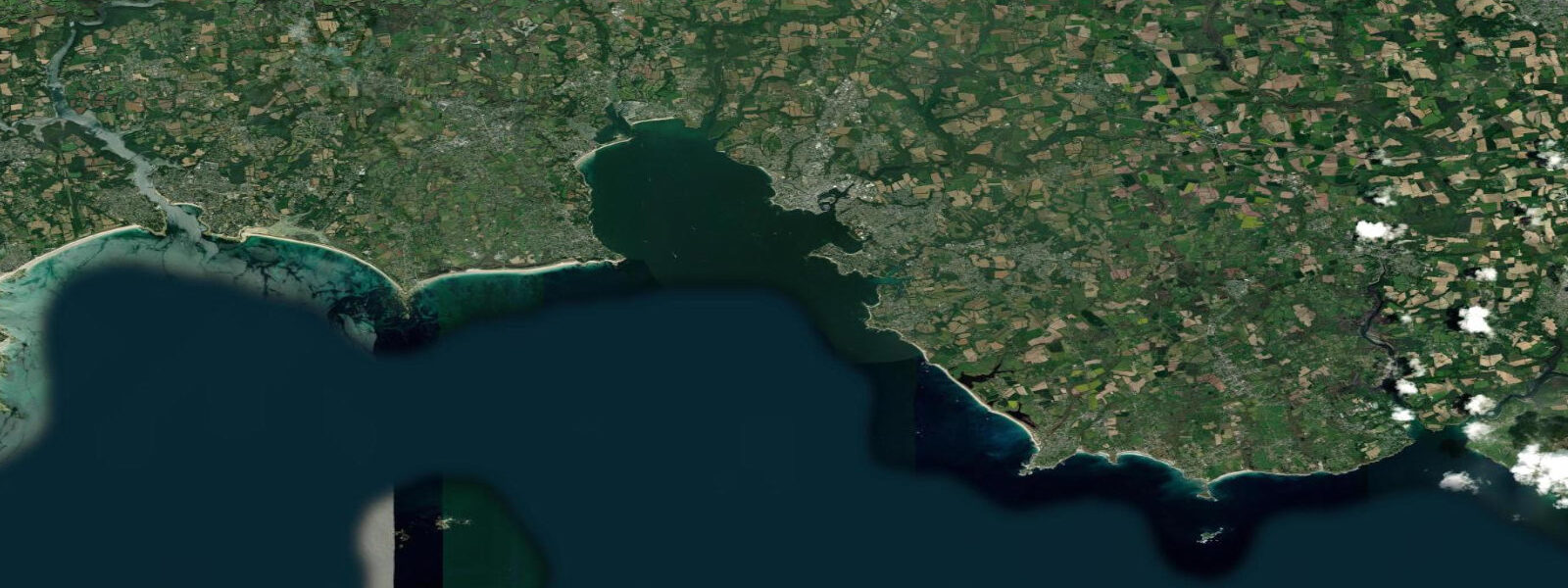
Concarneau is a working fishing port and walled mediaeval city in south Finistère, built around a shallow bay on Brittany's Atlantic coast. The town's defining feature is the Ville Close — a fortified island connected to the mainland by two drawbridges, its stone ramparts rising from the tidal water directly. 2 metres, the water around the Ville Close changes dramatically across the tidal cycle: at low water, the stone foundations are exposed and the channel between the island and the quays is shallow enough in places to wade.
At high water the same walls appear to rise straight from the sea. The visual effect of the tidal range on this mediaeval townscape is one of the most striking on the Breton coast. Concarneau is France's largest tuna landing port by volume, with the Albacore fleet that works the Bay of Biscay returning to unload at the industrial fishing quays across the bay from the Ville Close.
The town's fishing identity is tangible: the quayside fish market, the net sheds, and the smell of the working harbour are not tourist theatre. The Musée de la Pêche in the Ville Close documents the history of the sardine industry, which once supported dozens of canning factories here before the sardine fishery collapsed in the early 20th century. Today the industrial fleet targets tuna, langoustine, and scallops, while smaller inshore boats work the reefs of the Baie de Concarneau on each tidal cycle.
The bay itself is productive for diving and snorkelling. Rocky reefs extend outward from both sides of the bay mouth, and the water clarity — aided by the strong tidal flushing of the 4-metre spring cycle — is significantly better than in more enclosed Breton estuaries. Shore diving from the beaches south of the Ville Close at low water exposes reef ridges colonised by kelp, wrasse, and the occasional cuttlefish.
Sea kayakers use the bay as a staging point for the Îles de Glénan, an atoll-like archipelago of nine small islands 20 kilometres to the south. The Glénan are remarkable for a temperate latitude: white sand beaches, turquoise water, and a lagoon shallow enough to snorkel across in fine weather. The islands are accessible by ferry from Concarneau from April to October, but the tidal channels between the Glénan islands carry meaningful currents — up to 3 to 4 knots on spring tides — and kayakers or divers planning to move between islands need to time the crossing against the tidal stream.
The ferry lands at Île Saint-Nicolas, the largest of the group. Fishing from the shore and the rocky platforms outside the bay targets bass, pollack, and sea bream. The most productive windows are the first two hours of flood over the shallow reef ground, when prey fish are pushed onto the rocks by the incoming water and predators follow.
Rowing regattas are organised in the Baie de Concarneau each summer; the bay's shelter from SW swell, combined with the clean tidal flushing that keeps the water clear, makes it a reliable venue for on-water events. The Festival des Filets Bleus, a major Breton folk and fishing festival, takes place each August. The intertidal zone around the bay mouth provides productive ground for shore anglers on spring tides — the retreating water exposes kelp-covered rock and tidal pools along both headlands flanking the bay entrance, accessible for roughly 2 hours either side of the lowest spring low waters.
Mullet work the inner harbour basin at all tidal states, following the ebb and flood currents around the Ville Close island. The tidal cycle at Concarneau also drives the rhythm of the working fleet: inshore vessels time departure and return around harbour depth over the shallow-water bar at the inner quay entrance, which restricts access for deeper-keeled vessels in the lower portion of the tidal range. 5 metres in range — large enough that skippers of fishing and charter vessels plan their week with one eye on the tidal stage.
Predictions on this page come from Open-Meteo Marine, a gridded global ocean model. 3 metres on height — model-derived, not from a local gauge. fr.
Tide questions about Concarneau
Quick answers to the most common questions about tide times, range, and water access at Concarneau.
What is the tidal range at Concarneau?
Mean spring tidal range at Concarneau is approximately 4.2 metres, with two high tides and two low tides each day. Neap range drops to roughly 1.5 to 2 metres around the quarter moons. The 4-metre spring range is visually obvious around the Ville Close island: at low water the stone foundations emerge and the bridge channels shorten to shallow crossings; at high water the walls rise directly from the sea. The tidal cycle also governs access to the rocky intertidal reefs outside the bay, with the best conditions for shore diving and rockpooling concentrated around low water on spring tides.
Can you reach the Îles de Glénan from Concarneau, and how do tides affect the trip?
Ferries run from Concarneau to the Îles de Glénan from April through October, operated by Vedettes de l'Odet and comparable services — crossing time is roughly 45 minutes to Île Saint-Nicolas. The ferry itself is not tide-dependent for the Concarneau departure, as the port has sufficient depth throughout the tidal cycle. The tidal currents between the Glénan islands are the relevant consideration: the channels between the individual islands carry 3 to 4 knots on spring tides, which matters for kayakers and divers moving between islands. Plan inter-island crossings at or near slack water if paddling. The ferry lands and returns on a fixed schedule — check the current-season timetable from the operator.
What is the best time to visit the Ville Close in relation to the tide?
The Ville Close is accessible by bridge at all states of tide — the drawbridges have fixed footways and the island is never cut off. The tidal state affects the visual character and the foreshore. Low water on a spring tide exposes the stone foundation courses of the ramparts and the shallow channel between the island and the mainland quays, making the fortification's island character very clear. High water brings the sea up to the walls and the harbour looks its most dramatic from the ramparts. For photography, the golden-hour combination of low spring tide in the morning is particularly effective. No safety consideration prevents visiting at any tidal state.
Is Concarneau a good base for shore fishing, and what species can be caught?
Concarneau is a productive shore-fishing base. The rocky reef ground outside the bay mouth, the tidal gullies south of the Ville Close, and the beach margins all hold bass, pollack, sea bream (daurade), and wrasse. The most reliable windows are the first two hours of flood tide, when the incoming water activates baitfish over the shallow reef ground. Spring tides produce the fastest current and the strongest response from predatory fish. The bay itself holds mullet around the fishing quays on most tidal states. Fishing from the rocks on the southern headlands requires awareness of the tidal state — exposed platforms at low water become unsafe as the flood covers the retreat path.
Where does the tide data for Concarneau come from, and how accurate is it?
Predictions on this page come from Open-Meteo Marine, a free gridded global ocean model. They are model-derived, not from a dedicated local gauge — accuracy is typically within plus or minus 45 minutes on timing and 0.2 to 0.3 metres on height. For Concarneau's 4.2-metre spring range, the height uncertainty is proportionally small and these predictions are suitable for trip planning, beach timing, and deciding when to access the intertidal reefs. For authoritative data — commercial operations, navigation, or scientific reference — SHOM operates the French national tide gauge network at shom.fr.
8-day tide table — Concarneau
Heights relative to MSL. Predictions: Open-Meteo Marine (MeteoFrance SMOC, 0.08° grid) — heights relative to MSL (not chart datum / LAT). Model-derived.
| Day | Type | Time | Height |
|---|---|---|---|
| Mon 03 Aug | Low | 02:00 | -2.2m |
| High | 07:47 | 1.3m | |
| Low | 13:59 | -2.0m | |
| High | 20:00 | 1.4m | |
| Tue 04 Aug | Low | 02:23 | -2.1m |
| High | 08:24 | 1.2m | |
| Low | 14:38 | -1.9m | |
| High | 20:42 | 1.2m | |
| Wed 05 Aug | Low | 03:05 | -1.9m |
| High | 09:09 | 0.9m | |
| Low | 15:24 | -1.8m | |
| High | 21:31 | 0.9m | |
| Thu 06 Aug | Low | 03:54 | -1.8m |
| High | 10:04 | 0.7m | |
| Low | 16:23 | -1.7m | |
| High | 22:34 | 0.6m | |
| Fri 07 Aug | Low | 04:54 | -1.6m |
| High | 11:15 | 0.6m | |
| Low | 17:36 | -1.5m | |
| High | 23:54 | 0.5m | |
| Sat 08 Aug | Low | 06:14 | -1.5m |
| High | 12:42 | 0.6m | |
| Low | 19:05 | -1.5m | |
| Sun 09 Aug | High | 14:05 | 0.9m |
| Low | 20:26 | -1.7m | |
| Mon 10 Aug | High | 01:00 | 0.4m |