Turku Archipelago tide times
Turku Archipelago tide forecast — heights relative to MSL.
Tide chart for Turku Archipelago
24-hour cosine-interpolated curve around the present moment. Heights relative to MSL. Predictions: Predictions: Open-Meteo Marine (MeteoFrance SMOC, 0.08° grid).
Sun, moon and conditions on Tue 04 Aug
Snapshot at build time — refreshes daily. Sea state from Open-Meteo Marine.
Highs and lows next 7 days
Every predicted high and low for the next week, with the daily tidal coefficient (0–120; higher = bigger swing, > 95 means stronger currents).
Other spots nearby
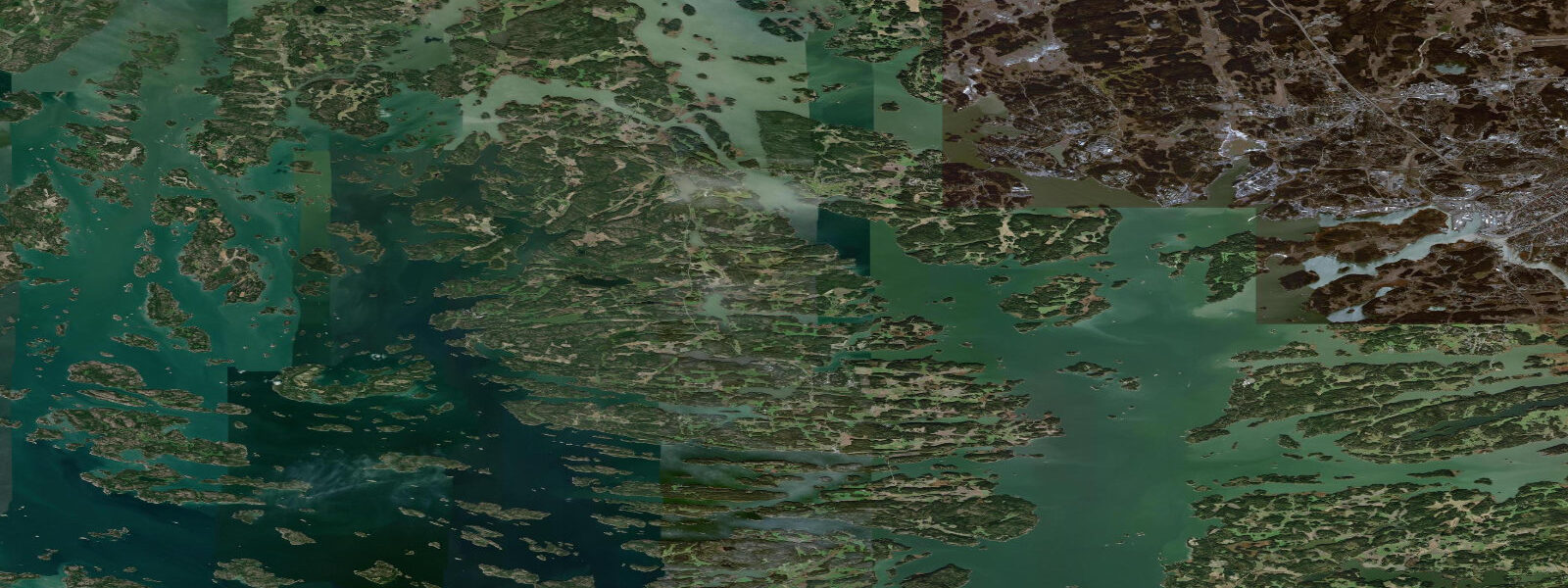
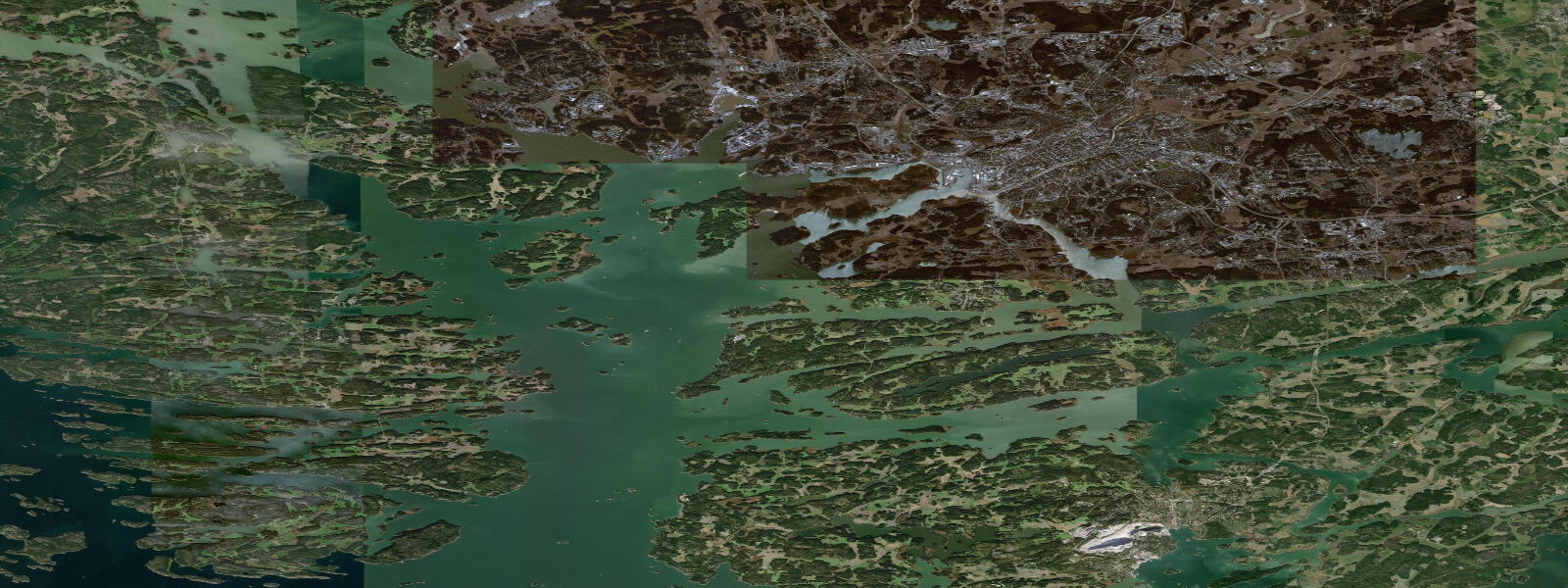
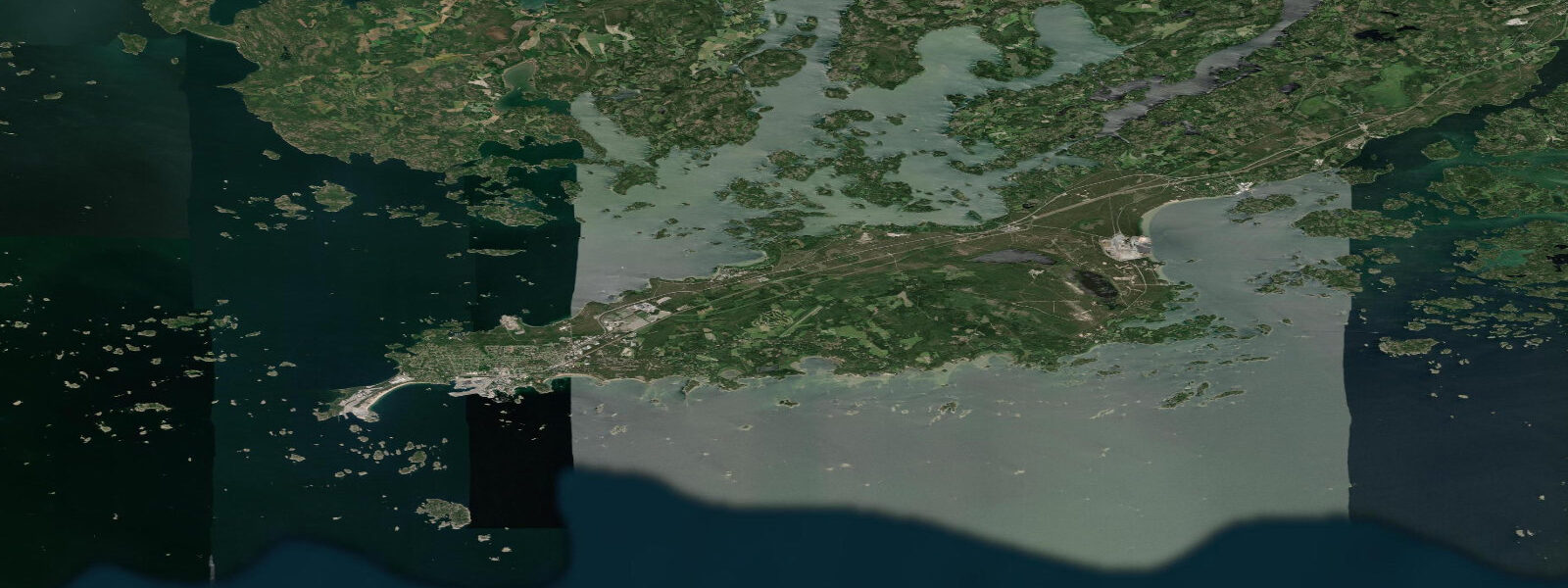
The three closest curated TideTurtle locations to Turku Archipelago, measured by great-circle distance.
Today's solunar windows
Solunar tradition: major periods are the ≈3h windows around moon transit and opposition; minor are ≈2h around moonrise and moonset. Pair with the local tide stage and wind for the best read.
About tides at Turku Archipelago
A short guide to the coastline at Turku Archipelago — geography, sea state, and what the tide is actually doing under your feet.
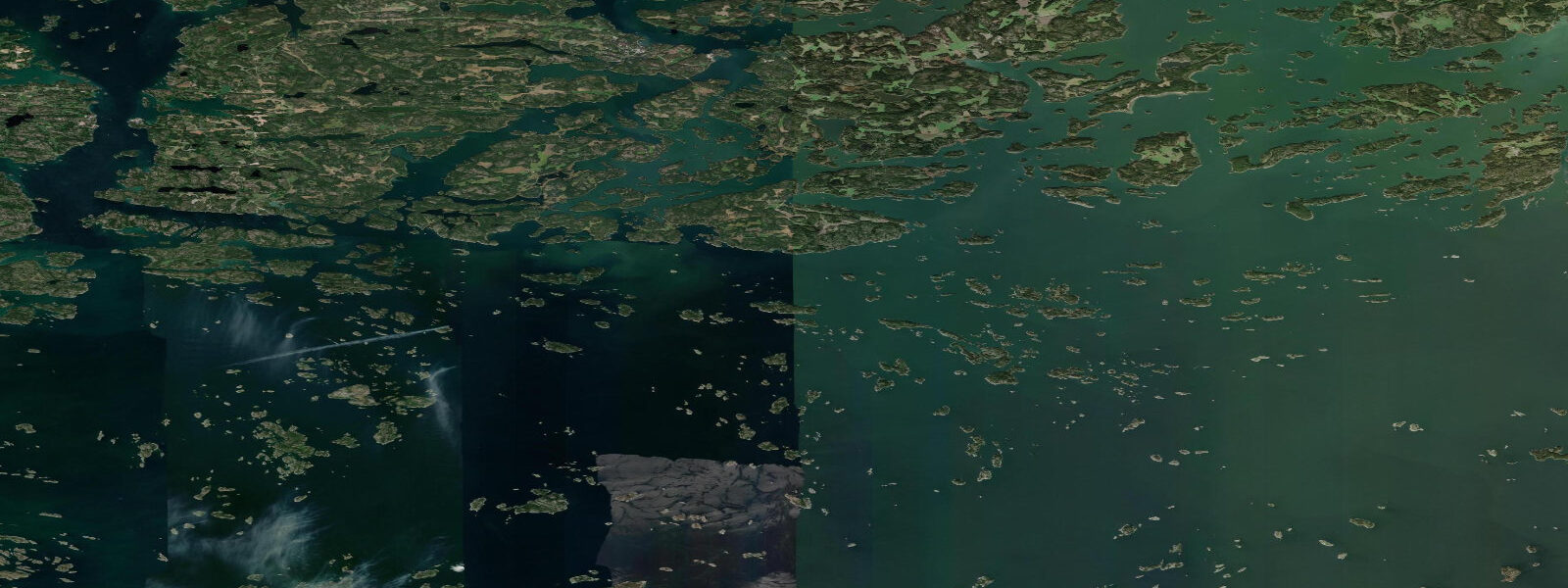
The Turku Archipelago — Turunmaan saaristo in Finnish, Åbolands skärgård in Swedish — is described by geographers as the densest archipelago in the world: over 20,000 islands, islets, and skerries between the Finnish mainland coast and the Åland Islands to the southwest. The islands range from the substantial (Parainen, administrative centre of the Archipelago Sea area, connected to the mainland by a fixed bridge) to rocks barely large enough to hold a nesting bird. The region is predominantly Swedish-speaking — the local Swedish-speaking Finns (finlandssvenskar) have inhabited these islands for centuries, and most placenames are Swedish rather than Finnish: the archipelago municipality is Pargas in Swedish, Parainen in Finnish.
Island hopping through the Turku Archipelago is possible by a network of free public ferries operated by the Varsinais-Suomi region: the archipelago road (saariston rengastie / skärgårdsringen) connects the islands by a combination of paved roads and short ferry crossings, entirely free of charge, from May to October. The coastal character throughout the archipelago is glacier-polished granite: the bedrock exposed by 10,000 years of glacial erosion and post-glacial emergence is smooth, pale grey, rounded, and largely bare of soil except in sheltered hollows where thin humus has accumulated and birch and pine have taken hold. Between the rock outcrops, occasional sandy beaches appear in sheltered bays — small, calm, often accessible only by boat or after a walk through the forest.
The astronomical tide throughout the archipelago is 2 to 5 centimetres — essentially zero, as throughout the Baltic. The concept of a tide table here describes weather-driven and seiche water-level variation rather than an astronomical cycle. Water level in any given inlet or bay on any given day depends on wind direction, atmospheric pressure, and the Baltic seiche.
This absence of tide is what makes island kayaking and camping in the archipelago so logistically simple: the same rock ledge used to haul out a kayak in the morning is at the same height in the afternoon and the next morning. There are no tidal deadlines for leaving a sand bar, no dry-sand planning windows, no rising water that drowns a lunch stop. The freedom from tidal discipline is one of the distinctive features of Baltic coastal recreation.
Post-glacial isostatic rebound adds context: the islands in the outer archipelago are still rising from the sea at approximately 5 mm per year. New skerries have appeared within the last century in the outermost zone. Historical charts show shallower passages than current depth; the effective water depth relative to the land surface is slowly increasing in the frame of the chart but decreasing relative to global mean sea level.
Finnish Hydrographic Office charts are updated to reflect these changes. The Varsinais-Suomi fishing and kayaking seasons run from May to September. July is the warmest month; sheltered inner-archipelago water can reach 22 to 24°C in a warm summer.
The outer exposed skerries are considerably cooler, washed by the Baltic proper. Sauna culture is central to archipelago island life: the classic archipelago summer house has a lakeside or shoreside sauna and a wooden jetty leading into the water; the combination of sauna heat and a plunge into the cool Baltic is the established summer ritual. The city of Turku (Åbo) — Finland's former capital, 20 to 40 minutes by road or bus from various archipelago embarkation points — provides the urban base for the archipelago.
Turku Castle (Turun linna), a medieval fortress at the mouth of the Aura River, and Turku Cathedral (Turun tuomiokirkko, 1290, the mother church of the Church of Finland) are the two dominant historic landmarks; the riverfront along the Aura has a concentrated restaurant and bar scene on permanently moored vessels in summer. The Turku Archipelago was designated a UNESCO Global Geopark in 2021, recognising the post-glacial bedrock landscape and its ongoing transformation through isostatic rebound. Predictions on this page come from Open-Meteo Marine, a gridded global ocean model.
3 metres on height — substantially exceeds the actual tidal signal. FMI (Finnish Meteorological Institute) is the authoritative source for Baltic sea-level data along the Finnish coast.
Tide questions about Turku Archipelago
Quick answers to the most common questions about tide times, range, and water access at Turku Archipelago.
Is there a tide in the Turku Archipelago?
No, not in any practical sense. The astronomical tidal range throughout the Turku Archipelago is 2 to 5 centimetres — too small to be observable or relevant for beach use, paddling, or small-boat operations. The Baltic is a semi-enclosed sea with virtually no ocean tidal connection through the narrow Danish straits. What the predictions on this page show is the weather-driven and seiche water-level variation, not an astronomical tide. FMI (Finnish Meteorological Institute) publishes real-time sea-level data for the Southwest Finland coast; the Naantali gauge is the reference station for the inner archipelago.
How do the free public ferries work in the archipelago?
The Varsinais-Suomi regional ferries connecting the islands of the Turku Archipelago are free of charge to foot passengers, cyclists, and vehicles. The archipelago road (saariston rengastie / skärgårdsringen) combines paved roads across the larger islands with short ferry crossings between them; the full circuit is approximately 250 km by road plus crossings. Ferries run on fixed schedules from May to October; frequency varies from one to several crossings per hour depending on the route. Schedules are published by Varsinais-Suomi regional transport authority.
What is post-glacial isostatic rebound and why does it matter here?
The Fennoscandian landmass was compressed under ice sheets up to 3 km thick during the last glacial maximum; when the ice retreated around 10,000 years ago, the land began slowly rebounding upward. In Southwest Finland the rebound rate is approximately 5 mm per year. Global mean sea-level rise is currently about 3 to 4 mm per year, so the net relative sea-level change in this region is around 1 to 2 mm per year of sea-level fall — the land is rising faster than the sea. Over centuries, this means new skerries emerging, previously navigable passages shoaling, and the coastline shifting seaward. Finnish Hydrographic Office charts are updated periodically to reflect this.
Where do these predictions come from?
Open-Meteo Marine, a gridded global ocean model; accuracy is typically plus or minus 45 minutes on timing and 0.2 to 0.3 metres on height. At this location in the Turku Archipelago, where the astronomical tide is 2 to 5 centimetres, the model height uncertainty substantially exceeds the actual tidal signal. The values shown describe weather-driven and seiche water-level variation, not a meaningful astronomical tide. FMI (Finnish Meteorological Institute) is the authoritative source for sea-level observations along the Finnish coast; the Naantali gauge is the Southwest Finland reference station and its data is freely available through FMI's open-data service.
Is this page safe to use for navigation?
No. The Turku Archipelago contains thousands of reefs and shoals, many unmarked. Navigation in the outer and mid-archipelago requires up-to-date Finnish Hydrographic Office charts (published by Väylävirasto, the Finnish Transport Infrastructure Agency); the charts are available in paper and digital form for the full archipelago. The freely navigable chart depth changes as isostatic rebound shoals previously safe passages. FMI publishes real-time marine weather and sea-state forecasts for the Gulf of Finland and Archipelago Sea. Open-Meteo Marine gridded predictions are not authoritative for any vessel operation.
8-day tide table — Turku Archipelago
Heights relative to MSL. Predictions: Open-Meteo Marine (MeteoFrance SMOC, 0.08° grid) — heights relative to MSL (not chart datum / LAT). Model-derived.
| Day | Type | Time | Height |
|---|---|---|---|
| Tue 04 Aug | — | ||
| Wed 05 Aug | — | ||
| Thu 06 Aug | — | ||
| Fri 07 Aug | Low | 20:00 | -0.0m |
| Sat 08 Aug | High | 04:00 | 0.1m |
| Sun 09 Aug | Low | 12:00 | -0.0m |
| High | 18:00 | 0.0m | |
| Mon 10 Aug | Low | 01:00 | -0.0m |
| High | 20:00 | 0.2m | |
| Tue 11 Aug | Low | 02:00 | 0.0m |