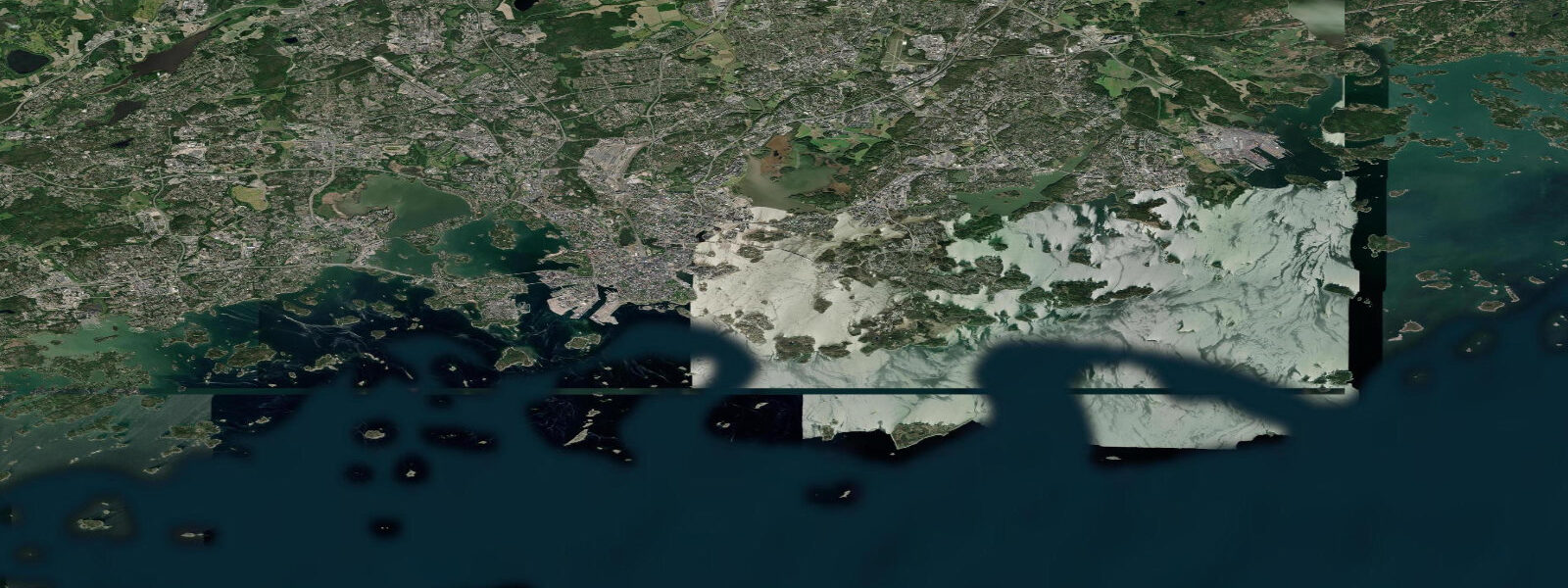
Helsinki tide times
Helsinki tide forecast — heights relative to MSL.
Tide chart for Helsinki
24-hour cosine-interpolated curve around the present moment. Heights relative to MSL. Predictions: Predictions: Open-Meteo Marine (MeteoFrance SMOC, 0.08° grid).
Sun, moon and conditions on Tue 04 Aug
Snapshot at build time — refreshes daily. Sea state from Open-Meteo Marine.
Highs and lows next 7 days
Every predicted high and low for the next week, with the daily tidal coefficient (0–120; higher = bigger swing, > 95 means stronger currents).
Other spots nearby
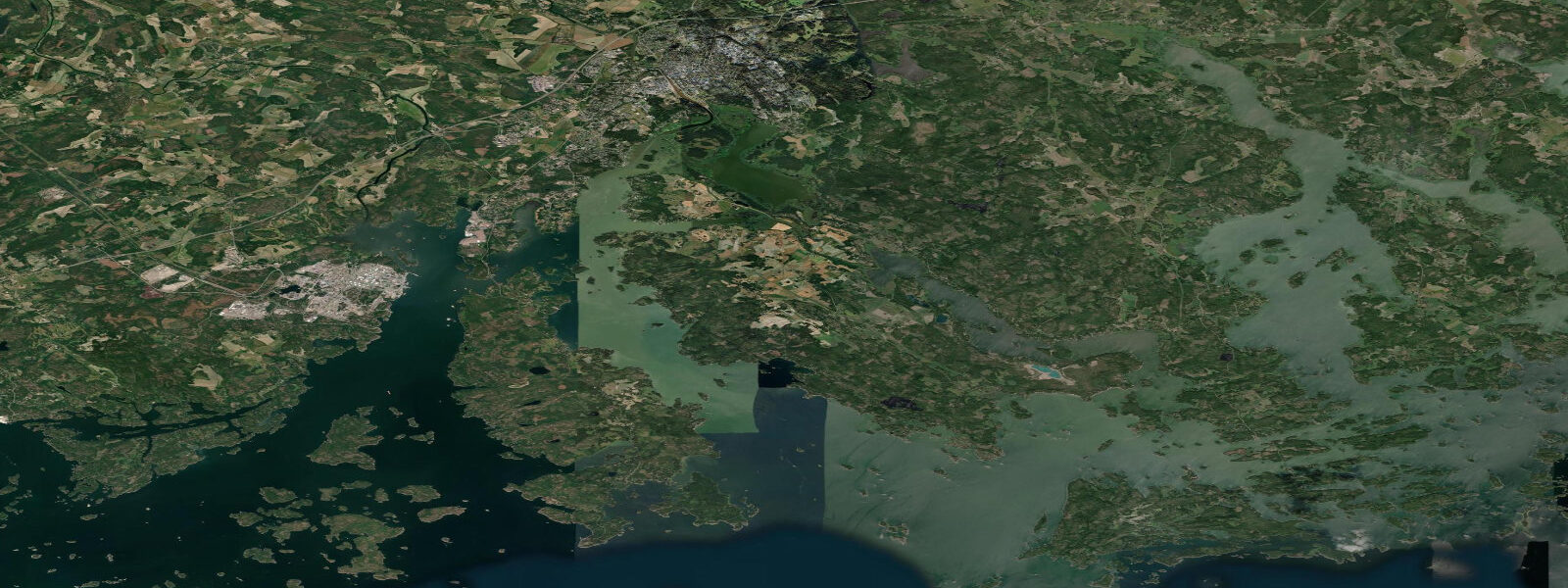
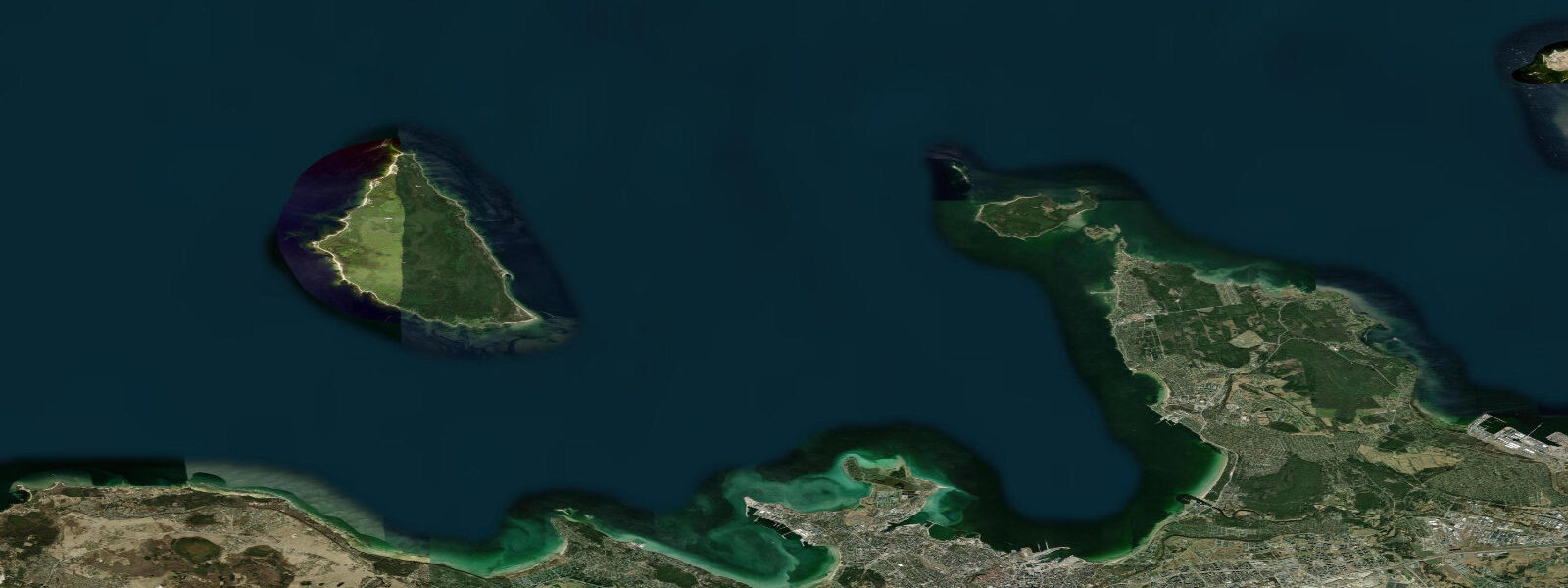
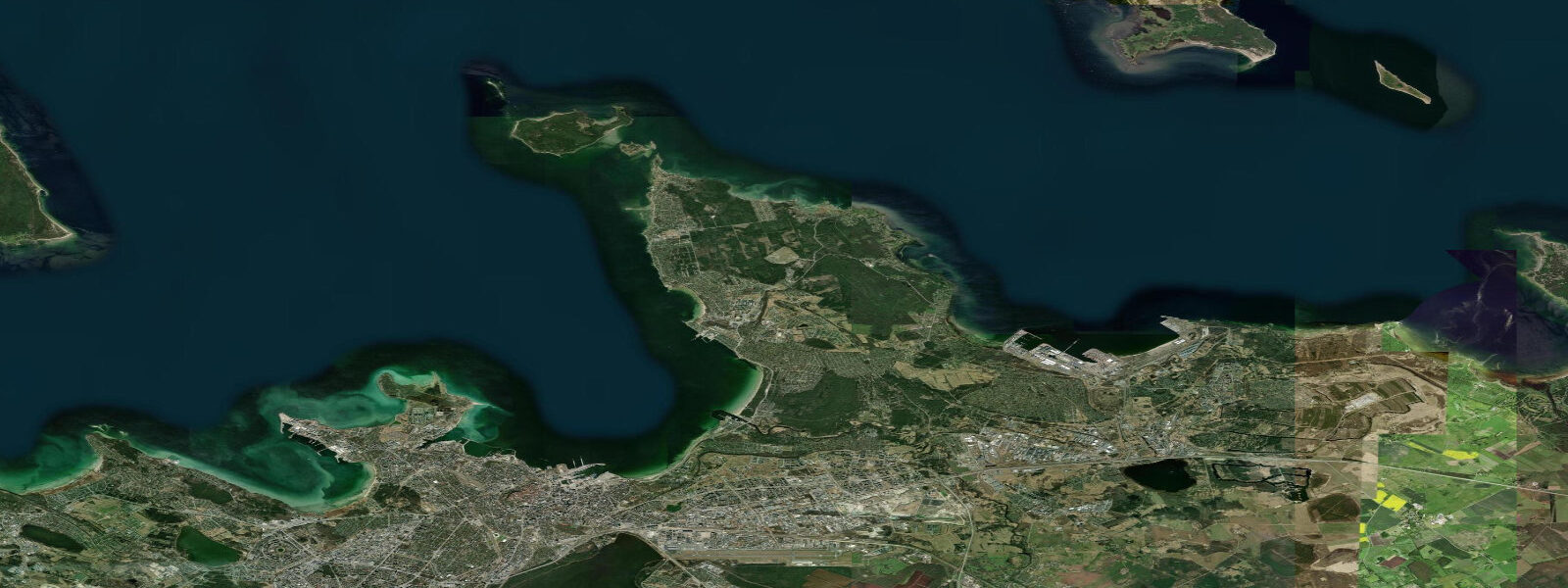
The three closest curated TideTurtle locations to Helsinki, measured by great-circle distance.
Today's solunar windows
Solunar tradition: major periods are the ≈3h windows around moon transit and opposition; minor are ≈2h around moonrise and moonset. Pair with the local tide stage and wind for the best read.
About tides at Helsinki
A short guide to the coastline at Helsinki — geography, sea state, and what the tide is actually doing under your feet.
Helsinki sits on a peninsula jutting south into the Gulf of Finland, a city built on and around water — 330 islands are included within the city boundary, and the sea is visible from almost every part of the compact urban core. The coastal regime is Baltic: the astronomical tidal range at Helsinki is approximately 0.1 metres. There is no tide to plan around in any operational sense.
What controls sea level at Helsinki is wind, atmospheric pressure, and the large-scale oscillations of the Baltic basin. Southwesterly and westerly winds push water toward the northeast, raising levels along the Finnish coast of the Gulf of Finland; persistent easterlies clear the water back westward and can drop the level below mean by a comparable margin. The inverted barometer effect adds roughly one centimetre per millibar below standard pressure — a deep November depression tracks over the Baltic and Helsinki can sit 25 to 30 centimetres above the model's background sea level before any wind effect is applied. Baltic seiches, with a dominant period of roughly 27 hours, add further oscillations that persist for days after the original weather forcing has passed. In the most significant storm-surge events on the Gulf of Finland, total water-level deviation from mean can reach 0.8 to 1.0 metres.
The Finnish Meteorological Institute (FMI / Ilmatieteen laitos) has operated a Mareograph station at the base of the Market Square pier since 1904 — one of Europe's longest continuous sea-level records. The station sits on the South Harbour waterfront, immediately adjacent to where the ferry to Suomenlinna departs. The record documents 120 years of wind-driven Baltic variability against a background of almost undetectable astronomical tidal signal.
Suomenlinna — the sea fortress of Sveaborg, a UNESCO World Heritage site built across six islands — is 15 minutes by public ferry from Market Square. The Helsinki City Ferry (HSL line J) runs approximately every 30 to 60 minutes year-round. The ferry schedule is fixed and not tide-dependent. The fortress itself is accessible at any sea-level state, but the approach channels through the archipelago have shallow sections where the margin between hull and seabed changes with wind-driven sea-level deviation. Visiting by water taxi or private boat, the current sea-level reading from the FMI gauge gives a useful correction to the charted depths.
The Helsinki archipelago's 330 islands are navigated by a dense ferry network and by a large recreational sailing and motor-boating community. The Archipelago includes the islands of Lauttasaari, Korkeasaari (Helsinki Zoo), Seurasaari (open-air museum), and Pihlajasaari (the city's main swimming island, accessible by summer ferry). Sea-kayaking in the inner and outer archipelago is a major summer activity; the sheltered passages between islands allow multi-day routes that stay protected from the open Gulf fetch on most headings.
Senate Square and the waterfront at Market Square define the historic southern edge of the city. The Uspenski Cathedral on a rocky headland to the east and the white Lutheran Cathedral above Senate Square form the two visual anchors of the harbour panorama visible from arriving ferries. The Allas Sea Pool, a floating public swimming facility in the South Harbour, stays open in winter using heated seawater — Helsinki's relationship with its coastal water is year-round rather than seasonal.
For swimmers, the water temperature in the Gulf of Finland reaches 18 to 22 degrees Celsius in July and early August in warm summers. The piha-sauna tradition — sauna directly at the waterline, with a dip in the sea as the cooling step — is deeply embedded in Helsinki culture; the public sauna complexes at Allas and Löyly are the accessible versions of what most Finnish families do at their summer cottages.
Sea-level predictions on this page come from Open-Meteo Marine, a global gridded ocean model, typically accurate to within plus or minus 45 minutes and 0.2 to 0.3 metres. At Helsinki, where the full astronomical range is approximately 0.1 metres, the model uncertainty is larger than the signal being predicted. Treat the predicted highs and lows as indicative context for the theoretical gravitational rhythm. For actual sea-level conditions affecting the harbour, ferry approach channels, and coastal access, the FMI real-time gauge and storm-surge warnings at en.ilmatieteenlaitos.fi are the operative source.
Tide questions about Helsinki
Quick answers to the most common questions about tide times, range, and water access at Helsinki.
Does Helsinki have a real tide to plan around?
No. The astronomical tidal range at Helsinki is approximately 0.1 metres — the Baltic Sea is essentially non-tidal. Sea level is driven by wind setup, atmospheric pressure, and Baltic seiches. A sustained southwesterly can raise the waterline by 30 to 60 centimetres above mean; a persistent easterly lowers it by similar amounts. The Finnish Meteorological Institute (FMI) publishes real-time sea-level gauge readings and storm-surge warnings at en.ilmatieteenlaitos.fi. That is the operative planning tool for any water-based activity in Helsinki.
What is the FMI Mareograph at Market Square?
The FMI (Ilmatieteen laitos) Mareograph at the base of the Market Square pier has recorded sea level continuously since 1904, making it one of Europe's longest unbroken coastal sea-level records. The station uses a float gauge inside a stilling well to measure water level with millimetre-scale precision. The 120-year record documents Baltic storm-surge variability, the long-term effects of glacial isostatic uplift, and sea-level trends. Data from the station contributes to global sea-level research and provides the reference sea level for the Gulf of Finland. Real-time readings from the Helsinki gauge are available at en.ilmatieteenlaitos.fi.
How do I get to Suomenlinna sea fortress from Helsinki?
The Helsinki City Ferry (HSL line J) departs from Market Square on the South Harbour waterfront approximately every 30 to 60 minutes year-round. The crossing takes 15 minutes. The ferry is part of the HSL public transport network and is included on standard HSL tickets. A faster water taxi service also runs from the harbour in summer. The fortress spans six islands with walking connections between them; the main visitor areas, including the museums, the dry dock, and the brewery, are on the island of Susisaari. Sea level does not affect the ferry schedule, which is fixed.
When is sea-kayaking in the Helsinki archipelago possible?
Sea-kayaking in the Helsinki archipelago runs from late April through October, with July and August the peak months when water temperature reaches 18 to 22 degrees Celsius. The sheltered passages between the inner islands are accessible to beginners; the outer archipelago toward the shipping lanes requires open-water experience and awareness of Baltic weather. Wind is the primary planning variable — check the FMI marine forecast before heading into the outer archipelago. The archipelago has no tidal current, so kayaking is not tide-dependent, but wind-driven sea-level changes of 30 to 40 centimetres can affect shallow launch points in the outer islands.
Is this sea-level information safe to use for navigating in Helsinki Harbour or the archipelago?
No. Open-Meteo Marine gridded predictions are not a substitute for official FMI sea-level data, Finnish Maritime Administration charts, or local knowledge of the Helsinki archipelago passages. The Finnish Maritime Administration (Traficom) publishes official nautical charts and notices to mariners. For real-time sea-level conditions affecting channel depths, use the FMI gauge readings at en.ilmatieteenlaitos.fi. Commercial ferry operators and recreational boaters navigating the archipelago should use the official charts and the FMI coastal forecast, not gridded model predictions.
7-day tide table — Helsinki
Heights relative to MSL. Predictions: Open-Meteo Marine (MeteoFrance SMOC, 0.08° grid) — heights relative to MSL (not chart datum / LAT). Model-derived.
| Day | Type | Time | Height |
|---|---|---|---|
| Tue 04 Aug | — | ||
| Wed 05 Aug | — | ||
| Thu 06 Aug | High | 12:00 | 0.1m |
| Fri 07 Aug | — | ||
| Sat 08 Aug | — | ||
| Sun 09 Aug | — | ||
| Mon 10 Aug | Low | 00:00 | -0.0m |
| High | 16:00 | 0.1m | |