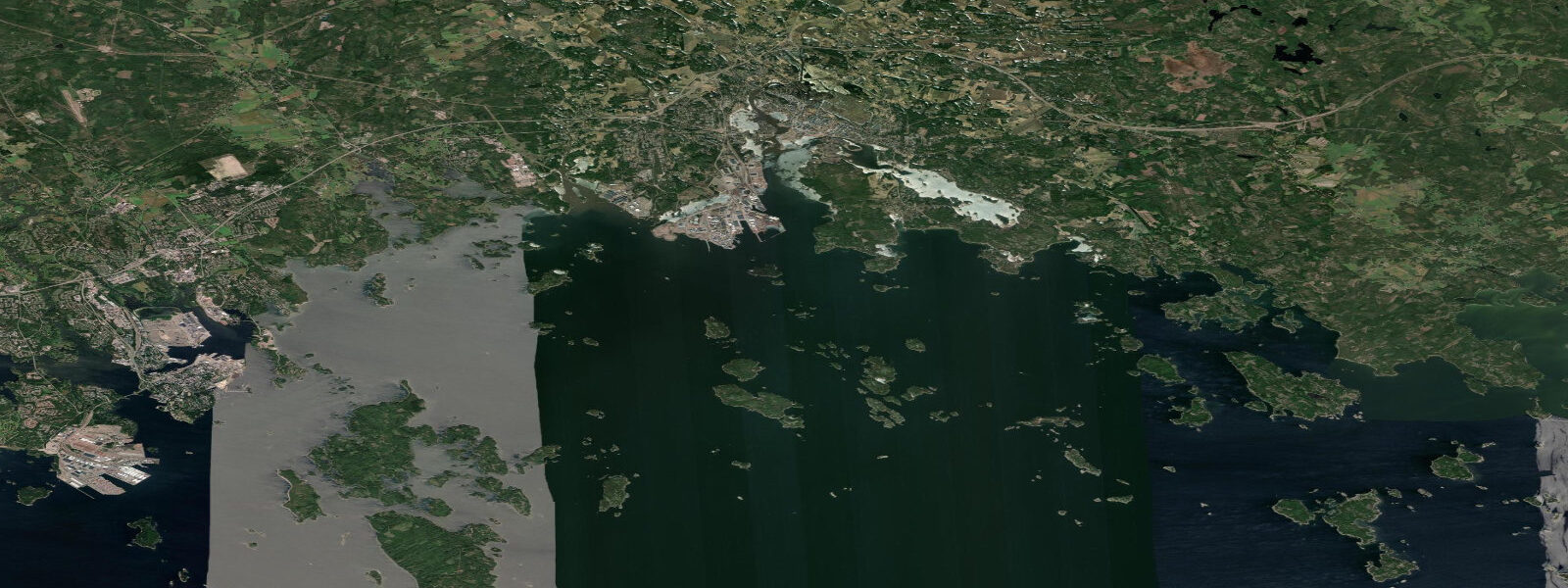
Hamina, Finland tide times
Hamina, Finland tide forecast — heights relative to MSL.
Tide chart for Hamina, Finland
24-hour cosine-interpolated curve around the present moment. Heights relative to MSL. Predictions: Predictions: Open-Meteo Marine (MeteoFrance SMOC, 0.08° grid).
Sun, moon and conditions on Tue 04 Aug
Snapshot at build time — refreshes daily. Sea state from Open-Meteo Marine.
Highs and lows next 7 days
Every predicted high and low for the next week, with the daily tidal coefficient (0–120; higher = bigger swing, > 95 means stronger currents).
Other spots nearby
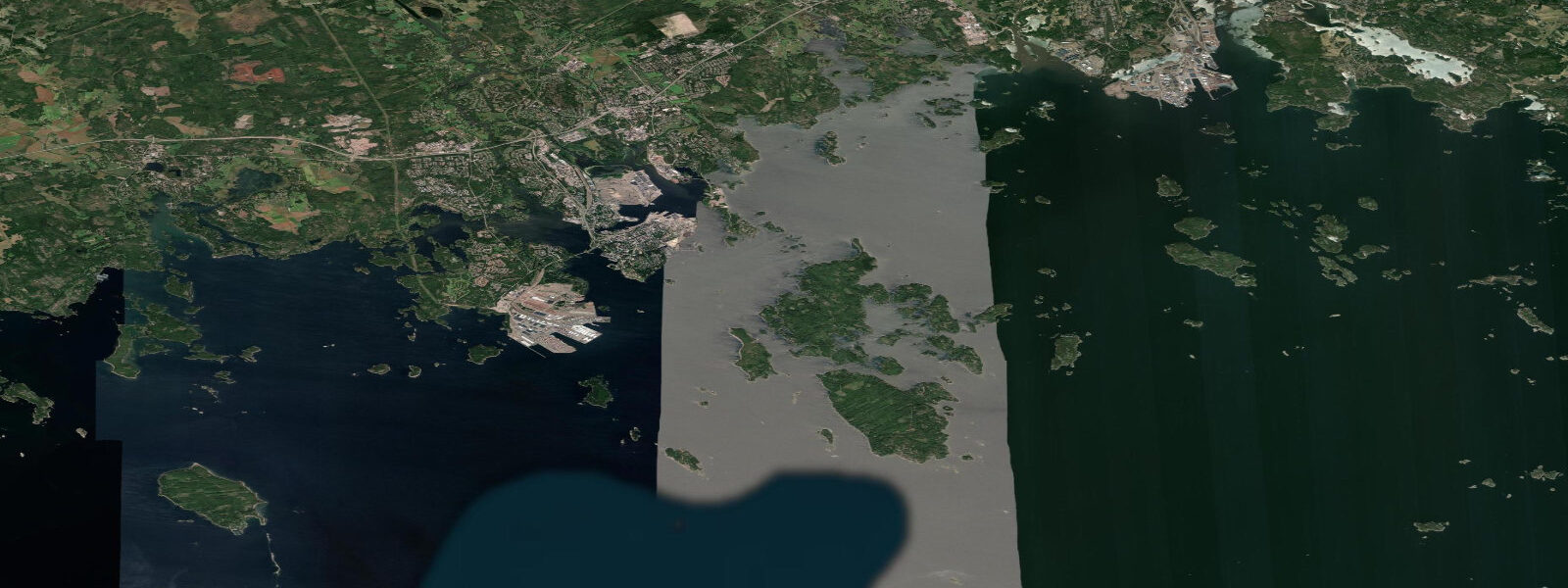
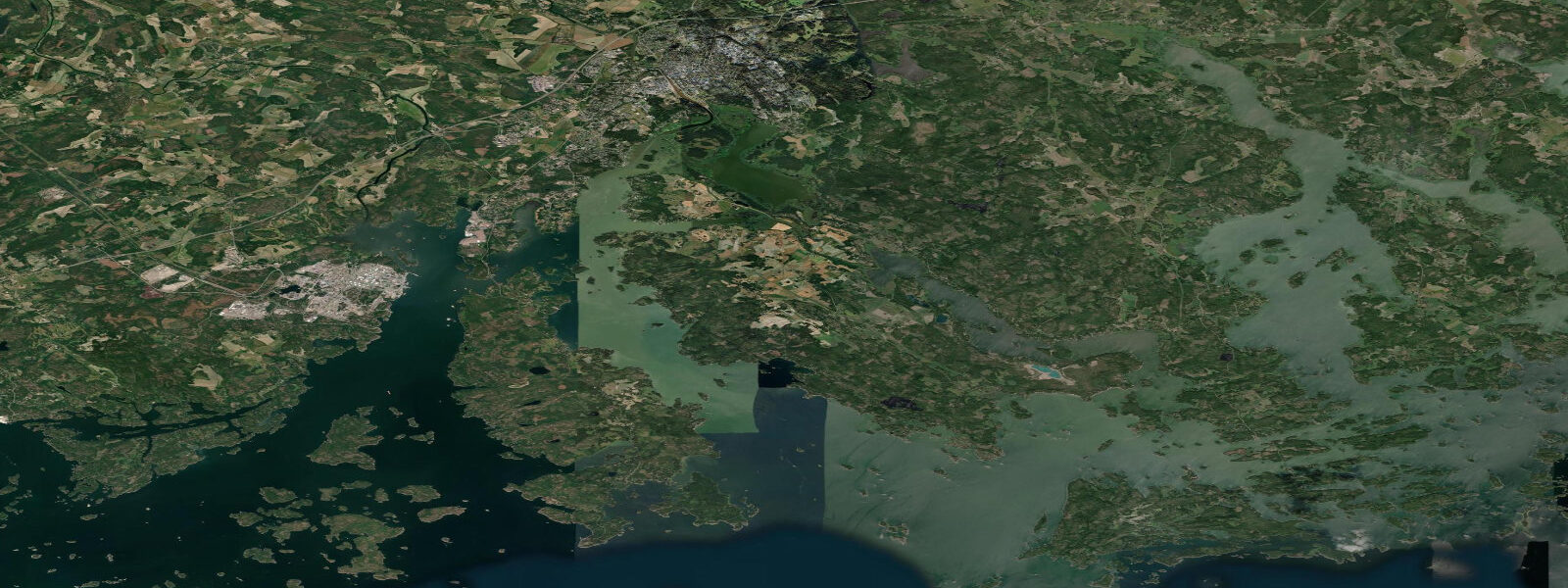
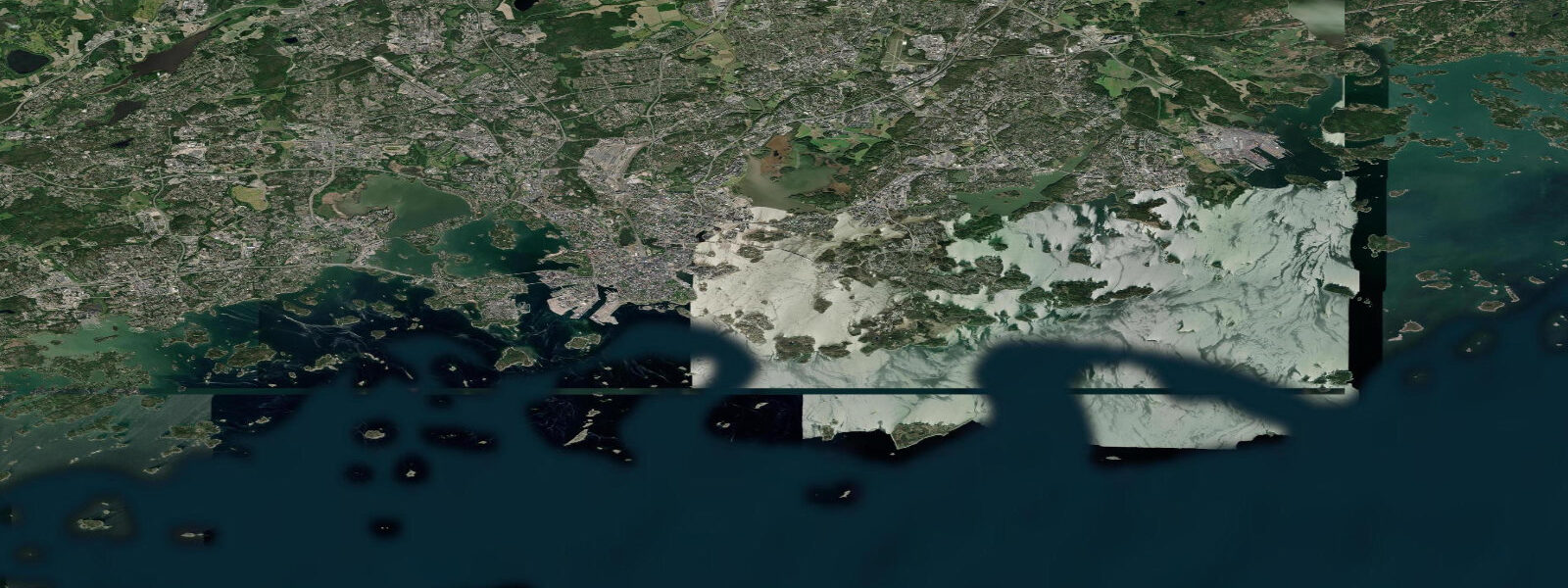
The three closest curated TideTurtle locations to Hamina, Finland, measured by great-circle distance.
Today's solunar windows
Solunar tradition: major periods are the ≈3h windows around moon transit and opposition; minor are ≈2h around moonrise and moonset. Pair with the local tide stage and wind for the best read.
About tides at Hamina, Finland
A short guide to the coastline at Hamina, Finland — geography, sea state, and what the tide is actually doing under your feet.
Hamina is Finland's easternmost coastal city, sitting at the inner end of the Gulf of Finland with the Russian border just 35 km to the east. It is a town of about 20,000 people with one of the most unusual urban layouts in the Nordic countries: the town centre is built on an octagonal star-fort plan, designed by Swedish military engineer Axel von Löwen in 1723 following the Great Northern War. The eight-pointed street pattern radiates outward from the central market square and is clearly visible on any map — a baroque military geometry embedded in a working Finnish coastal town that has functioned continuously since then.
The Gulf of Finland at Hamina is essentially non-tidal. Astronomical tidal range here, at the head of the Gulf, is under 0.1 m — smaller even than in the western Baltic. Water level variation is dominated entirely by wind-driven setup and barometric pressure. A strong southwest wind pushing water into the narrowing head of the Gulf of Finland can raise coastal levels at Hamina by 0.5–1.5 m above the mean within 12–24 hours. The storm of January 2005, which caused severe flooding across the Baltic coast, raised water levels at the head of the Gulf by over 2 m above the normal mark. Tide predictions on this site use Open-Meteo Marine (±45 min / ±0.2–0.3 m accuracy); in this non-tidal environment the metocean context matters far more than the tidal component itself.
The Hamina-Kotka port complex is one of Finland's busiest cargo handling facilities. Hamina Harbour processes significant volumes of transit freight; the long quays and port infrastructure dominate the waterfront east of the town centre. The leisure and sailing harbour is in a separate basin on the Hillo peninsula to the west, sheltered from the prevailing wind direction. The leisure harbour holds around 200 berths and hosts the biennial Hamina Tattoo — an international military tattoo held in the octagonal town centre square that is one of Finland's larger outdoor events.
The archipelago east of Hamina extends toward the Virolahti outer islands, accessible by boat and popular for summer camping and fishing among Finnish families from the Kymenlaakso region. The rocky skerries and sheltered bays of this coast hold perch, pike, and pike-perch throughout the season, with sea trout in the outer archipelago channels from spring through autumn. The Finnish coast guard monitors the area near the border; some outer islands have restricted access zones marked on navigation charts that must be respected.
Swimming beaches are found on the Hillo peninsula and at Neuvoton bay on the west side of the city, where water temperature reaches 20–22°C in July. The Gulf of Finland is less saline than the open Baltic — the eastern section at Hamina is effectively fresh water at around 0.5–1 ppt salinity. Brackish-water tolerant freshwater species such as perch, pike-perch, and bream are found in the harbour and nearshore areas alongside flounder. Ice fishing on the frozen Gulf from December to March (in normal winters) targets perch and pike-perch through the ice from the shore.
The town's fortification history extends beyond the octagonal core — coastal batteries and earthworks on the offshore islands were active through the Winter War and Continuation War of the 1940s. The Finnish Military Academy is headquartered in Hamina, continuing a military tradition that has defined the town since its founding. The old fortress area and the coastal battery museum at Hillo are the main heritage sites, both accessible on foot from the town centre.
Hamina is approximately 135 km east of Helsinki on the E18 motorway. Express buses from Helsinki Kamppi bus terminal run directly to Hamina in around 2 hours — the practical option for visitors without a car.
Tide questions about Hamina, Finland
Quick answers to the most common questions about tide times, range, and water access at Hamina, Finland.
Is there a tide at Hamina?
No meaningful astronomical tide. At the head of the Gulf of Finland, the tidal range is under 0.1 m — the smallest in the Nordic coastal areas covered by this site. Water level at Hamina is driven by wind and pressure: southwest winds push water into the narrowing gulf and raise levels significantly. The January 2005 Baltic storm raised levels at the head of the Gulf by over 2 m above normal. For boating, fishing, and beach planning, watch the wind forecast. Open-Meteo Marine data on this site gives sea state context including wave height and storm surge signals; the tidal component itself is negligible for any practical purpose.
What is the famous octagonal layout of Hamina?
Hamina's town centre is built on a star-fort plan designed in 1723 by Swedish military engineer Axel von Löwen. Eight radial streets extend from a circular market square, surrounded by a ring road following the old fortification perimeter. The pattern is intact and functioning — the market square, the main church, and the town hall are all within the octagon. The geometry is most clearly visible from the air or on a map. The design reflects standard Baroque military urbanism of the period: optimised cannon defence of the harbour, with supply lines of equal length to all eight radial streets. The fortification walls are largely removed, but the street plan survives completely.
What fish can I catch around Hamina?
The archipelago around Hamina holds pike, perch, and pike-perch throughout the season — the near-freshwater conditions of the inner Gulf of Finland suit these species. Sea trout are taken in the outer archipelago channels from spring to autumn, with the autumn run (September–October) the most productive period. Flounder are present in the nearshore sandy-bottom areas closer to the open Gulf. The harbour itself holds large perch year-round. Ice fishing on the frozen Gulf from December to March targets perch and pike-perch through the ice at depths of 3–8 m from the shore. Licences are required for sea trout fishing in Finnish marine waters.
Can I sail to the outer islands from Hamina?
The leisure harbour on the Hillo peninsula is the base for most local sailing. The archipelago east of Hamina extends toward the Virolahti outer islands, with sheltered bays and camping spots accessible by boat. Navigation charts are essential — the outer island area near the Russian border has restricted access zones marked on Finnish and international charts that must be respected. The Finnish coast guard patrols the border area. The sea distance from Hamina harbour to the outer Virolahti skerries is around 15–20 km, manageable on a day sail in settled summer conditions with an early start.
How do I get to Hamina from Helsinki?
Hamina is approximately 135 km east of Helsinki on the E18 motorway (Finnish National Road 7). By car, allow 1.5 hours. There is no direct train — the nearest mainline station with regular services is Kotka-Metsola, about 30 km west, with onward bus connection to Hamina. Express buses run directly from Helsinki Kamppi bus terminal to Hamina in around 2 hours, making this the most practical option without a car. Buses also connect Hamina to Kotka (30 minutes) and to the Vaalimaa border crossing with Russia. The bus terminal in Hamina is a short walk from the octagonal town centre.
8-day tide table — Hamina, Finland
Heights relative to MSL. Predictions: Open-Meteo Marine (MeteoFrance SMOC, 0.08° grid) — heights relative to MSL (not chart datum / LAT). Model-derived.
| Day | Type | Time | Height |
|---|---|---|---|
| Tue 04 Aug | — | ||
| Wed 05 Aug | Low | 13:00 | 0.0m |
| Thu 06 Aug | High | 18:00 | 0.2m |
| Fri 07 Aug | — | ||
| Sat 08 Aug | — | ||
| Sun 09 Aug | — | ||
| Mon 10 Aug | — | ||
| Tue 11 Aug | Low | 01:00 | 0.0m |