Labasa tide times
Labasa tide forecast — heights relative to MSL.
Tide chart for Labasa
24-hour cosine-interpolated curve around the present moment. Heights relative to MSL. Predictions: Predictions: Open-Meteo Marine (MeteoFrance SMOC, 0.08° grid).
Sun, moon and conditions on Thu 06 Aug
Snapshot at build time — refreshes daily. Sea state from Open-Meteo Marine.
Highs and lows next 7 days
Every predicted high and low for the next week, with the daily tidal coefficient (0–120; higher = bigger swing, > 95 means stronger currents).
Other spots nearby
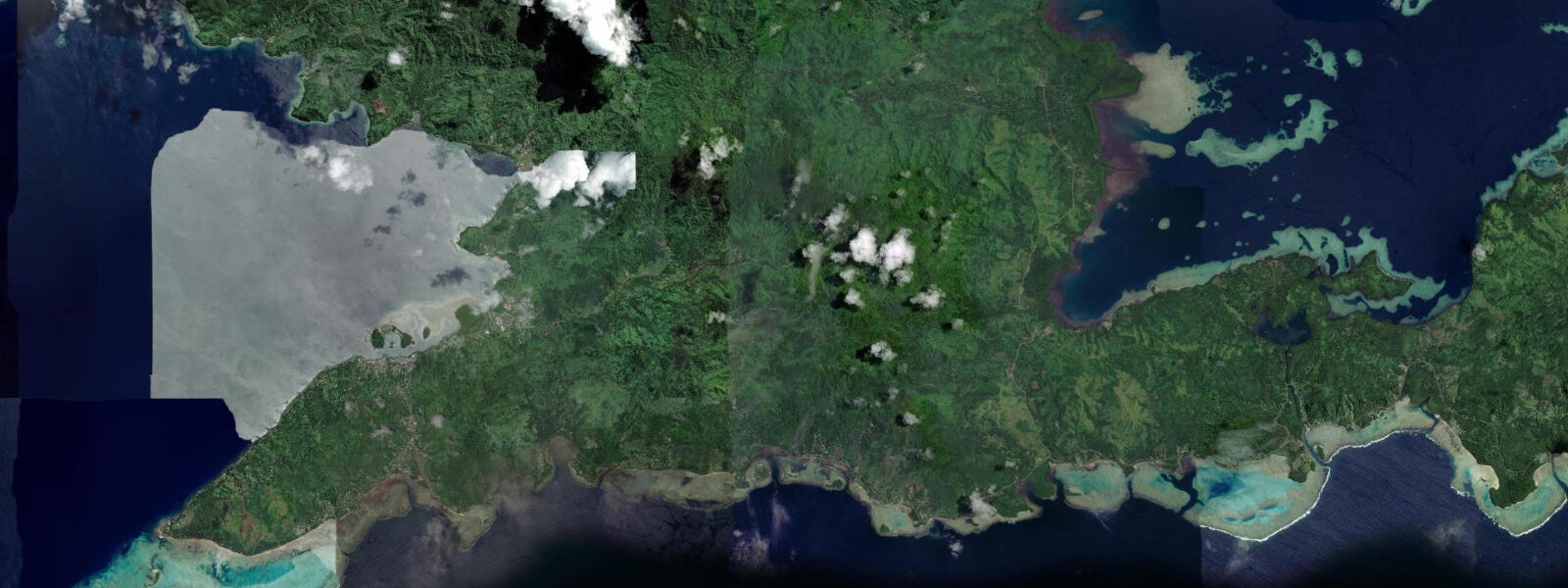
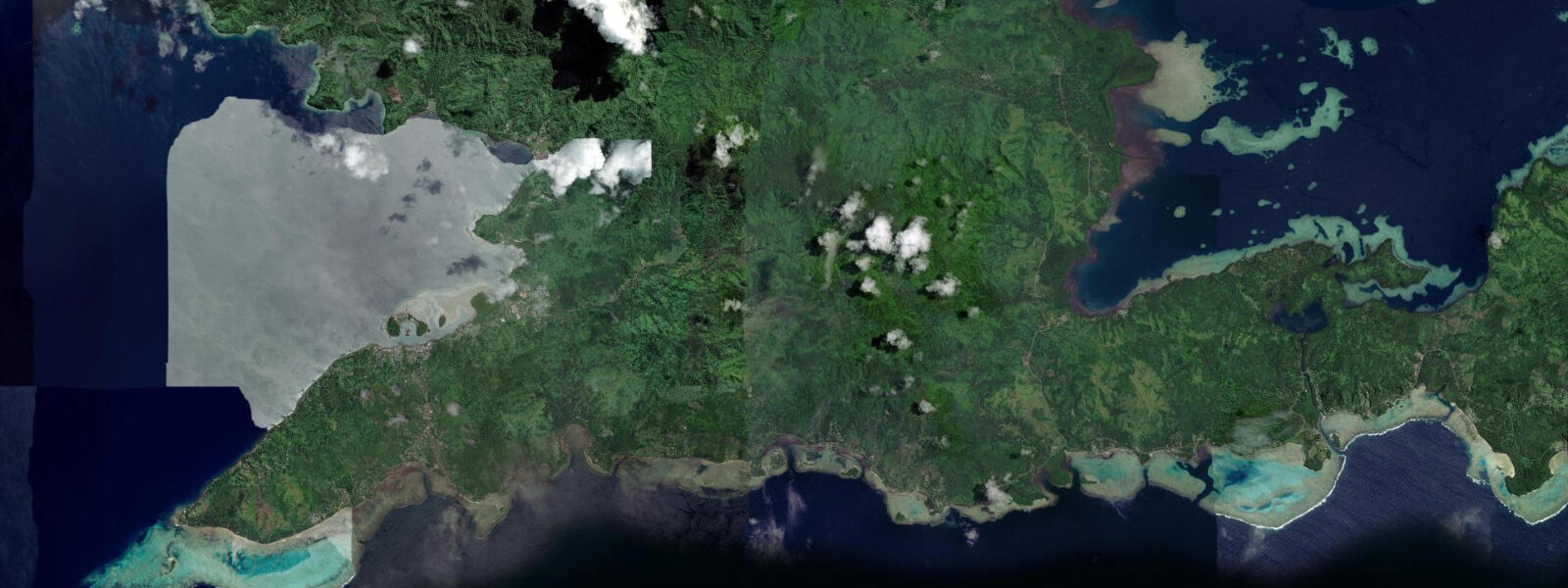
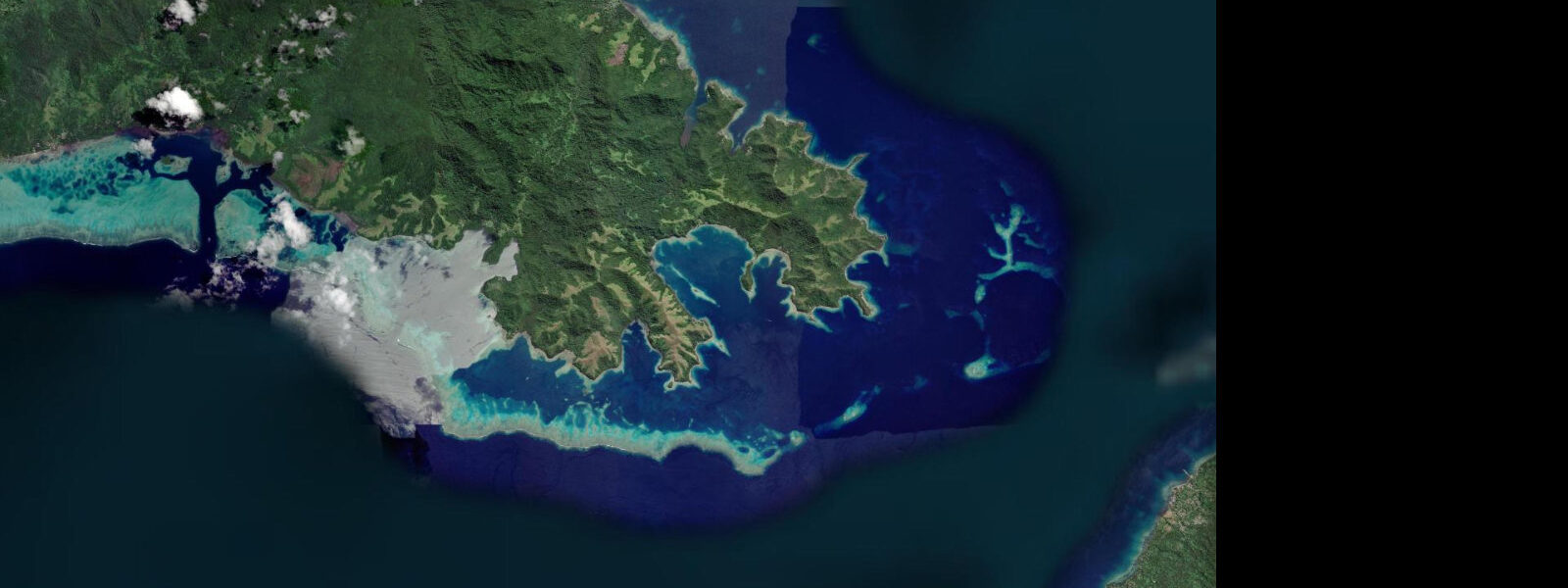
The three closest curated TideTurtle locations to Labasa, measured by great-circle distance.
Today's solunar windows
Solunar tradition: major periods are the ≈3h windows around moon transit and opposition; minor are ≈2h around moonrise and moonset. Pair with the local tide stage and wind for the best read.
Cycle dates near Labasa
Next spring tide on Mon 10 Aug (range 1.8m). Next neap on Wed 05 Aug.
Spring tides cluster around new and full moons (biggest swings). Neap tides land on quarter moons (smallest swings). See the spring tide and neap tide glossary entries for the why.
About tides at Labasa
A short guide to the coastline at Labasa — geography, sea state, and what the tide is actually doing under your feet.
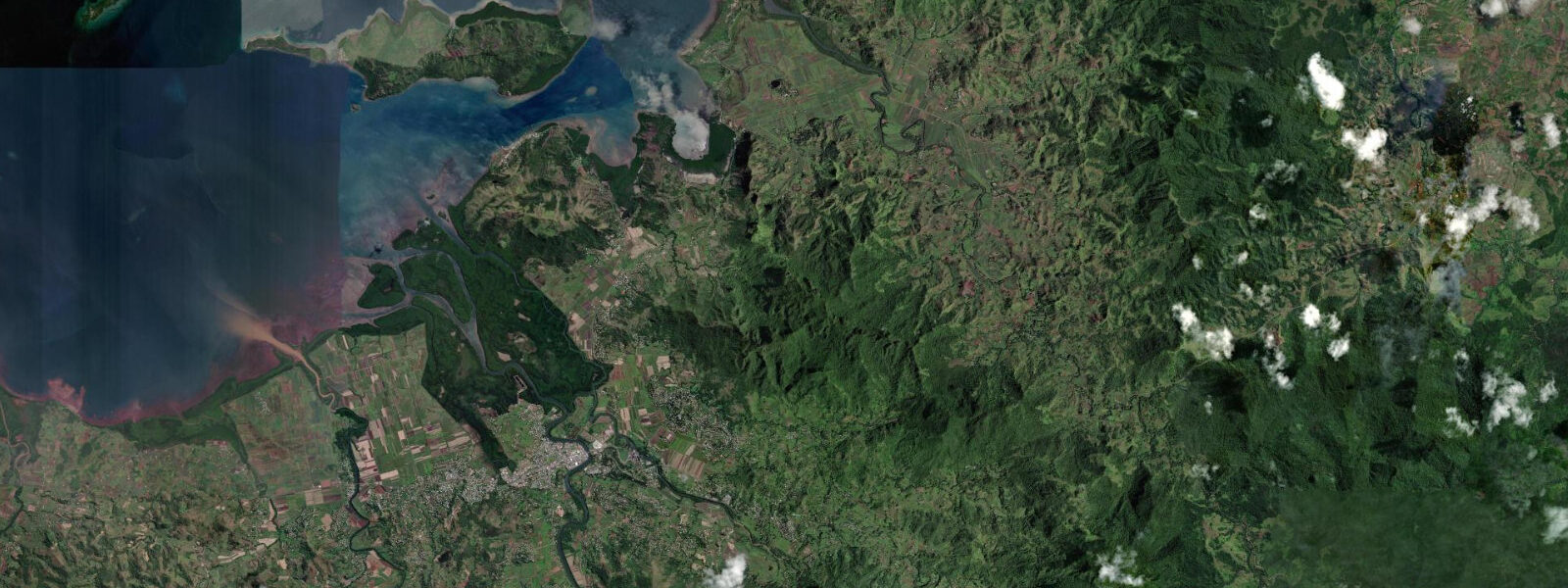
Labasa is Fiji's second city by population and the undisputed commercial centre of Vanua Levu, the country's second-largest island. Sugarcane fields press right to the edge of town; the Qawa River runs through the middle and empties into the tidal flats north of the CBD. This is not a resort town. The infrastructure is practical, the pace is slower than Nadi, and the coastal access — once you get past the sugarcane — is genuinely good.
Tides at Labasa are mixed semidiurnal, with a range of 0.8 to 1.3 metres. Two unequal highs and two unequal lows each day make the tidal pattern slightly irregular; the lower-high and higher-low can differ by 0.3 metres or more on any given day. Open-Meteo Marine forecasts for this part of the Koro Sea are accurate to roughly ±45 minutes on timing and ±0.2 to 0.3 metres on height. Check the forecast before any boat trip out of the Qawa River mouth — the bar crossing at low tide on an ebb current is shallow and choppy; the window around high water is significantly easier.
The river mouth itself supports a small fishing fleet targeting coral trout, snapper, and mangrove jack on the flood tide as the water pushes into the estuarine channels behind the cane fields. Spin and bait fishing from the riverbanks in town is surprisingly productive at dusk on a rising tide. For offshore reef fishing, local charter operators run trips to the reef systems beyond the river delta, typically leaving the wharf around 05:30 to hit the reef on the first of the flood.
Nukubati Island, a small private-island resort roughly 30 kilometres northwest of Labasa by boat, sits inside one of Vanua Levu's better-preserved reef passages. Day trips from Labasa are possible with a hired boat; the passage between Nukubati and the mainland carries a brisk tidal current that concentrates pelagic fish on the incoming tide. Natewa Bay, the largest bay in Fiji by area, opens to the east of Labasa and is the primary destination for reef flat walks and mangrove kayaking. The bay's extensive shallow tidal flats are accessible only within two hours either side of high water — at low tide they drain to ankle depth across a muddy substrate.
Labasa town has a covered produce market, a working waterfront with fishing vessels, and Indo-Fijian and iTaukei communities living alongside each other — a demographic mix that shapes the food, the festivals (Holi and Diwali are big here), and the general texture of street life. The Snake God Temple (Naag Mandir), about 4 kilometres from town, draws Hindu pilgrims from across Fiji. It has nothing to do with the coast, but it is worth the detour.
For anyone using Labasa as a base to explore northern Vanua Levu, the logistics are straightforward. The domestic airport (LBS) handles turboprop services from Nadi and Suva. The town has hotels ranging from basic guesthouses to a handful of mid-range options. Car hire is available and roads along the northern coast toward Savusavu are sealed, though single-lane bridges slow the pace considerably.
Surface currents in the approaches to Labasa are tidally dominated — the Qawa River amplifies the tidal signal inland, so even 20 kilometres up the river the water level fluctuates noticeably with the ocean tide. Kayakers planning multi-day trips along the northern Vanua Levu coast should plan legs to take advantage of flood tides pushing east or ebb tides running west, depending on direction of travel. The Open-Meteo Marine 7-day forecast gives enough lead time to plan multi-stage passages.
Savusavu, about 120 kilometres southeast of Labasa by sealed road, has a more developed yachting and dive tourism infrastructure and is the better-known visitor destination on Vanua Levu. Labasa is the complementary base: rawer, cheaper, and closer to the northern reef systems. Visitors who have spent a few days in Savusavu's marina scene often use Labasa as a day or overnight extension — the contrast between the two towns is instructive about how different parts of Fiji's second island function. The road between them passes through some of the most scenic cane-country terrain in the Pacific.
Tide questions about Labasa
Quick answers to the most common questions about tide times, range, and water access at Labasa.
What are tides like at Labasa and when is the best time to cross the Qawa River bar?
Labasa experiences mixed semidiurnal tides with a range of 0.8 to 1.3 metres. The bar at the Qawa River mouth is shallow on the ebb — typically less than 1.2 metres at mean lower-low water — and the outgoing current can produce a choppy, breaking entry. The cleanest window to cross outbound by boat is within 90 minutes either side of high water, when depth is greatest and current is slack. Open-Meteo Marine forecasts timing to ±45 minutes and height to ±0.2–0.3 metres, so build that margin into your departure plan. Inbound crossings on the flood are easier; the current helps push you over the bar rather than against you.
What reef and fishing access is available from Labasa?
Charter fishing operators work out of the Labasa waterfront and target coral trout, snapper, and mangrove jack on the reef systems beyond the Qawa River delta. Most trips depart around 05:30 to reach productive reef ground on the first of the flood tide, typically two to three hours out by small fibreglass boat. Nukubati Island passage, about 30 kilometres northwest, is one of the better-known reef fishing spots accessible from Labasa — the tidal current through the passage concentrates pelagic species on the flood. For simpler access, the riverbanks in town fish well for mangrove jack at dusk on a rising tide using cut fish or soft plastics.
How do you access Natewa Bay from Labasa?
Natewa Bay, the largest bay in Fiji by area, lies roughly 40 kilometres east of Labasa by road. The drive follows the sealed northern coast road and takes about an hour. Access to the bay's reef flat and mangrove channels is tidal — the extensive shallows drain to near-nothing at low tide over a muddy substrate, making boat access impossible and foot access unappealing. Plan to arrive within two hours of high water for reef flat walks, kayaking, or any mangrove exploration by small boat. The bay has no formal visitor infrastructure; most access is arranged through village permits. A local guide from Labasa or nearby villages is useful for navigation through the mangrove channels.
Is there a direct flight to Labasa from Nadi or Suva?
Labasa Airport (IATA: LBS) receives regular turboprop services — primarily by Fiji Link — from Nadi International and Suva's Nausori Airport. Flight time from Nadi is approximately 45 minutes; from Nausori, about 30 minutes. Schedules typically offer one to two frequencies daily per route, though these shift seasonally. No international flights serve Labasa directly. If connecting from overseas, Nadi is the transit hub. Internal fares are modest by Pacific standards. The airport is about 3 kilometres from the town centre; taxis are available at the terminal.
What cultural sites near Labasa are worth visiting?
The Naag Mandir (Snake God Temple) about 4 kilometres from the town centre is one of the most visited Hindu temples in Fiji. The site centres on a naturally formed rock said to resemble a cobra, and draws pilgrims from across the country — particularly during Diwali and Holi, when Labasa's large Indo-Fijian community fills the town. The Wasavulu Ceremonial Village, accessible by arranged permit, offers insight into iTaukei traditions. Labasa market on Saturday morning is the most direct way to observe daily life: sugarcane farmers, reef fish, tropical produce, and textiles in one covered space. For WWII history enthusiasts, coastal sites around Vanua Levu preserve remnants of wartime infrastructure, though these require local knowledge to locate.
7-day tide table — Labasa
Heights relative to MSL. Predictions: Open-Meteo Marine (MeteoFrance SMOC, 0.08° grid) — heights relative to MSL (not chart datum / LAT). Model-derived.
| Day | Type | Time | Height |
|---|---|---|---|
| Thu 06 Aug | Low | 15:40 | 0.3m |
| High | 22:06 | 1.2m | |
| Fri 07 Aug | Low | 04:42 | 0.3m |
| High | 10:52 | 1.0m | |
| Low | 16:50 | 0.3m | |
| High | 23:15 | 1.2m | |
| Sat 08 Aug | Low | 06:00 | 0.2m |
| High | 12:16 | 1.0m | |
| Low | 18:05 | 0.3m | |
| Sun 09 Aug | High | 00:35 | 1.3m |
| Low | 07:15 | 0.1m | |
| High | 13:40 | 1.1m | |
| Low | 19:20 | 0.3m | |
| Mon 10 Aug | High | 01:42 | 1.4m |
| Low | 08:18 | 0.0m | |
| High | 14:38 | 1.2m | |
| Low | 20:25 | 0.2m | |
| Tue 11 Aug | High | 02:40 | 1.5m |
| Low | 09:13 | -0.1m | |
| Wed 12 Aug | High | 03:33 | 1.6m |
| Low | 10:01 | -0.2m |