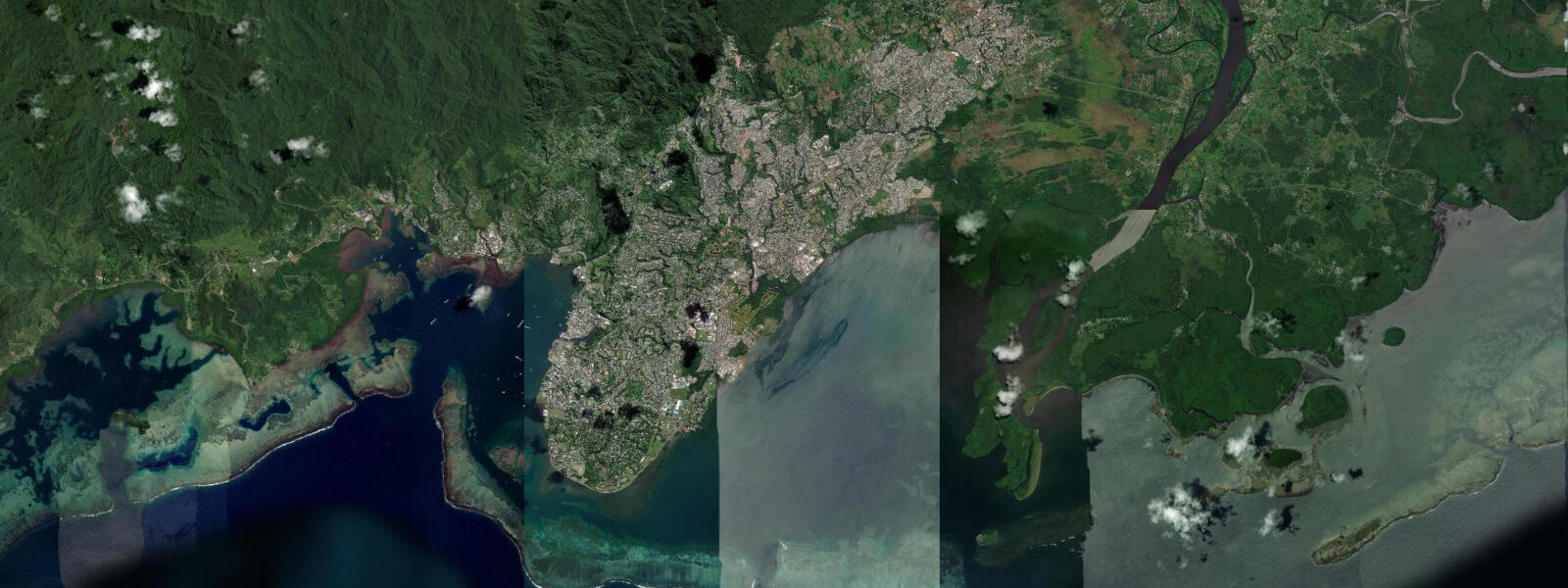
Suva, Fiji tide times
Suva, Fiji tide forecast — heights relative to MSL.
Tide chart for Suva, Fiji
24-hour cosine-interpolated curve around the present moment. Heights relative to MSL. Predictions: Predictions: Open-Meteo Marine (MeteoFrance SMOC, 0.08° grid).
Sun, moon and conditions on Tue 28 Jul
Snapshot at build time — refreshes daily. Sea state from Open-Meteo Marine.
Highs and lows next 7 days
Every predicted high and low for the next week, with the daily tidal coefficient (0–120; higher = bigger swing, > 95 means stronger currents).
Other spots nearby
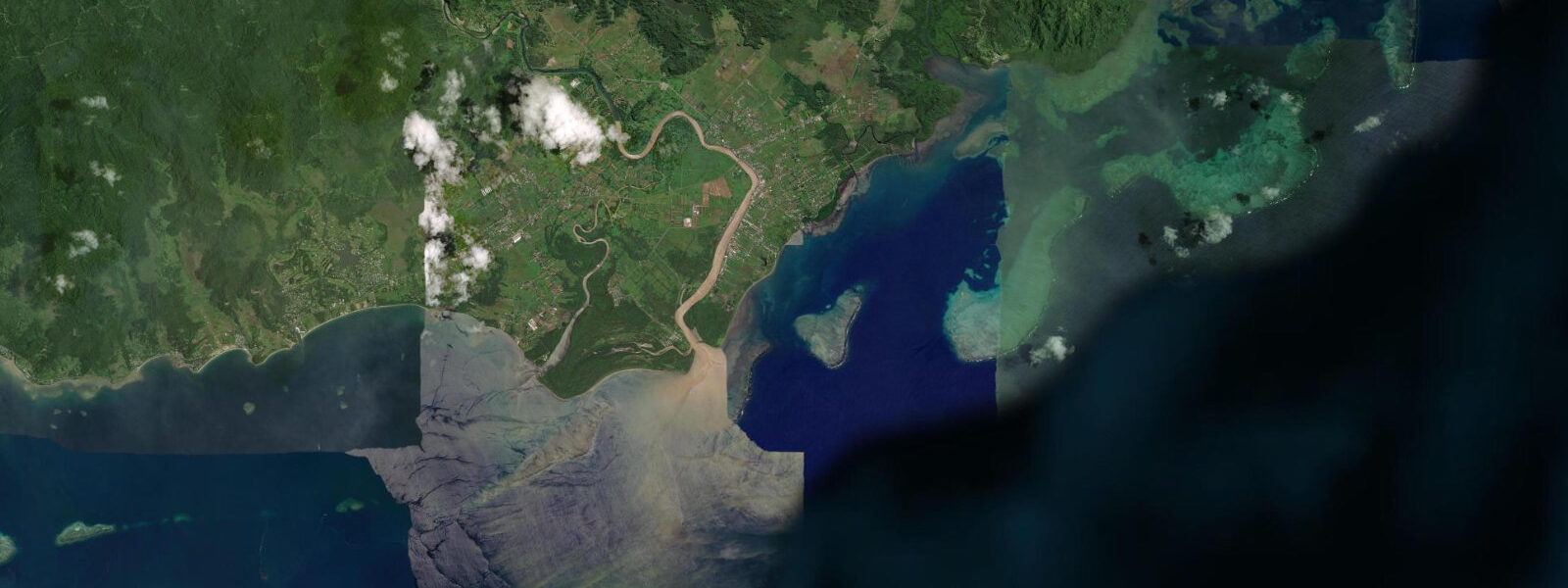
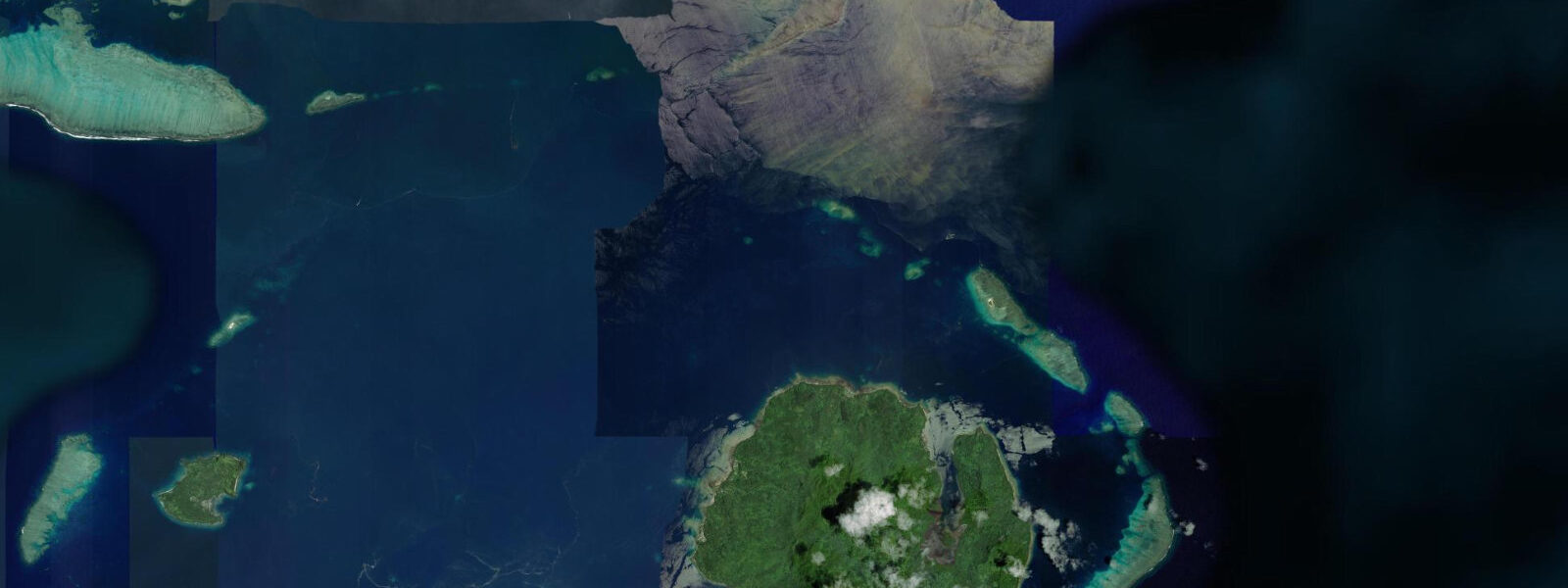
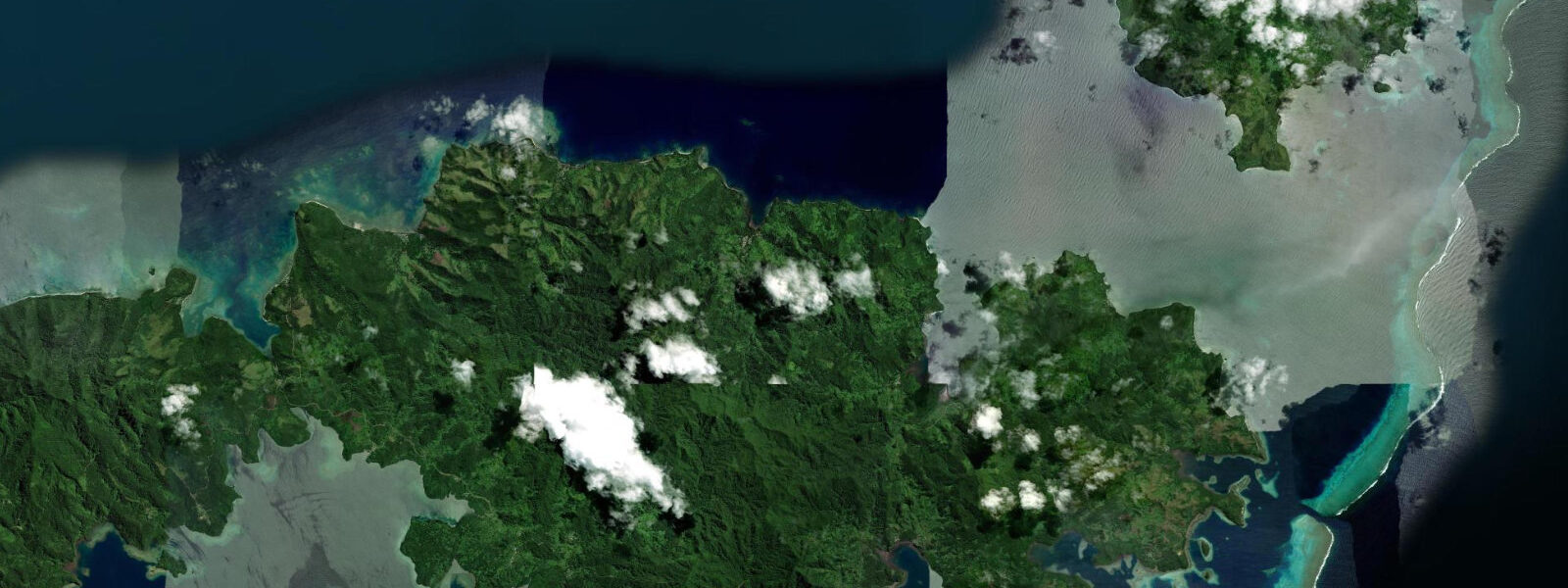
The three closest curated TideTurtle locations to Suva, Fiji, measured by great-circle distance.
Today's solunar windows
Solunar tradition: major periods are the ≈3h windows around moon transit and opposition; minor are ≈2h around moonrise and moonset. Pair with the local tide stage and wind for the best read.
Cycle dates near Suva, Fiji
Next spring tide on Thu 30 Jul (range 1.3m). Next neap on Mon 27 Jul.
Spring tides cluster around new and full moons (biggest swings). Neap tides land on quarter moons (smallest swings). See the spring tide and neap tide glossary entries for the why.
About tides at Suva, Fiji
A short guide to the coastline at Suva, Fiji — geography, sea state, and what the tide is actually doing under your feet.
Suva is the working capital of Fiji, sitting on the south-eastern coast of Viti Levu, the country's largest island, at the head of Suva Harbour where the Tamavua and Wailoku rivers feed into the bay. Fiji is the most populous and economically significant of the South Pacific Melanesian nations, sitting between Vanuatu to the west and Tonga to the east in a chain of about 330 islands of which roughly a third are inhabited. The country's coastline is dominated by fringing and barrier reefs that ring almost every island, and the Coral Coast that runs west from Suva along the southern shoreline of Viti Levu toward Pacific Harbour and Sigatoka is one of the great surf and dive coasts of the region.
5 on neaps. Two highs and two lows of unequal size each day, with the asymmetry varying through the lunar month. The Suva Harbour basin connects to the open Pacific through the narrow Suva Passage between Nukulau Reef and the southern reef edge, and tidal currents through the passage run sharper than the height swing implies, with working pilots timing the larger commercial vessel approaches around the slack on the rising flood.
The defining seasonal force is the cyclone calendar. The South Pacific cyclone season runs from November through April with peak activity from January through March, and tropical cyclones in the South Pacific tend to track along the latitude band between 10 and 25 degrees south, putting Fiji at the centre of the long-term climatology. Cyclone Winston in February 2016 (Category 5, the most intense tropical cyclone ever recorded in the Southern Hemisphere with sustained winds exceeding 250 kilometres per hour) struck the Northern Division and the eastern islands of Vanua Levu and Taveuni hardest, killing 44 people and reshaping the agricultural calendar across the country; Suva was on the southern flank of the storm and took less direct damage but the surge and rainfall events were severe.
The Coral Coast surf passes at Frigates, Wilkes, and Restaurants along the southern reef edge open up on certain tide stages and ring the reef shelf at low water for the working dive operations. The Suva fish market at the harbour reads the boat-return calendar for the inshore tuna and reef-fish fleet, the inter-island ferry to Levuka on Ovalau and the Yasawa group reads the table for the Suva passage windows, and the working container terminal at the Suva commercial port reads the table for dredged-channel approach timing. The Fiji Meteorological Service publishes the authoritative tide tables; Open-Meteo Marine drives the gridded predictions on this page.
Tide questions about Suva, Fiji
Quick answers to the most common questions about tide times, range, and water access at Suva, Fiji.
When is the next high tide at Suva?
The hero block shows the next high tide at the Suva harbour gauge in local Fiji time (FJT/FJST with DST). The 7-day table covers all daily highs and lows. The mixed semidiurnal pattern produces two highs and two lows of unequal size each day, with the asymmetry varying through the lunar month.
What's the typical tide range at Suva?
Mean range at the Suva harbour gauge is about 1.0 metre — a moderate South Pacific signal. Spring tides push close to 1.4 metres and neaps drop near 0.5. The Suva Harbour basin connects to the open Pacific through the narrow Suva Passage between Nukulau Reef and the southern reef edge, and tidal currents through the passage run sharper than the height swing implies.
Where do these tide predictions come from?
Open-Meteo Marine, a gridded global ocean model. Useful for planning the Coral Coast surf-pass timing at Frigates, Wilkes, and Restaurants, the inter-island ferry to Levuka and the Yasawa group, the Suva fish-market boat-return calendar, and the working dive operations along the southern reef edge. For authoritative Fijian tide data, the Fiji Meteorological Service publishes the official tide tables.
What's the cyclone-season calendar and how does it shape the working coast?
The South Pacific cyclone season runs from November through April with peak activity from January through March. Tropical cyclones in the South Pacific tend to track along the latitude band between 10 and 25 degrees south, putting Fiji at the centre of the long-term climatology. Cyclone Winston in February 2016 (Category 5, the most intense tropical cyclone ever recorded in the Southern Hemisphere with sustained winds exceeding 250 kilometres per hour) struck the Northern Division hardest, killing 44 people and reshaping the agricultural calendar across the country. Suva was on the southern flank and took less direct damage but the surge and rainfall events were severe.
Is this safe to use for navigation?
No. For piloting in or out of the Suva harbour, transiting the Suva Passage, or any Coral Coast reef-pass approach use the Fiji Meteorological Service authoritative tide tables, the Maritime Safety Authority of Fiji pilotage guidance, and the Joint Typhoon Warning Center cyclone advisories during the November-to-April season. The reef-pass currents and the cyclone-surge potential require working pilotage for any commercial transit.
7-day tide table — Suva, Fiji
Heights relative to MSL. Predictions: Open-Meteo Marine (MeteoFrance SMOC, 0.08° grid) — heights relative to MSL (not chart datum / LAT). Model-derived.
| Day | Type | Time | Height |
|---|---|---|---|
| Tue 28 Jul | High | 04:15 | 1.2m |
| Low | 10:55 | 0.1m | |
| High | 17:05 | 1.0m | |
| Low | 22:51 | 0.3m | |
| Wed 29 Jul | High | 04:57 | 1.2m |
| Thu 30 Jul | Low | 12:12 | 0.0m |
| High | 18:24 | 1.1m | |
| Fri 31 Jul | Low | 00:08 | 0.2m |
| High | 06:16 | 1.2m | |
| Low | 12:43 | 0.0m | |
| High | 19:00 | 1.1m | |
| Sat 01 Aug | Low | 00:48 | 0.2m |
| High | 06:54 | 1.3m | |
| Low | 13:18 | 0.0m | |
| Sun 02 Aug | High | 07:34 | 1.3m |
| Low | 13:55 | 0.1m | |
| High | 20:12 | 1.2m | |
| Mon 03 Aug | Low | 02:08 | 0.2m |
| High | 08:16 | 1.3m | |
| Low | 11:00 | 0.8m |