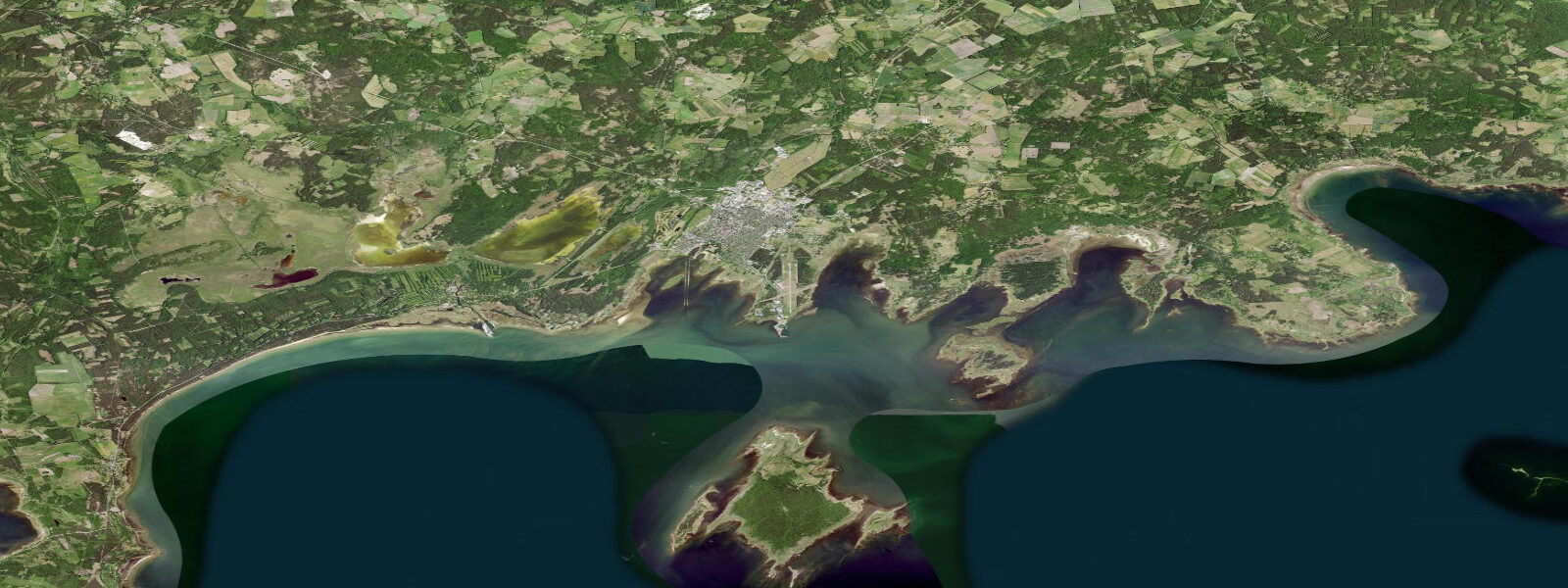
Kuressaare, Saaremaa tide times
Kuressaare, Saaremaa tide forecast — heights relative to MSL.
Tide chart for Kuressaare, Saaremaa
24-hour cosine-interpolated curve around the present moment. Heights relative to MSL. Predictions: Predictions: Open-Meteo Marine (MeteoFrance SMOC, 0.08° grid).
Sun, moon and conditions on Tue 04 Aug
Snapshot at build time — refreshes daily. Sea state from Open-Meteo Marine.
Highs and lows next 7 days
Every predicted high and low for the next week, with the daily tidal coefficient (0–120; higher = bigger swing, > 95 means stronger currents).
Other spots nearby
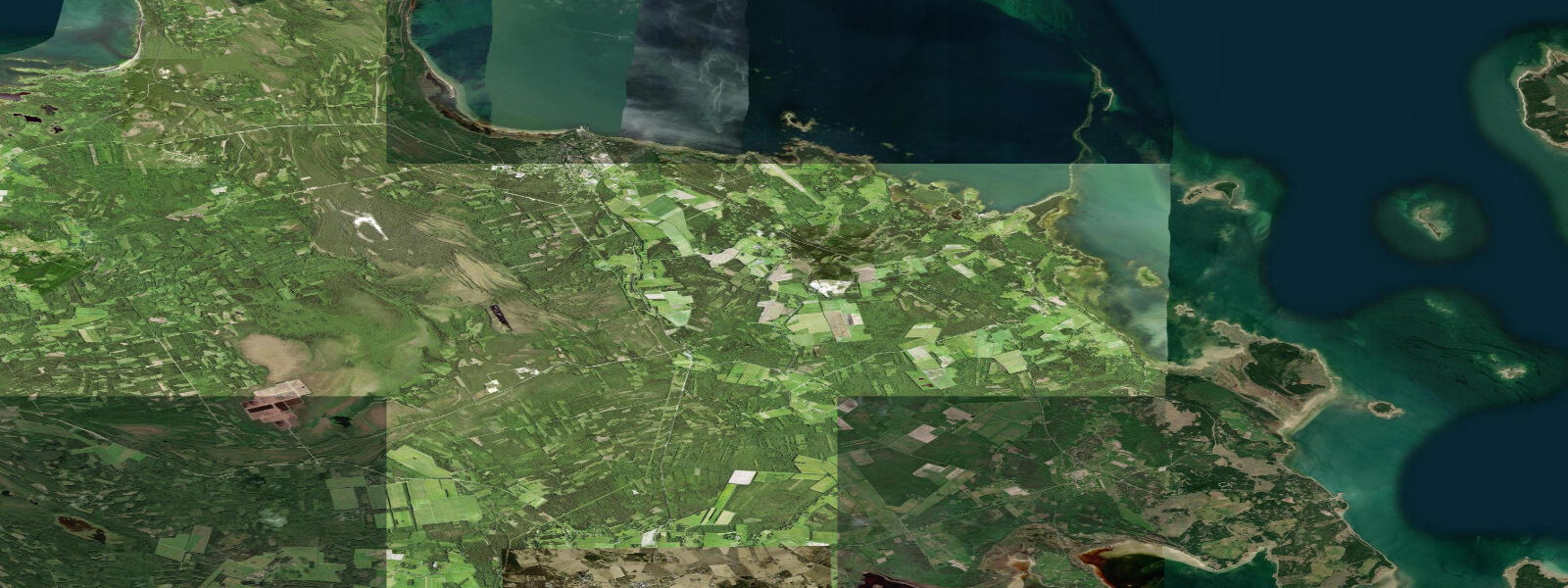
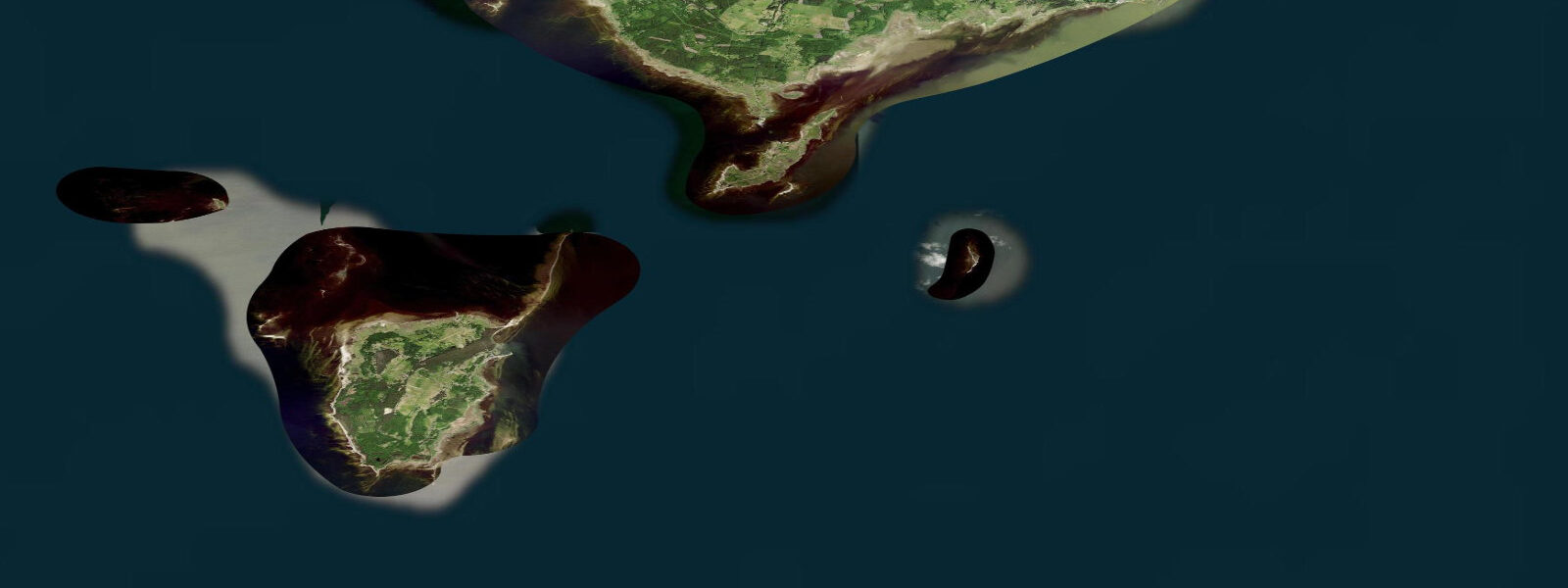
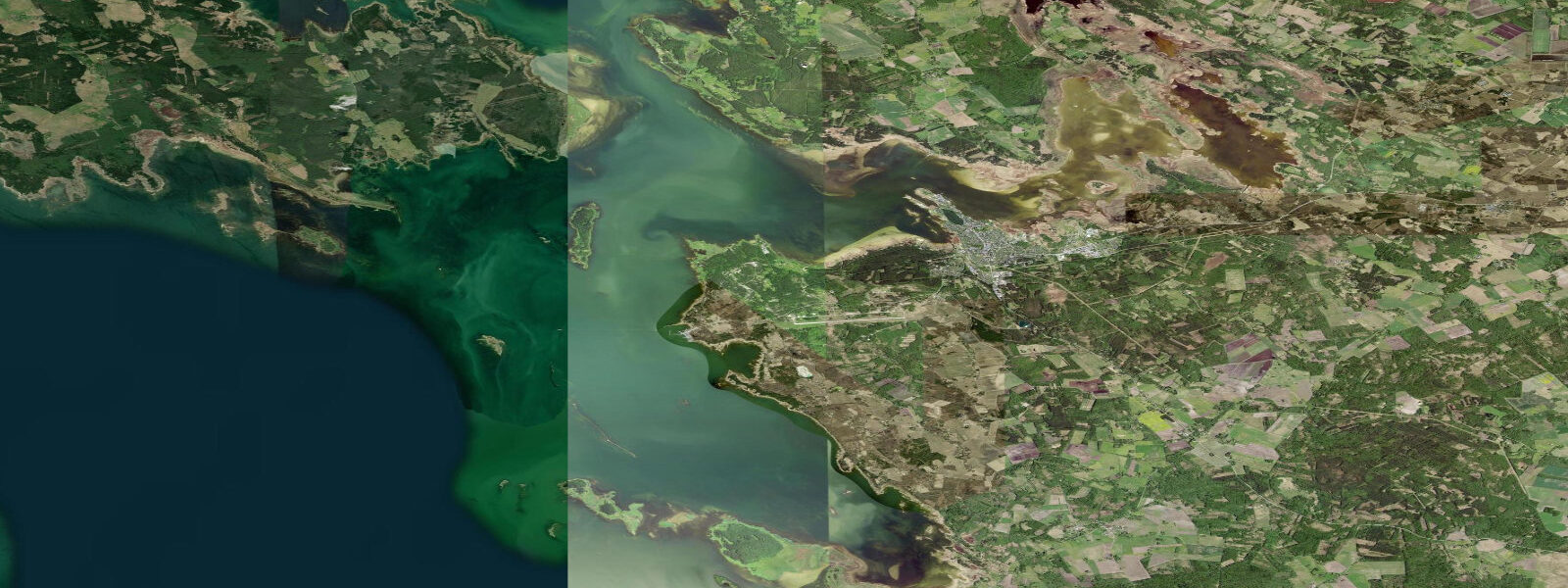
The three closest curated TideTurtle locations to Kuressaare, Saaremaa, measured by great-circle distance.
Today's solunar windows
Solunar tradition: major periods are the ≈3h windows around moon transit and opposition; minor are ≈2h around moonrise and moonset. Pair with the local tide stage and wind for the best read.
About tides at Kuressaare, Saaremaa
A short guide to the coastline at Kuressaare, Saaremaa — geography, sea state, and what the tide is actually doing under your feet.
Saaremaa is Estonia's largest island — 2,673 km² of limestone plateau, juniper meadow, alvar grassland, and pine forest rising from the Baltic Sea — and Kuressaare is its only town of any size, a place of 13,000 people built around one of the best-preserved medieval castles in the Baltic States. The Kuressaare Episcopal Castle, completed in the 14th century and never seriously damaged in subsequent wars, stands essentially as built: the square donjon, the convent building, the round corner towers, and the moat all intact and now housing the Saaremaa Museum. It is the most complete example of a Baltic German Order defensive castle in the region.
The Kaali meteorite crater lake, 18 km northeast of Kuressaare, is among the youngest and best-preserved meteorite craters accessible anywhere in Europe. The main crater, 110 m in diameter and 22 m deep, formed approximately 3,500 years ago when a meteorite fragmented and struck the limestone plateau. The water-filled main crater is ringed by eight smaller satellite craters in the surrounding fields. The impact was violent enough to leave a trace in Finnish and Estonian mythology — the tradition of a falling fire from the sky corresponds in timing to the impact, and Kaali is believed by some researchers to be the origin of the mythological concept of the sun falling to earth.
The Sõrve Peninsula at the island's southern tip is the most exposed section of Saaremaa's coast: a long, thin spit running south into the open Baltic where the wind is consistently stronger than inland and the shoreline is littered with eroded limestone and amber fragments after storms. The lighthouse at the peninsula tip is a landmark for Baltic shipping entering and leaving the Gulf of Riga. Shore anglers fishing the Sõrve tip for sea trout and cod find the autumn conditions — cooling water, migrating fish following the baitfish toward deeper water — the most productive season.
Saaremaa's spa and mud tradition parallels Haapsalu's: the island's coastal bays produce therapeutic sapropel mud, and the Kuressaare spa hotels have offered mud treatments since the 19th century. The spa infrastructure is modern and functioning; several large hotel-spa complexes operate year-round. The juniper meadows and alvar limestone grasslands are protected habitat — the Vilsandi National Park on the western coast encompasses the most ecologically significant sections of the island's shore.
The Baltic tidal regime at Saaremaa is microtidal: mean astronomical range 0.1 to 0.3 m. Wind-driven level changes dominate over astronomical tide. The open Sõrve coast and the western island coast are exposed to westerly storm fetch; the sheltered bays of the northern and eastern coast show more dramatic wind-driven level changes due to their enclosed geometry. Predictions on this page come from Open-Meteo Marine gridded model. The Estonian Maritime Administration and the Estonian Environment Agency (Keskkonnaamet) publish the authoritative sea-level data for Saaremaa waters.
Tide questions about Kuressaare, Saaremaa
Quick answers to the most common questions about tide times, range, and water access at Kuressaare, Saaremaa.
When is the next high tide at Kuressaare, Saaremaa?
The hero block at the top of this page shows the next predicted high at Kuressaare in local Eastern European Time (EET/EEST, UTC+2/UTC+3). Astronomical range in the Baltic at Saaremaa is 0.1 to 0.3 m — barely perceptible. Wind-driven level changes are the dominant signal for any coastal activity on the island. The Estonian Environment Agency (Keskkonnaamet) and the Estonian Maritime Administration publish the authoritative sea-level data for Saaremaa coastal waters.
What is the tidal range at Saaremaa?
Mean astronomical range is 0.1 to 0.3 m across Saaremaa's coast. The Baltic is nearly enclosed, limiting tidal exchange with the North Sea to the narrow Danish straits, and the signal at Saaremaa is near-zero. Wind setup and storm surge dominate: westerly storms drive water onto Saaremaa's western coast; easterlies drain the sheltered bays. Autumn and winter storm events produce water-level changes of 0.5 to 1.0 m, far exceeding the astronomical range.
Where do these tide predictions come from?
Open-Meteo Marine, a free gridded global ocean model. At Saaremaa's 0.1 to 0.3 m astronomical range, the model's typical accuracy (plus or minus 45 minutes, 0.2 to 0.3 m) equals the full tidal signal. The predictions describe the background rhythm. For authoritative Estonian sea-level data, the Estonian Environment Agency (Keskkonnaamet) and the Estonian Maritime Administration publish tide tables and storm-surge warnings.
Is the Kaali meteorite crater worth visiting?
Kaali is one of the more unusual short excursions in the Baltic region. The main crater — 110 m across, 22 m deep, filled with dark water — is reached by a 5-minute walk from the parking area near the village of Kaali, 18 km northeast of Kuressaare on a well-signed road. The impact occurred roughly 3,500 years ago, making this a Holocene crater, not an ancient geological feature. Eight smaller satellite craters are scattered in the surrounding fields and forest. Entry fee applies. The site is accessible year-round; the crater water level fluctuates with rainfall and groundwater, not tide. The Kaali Tavern (Kaali kõrts) adjacent to the site serves local Saaremaa food.
Is this safe to use for navigation?
No. TideTurtle is a planning tool for recreational coastal activity, not a navigation resource. Saaremaa's waters include several active shipping lanes and the Gulf of Riga entrance approaches; the Sõrve Peninsula tip in particular requires careful navigation due to shoaling and strong tidal currents. The Estonian Maritime Administration publishes charts and Notices to Mariners for Estonian territorial waters. Open-Meteo Marine gridded predictions do not replace authoritative navigation sources.
6-day tide table — Kuressaare, Saaremaa
Heights relative to MSL. Predictions: Open-Meteo Marine (MeteoFrance SMOC, 0.08° grid) — heights relative to MSL (not chart datum / LAT). Model-derived.
| Day | Type | Time | Height |
|---|---|---|---|
| Tue 04 Aug | — | ||
| Wed 05 Aug | — | ||
| Thu 06 Aug | — | ||
| Fri 07 Aug | High | 21:00 | 0.1m |
| Sat 08 Aug | Low | 20:00 | 0.0m |
| Sun 09 Aug | High | 03:00 | 0.0m |