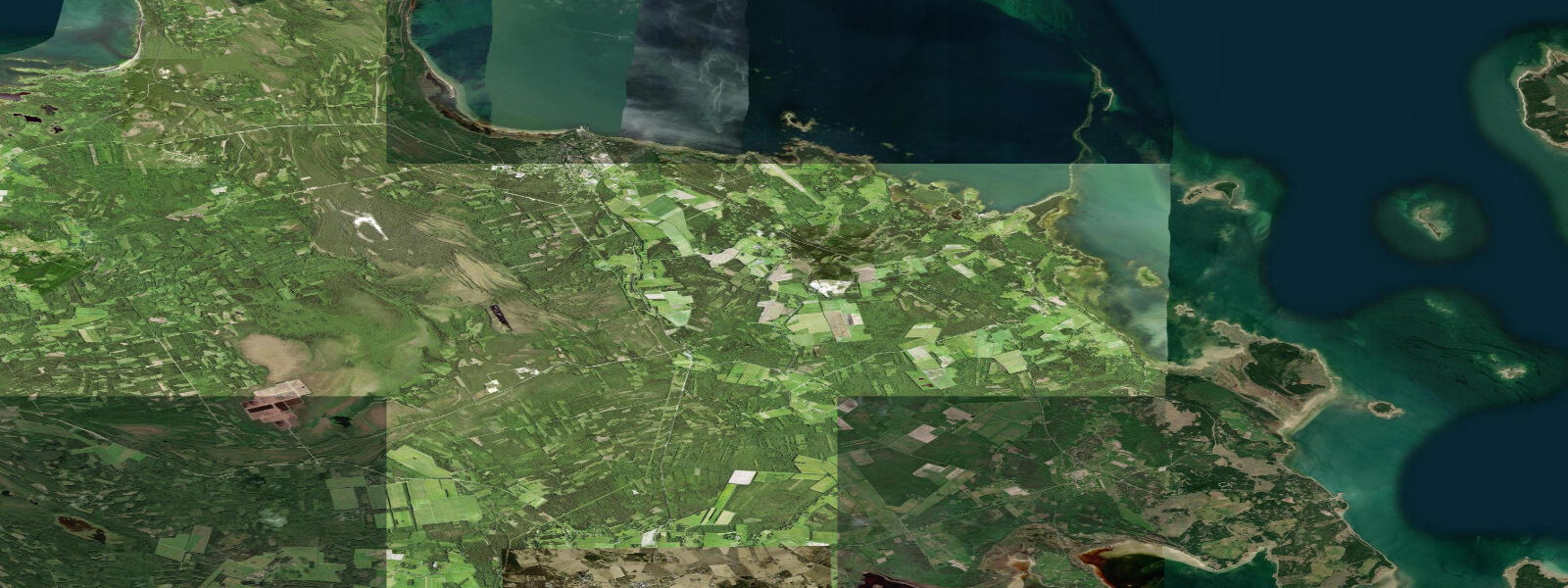
Kärdla, Hiiumaa tide times
Kärdla, Hiiumaa tide forecast — heights relative to MSL.
Tide chart for Kärdla, Hiiumaa
24-hour cosine-interpolated curve around the present moment. Heights relative to MSL. Predictions: Predictions: Open-Meteo Marine (MeteoFrance SMOC, 0.08° grid).
Sun, moon and conditions on Tue 04 Aug
Snapshot at build time — refreshes daily. Sea state from Open-Meteo Marine.
Highs and lows next 7 days
Every predicted high and low for the next week, with the daily tidal coefficient (0–120; higher = bigger swing, > 95 means stronger currents).
Other spots nearby
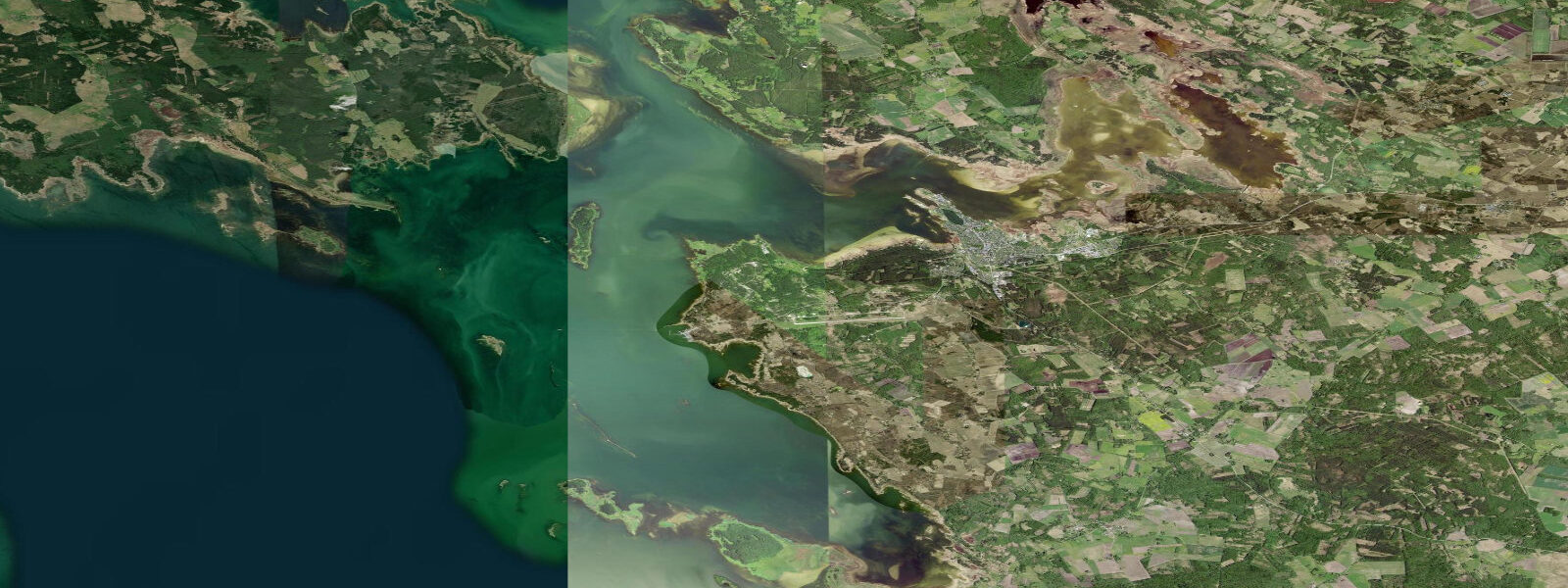
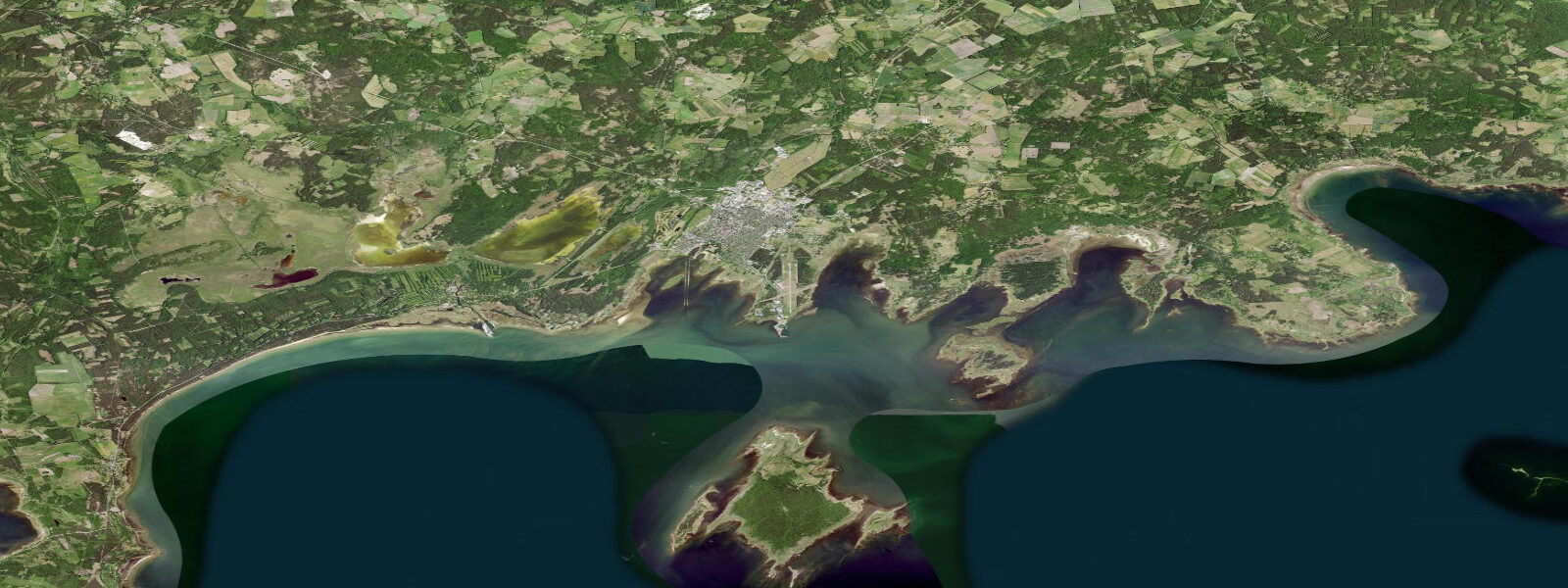
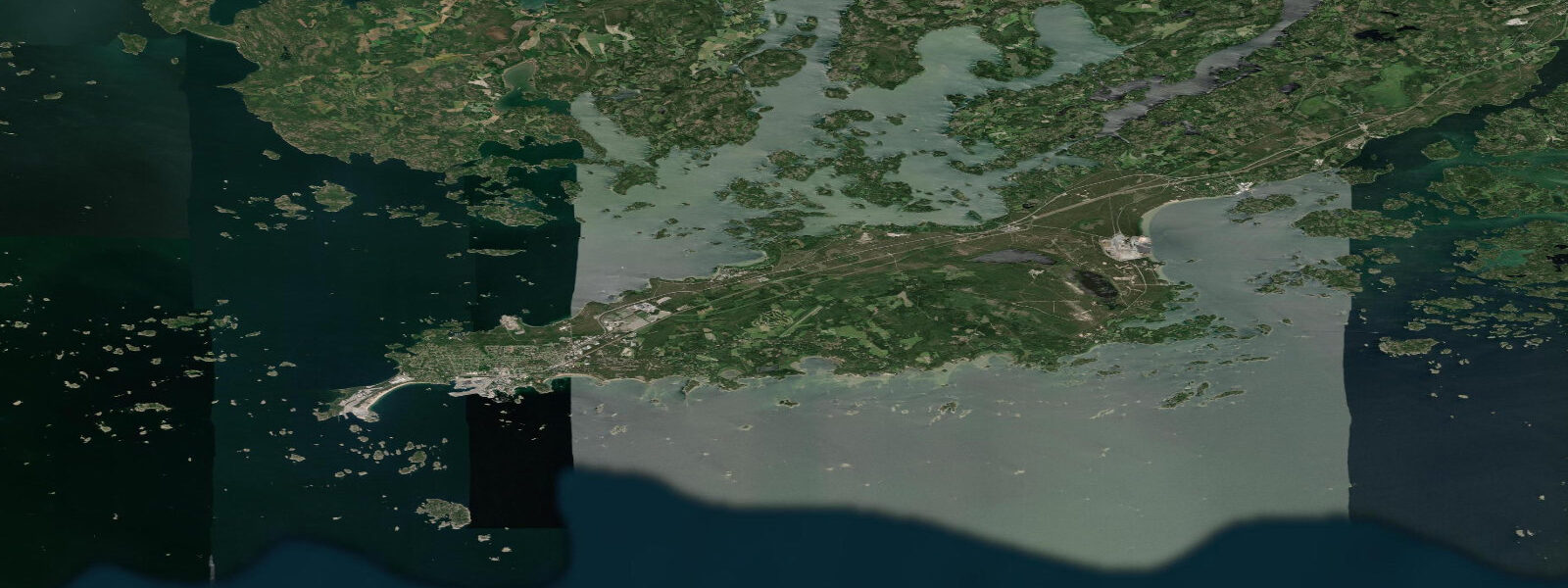
The three closest curated TideTurtle locations to Kärdla, Hiiumaa, measured by great-circle distance.
Today's solunar windows
Solunar tradition: major periods are the ≈3h windows around moon transit and opposition; minor are ≈2h around moonrise and moonset. Pair with the local tide stage and wind for the best read.
About tides at Kärdla, Hiiumaa
A short guide to the coastline at Kärdla, Hiiumaa — geography, sea state, and what the tide is actually doing under your feet.
Hiiumaa is Estonia's second-largest island, quieter and more forested than Saaremaa to its south, separated from the mainland by the Väinameri — the shallow shelf sea that fills the space between the West Estonian islands and the continental shore. The island has roughly 9,000 permanent residents and a summer population that roughly doubles with Estonian holiday-makers. Kärdla, the main town of 3,000 people, sits on the northern coast of the island in a sheltered bay that was historically significant as a small industrial harbour.
The Kõpu Peninsula lighthouse, on the westernmost projection of Hiiumaa, is the island's defining landmark and one of the most historically significant lighthouses in the world. Built in 1531 on the orders of the Livonian Order to warn ships navigating the approaches to the Gulf of Riga, the Kõpu lighthouse (Kõpu tuletorn) has been in continuous operation for nearly 500 years — a claim shared by only a handful of lighthouses globally. The original structure was a stone tower lit by wood fires; it was progressively improved and remains operational with a modern lamp visible 35 km out to sea. The tower is open for climbing in summer; the forest around the lighthouse base is the densest and most mature on the island, growing on the old dune systems that underlie the peninsula.
The Tahkuna Peninsula at the island's northernmost tip is a counterpoint to the lighthouse: exposed to the open Baltic from the northwest, the shore here is rocky and wave-worked limestone, and the war memorial at the tip — a bell monument to the children who died in the 1994 Estonia ferry disaster — is a place of pilgrimage for Estonian families. The Estonia sank in a storm 22 km northwest of Tahkuna in September 1994 with 852 fatalities; the bell rings in the wind above the shore facing the site.
Hiiumaa's cycling culture is real and established. The island is flat enough for comfortable long-distance cycling and the road network is quiet; the 163 km perimeter route is a standard summer activity. Bicycle rental is available in Kärdla and at the ferry terminal at Heltermaa. Summer wooden villas from the late 19th and early 20th centuries are scattered through the island's villages — the remnant of a Finnish-Swedish cultural presence that predates Soviet occupation.
The Baltic tidal regime at Hiiumaa is microtidal: mean astronomical range 0.1 to 0.3 m. Wind-driven water-level changes dominate the tidal signal throughout the West Estonian islands. The Väinameri to Hiiumaa's east is particularly shallow — depths rarely exceed 5 m — and responds sensitively to wind forcing, with level changes of 0.5 to 1.0 m in major weather events. The open northwest coast of the island sees higher wave energy from westerly Baltic storm fetch. Predictions on this page come from Open-Meteo Marine gridded model. The Estonian Maritime Administration and Keskkonnaamet publish the authoritative sea-level data for this region.
Tide questions about Kärdla, Hiiumaa
Quick answers to the most common questions about tide times, range, and water access at Kärdla, Hiiumaa.
When is the next high tide at Kärdla, Hiiumaa?
The hero block at the top of this page shows the next predicted high at Kärdla in local Eastern European Time (EET/EEST, UTC+2/UTC+3). Astronomical range in the Baltic at Hiiumaa is 0.1 to 0.3 m — essentially absent as a practical influence on beach or harbour conditions. Wind-driven level changes and storm surge dominate. The Estonian Environment Agency (Keskkonnaamet) and the Estonian Maritime Administration publish the authoritative sea-level data for Hiiumaa coastal waters.
What is the tidal range at Hiiumaa?
Mean astronomical range is 0.1 to 0.3 m — standard for the West Estonian islands. The Väinameri east of Hiiumaa is very shallow and responds strongly to wind forcing; westerly storms drive water through the Väinameri channels and can raise or lower the level 0.5 to 1.0 m. The open northwest coast sees the most energetic wave conditions from Baltic westerly fetch. Astronomical tide is a minor factor in day-to-day coastal planning here.
Where do these tide predictions come from?
Open-Meteo Marine, a free gridded global ocean model. At Hiiumaa's 0.1 to 0.3 m astronomical range, the model's typical accuracy (plus or minus 45 minutes, 0.2 to 0.3 m) equals the full signal. The predictions are most useful as a background tidal orientation. For authoritative Estonian sea-level data, the Estonian Environment Agency (Keskkonnaamet) and the Estonian Maritime Administration publish tide tables and storm-surge warnings for the Estonian coast and islands.
How old is the Kõpu lighthouse and can I visit it?
The Kõpu lighthouse was built in 1531, making it one of the oldest continuously operating lighthouses in the world. The original commission came from the Livonian Order to guide ships in the approaches to the Gulf of Riga, which was one of the major maritime trade routes of the medieval Baltic. The tower has been modified and its light source updated over the centuries but has never been decommissioned. It stands 36 m tall on the Kõpu Peninsula's highest dune ridge, adding effective height. The lighthouse is open for climbing in summer; an entry fee applies. The surrounding forest and the dune landscape of the Kõpu Peninsula are accessible by marked paths.
Is this safe to use for navigation?
No. TideTurtle is a planning tool for recreational coastal activity, not a navigation resource. Hiiumaa's approaches include several shoal areas and the shallow Väinameri, which requires local knowledge and up-to-date charts. The Estonian Maritime Administration publishes charts and Notices to Mariners for Estonian territorial waters. The Kõpu lighthouse sequence is a critical navigation mark for vessels entering the Gulf of Riga. Open-Meteo Marine gridded predictions do not replace authoritative navigation sources.
8-day tide table — Kärdla, Hiiumaa
Heights relative to MSL. Predictions: Open-Meteo Marine (MeteoFrance SMOC, 0.08° grid) — heights relative to MSL (not chart datum / LAT). Model-derived.
| Day | Type | Time | Height |
|---|---|---|---|
| Tue 04 Aug | — | ||
| Wed 05 Aug | — | ||
| Thu 06 Aug | Low | 02:00 | 0.0m |
| Fri 07 Aug | — | ||
| Sat 08 Aug | — | ||
| Sun 09 Aug | High | 17:00 | 0.0m |
| Mon 10 Aug | — | ||
| Tue 11 Aug | Low | 01:00 | -0.0m |