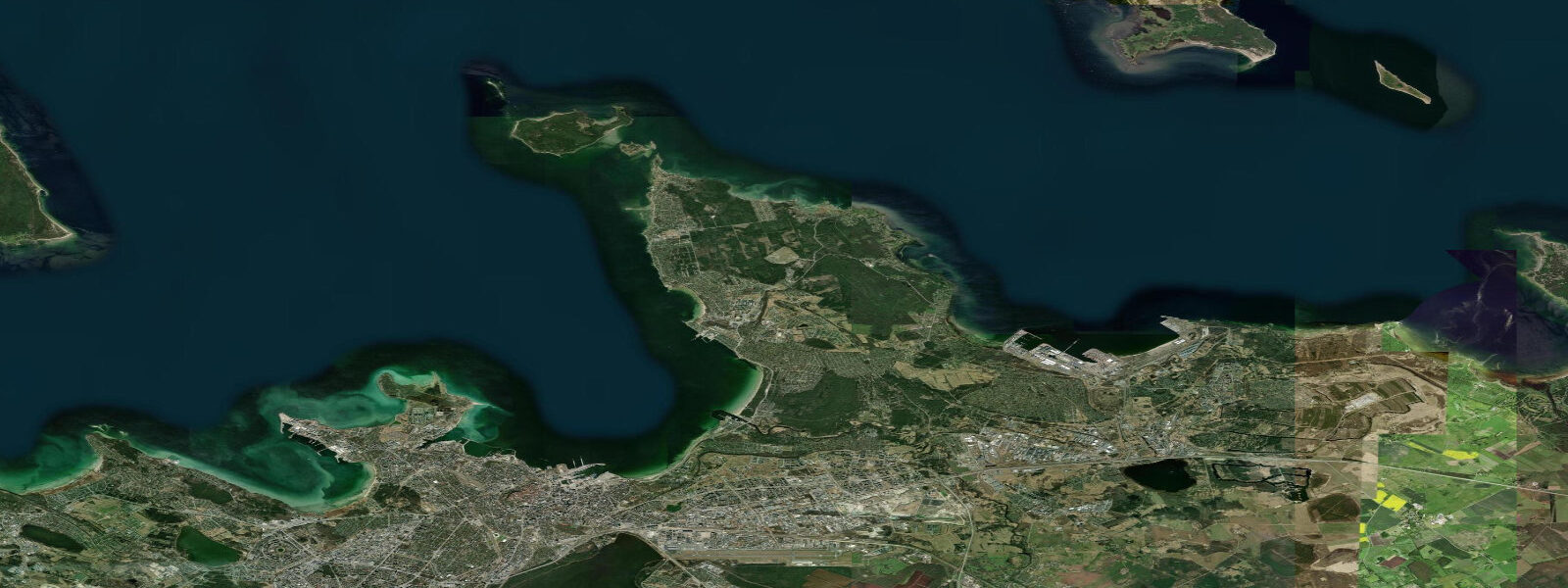
Pirita, Estonia tide times
Pirita, Estonia tide forecast — heights relative to MSL.
Today's tide times for Pirita, Estonia
Tide times at Pirita, Estonia on Monday, 3 August 2026: first high tide at 03:00am, first low tide at 12:00pm. Sunrise 05:06am, sunset 09:45pm.
Tide chart for Pirita, Estonia
24-hour cosine-interpolated curve around the present moment. Heights relative to MSL. Predictions: Predictions: Open-Meteo Marine (MeteoFrance SMOC, 0.08° grid).
Sun, moon and conditions on Mon 03 Aug
Snapshot at build time — refreshes daily. Sea state from Open-Meteo Marine.
Highs and lows next 7 days
Every predicted high and low for the next week, with the daily tidal coefficient (0–120; higher = bigger swing, > 95 means stronger currents).
Other spots nearby
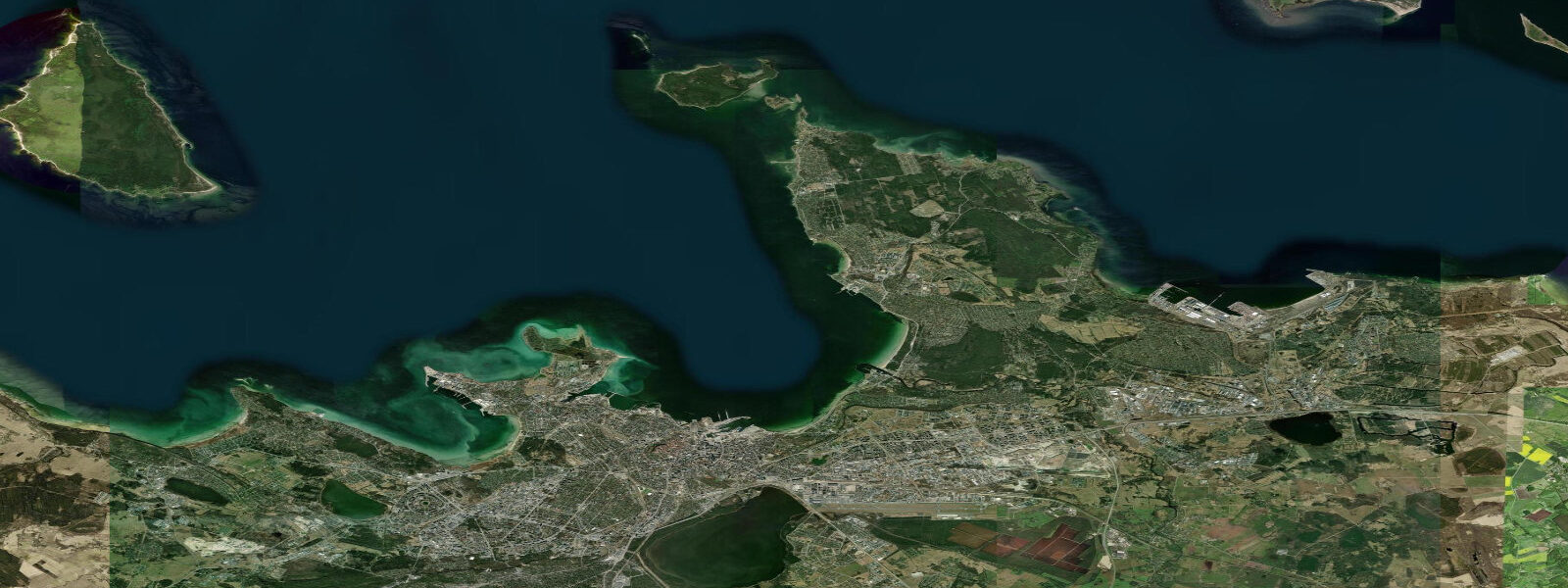
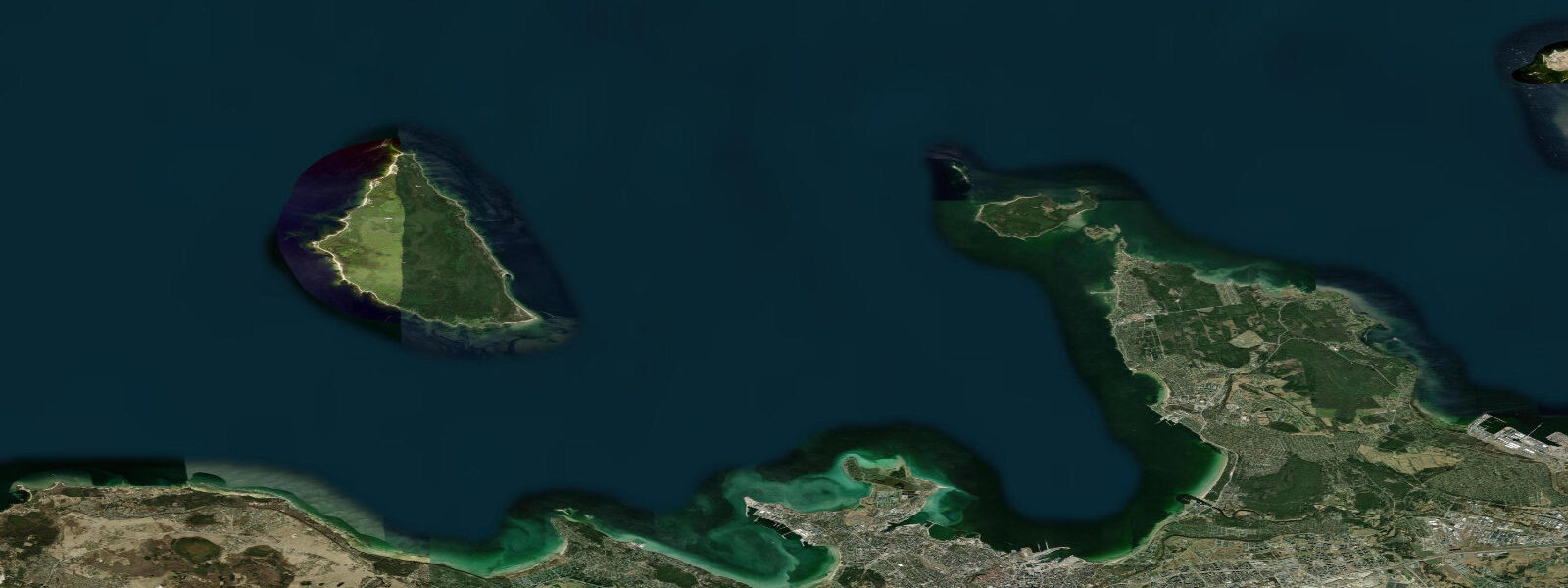
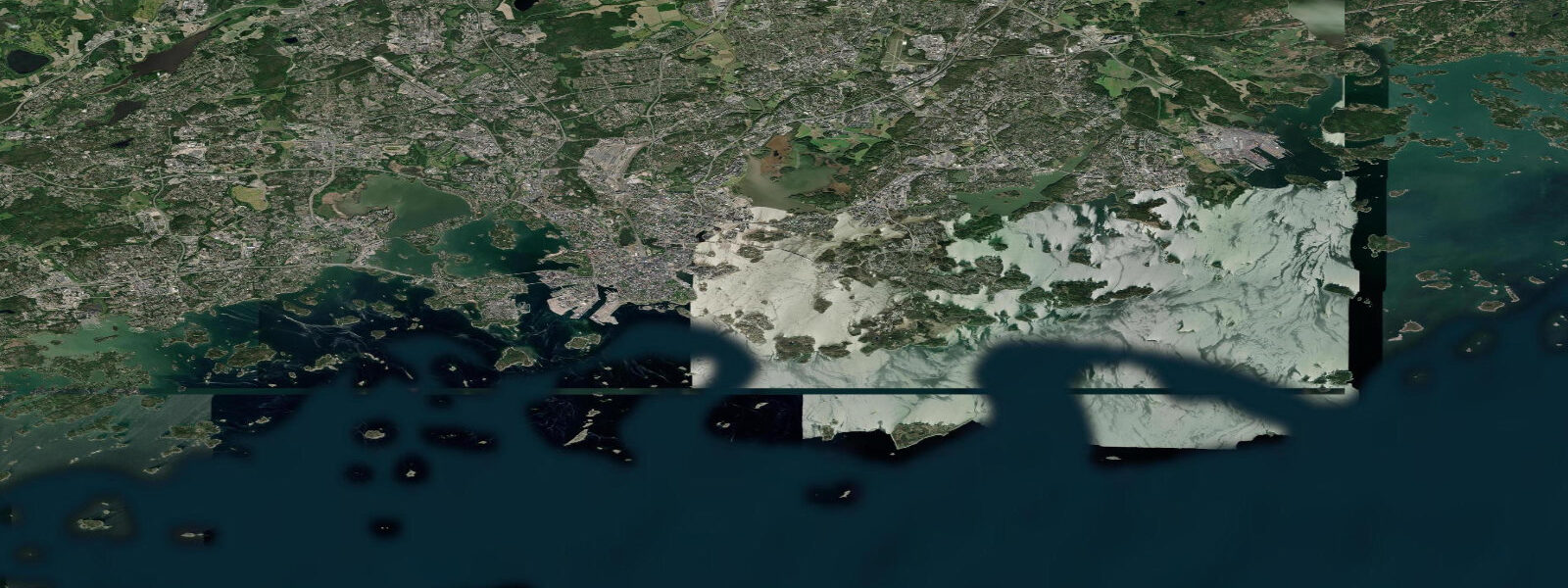
The three closest curated TideTurtle locations to Pirita, Estonia, measured by great-circle distance.
Today's solunar windows
Solunar tradition: major periods are the ≈3h windows around moon transit and opposition; minor are ≈2h around moonrise and moonset. Pair with the local tide stage and wind for the best read.
About tides at Pirita, Estonia
A short guide to the coastline at Pirita, Estonia — geography, sea state, and what the tide is actually doing under your feet.
Pirita is a seaside suburb of Tallinn on the south shore of the Gulf of Finland, 8 kilometres east of the city centre along the coast road. It faces north across open water toward Helsinki, which is 80 kilometres away and visible on the clearest days as a faint low smudge on the horizon. The Gulf of Finland narrows eastward from the Baltic proper, and this geometry, combined with the brackish, nearly enclosed Baltic basin, produces a tidal regime unlike anywhere on the open ocean coast.
The astronomical tidal range at Pirita is 0.2–0.5 m. That is the gravitational signal — the effect of the moon and sun acting on the water — and in practical terms it is nearly invisible. The water level changes that matter at Pirita are meteorological. Southwest winds push water eastward into the narrowing Gulf of Finland, and the enclosed geometry amplifies the effect. A sustained three-day southwesterly can raise water level 1.0–1.5 m above mean at Tallinn and Pirita — three times the maximum astronomical tide range. Conversely, persistent northeast winds can lower water level 0.5–0.8 m below mean, exposing normally submerged beach margins. The seasonality is real: autumn and early winter bring the strongest storm-surge risk, when Atlantic low-pressure systems track across Scandinavia and the Baltic with southwest winds ahead of their cold fronts.
The practical implication is that the tide table at Pirita is mostly background noise. What matters is the wind forecast. When the forecast shows multi-day southwesterlies at 15 knots or above, expect water levels to rise through the event and drop as the wind backs or dies. The Tallinn harbour gauge is public and updated regularly — check it when conditions have been unsettled for a few days.
Pirita Harbour was built for the 1980 Moscow Olympics. The Soviet Union awarded Tallinn the sailing events of the Moscow Games — a decision driven by the city's established sailing infrastructure, ice-free harbour, and position on the Baltic. The regatta was held in August 1980; the harbour, marina facilities, and Olympic Centre date from that construction programme. The centre still functions as a sailing club and training facility. The infrastructure built for the Olympics gave Tallinn a marina capacity and sailing culture that persists — Pirita regularly hosts Baltic and Nordic sailing regattas, and the harbour is the starting point for Estonian offshore racing.
The Pirita Promenade runs 2 kilometres along the beach from the marina south to the river mouth. The beach itself is sandy, north-facing, and long — around 1.5 km of accessible swimming beach. Water temperatures in the Gulf of Finland reach 18–22°C in July and early August; outside that window the sea is cold enough to discourage most casual swimmers. The promenade is a year-round running and cycling route regardless of season.
At the south end of the promenade, the Pirita River meets the Gulf of Finland through a small tidal estuary. The estuary is modest — the Pirita is a short river — but the tide influence is detectable in water level and salinity. Standing at the river mouth and looking inland, the St Birgitta Convent ruins are immediately visible on the riverbank.
St Birgitta Convent was founded in 1407 by the Birgittine order — the same religious community founded by the Swedish mystic Birgitta of Vadstena. At its peak in the 15th century, the convent was one of the largest and wealthiest religious houses in the eastern Baltic. The stone church, cloisters, and tower rose above the flat coastal landscape and were visible from the sea. Ivan the Terrible's forces burned and sacked the convent in 1577 during the Livonian War. The structure was never rebuilt. What stands today is the roofless shell of the church — tall limestone walls, empty window arches, and the stub of the tower — preserved as Tallinn's largest surviving medieval ruin. A modern Birgittine convent operates adjacent to the ruins; the nuns maintain the site.
Photographers come for the ruins at low-angle morning light — the east-facing walls catch early sun while the interior remains in shadow, and the contrast between the medieval stone and the pine trees growing up through the roofless nave reads well. The ruins are freely accessible from the riverbank path.
The Tallinn Song Festival grounds are inland from Pirita along the Pirita road — the vast open-air amphitheatre that hosts the Estonian Song Festival every five years is the cultural anchor of the neighbourhood's hinterland. The Estonian Song Festival tradition, dating from 1869, was central to the Singing Revolution of 1987–1991 that led to Estonian independence.
Tide data for Pirita, Estonia comes from the Open-Meteo Marine API, a gridded model product. Timing accuracy is ±45 minutes, height accuracy ±0.3 m — usable for trip planning, not for navigation.
Tide questions about Pirita, Estonia
Quick answers to the most common questions about tide times, range, and water access at Pirita, Estonia.
Does Pirita have a real astronomical tide?
The astronomical tidal range at Pirita is 0.2–0.5 m — barely measurable and irrelevant for practical planning. The Gulf of Finland's enclosed, brackish basin produces almost no gravitational tide signal. What matters at Pirita is meteorological water level variation. Sustained southwest winds can raise water level 1.0–1.5 m above mean over a multi-day storm event — three times the maximum astronomical range. Persistent northeast winds can lower it 0.5–0.8 m below mean. For beach visits, sailing, and harbour access, check the wind forecast and the Tallinn harbour gauge rather than tide tables.
What is the connection between Pirita and the 1980 Olympics?
Pirita Harbour was built specifically for the sailing events of the 1980 Moscow Summer Olympics. The Soviet Union selected Tallinn to host Olympic sailing because of its ice-free port, established sailing infrastructure, and position on the Baltic. The regatta took place in August 1980. The harbour, marina, and Olympic Sailing Centre date from the construction programme that preceded the games. The facilities remain in active use as a sailing club, training centre, and venue for Baltic and Nordic regattas. The 1980 Olympic mast and several memorial markers are visible in the harbour area.
What are the St Birgitta Convent ruins and how do I visit?
St Birgitta Convent was founded in 1407 at the mouth of the Pirita River, visible from the sea and from the south shore of the Gulf of Finland. At its 15th-century peak it was one of the wealthiest religious houses in the eastern Baltic. Ivan the Terrible's forces destroyed it in 1577 during the Livonian War, and the structure was never rebuilt. What remains is the roofless stone shell of the church — tall limestone walls and empty window arches — which is Tallinn's largest surviving medieval ruin. The ruins are freely accessible from the riverbank path at the south end of the Pirita Promenade. A modern Birgittine convent operates next to the ruins and maintains the site.
When is Pirita beach good for swimming?
The Gulf of Finland water temperature at Pirita reaches 18–22°C in July and early August — the reliable swimming window. Outside that period the sea is cold enough to discourage most casual swimmers, though wetsuits extend the season in either direction. The beach is north-facing and 1.5 km long; it is sandy and accessible year-round as a walk. Storm-surge events in autumn and early winter can temporarily raise water levels at the beach and promenade, occasionally overtopping the lower sections of the walkway during severe southwest wind events. Check the Tallinn harbour gauge if conditions have been rough.
Can Helsinki really be seen from Pirita on a clear day?
Yes, under the right conditions. Helsinki is 80 kilometres north across the Gulf of Finland from Pirita. At that distance the city skyline is below the geometric horizon for a person standing at sea level, but atmospheric refraction — the bending of light in the lower atmosphere — regularly lifts distant features into view. On calm, clear mornings with stable high-pressure air, the Helsinki coastline and harbour cranes appear as a faint low silhouette above the water. This is a known optical phenomenon on the Gulf of Finland and is best observed in the early morning before haze builds. It is not a daily occurrence, but it happens several times a season.
1-day tide table — Pirita, Estonia
Heights relative to MSL. Predictions: Open-Meteo Marine (MeteoFrance SMOC, 0.08° grid) — heights relative to MSL (not chart datum / LAT). Model-derived.
| Day | Type | Time | Height |
|---|---|---|---|
| Mon 03 Aug | High | 03:00 | 0.1m |
| Low | 12:00 | 0.0m |