El Gouna, Red Sea tide times
El Gouna, Red Sea tide forecast — heights relative to MSL.
Today's tide times for El Gouna, Red Sea
Tide times at El Gouna, Red Sea on Monday, 3 August 2026: first low tide at 03:00am, first high tide at 09:06am, second low tide at 03:10pm, second high tide at 09:40pm. Sunrise 06:09am, sunset 07:33pm.
Tide chart for El Gouna, Red Sea
24-hour cosine-interpolated curve around the present moment. Heights relative to MSL. Predictions: Predictions: Open-Meteo Marine (MeteoFrance SMOC, 0.08° grid).
Sun, moon and conditions on Mon 03 Aug
Snapshot at build time — refreshes daily. Sea state from Open-Meteo Marine.
Highs and lows next 7 days
Every predicted high and low for the next week, with the daily tidal coefficient (0–120; higher = bigger swing, > 95 means stronger currents).
Other spots nearby
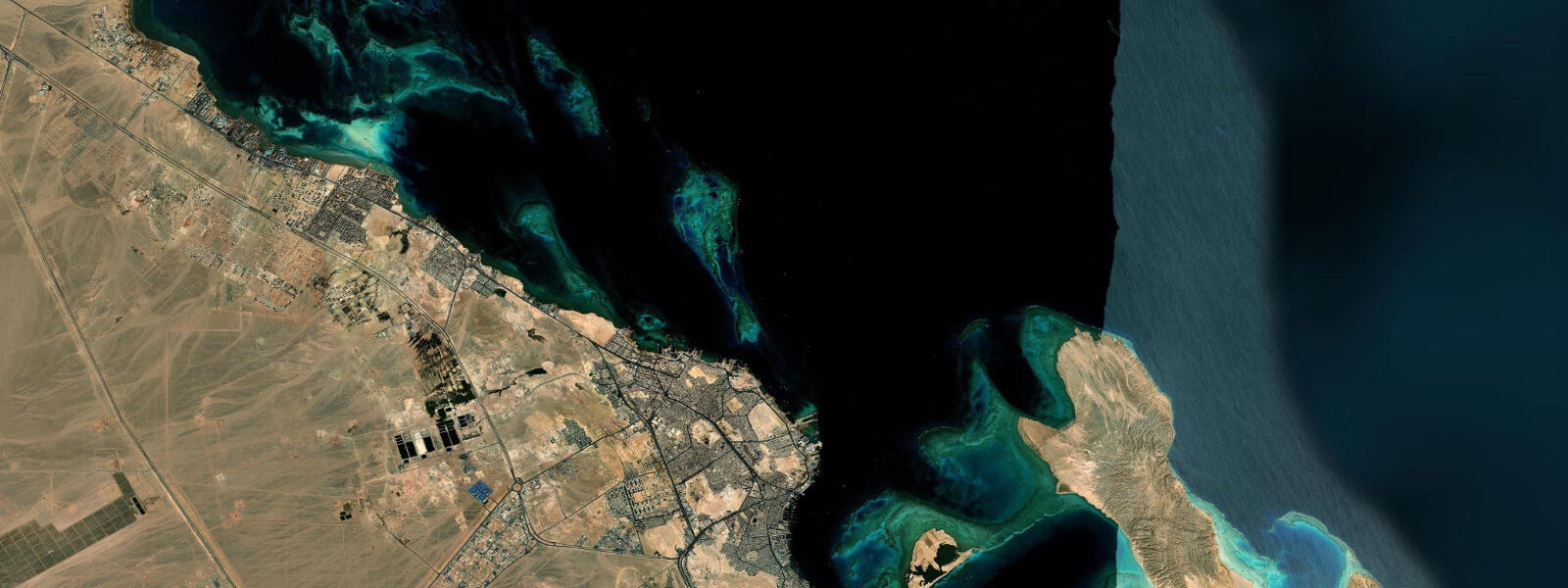
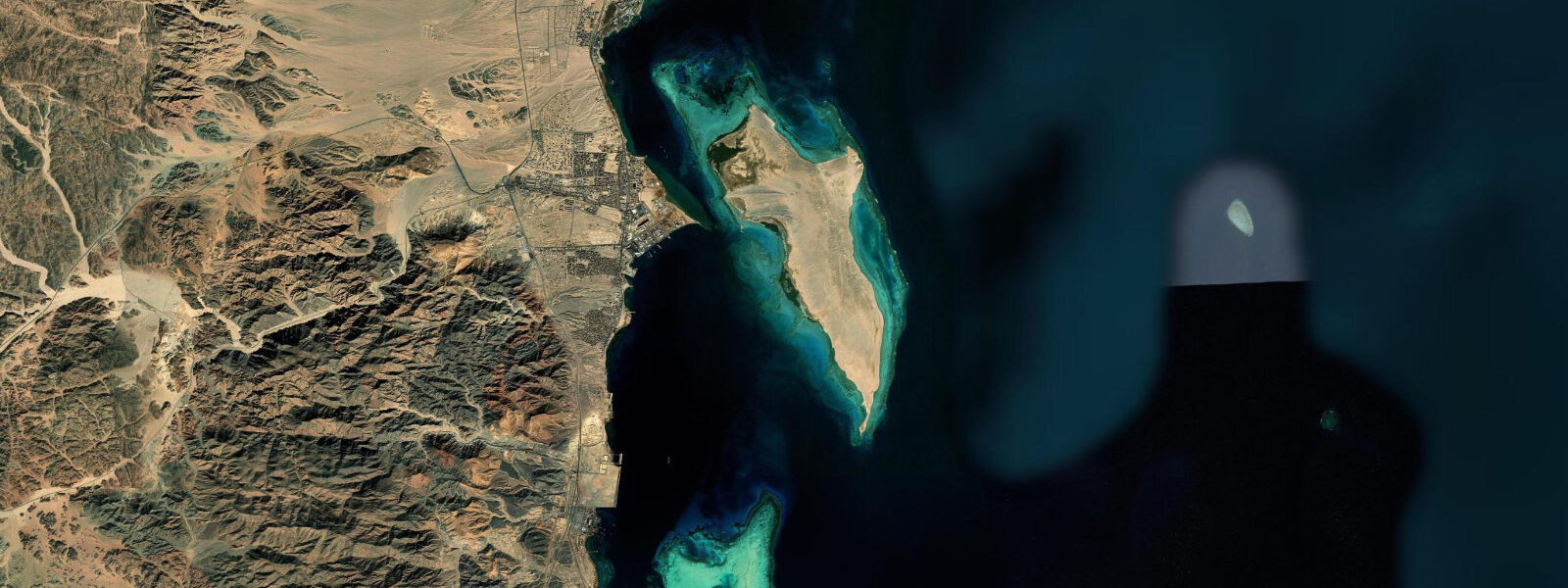
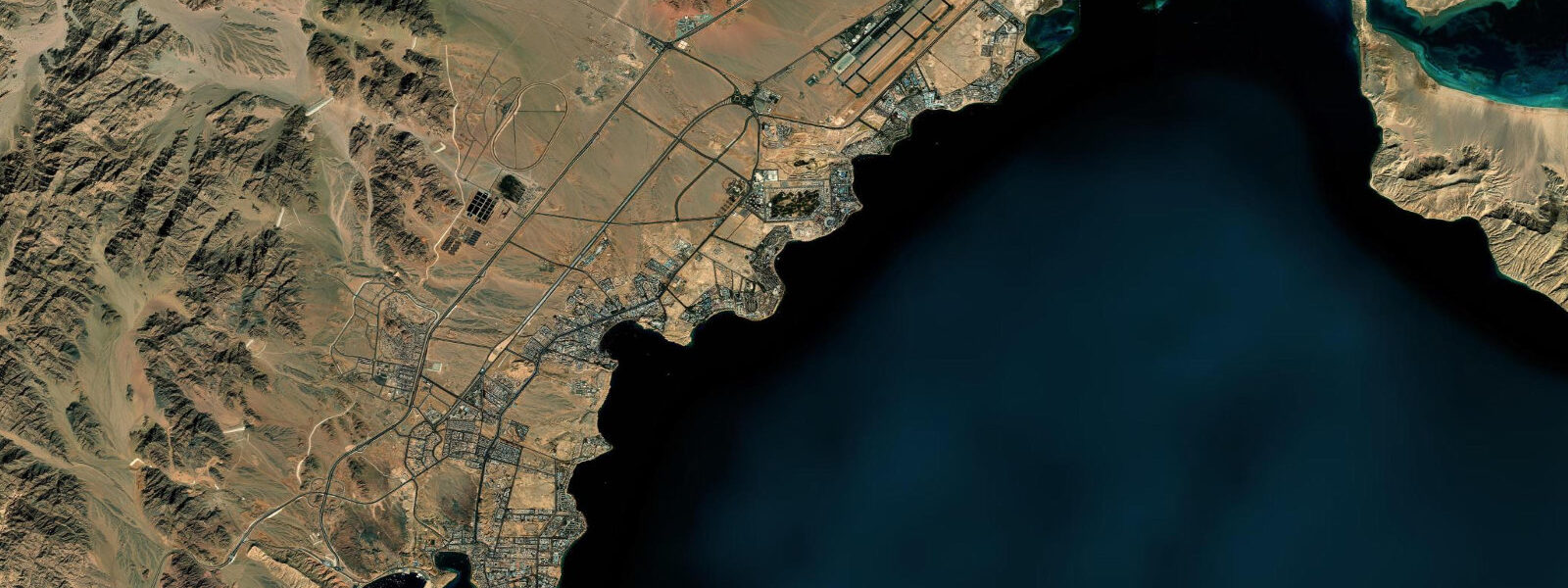
The three closest curated TideTurtle locations to El Gouna, Red Sea, measured by great-circle distance.
Today's solunar windows
Solunar tradition: major periods are the ≈3h windows around moon transit and opposition; minor are ≈2h around moonrise and moonset. Pair with the local tide stage and wind for the best read.
Cycle dates near El Gouna, Red Sea
Last spring tide on Mon 03 Aug (range 0.5m). Next neap on Fri 07 Aug.
Spring tides cluster around new and full moons (biggest swings). Neap tides land on quarter moons (smallest swings). See the spring tide and neap tide glossary entries for the why.
About tides at El Gouna, Red Sea
A short guide to the coastline at El Gouna, Red Sea — geography, sea state, and what the tide is actually doing under your feet.
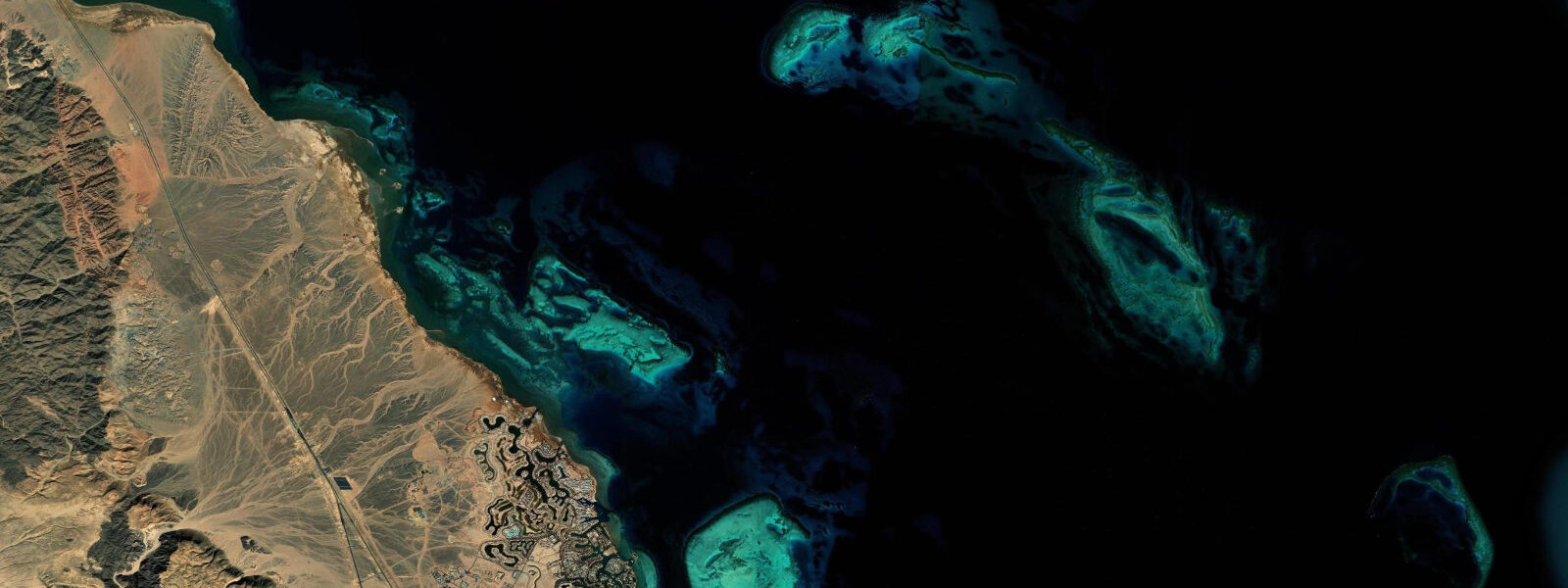
El Gouna sits 25 km north of Hurghada on the Egyptian Red Sea coast, built across a network of 17 islands and interconnected lagoons. The settlement is purpose-built — designed around water access rather than growing outward from an older fishing village — which means the tidal dynamics of the lagoon system are central to how the place works, day to day, for every activity on or near the water.
The Red Sea operates on a mixed semidiurnal tidal regime. At El Gouna, mean tidal range sits between 0.6 m and 0.9 m — two high waters and two low waters per day, though the heights of successive high waters are not equal. One cycle will deliver a high of roughly 1.0 m above chart datum; the following high may reach only 0.6 m. The inequality matters more in the lagoon channels than on the open coast. At the narrower channel mouths, tidal flow accelerates on the ebb and creates noticeable current — something paddleboarders and kayak renters learn quickly on their first afternoon out.
The lagoon network is El Gouna's defining feature. Sheltered channels connect the islands and moderate open-sea conditions entirely: when the outer coast has a short, steep chop driven by the Shamal, the lagoons sit flat. Kite Beach, on the northern lagoon, has earned a consistent reputation as one of the best kitesurfing locations in the Red Sea region. The NW Shamal wind — dominant from May through September — delivers 15 to 25 knots most afternoons from around 13:00 to 17:00. Timing the ebb to coincide with peak Shamal gives kitesurfers a brief textured surface that adds pop off the water; the flat lagoon bottom means no hidden reef sections at depth. The kitesurfing season overlaps with the period when afternoon Shamal is most reliable, so Kite Beach runs high-density operations from April through October.
For sailing dinghies and small cat rigs, the lagoon channels work year-round. Wind holes behind the taller island buildings create dead spots at certain angles, but experienced dinghy sailors use the channel geometry to tack through them. SUP rental is straightforward from Abu Tig Marina on the eastern edge of the development — the flat lagoon water and light morning breeze make the first two hours of daylight the easiest window for beginners before afternoon Shamal builds.
Abu Tig Marina is the social and operational centre of El Gouna. Restaurants and dive operators line the quayside; live-aboard dive boats and day-trip RIBs depart from here for the outer reef. The outer reef runs parallel to the coast between 1 and 3 km offshore, a continuous structure that intercepts ocean swell before it reaches the lagoon entrance. The reef system supports productive diving — hard coral coverage is high by Red Sea standards, and fish density reflects decades of distance from heavy commercial fishing pressure. Dive operators out of Abu Tig run day trips to sites along the outer reef, including shallow reef tops at 5 to 8 m where snorkellers join groups, and deeper wall sections reaching 25 to 30 m.
For anglers, the outer reef edges hold grouper, emperor, and the occasional barracuda. Trolling between the reef and the lagoon entrance on an incoming tide, when bait fish concentrate near the channel mouths, is the local tactic. Shore fishing from the island edges at dusk — targeting the small jacks and mullet that work the lagoon shallows on the flood — is low-effort and productive with light tackle.
Beach families use the lagoon-edge beaches rather than the open coast. The water is shallow and warm, sand bottom underfoot, no breaking surf — the combination makes the lagoon beaches the safe choice for children. Water temperature runs 26 to 28°C from June through October; in February and March it drops to 22 to 23°C, cool enough that wetsuits are common on the dive boats but most lagoon swimmers manage without.
Photographers working El Gouna have two primary windows: the hour after sunrise, when the lagoon channels catch flat low light and the island architecture reflects in calm water before the Shamal ripples the surface; and the hour before sunset, when the warm southwest light catches the reef water colour from the outer channels. At low water in the morning, the lagoon mud flats at the south end of the network expose a sandbar system that flamingos occasionally work — a local photographic footnote that most visitors miss because it requires knowing the tidal state.
Tide data for El Gouna, Red Sea comes from the Open-Meteo Marine API, a gridded model product. Timing accuracy is ±45 minutes, height accuracy ±0.3 m — usable for trip planning, not for navigation.
Tide questions about El Gouna, Red Sea
Quick answers to the most common questions about tide times, range, and water access at El Gouna, Red Sea.
When is the best time to kitesurf at Kite Beach in El Gouna?
The Shamal wind delivers reliable 15 to 25 knot conditions on Kite Beach from May through September, with peak consistency in July and August. Afternoons are the productive window — wind typically builds from around 13:00 and runs until 17:00 or 18:00. May and October are transition months: wind arrives most days but duration is shorter. The lagoon location means the surface is flat regardless of what the open Red Sea is doing, which makes Kite Beach workable even on days when the outer coast has a rough chop.
How significant are the tides inside the El Gouna lagoon system?
The Red Sea at El Gouna runs a mixed semidiurnal cycle with a mean range of 0.6 to 0.9 m — modest compared to Atlantic or North Sea locations but noticeable inside the lagoon channels. The two daily high waters are unequal in height: one may reach 1.0 m above chart datum while the following high sits at 0.6 m. In the narrower channel connections between islands, tidal current is strong enough on the ebb to require paddlers to factor it in. For dive boat access across the reef, check the tidal state — at low water, shallow reef sections that are 1.5 m deep at high water may be at 0.7 m.
What diving is accessible from Abu Tig Marina?
Dive operators at Abu Tig Marina run day trips to the outer reef 1 to 3 km offshore. The reef structure includes shallow tops at 5 to 8 m suitable for snorkellers, mid-depth reef walls in the 15 to 20 m range, and deeper sections reaching 28 to 30 m on the seaward face. Hard coral coverage is high. Day boats typically run two dives — morning departure around 08:30, return by 13:00. Live-aboard operators use the marina as a start point for northern Red Sea itineraries. Book operators directly at the quayside or through your resort to confirm which reef sections are on the day's plan.
Is El Gouna suitable for families with young children at the beach?
The lagoon-side beaches are well-suited to children. Water is shallow with a sand bottom, there is no wave break, and the enclosed lagoon means no boat traffic in the swimming areas. Water temperature from June through September runs 26 to 28°C — warm enough for extended time in the water. In winter months (December to February), temperatures drop to 22 to 23°C, which is manageable for short swims but may limit how long younger children stay in. The main practical note: at low tide, the lagoon beaches in some spots expose soft substrate a few metres out — check the tidal state before setting up for the day.
What fishing is available at El Gouna, and when does it produce?
Fishing options split between the outer reef and the lagoon system. The outer reef edge holds grouper, emperor fish, and barracuda — accessed by boat from Abu Tig Marina, trolling between the reef and the lagoon entrance works best on an incoming tide when bait fish concentrate near the channel mouths. In the lagoon itself, shore fishing from the island edges at dusk targets jacks and mullet with light tackle — low-effort and productive year-round. There is no formal charter fleet dedicated to sport fishing; arrange through the marina's dive operators, most of whom know fishing-oriented guides on request.
8-day tide table — El Gouna, Red Sea
Heights relative to MSL. Predictions: Open-Meteo Marine (MeteoFrance SMOC, 0.08° grid) — heights relative to MSL (not chart datum / LAT). Model-derived.
| Day | Type | Time | Height |
|---|---|---|---|
| Mon 03 Aug | Low | 03:00 | -0.2m |
| High | 09:06 | 0.2m | |
| Low | 15:10 | -0.3m | |
| High | 21:40 | 0.2m | |
| Tue 04 Aug | Low | 03:55 | -0.2m |
| High | 09:45 | 0.2m | |
| Low | 15:54 | -0.2m | |
| High | 22:15 | 0.2m | |
| Wed 05 Aug | Low | 04:42 | -0.2m |
| High | 10:45 | 0.2m | |
| Low | 16:42 | -0.2m | |
| High | 22:54 | 0.2m | |
| Thu 06 Aug | — | ||
| Fri 07 Aug | Low | 18:54 | -0.2m |
| Sat 08 Aug | High | 01:06 | 0.2m |
| Sun 09 Aug | Low | 09:06 | -0.3m |
| Mon 10 Aug | High | 02:00 | 0.1m |