Atacames, Ecuador tide times
Atacames, Ecuador tide forecast — heights relative to MSL.
Tide chart for Atacames, Ecuador
24-hour cosine-interpolated curve around the present moment. Heights relative to MSL. Predictions: Predictions: Open-Meteo Marine (MeteoFrance SMOC, 0.08° grid).
Sun, moon and conditions on Tue 04 Aug
Snapshot at build time — refreshes daily. Sea state from Open-Meteo Marine.
Highs and lows next 7 days
Every predicted high and low for the next week, with the daily tidal coefficient (0–120; higher = bigger swing, > 95 means stronger currents).
Other spots nearby
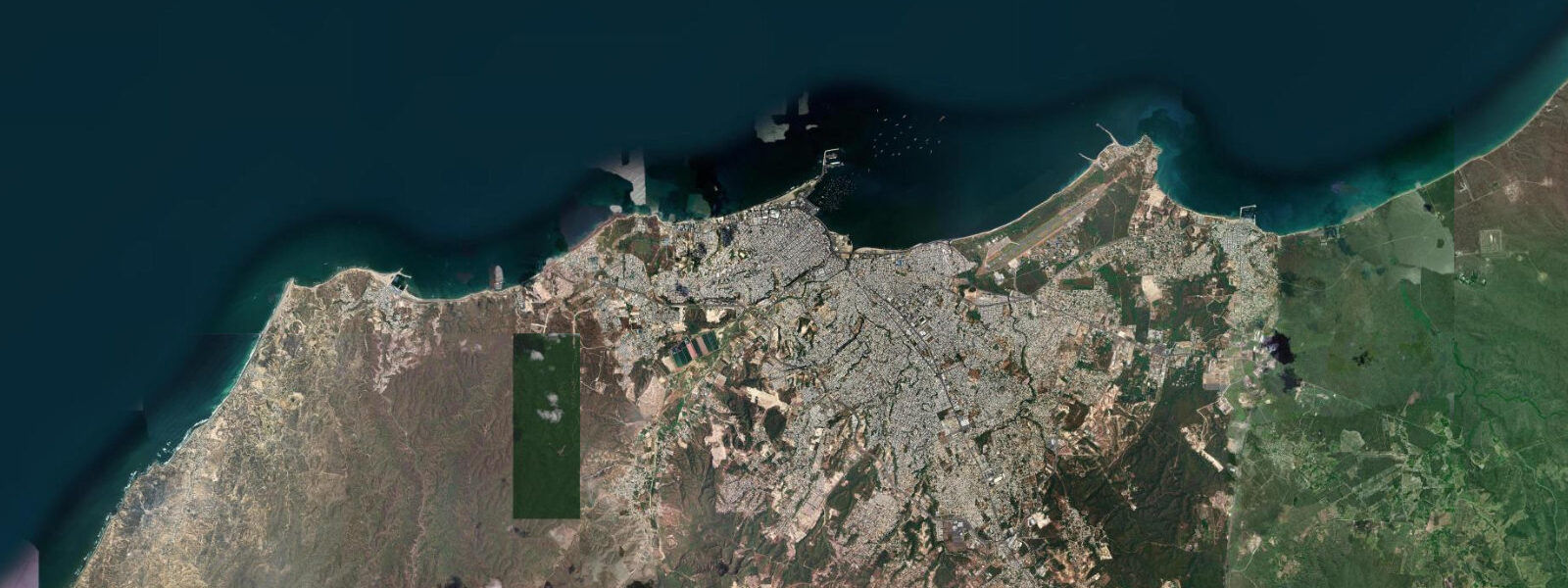
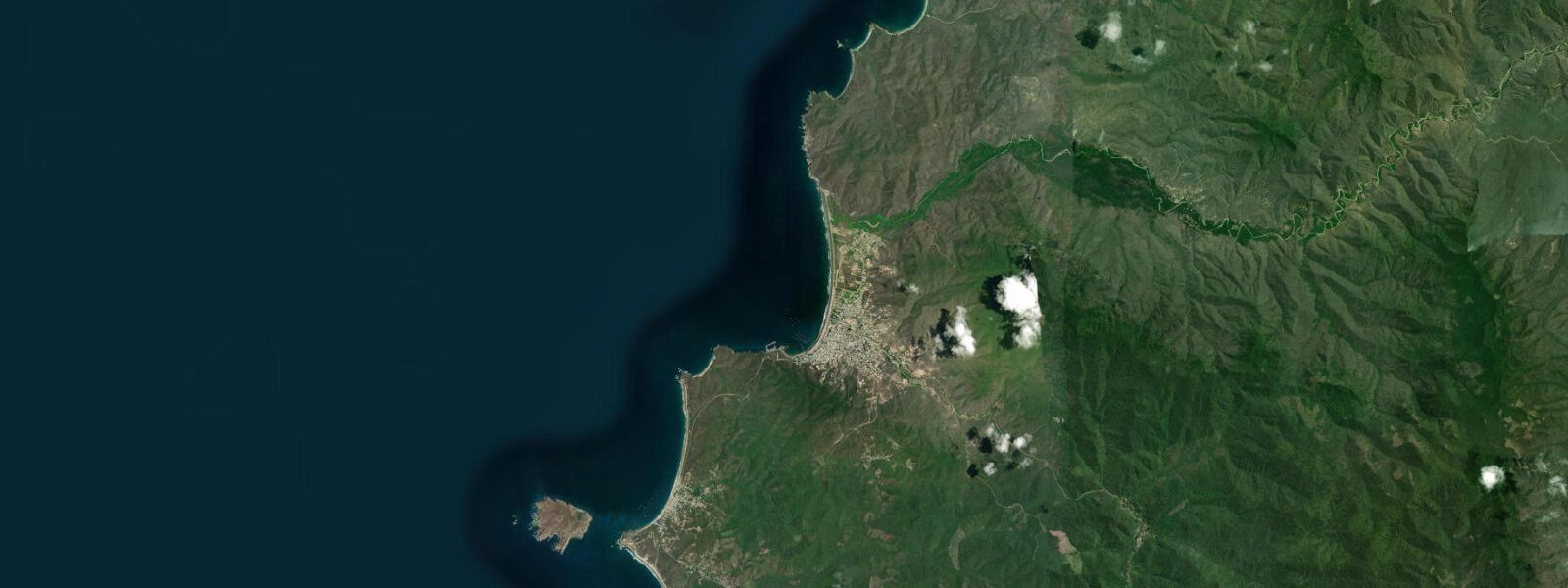
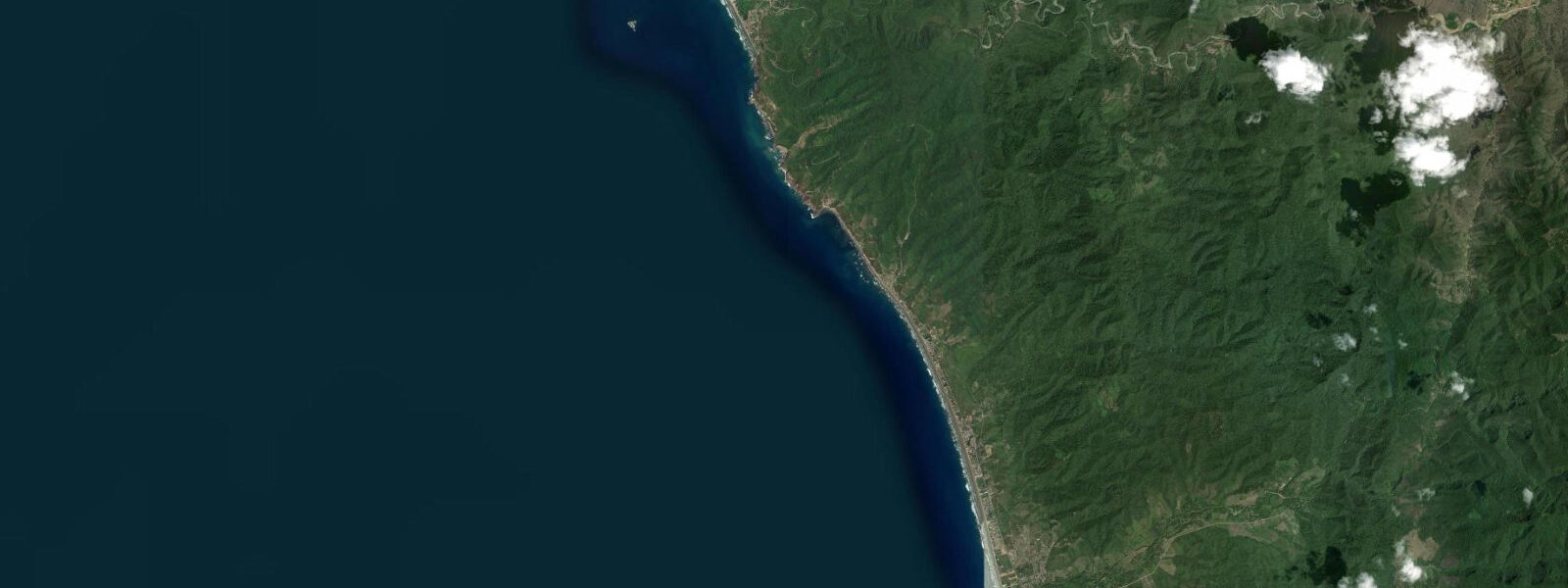
The three closest curated TideTurtle locations to Atacames, Ecuador, measured by great-circle distance.
Today's solunar windows
Solunar tradition: major periods are the ≈3h windows around moon transit and opposition; minor are ≈2h around moonrise and moonset. Pair with the local tide stage and wind for the best read.
About tides at Atacames, Ecuador
A short guide to the coastline at Atacames, Ecuador — geography, sea state, and what the tide is actually doing under your feet.
Atacames is the main beach resort of Esmeraldas province, a 7-kilometre arc of dark grey volcanic sand that curves between two river mouths on Ecuador's northern Pacific coast. The beach faces west-southwest across open Pacific, and the swell arrives consistently — short-period wind waves from the northwest in the wet season, longer-period southwest groundswell from May through September. The combination drives a lively shore break that draws domestic Ecuadorian tourism year-round but particularly on holiday weekends, when Quiteño families arrive by bus from the capital four hours inland.
The town behind the beach is straightforward about its purpose: hostels, restaurants, discos, and beachfront bars occupy the strip between the sand and the main road. The evenings on the Atacames malecón are the loudest on the Esmeraldas coast. The beach itself has a wide, flat lower section exposed at low tide and a steeper upper beach with umbrellas and plastic chairs. The commercial centre of beach tourism on this section of Ecuador's Pacific coast is here, not at Same or Tonchigüe to the north.
The tidal regime at Atacames follows the Ecuador Pacific pattern: mixed semidiurnal, spring range 2 to 3 metres. Two unequal high tides and two unequal low tides occur each day. Low spring tide exposes the full width of the lower beach flat — a broad firm surface stretching 150 to 200 metres from the dry sand to the water's edge — and reveals the river-mouth bars at the ends of the bay. The bars shift seasonally; the northern bar, at the Atacames river mouth, is a shallow crossing point for fishing pangas working the reef grounds offshore. At high spring tide the water reaches the base of the beachfront properties; the upper beach shrinks to a narrow strip.
The surf is strongest on the south-facing section of the bay during the May to September Humboldt swell season. The beach break does not have the defined sandbars of more exposed points, but on 1.5 to 2.0 metre swells the shorebreak produces workable waves for intermediate bodyboarders and shortboarders. Caution is warranted in the first days after a big swell pulse: the shore break on a 2-plus metre set at high tide is powerful, and the bottom churns to soft sand that offers no stable footing in the impact zone.
Esmeraldas cuisine defines what is on every restaurant menu in Atacames. Encocado — fish or shrimp cooked in a coconut milk sauce with green onion, cumin, and achiote — is the signature preparation; the chontaduro palm fruit appears in both sweet and savoury preparations alongside. The crab soup (sopa de cangrejo) made with the blue land crabs common in the mangroves north of town is a local speciality. Ingredients come from the Esmeraldas market rather than the beach restaurants' own boats, but the supply chain is local.
Mangroves extend north of the town toward Same. The estuary behind the northern beach section is accessible by kayak or canoe at mid to high tide when there is sufficient depth in the channels. The mangrove bird life — herons, egrets, kingfishers, and the roseate spoonbill at the right season — is the reason to go. A falling tide drains the channels quickly; plan the exit to avoid carrying a boat over mud.
The reef system offshore from Atacames, at roughly 5 to 8 metres depth, holds moderate fish populations despite years of net pressure from the artisanal fleet. Snorkelling from the beach in calm conditions reaches the closest reef patches without a boat. Water clarity depends on the river outflow from the Atacames and Tonchigüe rivers — at peak wet season (February through April) visibility drops to 2 to 3 metres after heavy rain.
Tide predictions for Atacames come from Open-Meteo Marine, a global gridded ocean model. Accuracy is within plus or minus 45 minutes on timing and 0.2 to 0.3 metres on height. The INOCAR Ecuador tide gauge network has a station at Esmeraldas port, 30 kilometres north, which provides a useful secondary reference for local verification.
Tide questions about Atacames, Ecuador
Quick answers to the most common questions about tide times, range, and water access at Atacames, Ecuador.
What is the tide range at Atacames and how does it affect the beach?
Atacames has a mixed semidiurnal tidal regime with a spring range of 2 to 3 metres — one of the larger ranges on Ecuador's Pacific coast. At low spring tide, 150 to 200 metres of flat, firm sand is exposed below the dry beach, and the river-mouth bars at both ends of the bay become visible. At high spring tide the water reaches the base of beachfront properties; the upper beach narrows to a strip. The transition between high and low takes roughly 6 hours. Tide predictions come from Open-Meteo Marine, accurate within plus or minus 45 minutes on timing and 0.2 to 0.3 metres on height.
When is the best time of year to visit Atacames for beach conditions?
The Ecuador Pacific coast has two broadly defined seasons. December through April is the warm, wet season: sea surface temperature 24 to 26°C, higher rainfall, overcast mornings clearing to sun, and larger northwest wind waves. May through November is the cool, drier season: the Humboldt Current pushes sea temperature down to 19 to 22°C, more consistent southwest swell, and clearer skies. For beach swimming and comfort in the water, the warm season is preferable. For surf quality, the May–September window produces more consistent swell. Coastal Ecuador's peak domestic tourism season is the school holiday weeks (February and July) and the Easter long weekend, when Atacames fills beyond capacity.
Is the surf at Atacames safe for beginners?
The beach break at Atacames is manageable for beginners in small conditions — under 0.8 metres — particularly at mid to low tide on the wider, flatter lower beach. The shore break can be powerful on 1.5-plus metre sets, and at high tide the water depth drops quickly, making wipeouts more abrupt. On larger swell days (common from May through September) the impact zone at high tide is not suitable for beginners or casual swimmers; rip currents form at the river mouths at both ends of the bay. Boards and lessons are available from operators on the beach. Always check the tide and swell before entering.
What food should I eat in Atacames?
The defining preparation of Esmeraldas province is encocado: fish, shrimp, or crab cooked in fresh coconut milk with green onion, cumin, and achiote (annatto). Every restaurant in Atacames has a version; quality varies by whether the coconut milk is freshly pressed or from a can. Sopa de cangrejo — blue crab soup — is made from the land crabs that inhabit the mangroves north of town. Ceviche on this coast differs from the Peruvian style: the Ecuadorian version uses tomato sauce as the base with lime juice added, and arrives warm rather than cold. Chontaduro, the palm fruit common in Esmeraldas, appears as a street snack either boiled with salt or as a sweetened pulp.
Can I reach the mangroves near Atacames by kayak?
The mangrove estuary behind the northern section of Atacames beach is accessible by kayak or canoe at mid to high tide, when the channels hold at least half a metre of water. The paddling distance from the town beach to the first mangrove channels is around 15 minutes. The bird life inside the mangroves — great blue herons, snowy egrets, belted kingfishers, and seasonal roseate spoonbills — is the primary draw. A falling tide drains the channels faster than expected; the bottom transition from water to deep mud happens in minutes. Plan the return to coincide with mid-tide or higher. Basic kayak hire is available from several operators at the north end of the beach.
0-day tide table — Atacames, Ecuador
Heights relative to MSL. Predictions: Open-Meteo Marine (MeteoFrance SMOC, 0.08° grid) — heights relative to MSL (not chart datum / LAT). Model-derived.
| Day | Type | Time | Height |
|---|