Samaná tide times
Samaná tide forecast — heights relative to MSL.
Tide chart for Samaná
24-hour cosine-interpolated curve around the present moment. Heights relative to MSL. Predictions: Predictions: Open-Meteo Marine (MeteoFrance SMOC, 0.08° grid).
Sun, moon and conditions on Tue 04 Aug
Snapshot at build time — refreshes daily. Sea state from Open-Meteo Marine.
Highs and lows next 7 days
Every predicted high and low for the next week, with the daily tidal coefficient (0–120; higher = bigger swing, > 95 means stronger currents).
Other spots nearby
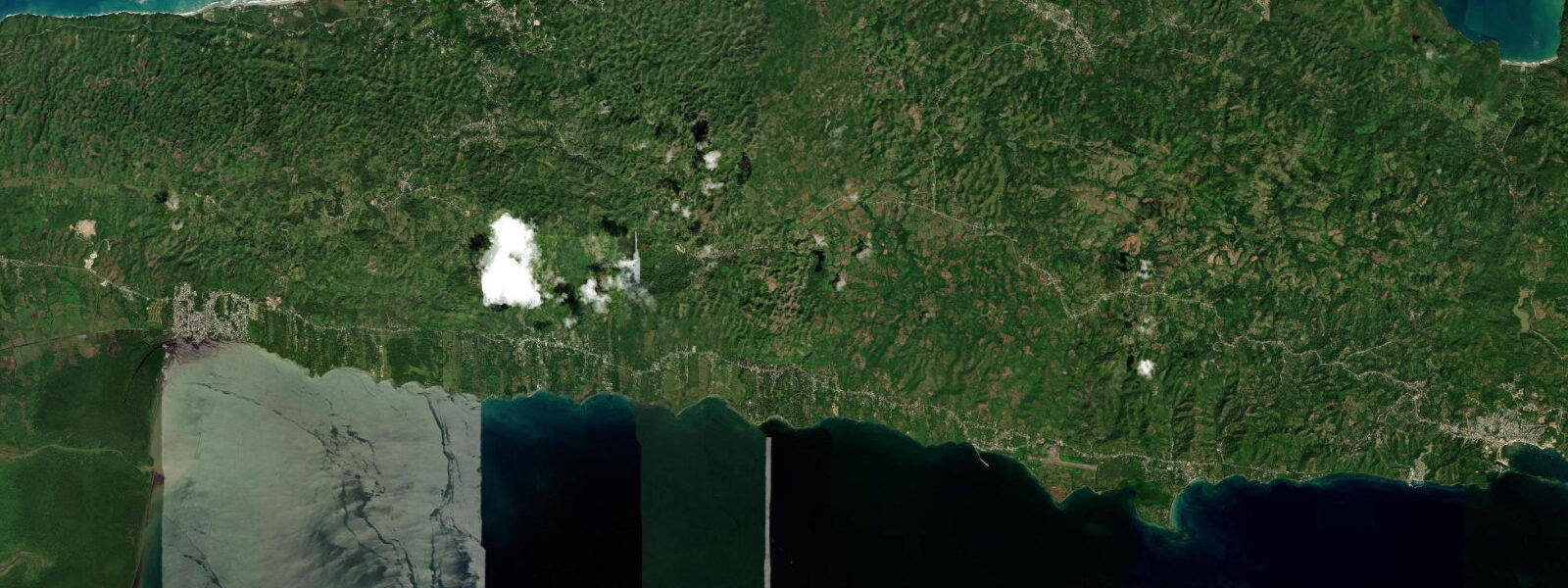
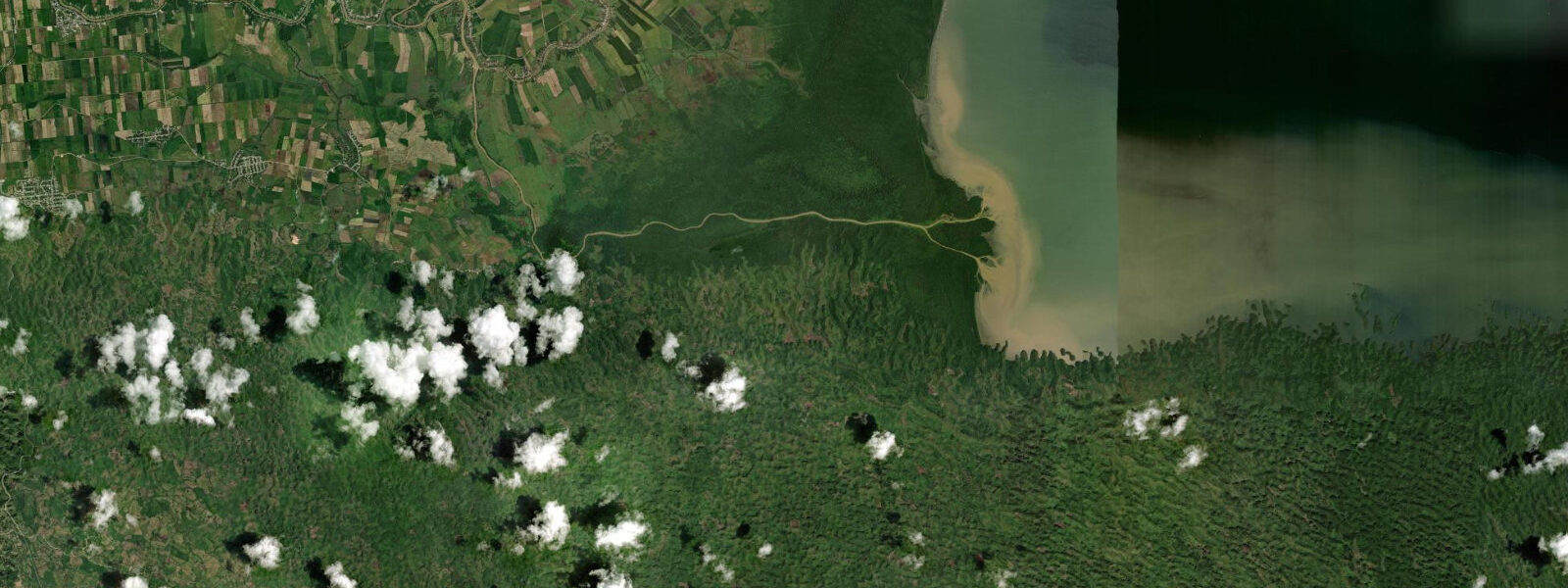
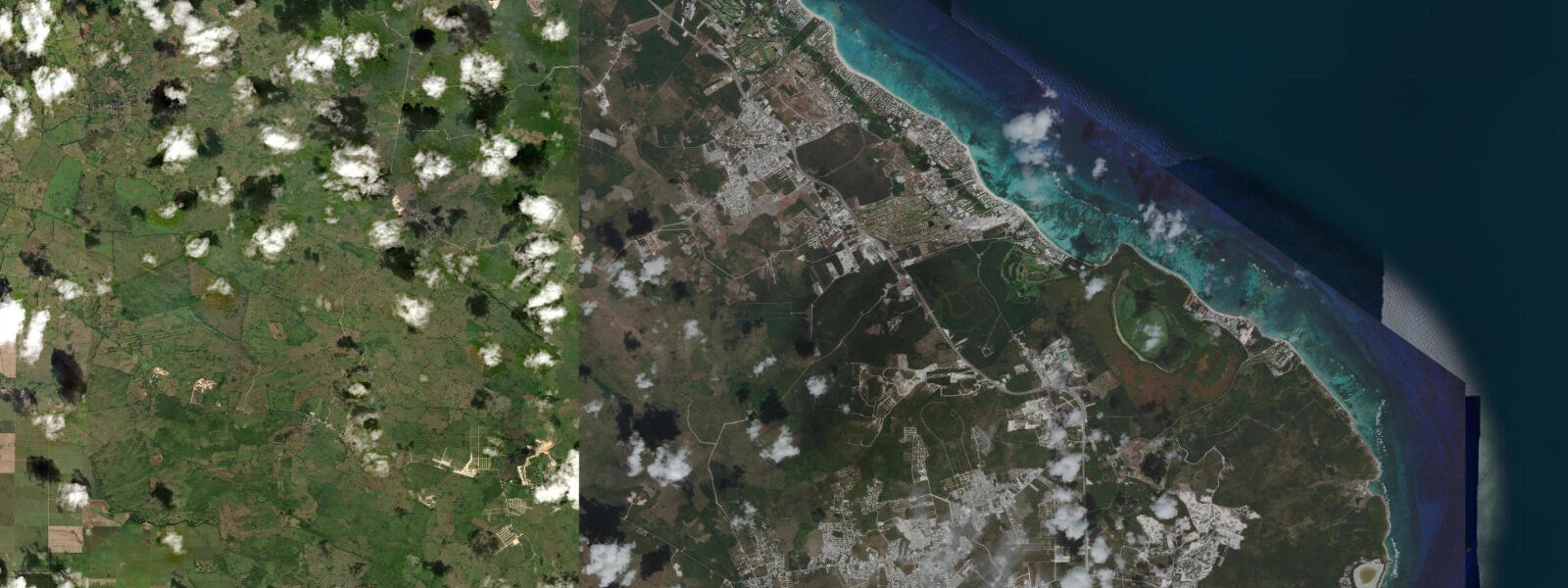
The three closest curated TideTurtle locations to Samaná, measured by great-circle distance.
Today's solunar windows
Solunar tradition: major periods are the ≈3h windows around moon transit and opposition; minor are ≈2h around moonrise and moonset. Pair with the local tide stage and wind for the best read.
About tides at Samaná
A short guide to the coastline at Samaná — geography, sea state, and what the tide is actually doing under your feet.
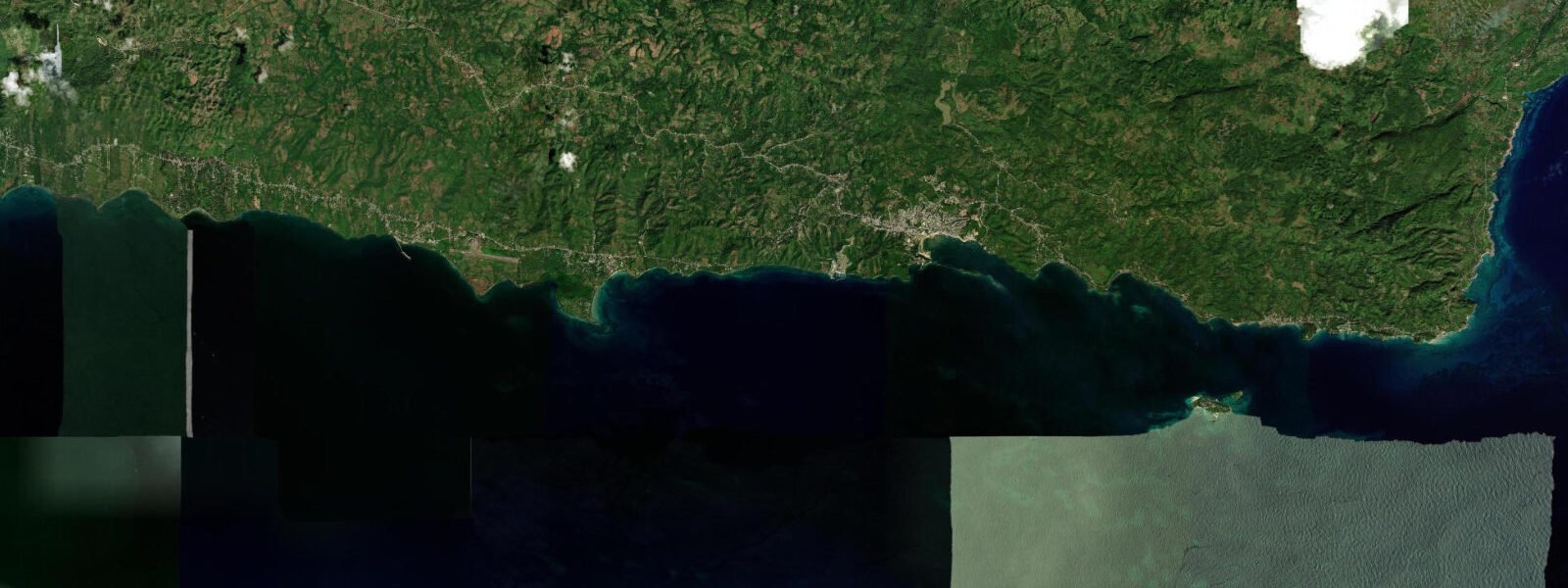
Santa Bárbara de Samaná — known universally as Samaná — sits on the southern shore of the Samaná Peninsula at the head of the Bahía de Samaná, the 55 km-long enclosed bay between the peninsula's southern coast and the Dominican Republic's mainland provinces of Hato Mayor and El Seibo. The bay is wide, calm, and deep enough that Columbus entered it on 6 January 1493 on his return voyage from his first Caribbean expedition, making it one of the earliest European-described bodies of water in the Americas. Columbus named it the Golfo de las Flechas — the Gulf of Arrows — after an encounter with indigenous Taíno people on the shore. The town of Samaná sits on a terraced hillside above the bay waterfront; the malecón along the harbour edge is the departure point for whale-watching boats, ferry services to Cayo Levantado in the bay, and fishing excursions.
The tidal regime at Samaná is mixed semidiurnal, with a mean range of roughly 0.4 to 0.6 m inside the sheltered bay. The enclosed geometry of Bahía de Samaná dampens the tidal signal below the open-coast north-shore figure; inside the bay the water is calmer, the swell is minimal, and the dominant influence on day-to-day water level is the onshore wind from the bay mouth and the larger weather patterns. ONAMET (Oficina Nacional de Meteorología) is the Dominican tidal and weather reference; predictions on this page come from Open-Meteo Marine, a gridded global ocean model, accurate to approximately ±45 min and ±0.2–0.3 m.
From January through March, Bahía de Samaná is the winter breeding and calving ground for a significant portion of the North Atlantic humpback whale population. The whales travel from their summer feeding grounds off Newfoundland, Greenland, and Iceland to the warm, shallow Caribbean waters to mate and give birth; the Banco de la Plata (Silver Bank) north of the Dominican Republic and the Bahía de Samaná are the two primary gathering sites. At peak season (mid-January through mid-March) the bay holds 100 to 200 individual whales; the breaching, surface activity, and singing can be observed from licensed whale-watching boats operating from the Samaná malecón. The boats carry tourism licences from the Ministerio de Medio Ambiente and operate under approach-distance regulations designed to minimise whale disturbance. The tide state does not affect whale-watching conditions; sea state inside the protected bay is almost always manageable.
Cayo Levantado, known informally as Bacardi Island from the rum brand that shot a famous advertisement there in the 1970s, is a small island in the bay roughly 7 km southeast of Samaná town. A public beach on the northern end of the island and the Bahía Príncipe Grand Cayo Levantado resort on the southern portion share the island. Motorboat taxis depart from the Samaná waterfront on a regular schedule; the 20-minute crossing takes place in the protected bay waters on any tide and sea state. The island beach faces north across the bay and is a calm, sheltered environment.
For shore anglers, the bay around Samaná holds snapper and jack on the harbour margins; the tidal channels at the Río Yuna mouth on the western bay shore (accessible by boat from Samaná) are productive barramundi-style snook habitat on the flooding tide. Offshore fishing from Samaná targets mahi-mahi, wahoo, and blue marlin in the open Atlantic east of the peninsula during the summer pelagic season.
For photographers, the dominant scene is the whale-watching boats and the breaching behaviour in the bay from January through March — the combination of mountain backdrop, calm bay water, and active whale behaviour makes Bahía de Samaná one of the most photographically productive whale-watching venues in the Atlantic. Outside whale season, the malecón at sunset with the bay and its islands behind it is the standard landscape composition; the boat traffic adds human scale.
Beach-walkers and families visiting Samaná city primarily travel to Cayo Levantado by boat rather than using any town beach; the waterfront at Samaná city itself is a harbour, not a swimming beach.
Predictions on this page come from Open-Meteo Marine, a gridded global ocean model. Accuracy is typically ±45 min and ±0.2–0.3 m. ONAMET is the authoritative Dominican Republic tidal and meteorological source.
Tide questions about Samaná
Quick answers to the most common questions about tide times, range, and water access at Samaná.
When is the next high tide at Samaná?
The hero block at the top of this page shows the next predicted high at Samaná in local Atlantic Standard Time (AST, UTC-4; the Dominican Republic does not observe daylight saving time). The astronomical range inside Bahía de Samaná is roughly 0.4 to 0.6 m — the enclosed bay geometry dampens the tidal signal below the open north-coast figure. For whale-watching and Cayo Levantado boat crossings, bay sea state is more relevant than tide state; the bay is protected from trade-wind swell in all but the strongest weather. ONAMET (Oficina Nacional de Meteorología) is the Dominican Republic's authoritative tidal and meteorological reference.
When is humpback whale season in Bahía de Samaná?
North Atlantic humpback whales arrive in Bahía de Samaná from mid-December and peak from mid-January through mid-March. The most active period for surface behaviour — breaching, tail-slapping, and singing — is typically late January through early March, when the bay holds the highest concentration of whales and competitive male behaviour is at its peak. By late March the whales begin their northward migration back to summer feeding grounds. Licensed whale-watching boats depart from the Samaná malecón daily during the season; the boats are limited in approach distance and speed by Ministerio de Medio Ambiente regulations. The best conditions for whale watching inside the bay are calm mornings with light wind; the protected bay geometry means the boats operate on most days regardless of ocean sea state.
What is the historical significance of Bahía de Samaná?
Columbus entered Bahía de Samaná on 6 January 1493, making it one of the first enclosed bodies of water in the Americas to be described by European explorers. He named it the Golfo de las Flechas (Gulf of Arrows) after an encounter with Taíno inhabitants on the eastern shore — the first documented armed confrontation between Europeans and indigenous Caribbean people. The Taíno name for the peninsula was Xamaná; the modern name Samaná derives from this. The bay's strategic depth and shelter made it subsequently significant in the colonial period: the United States negotiated repeatedly in the 19th century to acquire Samaná Bay as a naval base, most seriously in the 1870s, but Dominican political opposition prevented any lease or purchase.
Where do these tide predictions come from?
Open-Meteo Marine, a free gridded global ocean model. The model estimates tidal height across a geographic grid rather than computing from harmonic analysis of a local Samaná gauge. Accuracy is typically within ±45 minutes on timing and ±0.2 to 0.3 metres on height. At Samaná's spring range of 0.4 to 0.6 m inside the bay, the model's uncertainty is a meaningful fraction of the total signal. ONAMET (Oficina Nacional de Meteorología) is the authoritative Dominican Republic tidal and meteorological reference. For whale-watching boat timing, the operator's own schedule and the ONAMET bay-conditions forecast are more relevant than the tide table.
Is this safe to use for navigation?
No. Bahía de Samaná is a working bay with ferry traffic, whale-watching vessels, and commercial fishing boats. The bay entrance and the approaches to the Samaná malecón require standard chart navigation. For vessel operations in Bahía de Samaná, use current Dominican Republic nautical charts and ONAMET marine forecasts. Open-Meteo Marine gridded predictions are not gauge-calibrated harmonic data and do not replace authoritative sources for navigation in these waters. The shoal areas at the western head of the bay and around Cayo Levantado require current survey data before close-approach navigation.
7-day tide table — Samaná
Heights relative to MSL. Predictions: Open-Meteo Marine (MeteoFrance SMOC, 0.08° grid) — heights relative to MSL (not chart datum / LAT). Model-derived.
| Day | Type | Time | Height |
|---|---|---|---|
| Tue 04 Aug | — | ||
| Wed 05 Aug | Low | 06:50 | 0.1m |
| Thu 06 Aug | High | 01:15 | 0.5m |
| Low | 07:38 | 0.1m | |
| Fri 07 Aug | High | 15:40 | 0.7m |
| Low | 22:10 | 0.3m | |
| Sat 08 Aug | High | 03:00 | 0.5m |
| Low | 09:20 | 0.1m | |
| Sun 09 Aug | High | 04:06 | 0.4m |
| Low | 10:21 | 0.0m | |
| Mon 10 Aug | High | 05:10 | 0.5m |