Las Galeras tide times
Las Galeras tide forecast — heights relative to MSL.
Tide chart for Las Galeras
24-hour cosine-interpolated curve around the present moment. Heights relative to MSL. Predictions: Predictions: Open-Meteo Marine (MeteoFrance SMOC, 0.08° grid).
Sun, moon and conditions on Tue 04 Aug
Snapshot at build time — refreshes daily. Sea state from Open-Meteo Marine.
Highs and lows next 7 days
Every predicted high and low for the next week, with the daily tidal coefficient (0–120; higher = bigger swing, > 95 means stronger currents).
Other spots nearby
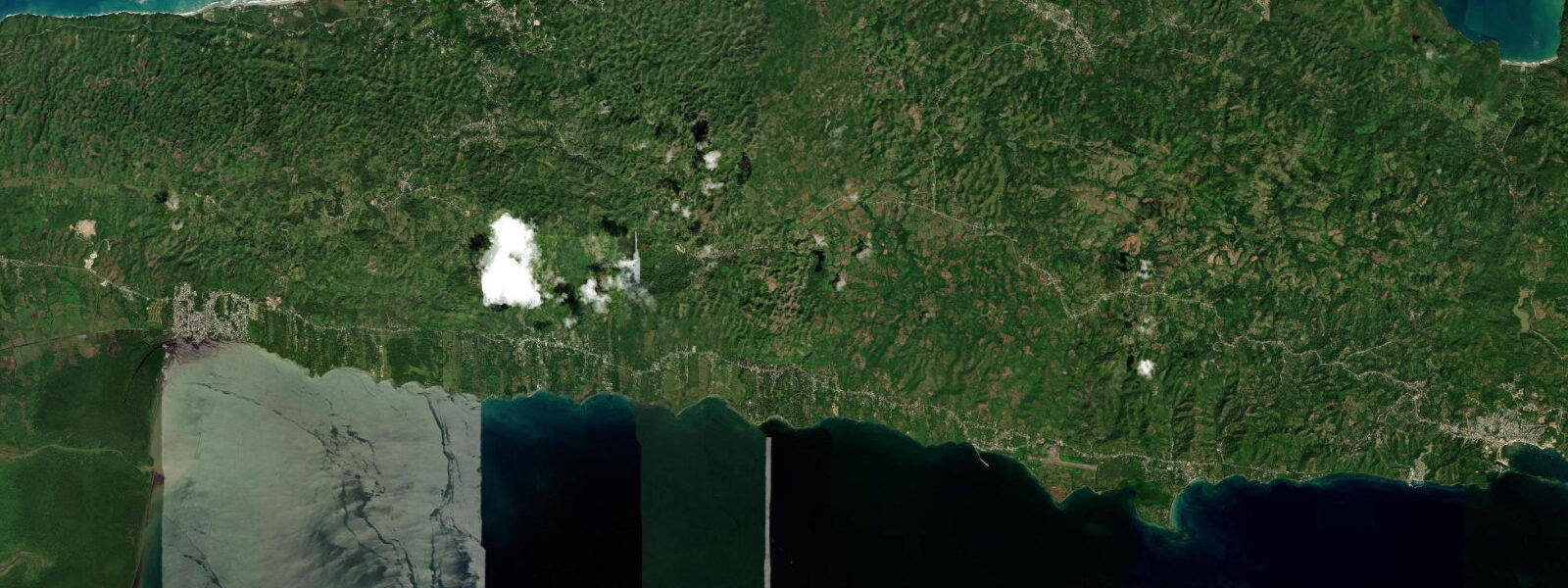
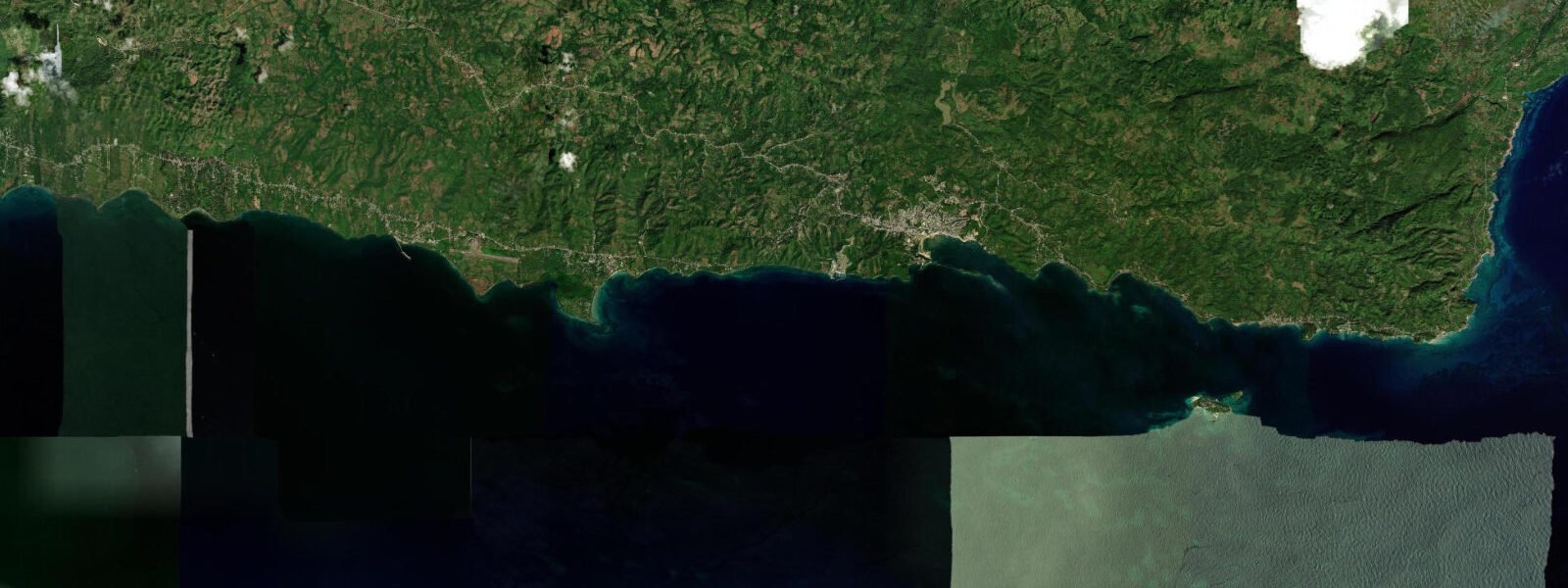
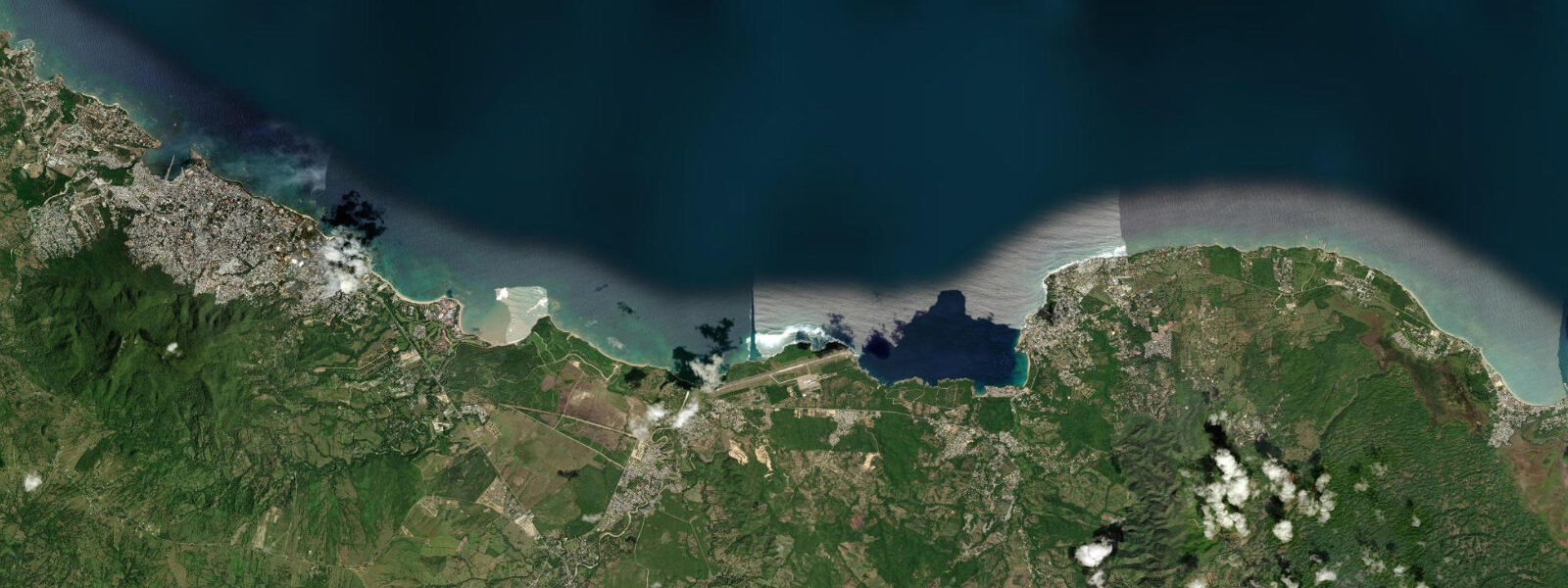
The three closest curated TideTurtle locations to Las Galeras, measured by great-circle distance.
Today's solunar windows
Solunar tradition: major periods are the ≈3h windows around moon transit and opposition; minor are ≈2h around moonrise and moonset. Pair with the local tide stage and wind for the best read.
About tides at Las Galeras
A short guide to the coastline at Las Galeras — geography, sea state, and what the tide is actually doing under your feet.
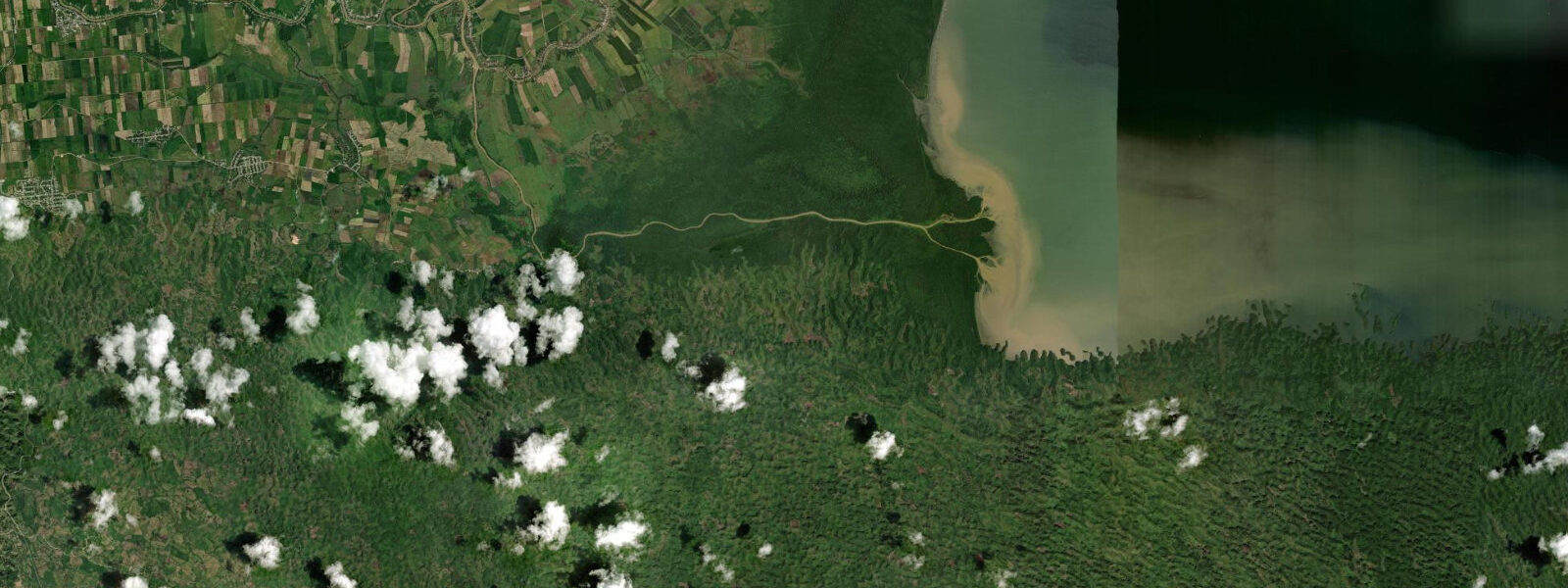
Las Galeras sits at the eastern tip of the Samaná Peninsula, where the road from the provincial capital ends and the Caribbean begins in earnest. The village is small — a few guesthouses, a dive shop, a handful of beach restaurants, and the pier where boats depart for Playa Rincón — and it has retained a character noticeably quieter than Las Terrenas on the north coast. The setting is defined by steep forested headlands enclosing a small bay, with the main village beach of about 800 m protected from the dominant northeast trade swell by the headland at Punta de la Galera to the north.
The tidal regime at Las Galeras is mixed semidiurnal with a mean range of roughly 0.4 to 0.6 m on the Atlantic-facing coast of the Samaná Peninsula. Two unequal highs and two unequal lows each day, with the diurnal inequality producing one consistently stronger high. The range is small but perceptible: the water line moves several metres along the gentle beach slope between high and low on spring tides. Non-astronomical drivers — the NE trade-wind swell, occasional Atlantic hurricane-season swells, and the channeling effect of the narrow passages between the peninsula and Hispaniola — produce short-period wave and water-level variation that outweighs the astronomical tide on most days. ONAMET (Oficina Nacional de Meteorología) is the Dominican tidal and weather reference; predictions on this page come from Open-Meteo Marine, a gridded global ocean model, accurate to approximately ±45 min and ±0.2–0.3 m.
Playa Rincón, accessible from Las Galeras by a 10-minute boat ride or a 40-minute walk over the southern headland, is the primary draw for visitors to the eastern peninsula. The beach is approximately 3 km of undeveloped palm-backed sand at the base of steep limestone hills, with no road access and no resort development — one of the longest undeveloped beaches remaining in the Dominican Republic and consistently listed among the finest in the Caribbean. The boat landing at Rincón changes character with the tide: at high water the sand narrows and the boats land through small shore break in knee-deep water; at low water a wide flat of firm sand extends 20 to 30 m seaward of the palm line, giving a larger working beach and drier landings. For families arriving by boat, the low-tide landing at Rincón is consistently more comfortable.
For snorkellers and divers, the headlands on either side of Las Galeras bay hold accessible reef structures in 2 to 8 m of water. La Piedra, the large boulder just west of the village, is a snorkelling site accessible from the beach. Dive operators run trips to El Frontón, the dramatic sea-cliff and cave system at the eastern tip of the peninsula, where the limestone cliffs drop vertically into deep Atlantic water and the underwater topography includes arches and overhangs. El Frontón is an open-water dive in conditions that depend entirely on sea state: the incoming swell from the northeast makes the site unworkable in anything above 1.0 m swell, and the dive window opens on calm days regardless of tide state.
For shore anglers, the rocky points at Punta de la Galera and the southern headland hold jack crevalle, snapper, and barracuda on the incoming tide in the early morning. The village pier itself is a platform for night fishing, targeting snapper with live bait on the flooding tide.
Photographers at Las Galeras have three strong subjects: the view from the pier looking south toward the forested headlands that enclose the bay, which is best in the late afternoon; the walk to Playa Rincón, where the beach is cleaner and the palm backdrop is strongest at low tide in the morning; and El Frontón, best documented by boat on a flat calm day.
Beat walkers who come to Las Galeras for the quiet tend to stay longer than planned. The combination of an undeveloped tip-of-peninsula setting, the boat access to Playa Rincón, and the genuinely unrushed pace of the village gives it a character that Las Terrenas, with its European expat restaurants and kitesurf scene, does not have.
Predictions on this page come from Open-Meteo Marine, a gridded global ocean model. Accuracy is typically ±45 min and ±0.2–0.3 m. ONAMET is the authoritative source for Dominican Republic tidal and weather data.
Tide questions about Las Galeras
Quick answers to the most common questions about tide times, range, and water access at Las Galeras.
When is the next high tide at Las Galeras?
The hero block at the top of this page shows the next predicted high at Las Galeras in local Atlantic Standard Time (AST, UTC-4; the Dominican Republic does not observe daylight saving time). The astronomical range on the Atlantic coast of the Samaná Peninsula is roughly 0.4 to 0.6 m on spring tides — small but perceptible, with the water line moving several metres along the beach slope. ONAMET (Oficina Nacional de Meteorología) is the Dominican Republic's authoritative weather and tidal reference. Predictions on this page come from Open-Meteo Marine, a gridded global ocean model.
How do I get to Playa Rincón from Las Galeras?
Playa Rincón is accessible by two routes from Las Galeras: a 10-minute motorboat ride from the Las Galeras pier (local boatmen charge a fixed return fare negotiated at the dock), or a 35 to 45-minute walk over the southern headland on a foot trail that climbs through forest and descends to the western end of Rincón. The boat landing at Rincón is on the beach itself, with no dock; the boat pulls up to the sand and passengers wade or are carried the last metre. At low tide the wide flat sand makes landings easy and dry; at high water the boats land through small shore break in knee-deep water. Most visitors take the boat out and walk back, or vice versa. The beach has no permanent facilities beyond a few informal food shacks that operate on days with sufficient visitor traffic.
What is the diving like at El Frontón?
El Frontón is the sheer limestone sea cliff at the northeastern tip of the Samaná Peninsula, where the rock face drops vertically into 25 to 40 m of Atlantic water with underwater arches, caves, and overhangs holding sponge and coral communities. The site is accessed by boat from Las Galeras in roughly 15 minutes and is diveable only in calm sea conditions — the exposed NE aspect makes it unworkable in NE trade-wind swell above approximately 0.8 to 1.0 m significant height. Dive operators in Las Galeras check the sea-state forecast and the ONAMET swell report before scheduling El Frontón; the tide state is less important than the swell window. Maximum depth at the site is around 40 m. The wall is current-free in calm conditions but can carry a moderate current when a NE swell is running.
Where do these tide predictions come from?
Open-Meteo Marine, a free gridded global ocean model. The model estimates tidal height across a geographic grid rather than computing from harmonic analysis of a local Las Galeras gauge. Accuracy is typically within ±45 minutes on timing and ±0.2 to 0.3 metres on height. At Las Galeras's spring range of 0.4 to 0.6 m, the timing uncertainty is a meaningful fraction of the half-cycle duration. ONAMET (Oficina Nacional de Meteorología) is the authoritative Dominican Republic tidal and meteorological reference; for any activity where precise water level matters, weight ONAMET's data and the local sea-state forecast over the gridded model.
Is this safe to use for navigation?
No. The eastern tip of the Samaná Peninsula has significant shoals and reef structure in the approaches to Las Galeras bay, and the waters around El Frontón carry unpredictable swell in NE trade conditions. For vessel operations in these waters, use current Dominican Republic nautical charts and ONAMET marine forecasts. Open-Meteo Marine gridded predictions are not gauge-calibrated harmonic data and do not replace authoritative sources for navigation. The reef ledge east of the headland at Punta de la Galera requires current chart data before any close-approach navigation.
0-day tide table — Las Galeras
Heights relative to MSL. Predictions: Open-Meteo Marine (MeteoFrance SMOC, 0.08° grid) — heights relative to MSL (not chart datum / LAT). Model-derived.
| Day | Type | Time | Height |
|---|