Sosúa, Puerto Plata tide times
Sosúa, Puerto Plata tide forecast — heights relative to MSL.
Today's tide times for Sosúa, Puerto Plata
Tide times at Sosúa, Puerto Plata on Monday, 3 August 2026: first low tide at 05:18am, first high tide at 11:40am. Sunrise 06:18am, sunset 07:17pm.
Tide chart for Sosúa, Puerto Plata
24-hour cosine-interpolated curve around the present moment. Heights relative to MSL. Predictions: Predictions: Open-Meteo Marine (MeteoFrance SMOC, 0.08° grid).
Sun, moon and conditions on Mon 03 Aug
Snapshot at build time — refreshes daily. Sea state from Open-Meteo Marine.
Highs and lows next 7 days
Every predicted high and low for the next week, with the daily tidal coefficient (0–120; higher = bigger swing, > 95 means stronger currents).
Other spots nearby
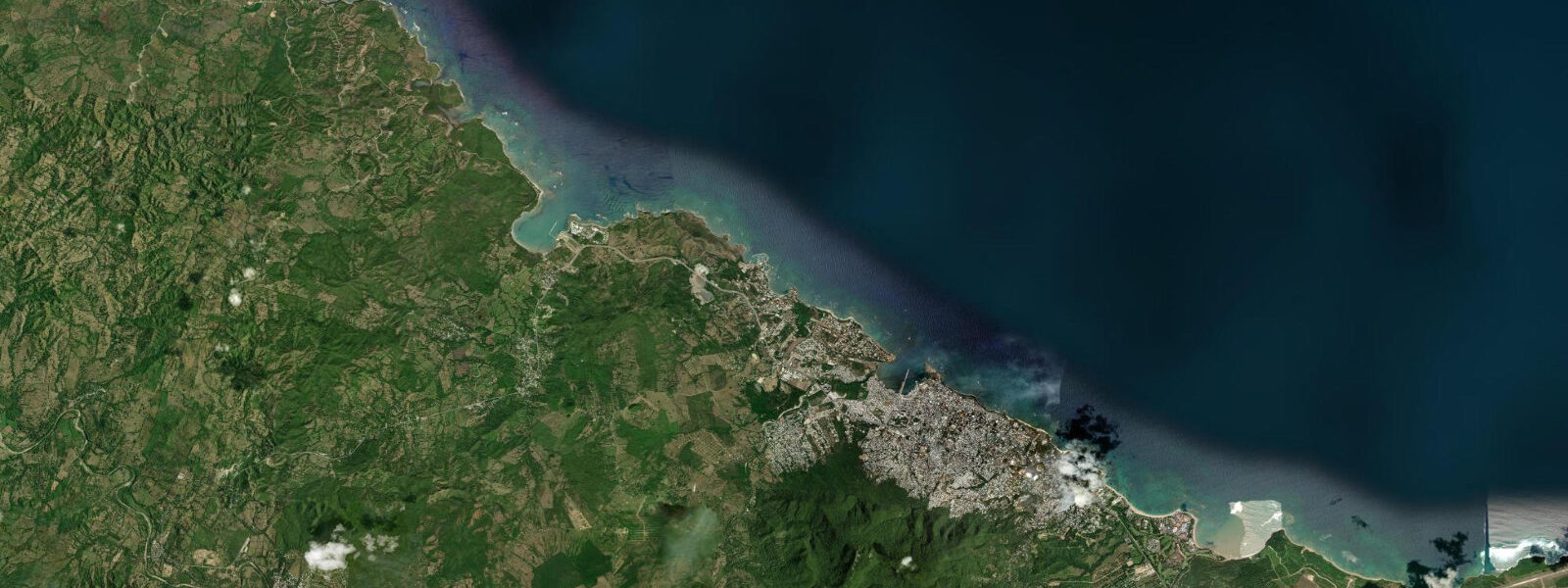
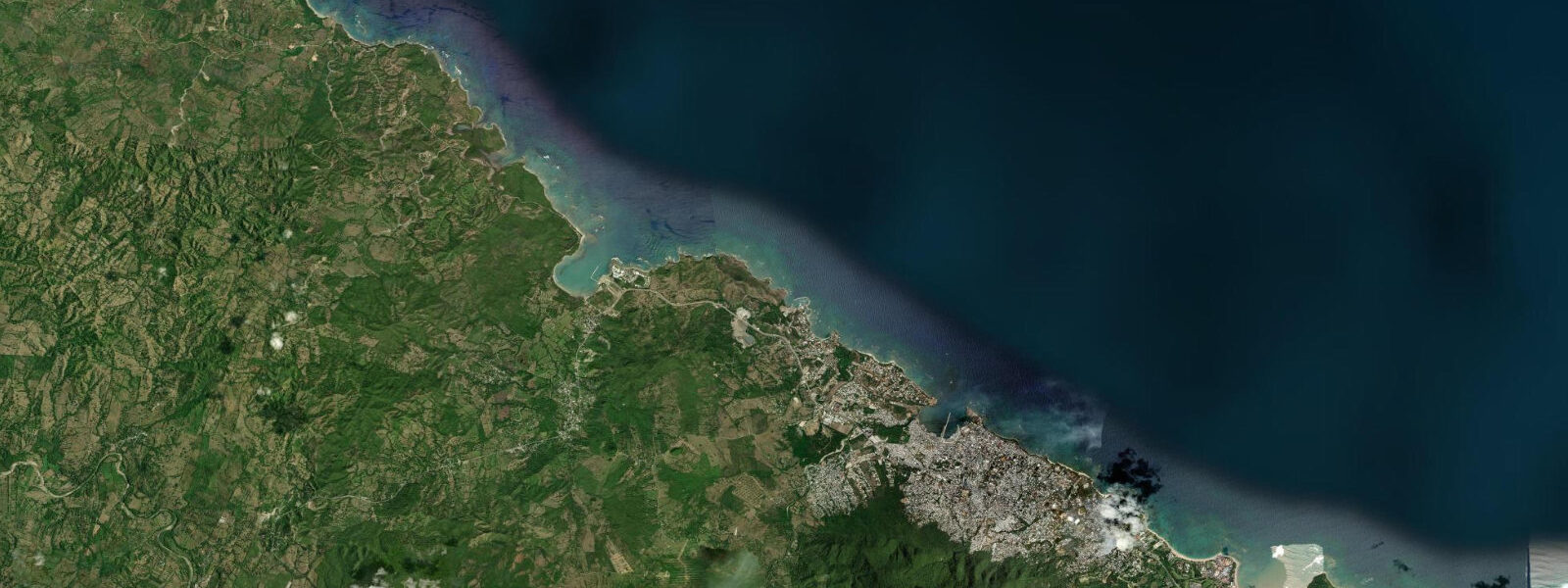
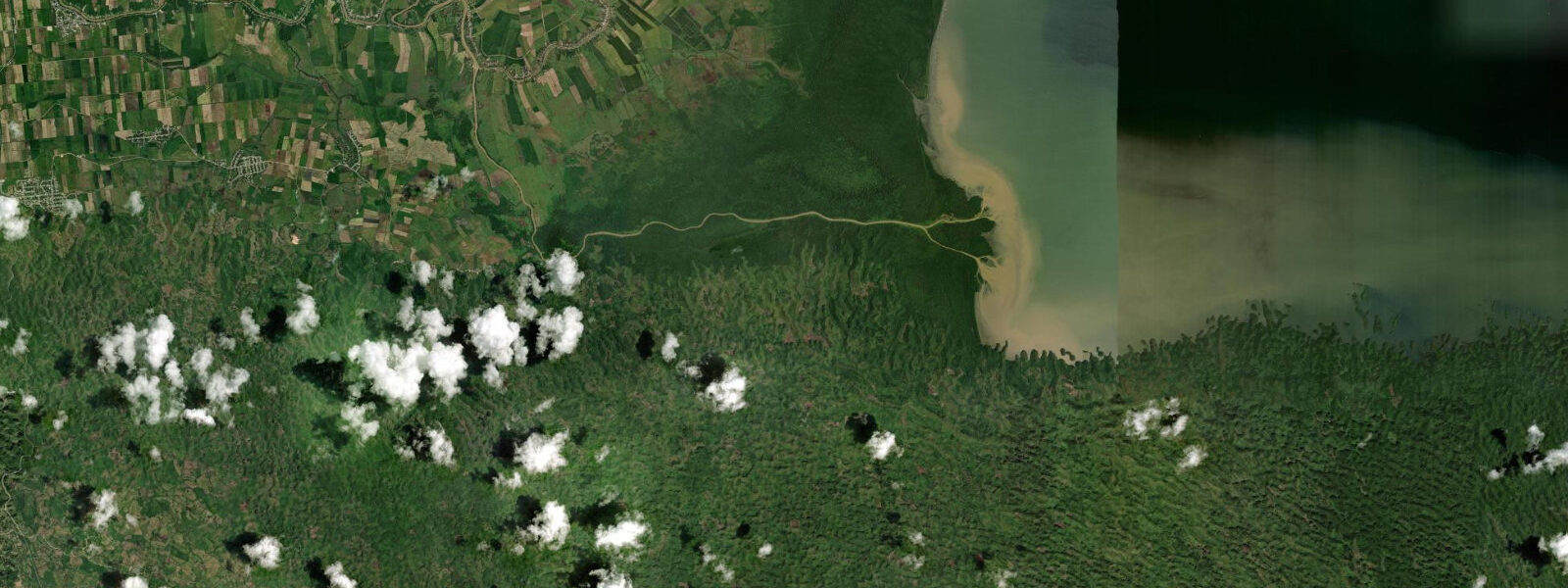
The three closest curated TideTurtle locations to Sosúa, Puerto Plata, measured by great-circle distance.
Today's solunar windows
Solunar tradition: major periods are the ≈3h windows around moon transit and opposition; minor are ≈2h around moonrise and moonset. Pair with the local tide stage and wind for the best read.
Cycle dates near Sosúa, Puerto Plata
Next spring tide on Thu 06 Aug (range 0.7m). Next neap on Fri 07 Aug.
Spring tides cluster around new and full moons (biggest swings). Neap tides land on quarter moons (smallest swings). See the spring tide and neap tide glossary entries for the why.
About tides at Sosúa, Puerto Plata
A short guide to the coastline at Sosúa, Puerto Plata — geography, sea state, and what the tide is actually doing under your feet.
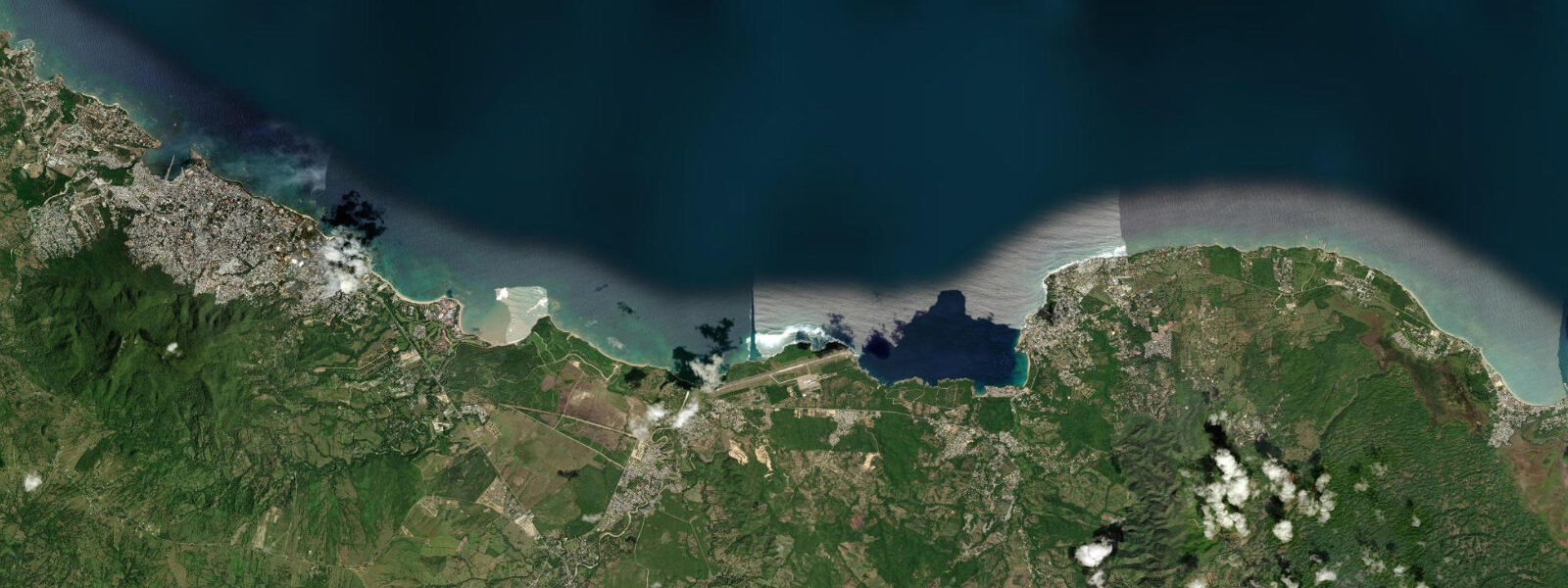
Sosúa is a beach town 22 km east of Puerto Plata on the Dominican Republic's north coast, built around a 1 km bay protected by headlands on both sides. That sheltered geometry is the defining physical fact of the place: while the open north coast beaches deal with consistent northeast Atlantic swell, Sosúa's headlands break the incoming swell before it reaches the beach, producing one of the calmest swimming and snorkelling environments on this stretch of coast.
The tidal regime is mixed semi-diurnal with a mean spring range of 0.3–0.5 m — consistent with other north coast locations. At low tide, 10–20 m of additional sand is exposed along the bay's full 1 km length, and the reef patches at the eastern headland become shallower, with depth over the reef dropping from 3–5 m at high water to 1.5–2.5 m at low. That reduction in depth over the reef is the practical snorkelling trigger: fish pushed off the shallower sections of reef concentrate in the channel between the reef and the beach, increasing encounter rates in an already small and accessible area.
The snorkelling at Sosúa is reef-based — the coral patches at both headlands host sergeant majors, blue tang, squirrelfish, trumpetfish, and the occasional small moray. The eastern headland patch is the denser of the two. At low water, when the reef top is 1.5–2.0 m below the surface, the fish density in the adjacent channel increases noticeably. Water clarity depends on tidal current: the clearest window is during slack water, approximately 30 minutes after the tidal change completes in both directions. During peak tidal flow, sediment stirs off the sand patches between coral heads and visibility drops from 10–15 m to 4–6 m. Gear rental (mask, fins, snorkel) is available from several operators directly on the beach.
The bay is also one of the entry points for scuba divers targeting the north coast drop-off. The reef structures outside the headlands step down to 20–30 m on the outside face, with wall sections that hold grouper, barracuda, and eagle rays. Dive boats leave from the Sosúa pier, typically at 09:00 and 14:00. The tidal current through the channel outside the bay runs noticeably during tidal transitions — drift dives are run on the outgoing flow.
Beyond the water, Sosúa has a history that most visitors walk past without knowing. The Jewish quarter — El Batey — occupies the original settlement established in 1940, when President Rafael Trujillo's government offered asylum to Jewish refugees fleeing Nazi Germany. The offer was a diplomatic calculation: Trujillo wanted international recognition and a gesture of openness, and agreed to accept up to 100,000 Jewish settlers. Approximately 800 arrived, most settling in Sosúa. The refugees established an agricultural cooperative, built a synagogue, and created a self-sustaining community that produced cheese and meat products sold across the country. The cooperative eventually dissolved as the community dispersed and the Dominican economy changed, but the synagogue on Calle Dr. Alejo Martínez remains in active use and houses a small museum with photographs, documents, and artefacts from the original community. The museum is open on weekday mornings and is one of the more specific and consequential historical sites on the north coast.
El Batey, the neighbourhood name, preserves the term the community itself used — a Jewish community word adapted into local usage. The neighbourhood has a quieter character than the tourist-commercial strip adjacent to the beach: small houses, street-level businesses, the synagogue compound. Walking the four blocks from the beachfront to the synagogue takes less than ten minutes and covers the transition from Caribbean beach town to that particular layered history.
Kiteboarding reference point: Playa Cabarete lies 10 km east of Sosúa. Cabarete's combination of 14–17 knot northeast trade winds and a protected lagoon makes it the acknowledged kiteboarding capital of the Caribbean — the International Kiteboarding Organisation has held events there. The same trade wind that powers Cabarete runs over Sosúa Bay but is partially blocked by the eastern headland, which is exactly why Sosúa is calmer. Kiteboarders staying in Sosúa typically taxi to Cabarete for sessions and return to Sosúa for accommodation.
For paddlers, Sosúa Bay's sheltered geometry makes it the calmest kayak and SUP environment in the immediate area. The inside of the bay in the two hours around low tide — when the reef patches are shallowest and the fish most concentrated — combines flatwater conditions with the reef proximity that makes the paddle worthwhile rather than just exercise.
Puerto Plata city is 22 km west on the coast road, accessible in 30–35 minutes by taxi or shared gua-gua. The Malecón waterfront in Puerto Plata is the closest urban gathering point; the amber mines at La Cumbre in the Cordillera Septentrional are a 45-minute drive south for context on the region's non-marine draws.
Tide data for Sosúa, Puerto Plata comes from the Open-Meteo Marine API, a gridded model product. Timing accuracy is ±45 minutes, height accuracy ±0.3 m — usable for trip planning, not for navigation.
Tide questions about Sosúa, Puerto Plata
Quick answers to the most common questions about tide times, range, and water access at Sosúa, Puerto Plata.
Why is Sosúa Bay calmer than other north coast beaches in the Dominican Republic?
The bay's geometry is the reason. Headlands at both the eastern and western ends of the 1 km bay intercept the northeast trade-wind swell before it reaches the beach. The dominant Atlantic swell arrives from the northeast — directly into the eastern headland, which breaks the wave energy and redirects what remains around the point. The result is a bay that runs significantly calmer than the open north coast beaches like Playa Dorada or the exposed sections east of Cabarete, even on days when the trade wind is 15+ knots. Tidal range is 0.3–0.5 m — consistent with other north coast locations — but the wave suppression from the headlands makes the tide's impact on swimming conditions the dominant variable rather than swell.
When does the snorkelling improve at low tide in Sosúa Bay?
The reef patches at the eastern headland sit 3–5 m deep at high water and drop to 1.5–2.5 m at low water. That 1–2 m reduction in depth is enough to push fish off the shallowest sections of the reef into the adjacent channel, increasing encounter rates for snorkellers working from the beach. The best window is 90 minutes either side of low water, during slack current — visibility runs 10–15 m when tidal flow is minimal. During active tidal transitions, visibility drops to 4–6 m as sediment stirs off the sandy patches. Gear rental is available from operators on the beach. The western headland has a smaller reef patch that is accessible in a similar window but is less productive than the eastern patch.
What is the Jewish heritage in Sosúa, and where is the synagogue?
In 1940, the Trujillo government offered asylum to Jewish refugees fleeing Nazi Germany — a diplomatic move designed to improve the Dominican Republic's international standing. Approximately 800 Jewish settlers arrived and established a community in Sosúa, building an agricultural cooperative that produced cheese and meat products sold nationally. The group built a synagogue on Calle Dr. Alejo Martínez in El Batey, the neighbourhood that preserves the community's name. The synagogue remains in active use and houses a museum with photographs, documents, and artefacts from the original settlers. The museum is open weekday mornings. El Batey is a four-block walk from the beach — a short walk that covers the distance from tourist strip to one of the more historically specific sites on the Dominican north coast.
How far is Cabarete from Sosúa, and is it worth visiting for kiteboarding?
Cabarete is 10 km east of Sosúa — roughly 15 minutes by taxi or 12 minutes by shared gua-gua. It is the acknowledged kiteboarding capital of the Caribbean, driven by 14–17 knot northeast trade winds that funnel over a protected lagoon behind a sandbar. The International Kiteboarding Organisation has held competitive events there. For observers, the lagoon at Cabarete during afternoon trade-wind hours — typically 12:00–17:00 — has dozens of kites in the air simultaneously, which is worth seeing independently of whether you kite. For kiteboarders staying in Sosúa, the 10 km distance makes Cabarete a daily session destination with Sosúa as a quieter base.
What is the best time of year to visit Sosúa for swimming and snorkelling?
The most consistent conditions for swimming and snorkelling at Sosúa run April through October. The northeast swell is at its lowest, trade winds average 12–15 knots rather than the 16–20 knots of winter, and water temperature holds at 28–30°C. The eastern headland reef is clearest in this period, with visibility regularly hitting 12–15 m at slack water. November through March brings stronger trades and elevated north coast swell — Sosúa's bay geometry still suppresses most of the swell, but choppy bay conditions on the stronger trade-wind days (20+ knots) reduce snorkelling comfort. The bay remains swimmable through winter; only the 2.0+ m swell events that occasionally hit the open north coast create conditions worth avoiding, and those are blocked by the headlands more effectively than on open beaches.
7-day tide table — Sosúa, Puerto Plata
Heights relative to MSL. Predictions: Open-Meteo Marine (MeteoFrance SMOC, 0.08° grid) — heights relative to MSL (not chart datum / LAT). Model-derived.
| Day | Type | Time | Height |
|---|---|---|---|
| Mon 03 Aug | Low | 05:18 | 0.1m |
| High | 11:40 | 0.6m | |
| Tue 04 Aug | Low | 05:54 | 0.1m |
| Wed 05 Aug | High | 00:18 | 0.6m |
| Low | 06:38 | 0.1m | |
| Thu 06 Aug | High | 01:06 | 0.6m |
| Low | 07:21 | 0.1m | |
| High | 14:21 | 0.7m | |
| Low | 20:50 | 0.3m | |
| Fri 07 Aug | High | 02:00 | 0.5m |
| Low | 08:20 | 0.1m | |
| High | 15:21 | 0.7m | |
| Low | 22:00 | 0.3m | |
| Sat 08 Aug | High | 02:54 | 0.5m |
| Low | 09:12 | 0.0m | |
| Sun 09 Aug | High | 04:00 | 0.5m |
| Low | 10:12 | 0.0m |