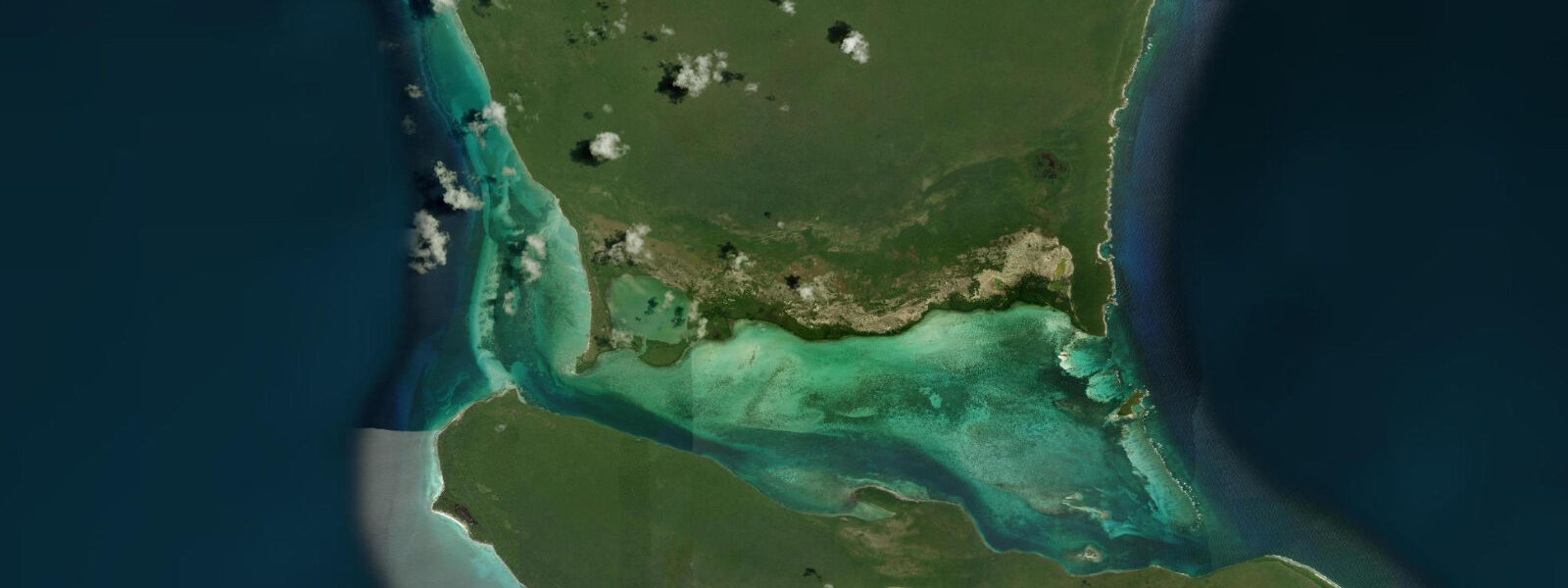
Saona Island, La Altagracia tide times
Saona Island, La Altagracia tide forecast — heights relative to MSL.
Today's tide times for Saona Island, La Altagracia
Tide times at Saona Island, La Altagracia on Monday, 3 August 2026: first low tide at 07:00am. Sunrise 06:13am, sunset 07:08pm.
Tide chart for Saona Island, La Altagracia
24-hour cosine-interpolated curve around the present moment. Heights relative to MSL. Predictions: Predictions: Open-Meteo Marine (MeteoFrance SMOC, 0.08° grid).
Sun, moon and conditions on Mon 03 Aug
Snapshot at build time — refreshes daily. Sea state from Open-Meteo Marine.
Highs and lows next 7 days
Every predicted high and low for the next week, with the daily tidal coefficient (0–120; higher = bigger swing, > 95 means stronger currents).
Other spots nearby
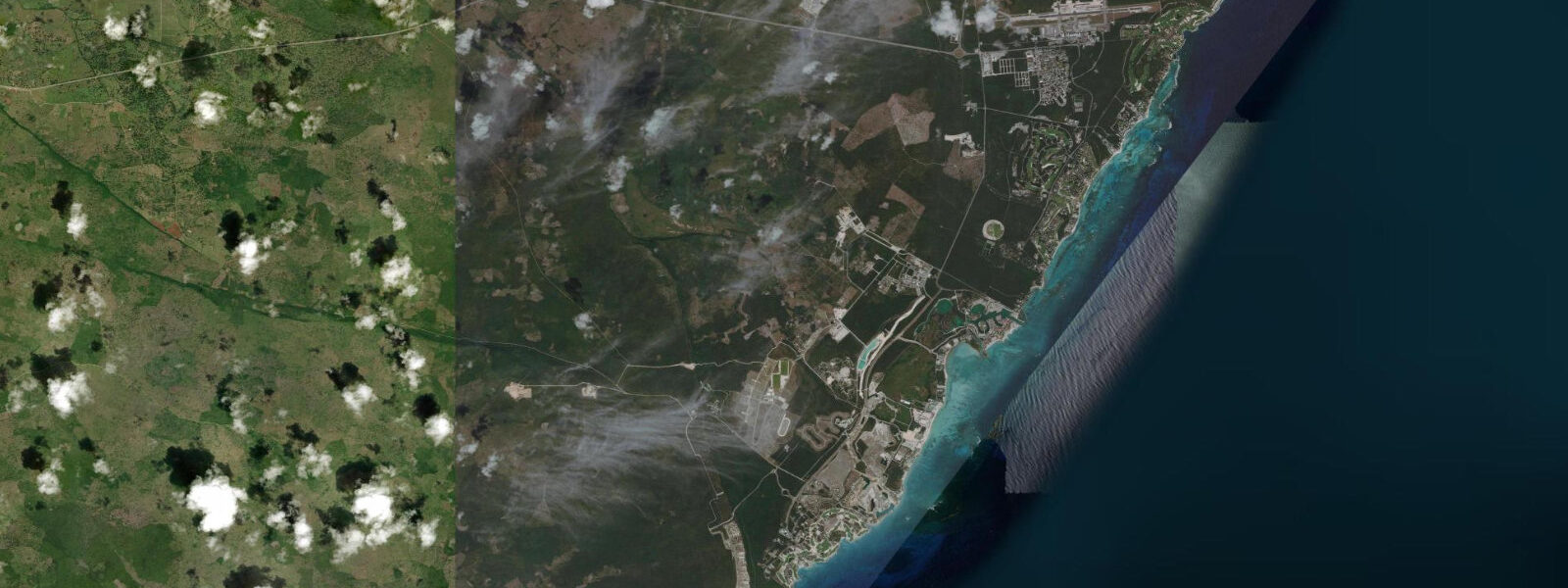
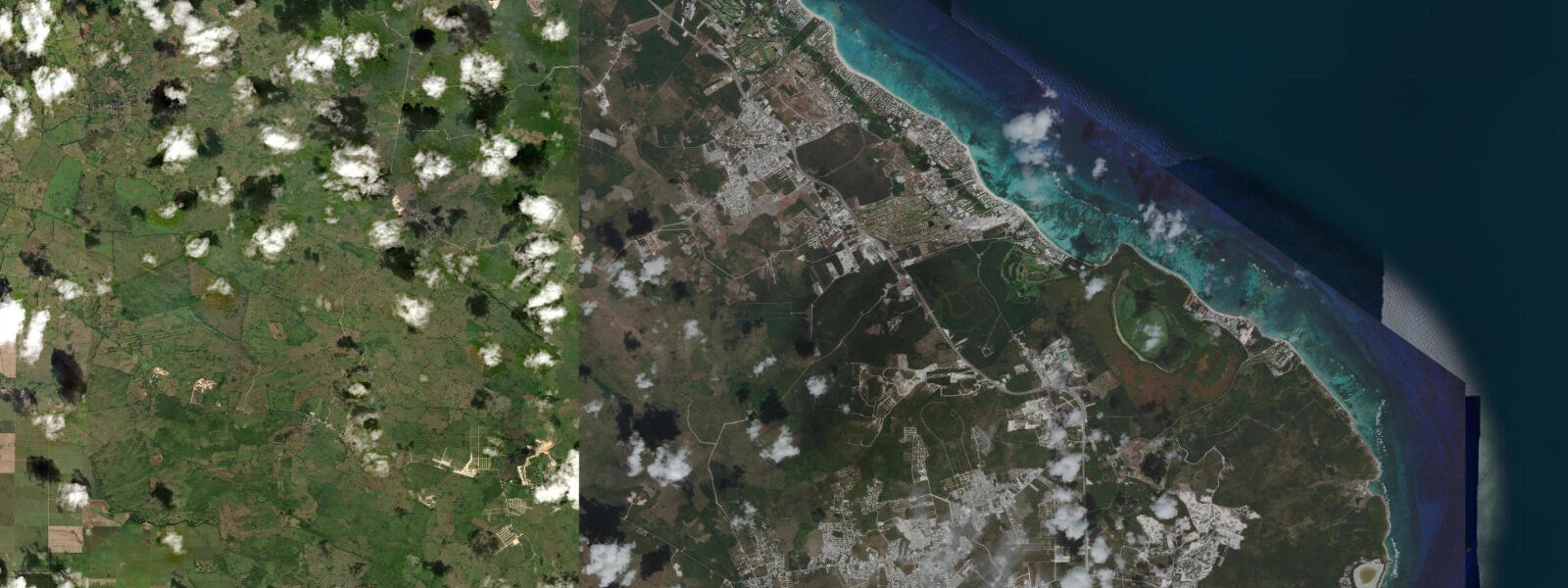
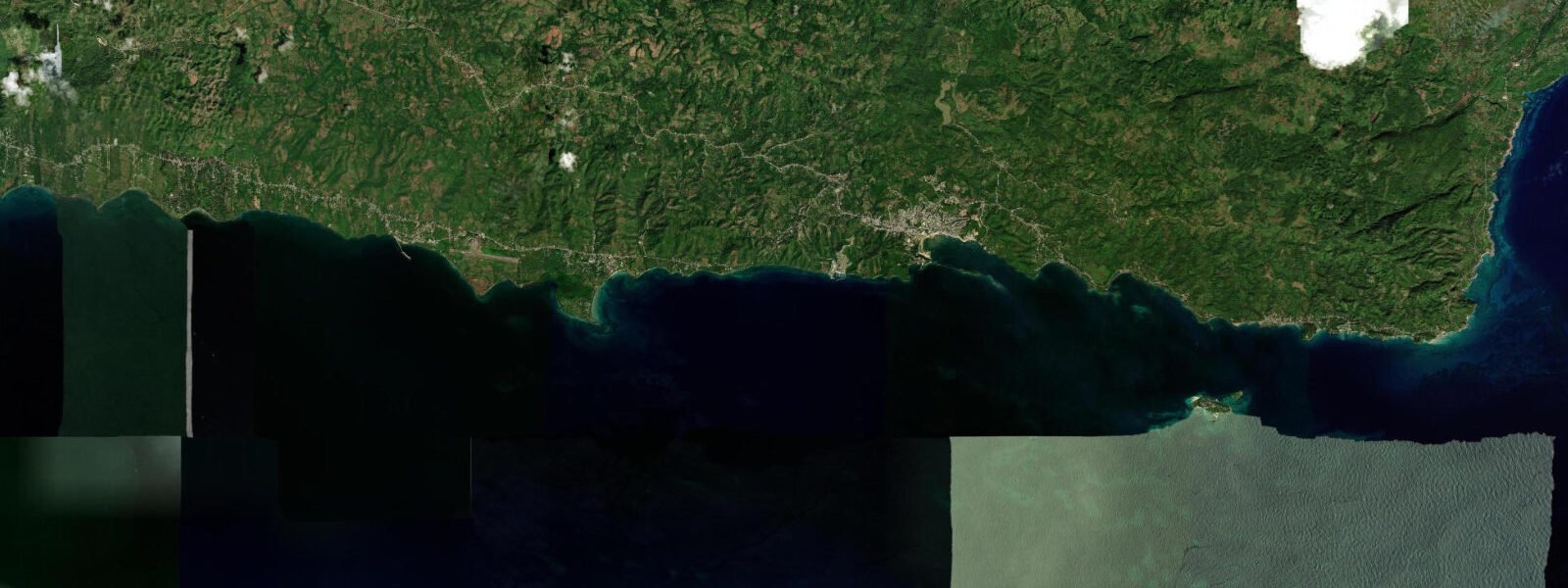
The three closest curated TideTurtle locations to Saona Island, La Altagracia, measured by great-circle distance.
Today's solunar windows
Solunar tradition: major periods are the ≈3h windows around moon transit and opposition; minor are ≈2h around moonrise and moonset. Pair with the local tide stage and wind for the best read.
About tides at Saona Island, La Altagracia
A short guide to the coastline at Saona Island, La Altagracia — geography, sea state, and what the tide is actually doing under your feet.
Isla Saona lies at the southeastern tip of the Dominican Republic, 30 km offshore from the coastal town of Bayahibe, within the Parque Nacional del Este — the Eastern National Park. At 110 km², it is the largest island in the park and one of the least-developed Caribbean islands of its size. The resident population lives almost entirely in Mano Juan, a small fishing community on the southern coast. The rest of the island is protected forest, mangrove channel, and beach.
The tidal regime is Caribbean microtidal: mean spring range 0.2–0.4 m, with the pattern governed by the diurnal inequality common to this region — one tide per day is often larger than the other by a meaningful margin, creating low-water events that vary in depth from day to day. Understanding which low tide is the deeper one matters for Saona's signature offshore feature, the Piscina Natural.
The Natural Pool — Piscina Natural — is a shallow sandbar approximately 3 km north of Saona's north coast, sitting in the channel between the island and the mainland Dominican Republic. At low tide, the sandbar is exposed as a broad, flat platform in 0.3–0.8 m of water. Depending on the tidal cycle, the deeper low-water events reduce depth to the lower end of that range, producing a standing pool environment where the bottom is clearly visible, the water temperature runs 28–30°C, and Caribbean reef starfish (Oreaster reticulatus) are visible across the sand in numbers. The sandbar is at its most visually striking — and most photographed — when the water is shallow enough to walk on the outer edges and deep enough to swim in the centre. That window aligns with the two hours either side of the lower low tide.
Day-trip catamarans and speedboats from Bayahibe and La Romana stop at the Natural Pool as part of the standard Saona run. The catamaran route typically takes three to four hours each way with the pool stop; the speedboat route is faster. The pool is most crowded from 10:00 to 13:00 when multiple boat tours overlap. For a less crowded experience, the earliest departures from Bayahibe (around 07:00) and the latest returns (around 16:00) cut the crowd overlap significantly. The tide doesn't wait for the boat schedule — checking the day's low-tide time before booking a tour is worth the two minutes it takes.
Playa de la Saona, the main beach on the north coast, runs 10 km with palm-lined white sand and water that shades from pale turquoise near the shore to deep blue at the channel's edge. The beach is exposed to the northeast trade wind, which keeps temperatures manageable but also builds a small chop at the shoreline — nothing that disrupts swimming, but enough to notice. At low tide, the beach gains 10–15 m of additional dry sand along its full length, and the water at the shoreline drops from waist-deep to knee-deep across the shallows.
Mano Juan on the south coast is the working half of Saona. The community has a small school, a church, a handful of restaurants, and the fishing infrastructure — nets drying on lines, boats hauled up above the tideline, the quiet routine of a place that has been largely self-contained for generations. The restaurants serve fresh catch at direct prices; lobster, snapper, and conch are common. Visiting Mano Juan requires arriving by boat — the infrastructure for independent land transit does not exist.
The Parque Nacional del Este extends from Saona north to the mainland coast near Bayahibe and includes the Caño Hondo, the mangrove channel system accessible by shallow-draft boat. The channels wind through red mangrove forest with a canopy that closes overhead in the narrower sections, providing habitat for frigatebirds, pelicans, herons, and land crabs. The water depth in the channels varies with the tide — at low water, some of the narrower channels become too shallow for motor craft and require poling or paddling. The best mangrove transit window is two hours either side of mid-tide, when depth is adequate throughout the system but the water is clear enough to see the bottom.
Anglers working Saona's surrounding waters target yellowfin tuna, mahi-mahi, wahoo, and barracuda in the channel and offshore drop-offs. The reef structures at the eastern tip of the island hold grouper and snapper. The tidal current in the channel between Saona and the mainland runs noticeably during the tidal change — experienced local guides time the drift for fishing productivity.
For photographers, the combination of Piscina Natural at shallow low water, the Mano Juan waterfront at golden hour, and the uninterrupted north-coast palm line at Playa de la Saona gives three distinct visual opportunities in a single day-trip, provided the boat schedule aligns with the tide.
Tide data for Saona Island, La Altagracia comes from the Open-Meteo Marine API, a gridded model product. Timing accuracy is ±45 minutes, height accuracy ±0.3 m — usable for trip planning, not for navigation.
Tide questions about Saona Island, La Altagracia
Quick answers to the most common questions about tide times, range, and water access at Saona Island, La Altagracia.
When is the Piscina Natural at its most shallow, and does the tide time affect the experience?
The Piscina Natural sandbar is at its most dramatic during the lower low tide of the day — when Caribbean diurnal inequality produces a deeper tidal drop, the water over the bar reaches 0.3–0.5 m, making the sandbar walkable at the edges and producing the knee-deep standing-pool environment that the location is known for. During the higher low tide, the bar sits in 0.6–0.8 m of water — still visible and swimmable, but less striking. The tidal range is small (mean spring 0.2–0.4 m), so the difference is not dramatic, but it is consistent. Checking the tide table for the day's lower low-tide time and booking a departure from Bayahibe that puts you at the pool within 90 minutes of that time maximises the shallow-water window.
Is it possible to visit Saona Island independently, or are boat tours the only option?
Boat transport is the only practical option — Isla Saona has no bridge, no ferry terminal with public service, and no scheduled independent transport. Day-trip catamarans and speedboats operate from Bayahibe (30 km north) and La Romana, typically departing 07:00–09:00 and returning 15:00–17:00. Bayahibe is the closer and cheaper departure point. Private charter boats are bookable for smaller groups wanting earlier departures or flexible timing. The park entrance fee for Parque Nacional del Este is collected at the pier. Visiting Mano Juan on the south coast rather than only the north-coast beach and Natural Pool requires a boat willing to make the additional transit — most group tours do not include it.
What marine life can be seen at the Piscina Natural and around Saona Island?
The Piscina Natural sandbar is best known for Caribbean reef starfish (Oreaster reticulatus), which aggregate on the sand in the shallow water — most visible at low tide when the water is clearest and the bottom is shallowest. Avoid handling or removing them; they are protected within Parque Nacional del Este. The reef structures at Saona's eastern tip hold grouper, snapper, and small reef fish; the deeper channel produces barracuda and occasional mahi-mahi. Bottlenose dolphins have been recorded in the channel between Saona and the mainland. The mangrove channels of Caño Hondo shelter juvenile reef fish, land crabs, and wading birds. Visibility in the channel fluctuates with tidal current — the clearest window is during slack water immediately after the tidal change completes.
What is the best time of year to visit Saona Island for calm water and good snorkelling?
The calmest conditions on the north coast of Saona and in the Saona channel run from April through October, when the northeast trade wind moderates and North Atlantic swell is at its lowest. November through March brings stronger trades and occasional swell pulses — the Natural Pool remains viable (its sandbar location in the channel gives it some shelter), but Playa de la Saona has more chop at the shoreline. Snorkelling at the eastern reef structures is best April–October when visibility in the channel runs 10–20 m. Water temperature is 27–30°C year-round. Avoid the peak rainy season weeks in late May and October if weather consistency matters, though passing squalls clear quickly on this coast.
What is Mano Juan, and is it worth visiting as part of a Saona day trip?
Mano Juan is the only permanent community on Isla Saona — a small fishing village on the south coast with a school, a church, and a handful of open-air restaurants. The population numbers in the low hundreds. Visiting Mano Juan adds 30–45 minutes of additional boat transit from the north coast or Natural Pool but gives a completely different read on the island: working fishing boats, nets on the dock, fresh catch served at waterfront tables at direct prices (lobster, snapper, and conch are typical). The village has a direct, functional character that contrasts sharply with the resort-adjacent experience at the Natural Pool. Most group tours bypass Mano Juan — to include it, book a private charter or a smaller-group tour that lists it explicitly on the itinerary.
6-day tide table — Saona Island, La Altagracia
Heights relative to MSL. Predictions: Open-Meteo Marine (MeteoFrance SMOC, 0.08° grid) — heights relative to MSL (not chart datum / LAT). Model-derived.
| Day | Type | Time | Height |
|---|---|---|---|
| Mon 03 Aug | Low | 07:00 | 0.4m |
| Tue 04 Aug | High | 17:00 | 0.5m |
| Wed 05 Aug | — | ||
| Thu 06 Aug | — | ||
| Fri 07 Aug | — | ||
| Sat 08 Aug | Low | 08:00 | 0.2m |
| High | 19:50 | 0.6m | |