Bávaro, La Altagracia tide times
Bávaro, La Altagracia tide forecast — heights relative to MSL.
Today's tide times for Bávaro, La Altagracia
Tide times at Bávaro, La Altagracia on Tuesday, 4 August 2026: first low tide at 06:00am, first high tide at 12:45pm, second low tide at 06:50pm. Sunrise 06:12am, sunset 07:07pm.
Tide chart for Bávaro, La Altagracia
24-hour cosine-interpolated curve around the present moment. Heights relative to MSL. Predictions: Predictions: Open-Meteo Marine (MeteoFrance SMOC, 0.08° grid).
Sun, moon and conditions on Tue 04 Aug
Snapshot at build time — refreshes daily. Sea state from Open-Meteo Marine.
Highs and lows next 7 days
Every predicted high and low for the next week, with the daily tidal coefficient (0–120; higher = bigger swing, > 95 means stronger currents).
Other spots nearby
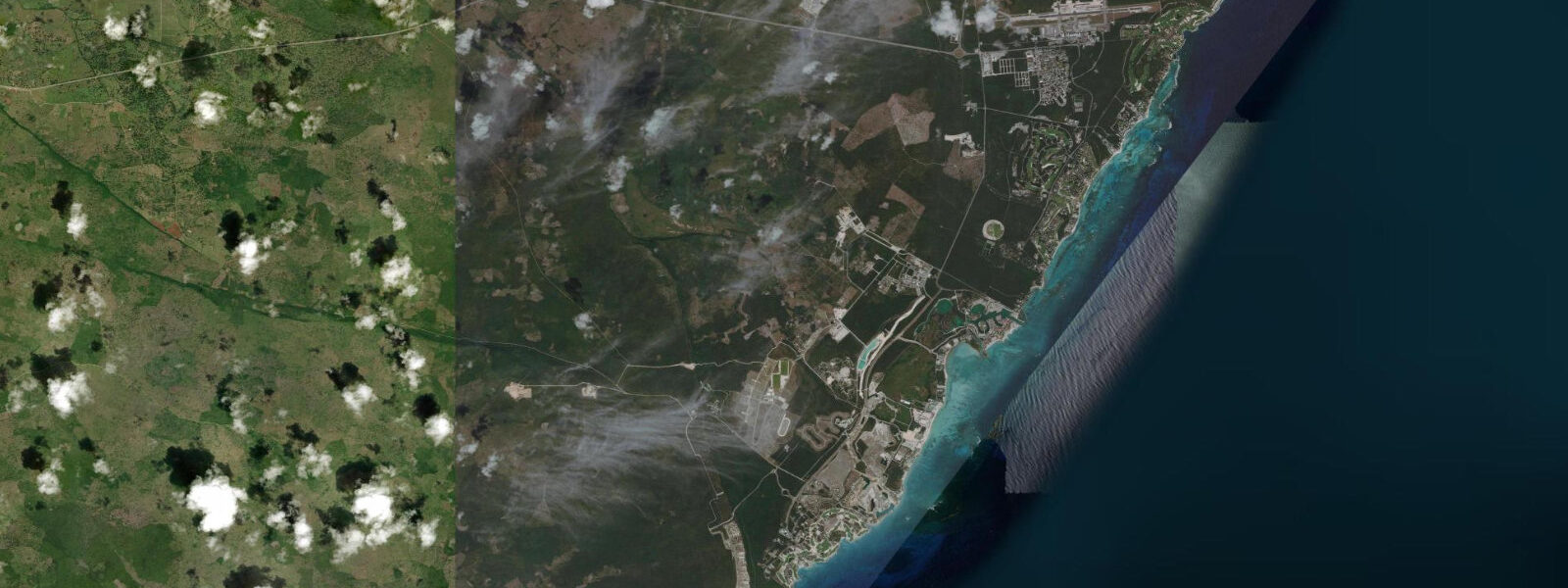
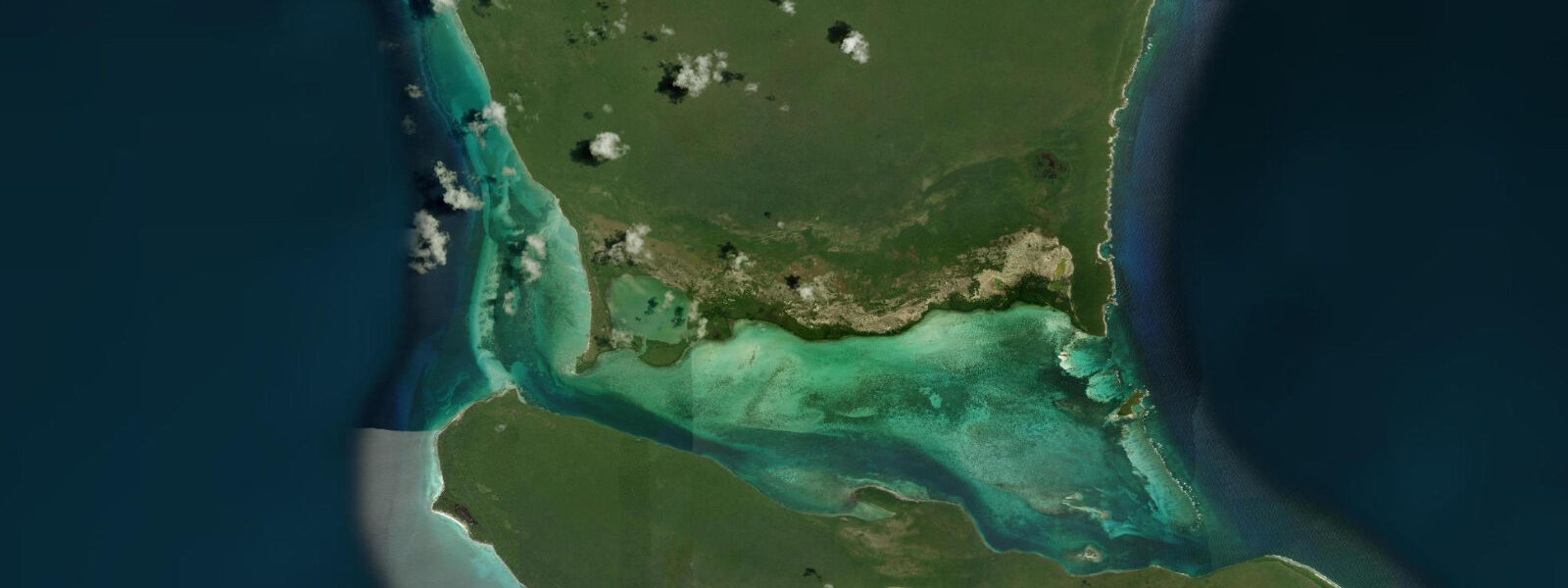
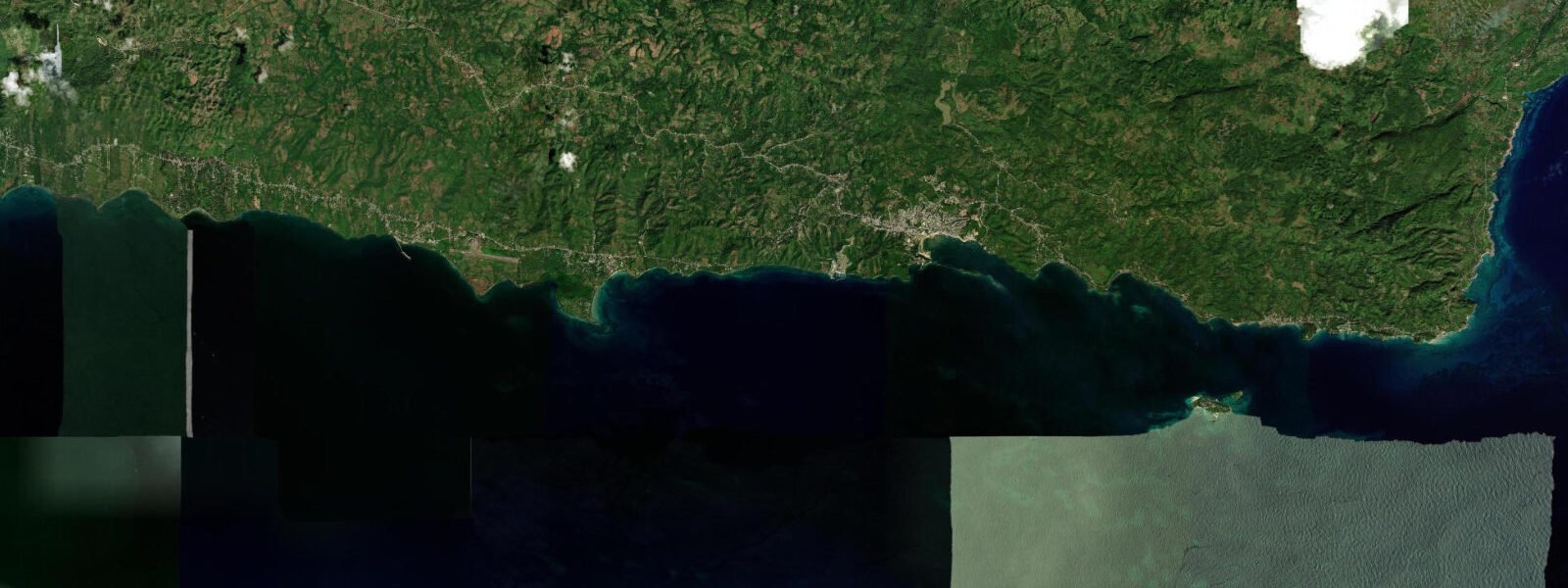
The three closest curated TideTurtle locations to Bávaro, La Altagracia, measured by great-circle distance.
Today's solunar windows
Solunar tradition: major periods are the ≈3h windows around moon transit and opposition; minor are ≈2h around moonrise and moonset. Pair with the local tide stage and wind for the best read.
Cycle dates near Bávaro, La Altagracia
Next spring tide on Sun 09 Aug (range 0.7m). Next neap on Tue 04 Aug.
Spring tides cluster around new and full moons (biggest swings). Neap tides land on quarter moons (smallest swings). See the spring tide and neap tide glossary entries for the why.
About tides at Bávaro, La Altagracia
A short guide to the coastline at Bávaro, La Altagracia — geography, sea state, and what the tide is actually doing under your feet.
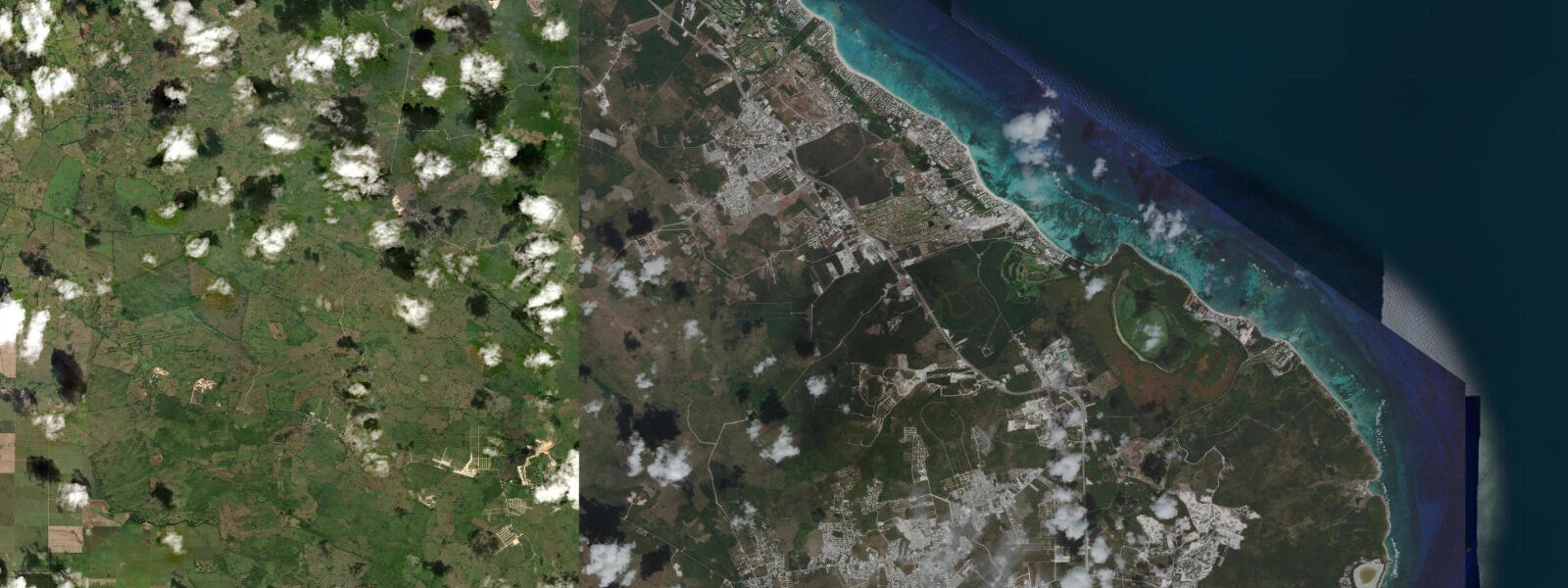
Bávaro sits on the east-facing coastline of La Altagracia province, running north from the Arena Gorda beach to the fishing village of El Cortecito — roughly 8 km of pale-sand shoreline backed by resort hotels at one end and open-air seafood restaurants on the sand at the other. The tidal regime here is Caribbean microtidal: mean spring range 0.2–0.4 m, with the low typically arriving in the early morning and the high in the early afternoon. Those small numbers matter more than they might seem, because the beach geometry amplifies them at the waterline.
The Atlantic and Caribbean meet near this stretch of coast, channelled by the Mona Passage to the northwest. That mixing gives Bávaro a northeast trade-wind swell that arrives consistently at 0.5–1.0 m, rising to 1.5 m and occasionally higher from November through February when North Atlantic storm systems push pulses down the passage. The fringing coral reef lying 200–400 m offshore does much of the filtering work — it absorbs wave energy before it reaches the beach, which is why the water inside the reef stays calm enough for families and stand-up paddlers most of the year. The outer edge of that reef, reachable by snorkel in 10–15 minutes, is a different environment: stronger surge, faster current, and coral structures that reward the effort.
At low water, the reef flat at the southern end of Bávaro — closest to El Cortecito village — becomes partially exposed. The exposed sections are walkable at a careful pace; the substrate is rough and irregular, so reef shoes are standard. The tidal pools left in the reef hollows hold small fish, urchins, crabs, and occasional octopus. The exposure window is roughly 90 minutes either side of low tide. That same low-water period pushes the surf break further out, which makes the inside area gentler for small children and removes the shore-break risk that builds near high water when the reef flat is submerged and waves travel further before breaking.
El Cortecito itself operates on a different rhythm from the hotel zone to the south. The village section of the beach has local fishing boats pulled up on the sand in the morning, small restaurants built on the waterfront, and the kind of ad-hoc commerce that pre-dates the resort infrastructure by decades. Anglers working from El Cortecito target mahi-mahi, wahoo, and yellowfin tuna offshore — the drop to deep water beyond the reef is abrupt, and the productive pelagic grounds are accessible within 30–45 minutes by panga. Early morning low water is when the local boat traffic is highest and the light for photography is sharpest — that combination of activity, low-angle sun over the Atlantic, and the reef flat texture in the foreground makes El Cortecito at dawn one of the better landscape windows on this coast.
Arena Gorda, at the south end of the beach arc, is the hotel-zone section — wider, more manicured, and protected by a longer reef arm that keeps the wave energy low even in winter. At spring low tide, 15–20 m of additional dry sand appears at the waterline across both sections of the beach, making the morning beach walk between El Cortecito and Arena Gorda the best daily timing.
For paddlers, the inside reef channel is the flatwater zone — protected from swell, readable currents, and long enough to run a decent distance without doubling back. Kayak and SUP rentals operate from both the hotel beach and El Cortecito. The recommended window is two hours around low tide, when the reef flat creates an additional buffer against any surge crossing the outer reef.
Eight kilometres west, the Hoyo Azul cenote at Scape Park is worth noting for context: it is a freshwater sinkhole with vivid blue water fed by the limestone aquifer of the Higuamo peninsula — no tidal connection to the sea, no salt water, no marine life. The blue colour comes from depth and refraction, not from any marine mix. It is a completely different experience from the reef and beach, but useful for families who want a calm-water swim day separate from ocean conditions.
Punta Cana International Airport is 15 km south — the scale of the resort infrastructure here is built on that access, and flight arrivals peak mid-afternoon. The beach is least crowded at the bookend hours: before 09:00 and after 17:00. Both are also the best tide-watching windows on most days.
Tide data for Bávaro, La Altagracia comes from the Open-Meteo Marine API, a gridded model product. Timing accuracy is ±45 minutes, height accuracy ±0.3 m — usable for trip planning, not for navigation.
Tide questions about Bávaro, La Altagracia
Quick answers to the most common questions about tide times, range, and water access at Bávaro, La Altagracia.
What is the tidal range at Bávaro beach, and does it affect swimming conditions?
The mean spring tidal range at Bávaro is 0.2–0.4 m — one of the smallest tidal ranges in the Caribbean. That said, it does affect the beach. At low tide, the reef flat near El Cortecito becomes partially exposed, the inside channel gets shallower, and the shoreline moves 15–20 m seaward across the sand. The practical effect for swimmers is that low water produces the calmest inside conditions, because the reef flat provides a second line of swell absorption. Near high water, waves travel further over the submerged reef before breaking, which creates a more active shore-break. For families with small children, the two hours around low tide give the calmest waterline.
When is the best time to explore the tidal pools near El Cortecito?
The reef flat south of El Cortecito village is accessible for about 90 minutes either side of low tide — roughly a three-hour window. The pools retain seawater as the tide drops, and you will find small reef fish, sea urchins, hermit crabs, and occasionally octopus in the deeper hollows. Reef shoes are essential; the coral substrate is irregular and sharp in places. The earliest morning low tides (which occur on a rotating schedule — check the tide table for exact times) combine pool access with good photographic light. Avoid bare feet and avoid turning coral heads — both damage the reef and the latter stirs up sediment that reduces visibility in the pools.
Is Bávaro sheltered enough for stand-up paddleboarding year-round?
The inside reef channel at Bávaro is one of the more consistently manageable SUP environments on the Dominican Republic's east coast, because the fringing reef 200–400 m offshore breaks the dominant northeast trade-wind swell before it reaches the beach. In winter (November–February), offshore swell can reach 1.5 m and the reef does not suppress all the energy — on days with noticeable chop inside the reef, SUP is feasible but requires a higher skill level. The calmer season runs March through October. The best daily window is two hours around low tide, when the reef flat provides additional buffering. SUP rentals are available from both El Cortecito and the hotel-zone beach at Arena Gorda.
How does the Atlantic swell at Bávaro compare to the south coast of the Dominican Republic?
Bávaro sits on the eastern coastline where the Mona Passage channels Atlantic swell from the northeast — the character is mixed Atlantic-Caribbean. The south coast faces the open Caribbean Sea, which is generally more sheltered from North Atlantic storm systems. At Bávaro, the consistent trade-wind swell runs 0.5–1.0 m with higher periods in winter (November–February) when North Atlantic storms generate pulses of 1.5 m or above. The fringing reef filters much of this before it reaches the beach. The result is that the beach inside the reef is comparable in calm to many south-coast locations, while the outer reef edge sees significantly more energy and swell definition — better for surfing and drift snorkelling.
What is El Cortecito, and how is it different from the main resort beach?
El Cortecito is the northern village section of the Bávaro beach arc — a fishing community that predates the resort development and retains its own character. The waterfront has locally owned restaurants built directly on the sand, fishing pangas pulled up in the mornings, and informal markets selling craft goods. The contrast with Arena Gorda to the south (the hotel-zone beach, wider and more manicured) is immediate. El Cortecito's restaurants serve fresh catch — mahi-mahi, wahoo, and lobster are common — cooked to order at prices below the hotel zone. For anglers, local pangas run offshore charters targeting pelagic species beyond the reef drop-off, typically departing at 06:00–07:00. The village section of the beach is also where the best tidal pool access sits, on the reef flat at the south edge of El Cortecito.
7-day tide table — Bávaro, La Altagracia
Heights relative to MSL. Predictions: Open-Meteo Marine (MeteoFrance SMOC, 0.08° grid) — heights relative to MSL (not chart datum / LAT). Model-derived.
| Day | Type | Time | Height |
|---|---|---|---|
| Tue 04 Aug | Low | 06:00 | 0.1m |
| High | 12:45 | 0.5m | |
| Low | 18:50 | 0.3m | |
| Wed 05 Aug | High | 00:15 | 0.5m |
| Low | 19:50 | 0.3m | |
| Thu 06 Aug | High | 01:00 | 0.5m |
| Low | 07:18 | 0.1m | |
| High | 14:45 | 0.6m | |
| Low | 21:15 | 0.3m | |
| Fri 07 Aug | High | 01:54 | 0.4m |
| Low | 08:18 | 0.1m | |
| High | 15:45 | 0.7m | |
| Sat 08 Aug | Low | 09:15 | 0.1m |
| High | 16:42 | 0.7m | |
| Sun 09 Aug | Low | 10:18 | 0.0m |
| High | 17:42 | 0.7m | |
| Mon 10 Aug | Low | 11:20 | 0.0m |
| High | 19:00 | 0.7m |