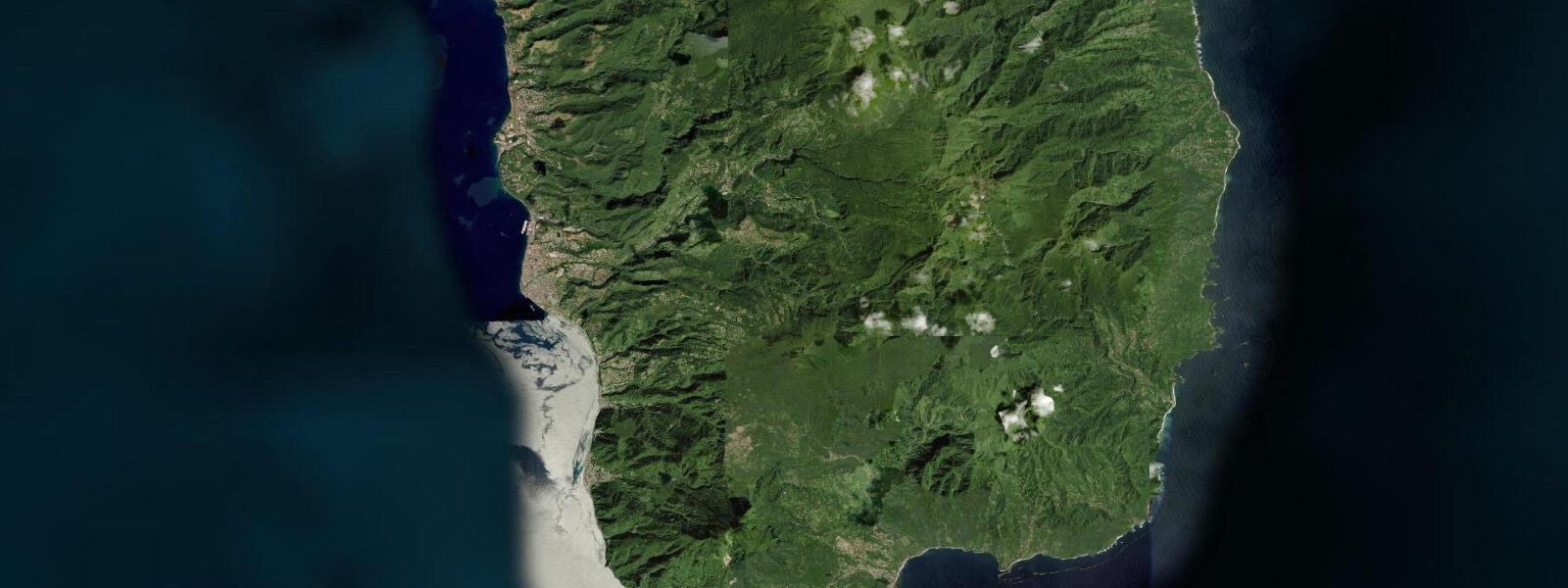
Scott's Head, Dominica tide times
Scott's Head, Dominica tide forecast — heights relative to MSL.
Tide chart for Scott's Head, Dominica
24-hour cosine-interpolated curve around the present moment. Heights relative to MSL. Predictions: Predictions: Open-Meteo Marine (MeteoFrance SMOC, 0.08° grid).
Sun, moon and conditions on Tue 04 Aug
Snapshot at build time — refreshes daily. Sea state from Open-Meteo Marine.
Highs and lows next 7 days
Every predicted high and low for the next week, with the daily tidal coefficient (0–120; higher = bigger swing, > 95 means stronger currents).
Other spots nearby
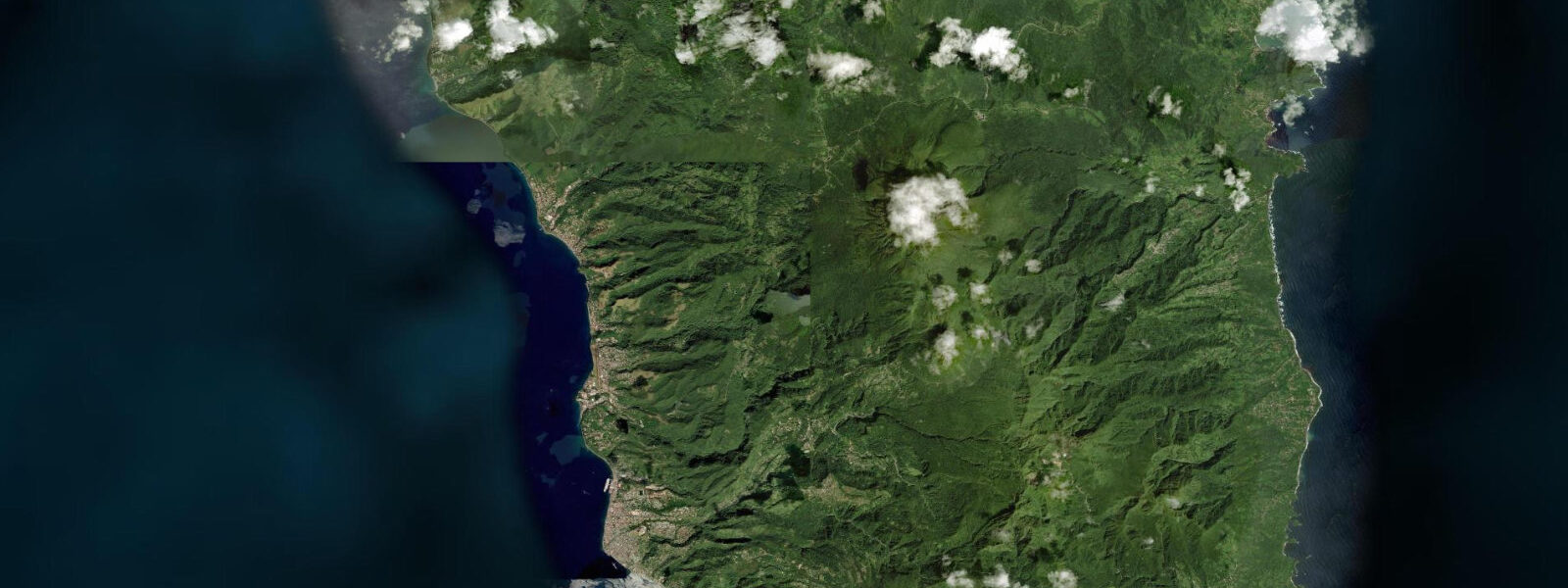
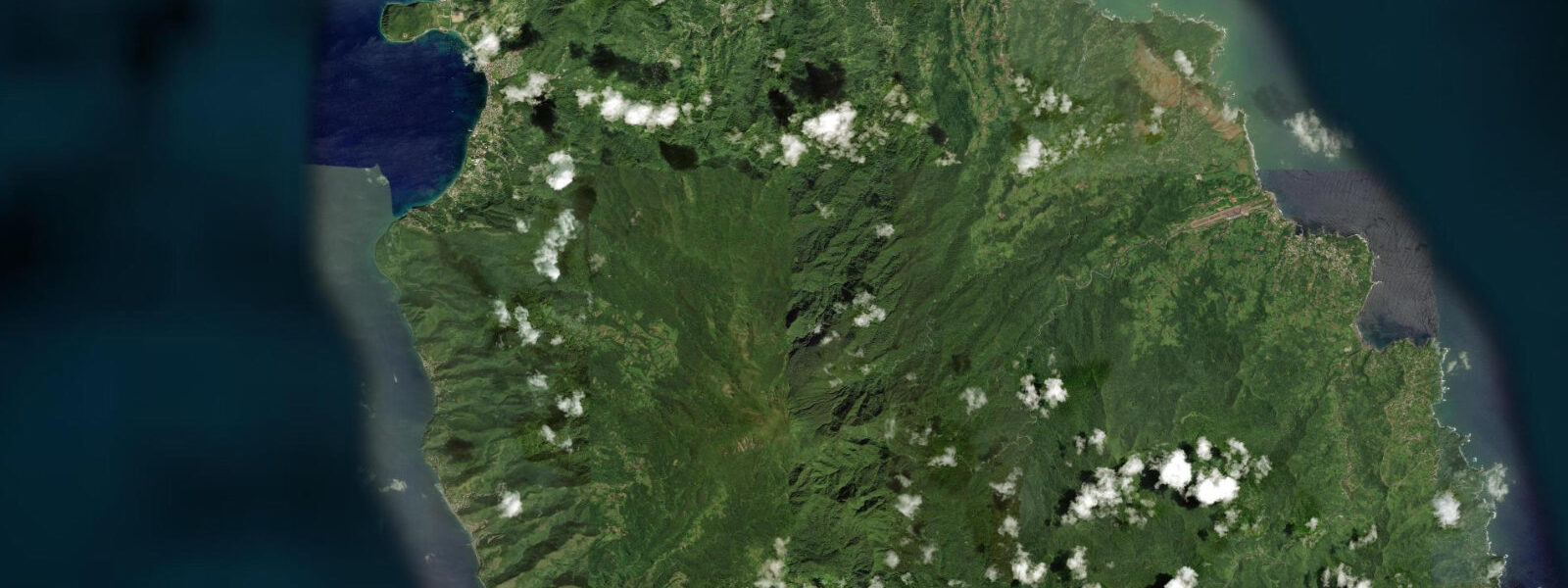
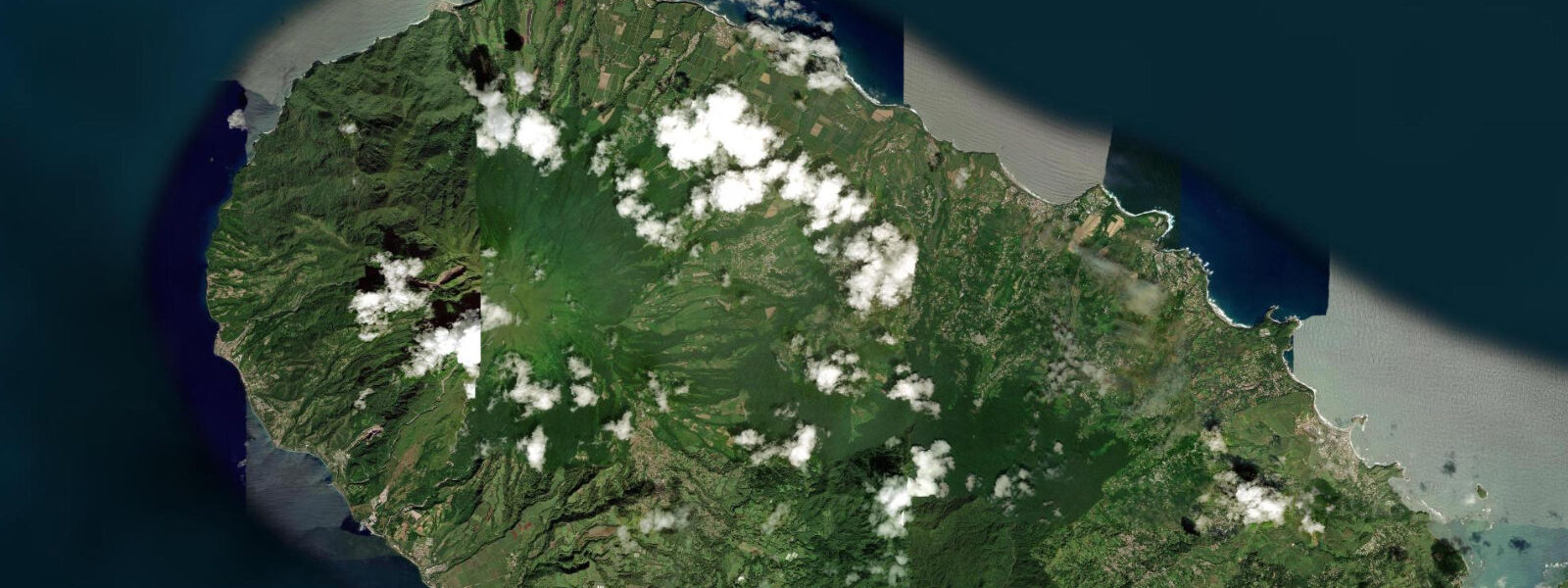
The three closest curated TideTurtle locations to Scott's Head, Dominica, measured by great-circle distance.
Today's solunar windows
Solunar tradition: major periods are the ≈3h windows around moon transit and opposition; minor are ≈2h around moonrise and moonset. Pair with the local tide stage and wind for the best read.
About tides at Scott's Head, Dominica
A short guide to the coastline at Scott's Head, Dominica — geography, sea state, and what the tide is actually doing under your feet.
Scott's Head is the southernmost point of Dominica, a narrow promontory where the Atlantic Ocean and the Caribbean Sea meet at the end of a low rocky headland. The village of Scott's Head sits at the base of the headland, a small fishing community of painted wooden houses on a narrow strip between the Caribbean beach to the west and the Atlantic shore to the east. The geographic position — ocean meeting on both sides, separated by a 50-metre ridge — is one of the most dramatic in the Windward Islands, and the diving in the Scott's Head Marine Reserve immediately offshore is considered among the best in the Caribbean.
The tidal regime at Scott's Head is at the hinge between two ocean bodies. The Caribbean side sees the standard leeward microtidal pattern, spring range 0.3 to 0.5 metres. The Atlantic side picks up a slightly larger tidal signal. The Scott's Head Pinnacle and the wall dive on the Atlantic-facing side sit in the current-rich zone where both ocean bodies interact; the tidal direction affects the current at the dive sites, and timing the tide turn for slack water is relevant for the pinnacle and the wall dives. The slack window is brief — 15 to 30 minutes at the turn of the tide — but it is the most comfortable window for deeper dives on the wall.
The Scott's Head Marine Reserve wall dive on the Atlantic face drops 60 metres vertically from 6 to 8 metres below the surface. The wall is covered with black coral, barrel sponges, sea fans, and wire coral. The current flowing over the headland creates an upwelling that concentrates nutrients; the fish diversity at the base of the wall reflects this, with large schools of creole wrasse, various snapper species, barracuda patrolling the water column, and regular passes of hawksbill turtles using the current-rich zone. In winter months, sperm whales that overwinter in the Dominica Passage — the channel between Dominica and Martinique to the south — occasionally pass close to the headland.
The Caribbean-facing west side of Scott's Head village has a black sand beach accessible from the road. Swimming conditions on the west side are calm in all but severe weather; the beach is the village swimming area and the launch point for local fishing pirogues. Snorkelling directly off the beach on the Caribbean side accesses moderate coral cover at 3 to 8 metres; the fish density increases toward the headland point where the reef gets more current and the species composition reflects the nutrient input from the south.
For anglers, the headland's tip — accessible on foot from the village — gives casting access to the current channel between the Atlantic and Caribbean. Barracuda, jacks, and occasional kingfish patrol the current edge; the turn of the tide when baitfish concentrate in the slack water is the most productive casting window. Shore casting from the east Atlantic side of the headland base requires care; the swell on the Atlantic face is unpredictable.
The Scott's Head promontory is a 20-minute walk from the village along the rocky ridge. Footwear is necessary; the ironshore at the tip is sharp and uneven. The view from the point in each direction — Caribbean northwest, Atlantic northeast — is one of the defining geographic experiences of the island.
Tide predictions for Scott's Head come from Open-Meteo Marine, a global gridded ocean model. Accuracy is typically within plus or minus 45 minutes on timing and 0.2 to 0.3 metres on height.
The Scotts Head Marine Reserve is part of the broader Dominica Marine Reserves system that covers several sections of the island's coast. The reserve boundaries prohibit fishing and anchoring within defined distances from the headland and the wall sites; the park ranger system that monitors compliance is based partly at the Scott's Head village. The combination of the no-take protection and the low boat traffic from the island's limited tourism has produced a fish density on the reserve walls that is noticeably higher than unprotected sections of the same coastal system.
Tide questions about Scott's Head, Dominica
Quick answers to the most common questions about tide times, range, and water access at Scott's Head, Dominica.
What is the tide range at Scott's Head?
Scott's Head sits at the junction of the Caribbean and Atlantic. The Caribbean west side sees the standard leeward microtidal spring range of 0.3 to 0.5 metres; the Atlantic east face is slightly larger. The current at the dive sites on the Atlantic wall is tide-driven; the tide turn produces a brief 15 to 30 minute slack window that is the most comfortable timing for deeper dives. Timing the Scott's Head wall dive to the tide turn is advised; dive operators from Roseau know the local current patterns and time their trips accordingly. Tide predictions come from Open-Meteo Marine — accuracy within plus or minus 45 minutes on timing and 0.2 to 0.3 metres on height.
Is the Scott's Head wall dive accessible from shore?
The wall dive on the Atlantic face of Scott's Head Marine Reserve requires a short boat trip from the Caribbean-side beach or from a dive boat anchored in the lee of the headland. The Atlantic face itself is too exposed for safe shore entry in most conditions. The Caribbean-side reef near the headland is accessible from the village beach and can be snorkelled from shore; the fish diversity near the headland tip is noticeably higher than the open west-coast reef. Dive operators from Roseau — Dive Dominica, Cabrits Dive Centre — run regular day trips to Scott's Head, typically timed to the tide slack window.
Can I see sperm whales near Scott's Head?
Sperm whales resident in the Dominica Passage — the channel between Dominica and Martinique — are the most reliable sperm whale population in the Caribbean, studied by the Dominica Sperm Whale Project since 2005. The whales feed in the deep water of the Passage, which passes close to Dominica's south and west coasts. Whale watch boats from Roseau run regularly; Scott's Head's position at the island's southern tip puts it close to the deepwater channel where the whales are most often encountered. Scott's Head is not itself a dive-with-whales site — that activity requires a specific permitted operator and conditions.
How do I get to Scott's Head from Roseau?
Scott's Head is approximately 15 kilometres south of Roseau on the main west coast road — a 20 to 30 minute drive through the villages of Loubière and Pointe Michel. The road is paved throughout. Buses from Roseau's bus terminal run south along the west coast road and pass through Scott's Head village; the journey takes 30 to 40 minutes on the bus. The village itself is small; the parking area at the base of the promontory is limited. Dive operators from Roseau run day trips that include Scott's Head in their dive programme — the boat transfer from Roseau is approximately 30 minutes.
What is the wildlife on the Scott's Head promontory?
The promontory ridge above Scott's Head village has dry scrub vegetation that supports Caribbean-endemic bird species including the purple-throated Carib hummingbird, Lesser Antillean bullfinch, and various warblers. The rocky coast at the headland tip has brown pelicans, magnificent frigate birds, and red-billed tropicbirds that nest in the cliff crevices. In the water on the Caribbean side, hawksbill turtles are regularly encountered snorkelling near the headland; nurse sharks rest under the deeper reef overhangs. The overlapping ocean bodies at the tip create a current-rich zone that attracts marine life not commonly seen on the open leeward coast.
7-day tide table — Scott's Head, Dominica
Heights relative to MSL. Predictions: Open-Meteo Marine (MeteoFrance SMOC, 0.08° grid) — heights relative to MSL (not chart datum / LAT). Model-derived.
| Day | Type | Time | Height |
|---|---|---|---|
| Tue 04 Aug | — | ||
| Wed 05 Aug | Low | 02:00 | 0.1m |
| High | 07:00 | 0.2m | |
| Low | 11:50 | 0.2m | |
| High | 19:00 | 0.4m | |
| Thu 06 Aug | — | ||
| Fri 07 Aug | Low | 05:00 | 0.1m |
| High | 20:50 | 0.4m | |
| Sat 08 Aug | Low | 06:10 | 0.0m |
| High | 22:00 | 0.5m | |
| Sun 09 Aug | Low | 07:10 | -0.0m |
| High | 23:00 | 0.5m | |
| Mon 10 Aug | Low | 07:50 | -0.0m |
| High | 19:00 | 0.3m | |