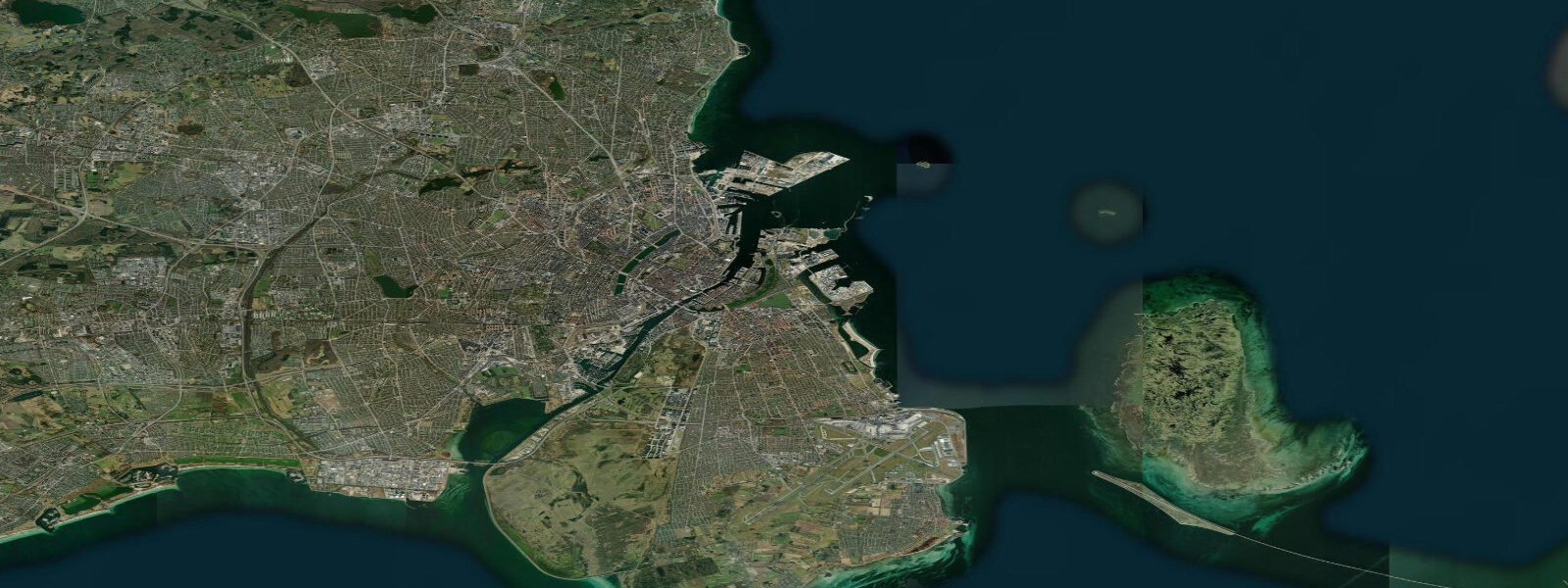
Copenhagen tide times
Copenhagen tide forecast — heights relative to MSL.
Today's tide times for Copenhagen
Tide times at Copenhagen on Wednesday, 29 July 2026: first high tide at 12:00pm. Sunrise 05:07am, sunset 09:23pm.
Tide chart for Copenhagen
24-hour cosine-interpolated curve around the present moment. Heights relative to MSL. Predictions: Predictions: Open-Meteo Marine (MeteoFrance SMOC, 0.08° grid).
Sun, moon and conditions on Wed 29 Jul
Snapshot at build time — refreshes daily. Sea state from Open-Meteo Marine.
Highs and lows next 7 days
Every predicted high and low for the next week, with the daily tidal coefficient (0–120; higher = bigger swing, > 95 means stronger currents).
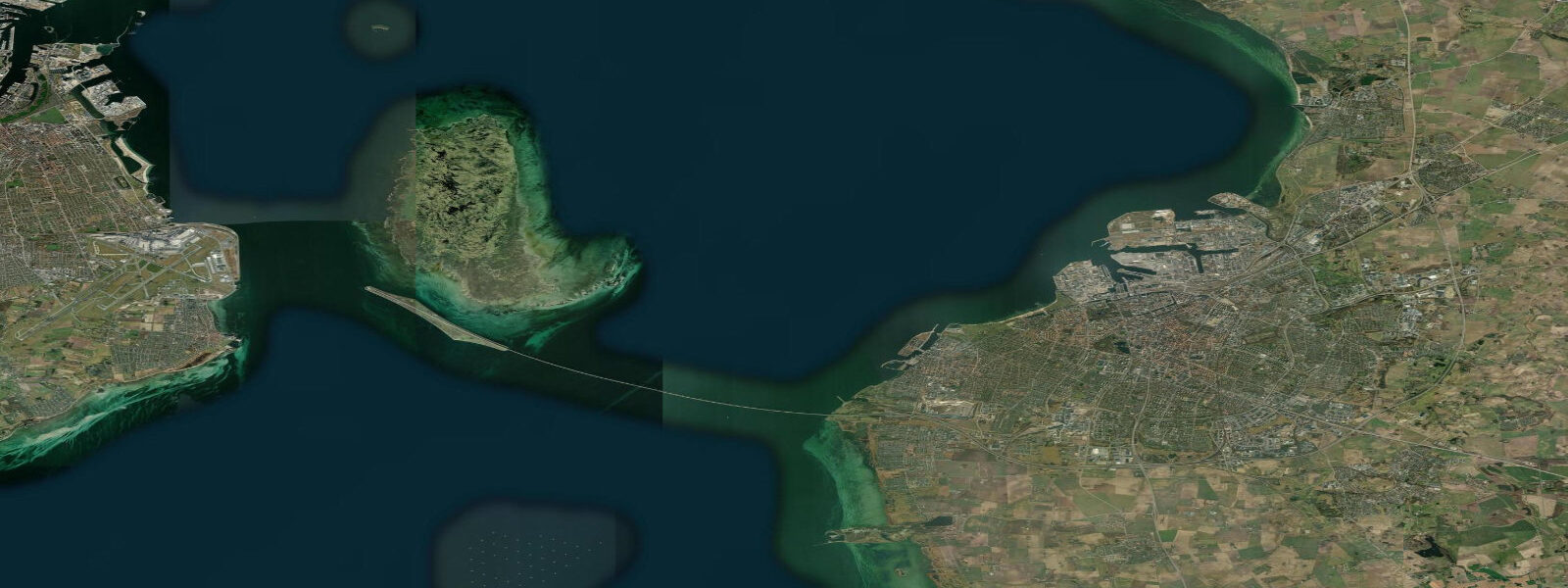
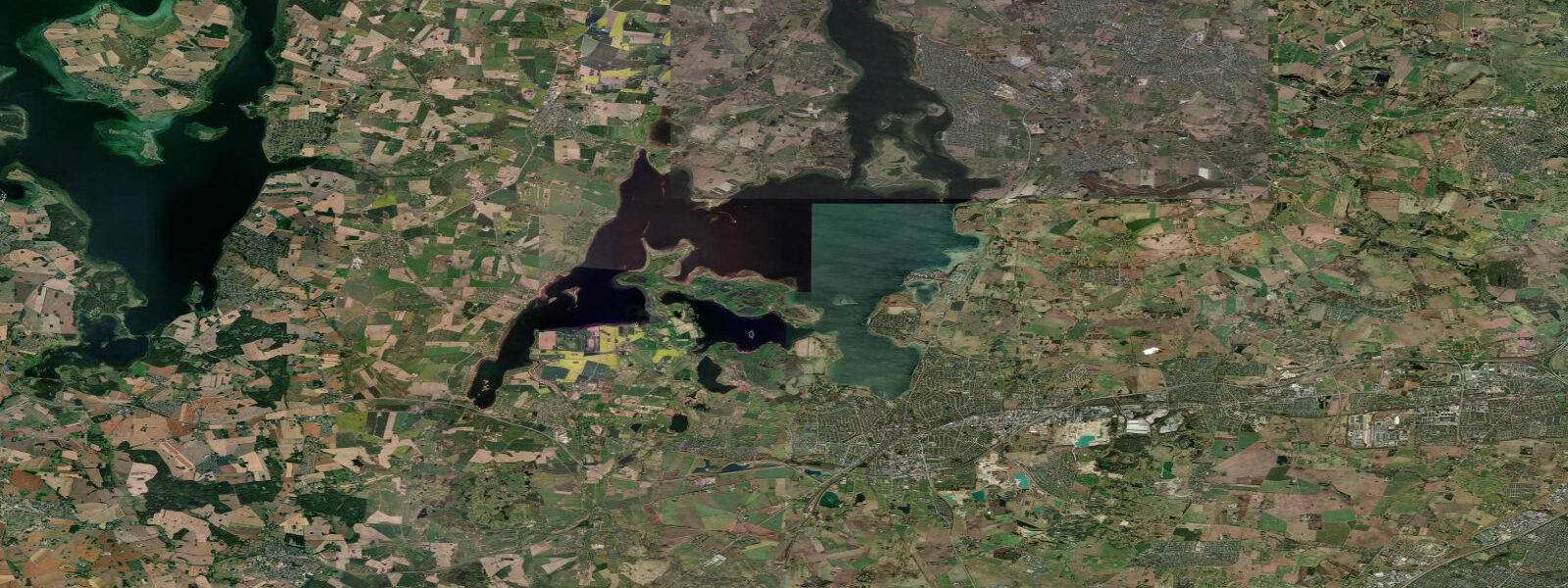
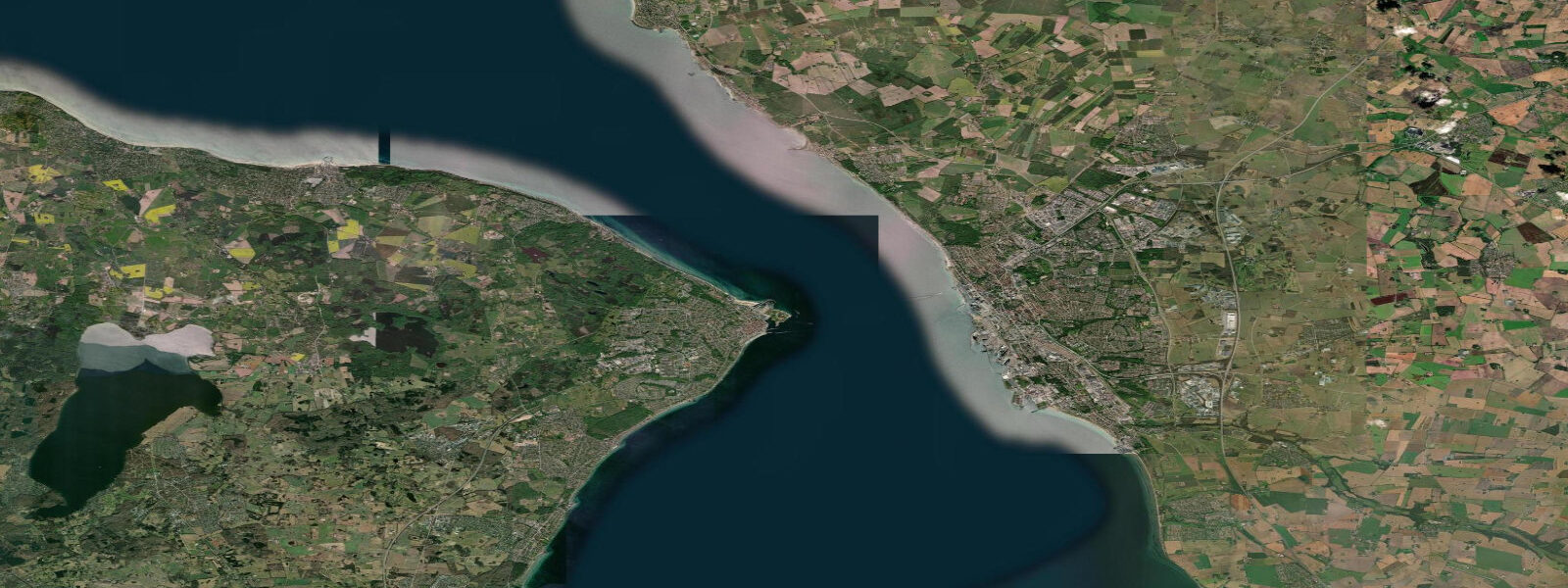
Other spots nearby
The three closest curated TideTurtle locations to Copenhagen, measured by great-circle distance.
Today's solunar windows
Solunar tradition: major periods are the ≈3h windows around moon transit and opposition; minor are ≈2h around moonrise and moonset. Pair with the local tide stage and wind for the best read.
About tides at Copenhagen
A short guide to the coastline at Copenhagen — geography, sea state, and what the tide is actually doing under your feet.
Copenhagen faces the Øresund strait from the western shore, the eleven-kilometre channel that separates Denmark from Sweden and connects the Kattegat to the Baltic proper. The tide here is small — genuinely small, not just modest. Mean astronomical range in the inner harbour is around 10 to 30 cm, which is close to the limit of what most people would call a tide at all.
The Baltic Sea is essentially enclosed, and the narrow connection to the North Sea via the Danish straits means the ocean tide dissipates almost entirely before it reaches Copenhagen. What moves the water at Amalienborg, along Nyhavn canal, or past the harbour-bath pontoons at Islands Brygge is primarily wind and atmospheric pressure, not the moon. A sustained southwesterly during an autumn storm can push water 50 cm or more above the mean — more than the entire predicted tide range, and in any direction depending on the wind.
That distinction matters if you are planning around a specific water level: the astronomical prediction is nearly irrelevant compared to the weather forecast. DMI (Danmarks Meteorologiske Institut) publishes the authoritative sea-level and storm-surge predictions for Danish waters and is the source to consult before any coastal activity that depends on precise water level at Copenhagen. The harbour-bath culture that has taken hold at Islands Brygge, Sandkaj in Nordhavn, and the newer pontoons in Sydhavn reflects the low-energy, low-tidal-range character of the Øresund coast.
The water moves slowly, the current is gentle, and the tidal variation is so small that the bathing platforms can be fixed infrastructure rather than floating pontoons designed to follow a two-metre rise and fall. Nyhavn canal reverses its slow current with wind shifts more than with any tidal signal. The Øresund Bridge to Malmö carries motorway and rail traffic above the strait; the current under the bridge and at the Drogden and Flinterenden channels either side of Saltholm Island is driven by the sea-level difference between the Kattegat and the Baltic, which wind and atmospheric pressure control.
Kayakers paddling out of Christianshavn or crossing the harbour approach at Refshaleøen read the wind forecast, not the tide table. Shore anglers along the Amager Strandpark and the Kastrup coast fish for flatfish, sea trout, and eels on the slow Øresund current; the water clarity in the outer Øresund is noticeably better than the inner harbour reach. The predictions on this page come from Open-Meteo Marine, a gridded global ocean model.
3 metres on height — can exceed the actual astronomical signal. Treat the predicted highs and lows as approximate, and weight DMI's sea-level and surge forecasts heavily.
Tide questions about Copenhagen
Quick answers to the most common questions about tide times, range, and water access at Copenhagen.
When is the next high tide at Copenhagen?
The hero block at the top of this page shows the next predicted high at Copenhagen in local Central European Time (CET/CEST, UTC+1/UTC+2). The astronomical tide range here is only 10 to 30 cm, so the 'high' and 'low' labels describe very small differences in water level. What actually moves the water level at Copenhagen is wind and atmospheric pressure. DMI (Danmarks Meteorologiske Institut) publishes authoritative sea-level and storm-surge forecasts for Danish waters — check them for any activity that depends on precise water level.
Why is the tide range so small at Copenhagen?
The Baltic Sea is nearly enclosed. The only ocean connection is through the narrow Danish straits (the Øresund, the Store Bælt, and the Lillebælt), which are too constricted to transmit much of the North Atlantic tidal energy. By the time the tidal wave reaches the inner Øresund and Copenhagen harbour, the mean range is down to 10 to 30 cm. The Baltic's own resonance generates a small residual tide, but it is easily swamped by wind-driven setup and storm surges. Autumn westerly storms regularly push water levels 50 cm or more above the mean — several times the entire predicted tide range.
Where do these tide predictions come from?
Open-Meteo Marine, a free gridded global ocean model. For a station with a tide range this small, the model's accuracy ceiling (typically plus or minus 45 minutes on timing and 0.2 to 0.3 metres on height) can be a significant fraction of the total signal. For authoritative Copenhagen sea-level and surge data, use DMI (Danmarks Meteorologiske Institut) — they operate the Danish coastal gauge network and publish storm-surge warnings.
Is it safe to swim and kayak in Copenhagen Harbour?
Copenhagen harbour swimming is well-established at Islands Brygge, Sandkaj (Nordhavn), and several other certified bathing sites operated by the municipality. The low tide range means the pontoon platforms stay at a predictable height year-round. Water quality in the inner harbour has improved dramatically since 2002. Current is gentle and tidal variation is minimal, so the main planning inputs are weather and wind — not the tide table. The Øresund crossing to Malmö via kayak is a different proposition: open water, commercial traffic, and sea-level current driven by Kattegat-Baltic pressure differences.
Is this safe to use for navigation?
No. For vessel operations in Copenhagen Harbour, the Øresund channel, or the Danish straits, use the official Danish Navigational Charts (Søkortafdelingen) and the Notices to Mariners published by the Danish Maritime Authority. Current through the Drogden and Flinterenden channels can run over one knot driven by pressure differences across the straits — not by the tide. DMI publishes real-time sea-level and forecast data for operational use.
8-day tide table — Copenhagen
Heights relative to MSL. Predictions: Open-Meteo Marine (MeteoFrance SMOC, 0.08° grid) — heights relative to MSL (not chart datum / LAT). Model-derived.
| Day | Type | Time | Height |
|---|---|---|---|
| Wed 29 Jul | High | 12:00 | -0.1m |
| Thu 30 Jul | — | ||
| Fri 31 Jul | — | ||
| Sat 01 Aug | — | ||
| Sun 02 Aug | Low | 06:10 | -0.2m |
| Mon 03 Aug | — | ||
| Tue 04 Aug | — | ||
| Wed 05 Aug | High | 01:00 | -0.1m |