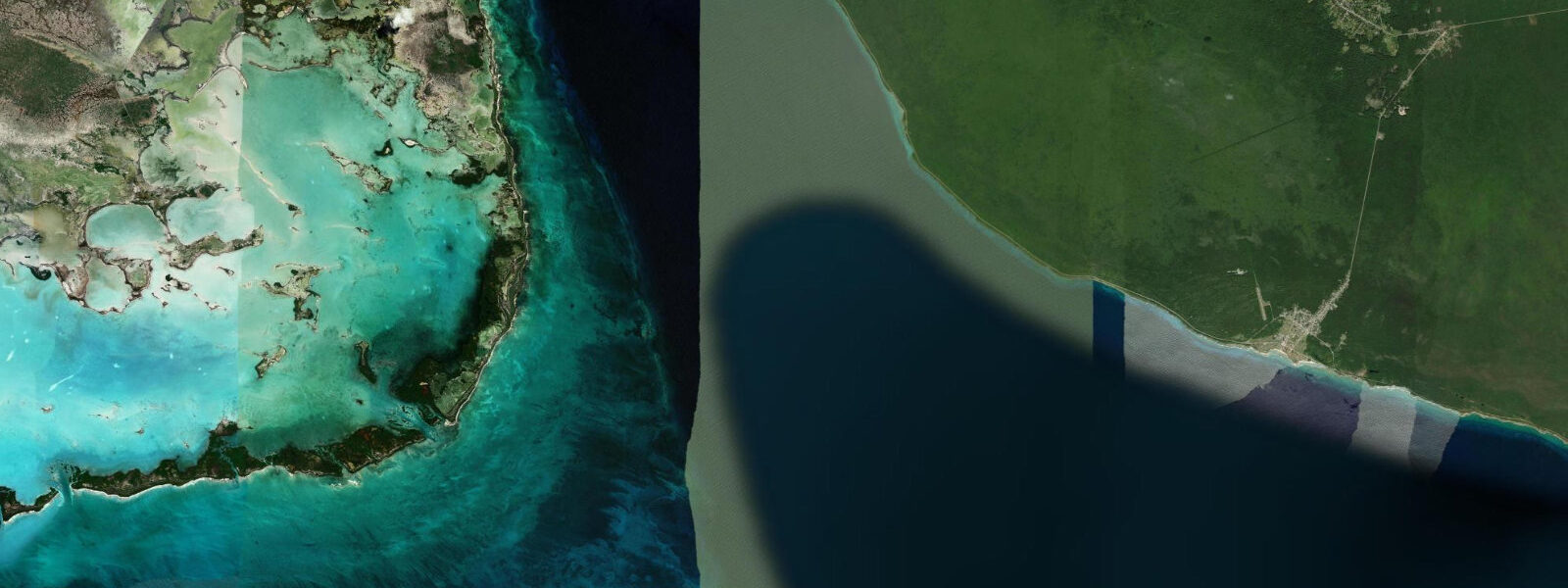
Playa Girón, Matanzas tide times
Playa Girón, Matanzas tide forecast — heights relative to MSL.
Tide chart for Playa Girón, Matanzas
24-hour cosine-interpolated curve around the present moment. Heights relative to MSL. Predictions: Predictions: Open-Meteo Marine (MeteoFrance SMOC, 0.08° grid).
Sun, moon and conditions on Tue 04 Aug
Snapshot at build time — refreshes daily. Sea state from Open-Meteo Marine.
Highs and lows next 7 days
Every predicted high and low for the next week, with the daily tidal coefficient (0–120; higher = bigger swing, > 95 means stronger currents).
Other spots nearby
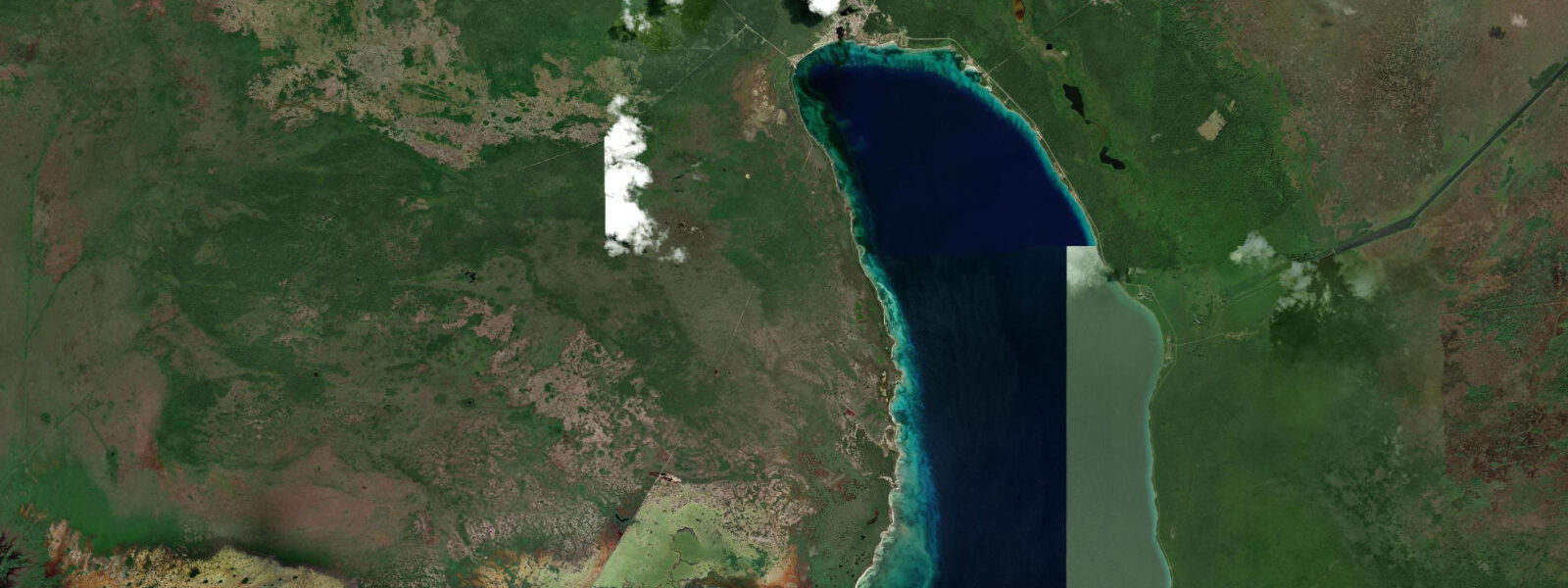
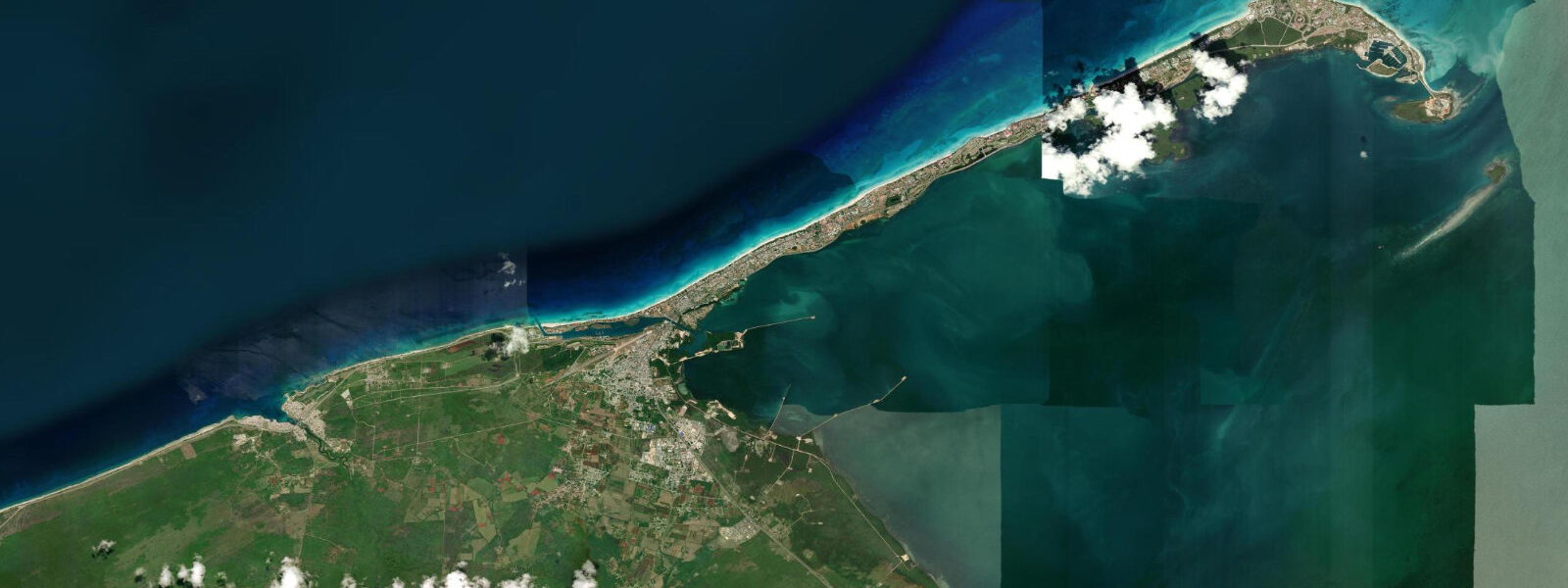
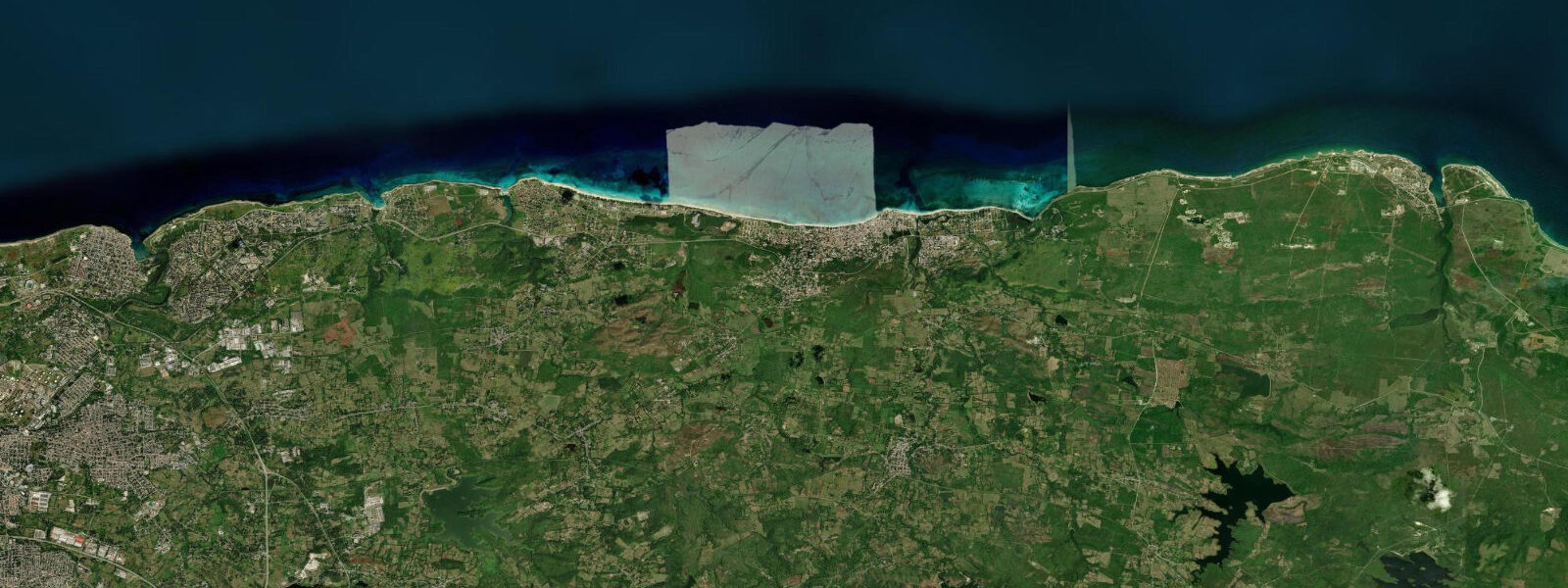
The three closest curated TideTurtle locations to Playa Girón, Matanzas, measured by great-circle distance.
Today's solunar windows
Solunar tradition: major periods are the ≈3h windows around moon transit and opposition; minor are ≈2h around moonrise and moonset. Pair with the local tide stage and wind for the best read.
About tides at Playa Girón, Matanzas
A short guide to the coastline at Playa Girón, Matanzas — geography, sea state, and what the tide is actually doing under your feet.
Playa Girón sits on the eastern shore of the Bahía de Cochinos — the Bay of Pigs — in Matanzas province, roughly 200 km southeast of Havana. The village is small: a cluster of concrete houses, a dive centre, a museum, and a beach that begins where the road ends. What draws people here is the water, the reef, and the weight of a particular three days in April 1961.
The tidal regime at Playa Girón is Caribbean microtidal. Mean spring range runs 0.2–0.4 m — a total rise and fall smaller than a hand's width. Low water exposes a thin band of flat limestone that anglers use as a casting platform; high water pushes the shoreline back a few metres. The practical tidal influence is subtle on the open beach, but the Bahía de Cochinos amplifies it. The bay is a narrow 30 km inlet oriented roughly north-south. Tidal exchange is funnelled through the bay entrance, generating currents of 0.5–1.0 knots on spring tides at the narrows. Kayak paddlers crossing the entrance or heading north toward Playa Larga should factor the current into their timing — fighting a knot of current over a 3 km crossing adds significant effort.
The reef is the main event at Playa Girón. The coral wall begins 200 m offshore, reachable by snorkel in calm conditions. The reef crest is 1–3 m deep at high water; the wall drops sharply to 20–30 m. Soft corals, sea fans, and sponges populate the upper wall. Snapper, grouper, and parrotfish are common; the clarity runs to 20 m on calm days when onshore wind has been absent for 24 hours. Dive operators in the village run two-tank morning dives, departing around 08:00 when the surface is still and the sun is high enough to illuminate the wall without hard shadows. The bay's relatively enclosed geometry gives Playa Girón more sheltered conditions than the open south coast — the swell that periodically closes down diving at other sites rarely reaches the inner bay.
The history here is inescapable. In April 1961, a CIA-backed force of approximately 1,400 Cuban exiles landed at two points on the bay: Brigade 2506 came ashore at Playa Girón on the eastern shore and at Playa Larga, 25 km north on the western shore. The operation — known in Cuba as the Battle of Playa Girón, and internationally as the Bay of Pigs Invasion — was intended to trigger a broader uprising against Fidel Castro's government. The Cuban armed forces, under direct command of Castro, defeated the invasion in 72 hours. By 19 April 1961, the landings had collapsed. Around 1,200 of the exile fighters were captured; 114 were killed. The Museo Girón stands at the beach itself, housing tanks, aircraft, and artefacts from the battle, including a Sea Fury fighter that flew for the Cuban air force during the engagement. It is a matter-of-fact museum — the exhibits are military hardware and photographs, not propaganda theatre. Whatever the politics, the military outcome was unambiguous, and the museum documents it plainly.
North and west of the bay, the Ciénaga de Zapata — Zapata Swamp — fills the landscape. Cuba's largest wetland covers over 4,000 km² and holds Ramsar designation. The habitat is a mosaic: mangrove fringe along the coast, freshwater marsh in the interior, saltwater lagoon at the bay edges, and semi-deciduous forest on slightly higher ground. Two endemic species anchor the site's ecological reputation. The Cuban crocodile (Crocodylus rhombifer) is found nowhere else on earth; population estimates range from 2,000 to 6,000 individuals, split between wild animals in the Ciénaga and captive stock at the breeding station at La Boca, near the entrance to the park. The bee hummingbird (Mellisuga helenae) is the world's smallest bird — adult males measure 5.7 cm and weigh under 2 g. Both species are observable within the park, though the hummingbird requires patience and a guide who knows the flowering trees.
For anglers, the bay itself holds bonefish on the shallow flats along the western shore near Playa Larga, and larger species — tarpon, snook — move through the mangrove-edged channels north of the bay on tidal flows. Hire a local guide; access to the productive flats requires a boat and local knowledge of the shallows.
For beach families, Playa Girón's sand is dark and coarse by Caribbean standards, the water is calm and clear inside the bay, and the absence of heavy tourist infrastructure means the beach is uncrowded. The nearest large town with reliable supplies is Jagüey Grande, about 40 km north.
Tide data for Playa Girón, Matanzas comes from the Open-Meteo Marine API, a gridded model product. Timing accuracy is ±45 minutes, height accuracy ±0.3 m — usable for trip planning, not for navigation.
Tide questions about Playa Girón, Matanzas
Quick answers to the most common questions about tide times, range, and water access at Playa Girón, Matanzas.
What time is low tide at Playa Girón and how does it affect the reef?
Low tide at Playa Girón drops the water 0.2–0.4 m below mean level — small by Caribbean standards. The reef crest sits 1–3 m below the surface at high water, so even at low tide there is sufficient depth for snorkelling over the top of the wall. The main low-tide benefit is visibility: with less water movement, sediment settles and horizontal clarity can reach 20 m. Check the tide table to target the hour before and after low water for the flattest surface and best light penetration. Dive boats typically depart at 08:00 to catch morning calm regardless of tide phase, so confirm timing with your operator the evening before.
Is the Bay of Pigs current a problem for kayakers?
The bay entrance generates 0.5–1.0 knots on spring tides — manageable for a fit paddler in a sea kayak but noticeable over a 3 km crossing. The current runs north on the flood and south on the ebb. Paddlers heading from Playa Girón toward Playa Larga (25 km north on the western shore) should time departure for the first hour of the flood to get a push north. The bay interior is calmer than the entrance; the main fetch is short, so wave build-up is minimal in the absence of strong south wind. Consult tideturtle.com for the spring/neap cycle before planning a multi-day traverse.
When is the best time to dive the reef wall at Playa Girón?
Morning dives — before 10:00 — give the best light angle on the wall and the flattest sea state. The Bahía de Cochinos is partially enclosed, so afternoon onshore winds that ruffle the open coast rarely build before midday here. Visibility is highest after a sustained period without north-facing wind. The reef wall starts at 200 m offshore and drops to 20–30 m; sea fans and sponges are dense in the 10–20 m range. The dive centre in the village runs two-tank morning dives; enquire about afternoon dives if the morning slots are full, but expect reduced light on the wall after 14:00.
Can I see Cuban crocodiles in the wild near Playa Girón?
Wild Cuban crocodiles (Crocodylus rhombifer) live in the Ciénaga de Zapata, which borders the north and west edges of the Bay of Pigs. The breeding station at La Boca, near the park entrance on the road from Jagüey Grande, holds captive animals and is the easiest viewing point. Wild sightings in the mangrove channels and freshwater lagoons of the Ciénaga require a guided boat tour into the interior — arrange these at the park entrance. Early morning, from 06:00 to 08:00, is when crocodiles are most active on the channel banks. The park road is roughly 40 km north of Playa Girón; allow a half-day for the visit.
What facilities are available at Playa Girón for families?
Playa Girón has basic beach infrastructure: a few casas particulares (private guesthouses) that offer meals, a small dive operator, and the Museo Girón at the beach. The beach itself is uncrowded and the inner bay is calm — suitable for children who can swim. There are no lifeguards and no beach bars in the international-resort sense; bring food and water for a full day. The nearest supermarket-level supplies are in Jagüey Grande, 40 km north. The road from Cienfuegos (about 80 km east) passes through decent coastal scenery and offers an alternative base if accommodation in the village is full.
7-day tide table — Playa Girón, Matanzas
Heights relative to MSL. Predictions: Open-Meteo Marine (MeteoFrance SMOC, 0.08° grid) — heights relative to MSL (not chart datum / LAT). Model-derived.
| Day | Type | Time | Height |
|---|---|---|---|
| Tue 04 Aug | — | ||
| Wed 05 Aug | High | 02:10 | 0.5m |
| Low | 22:50 | 0.3m | |
| Thu 06 Aug | — | ||
| Fri 07 Aug | High | 19:00 | 0.5m |
| Sat 08 Aug | Low | 12:45 | 0.2m |
| High | 19:50 | 0.5m | |
| Sun 09 Aug | Low | 01:45 | 0.3m |
| High | 07:00 | 0.4m | |
| Low | 13:45 | 0.1m | |
| Mon 10 Aug | High | 07:50 | 0.5m |
| Low | 14:18 | 0.1m | |
| High | 19:00 | 0.4m | |