Cojímar, La Habana tide times
Cojímar, La Habana tide forecast — heights relative to MSL.
Today's tide times for Cojímar, La Habana
Tide times at Cojímar, La Habana on Tuesday, 4 August 2026: first high tide at 01:00am, first low tide at 06:45pm. Sunrise 07:01am, sunset 08:09pm.
Tide chart for Cojímar, La Habana
24-hour cosine-interpolated curve around the present moment. Heights relative to MSL. Predictions: Predictions: Open-Meteo Marine (MeteoFrance SMOC, 0.08° grid).
Sun, moon and conditions on Tue 04 Aug
Snapshot at build time — refreshes daily. Sea state from Open-Meteo Marine.
Highs and lows next 7 days
Every predicted high and low for the next week, with the daily tidal coefficient (0–120; higher = bigger swing, > 95 means stronger currents).
Other spots nearby
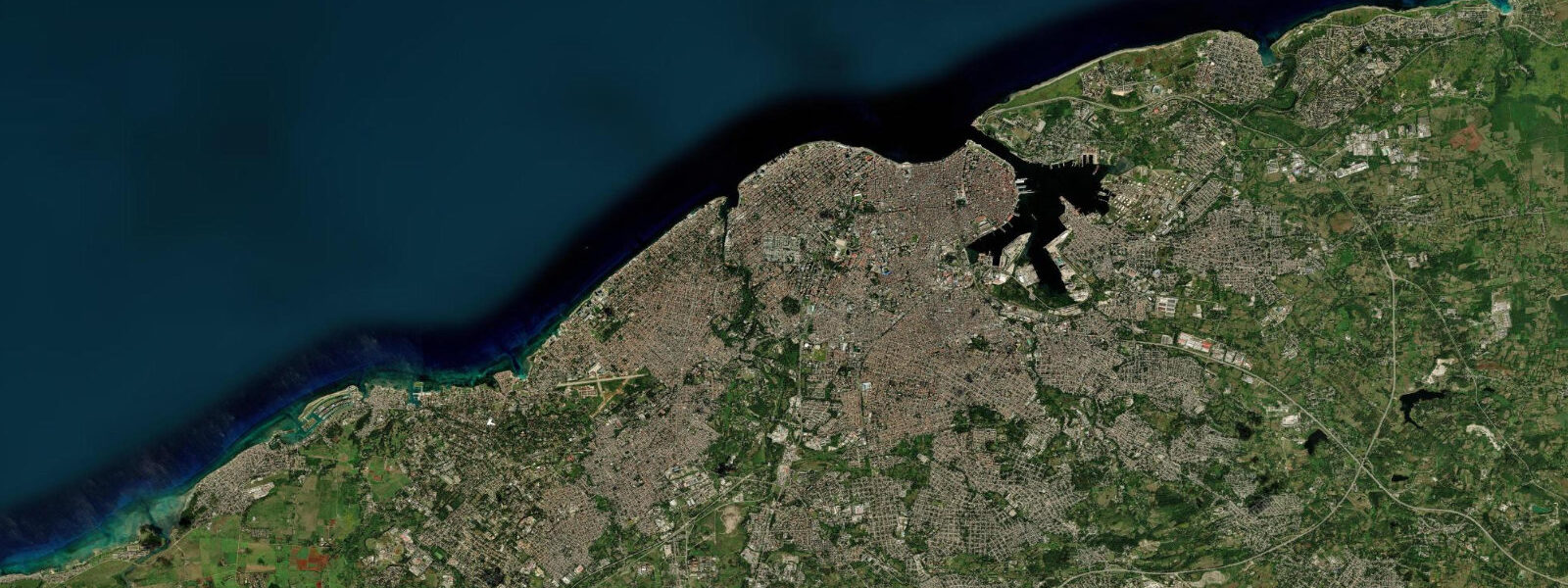
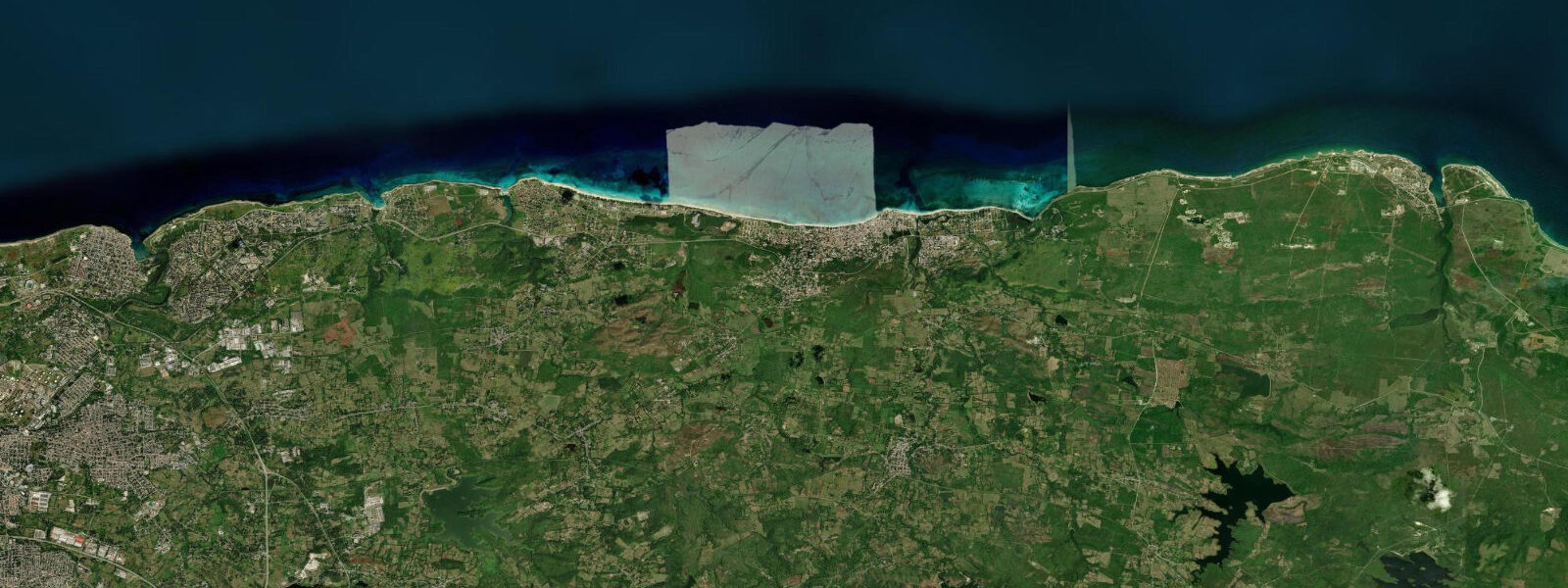
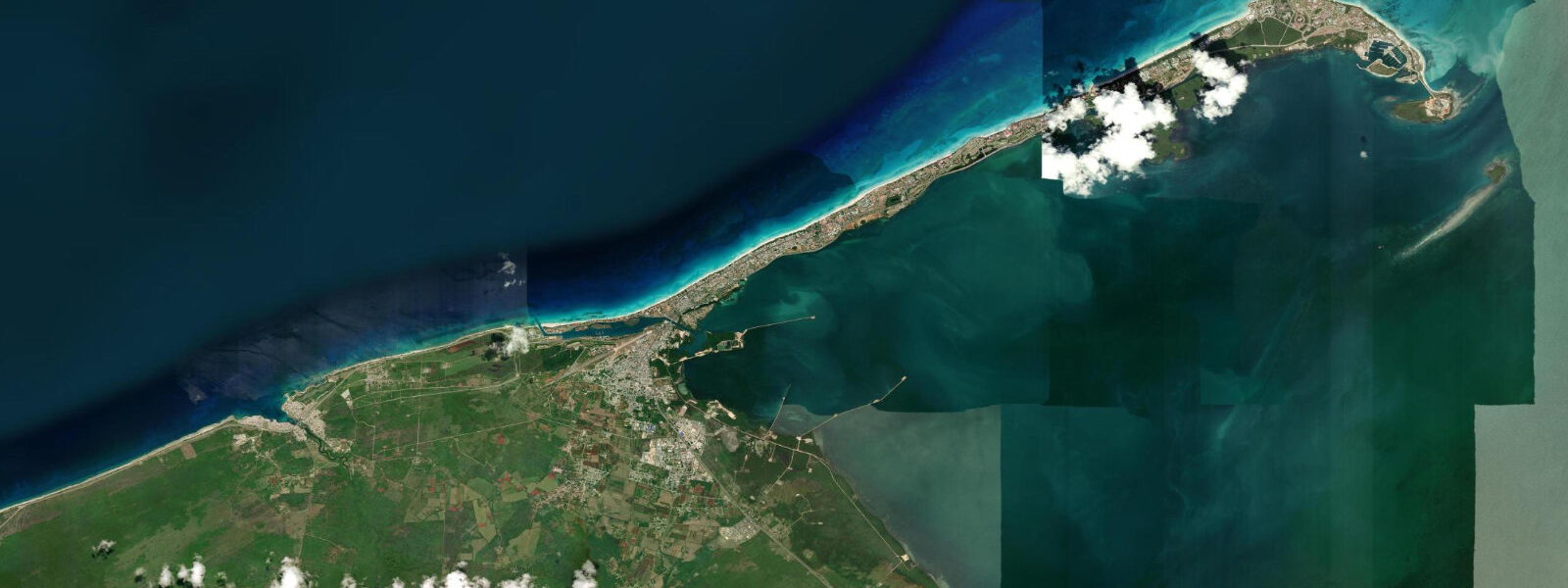
The three closest curated TideTurtle locations to Cojímar, La Habana, measured by great-circle distance.
Today's solunar windows
Solunar tradition: major periods are the ≈3h windows around moon transit and opposition; minor are ≈2h around moonrise and moonset. Pair with the local tide stage and wind for the best read.
About tides at Cojímar, La Habana
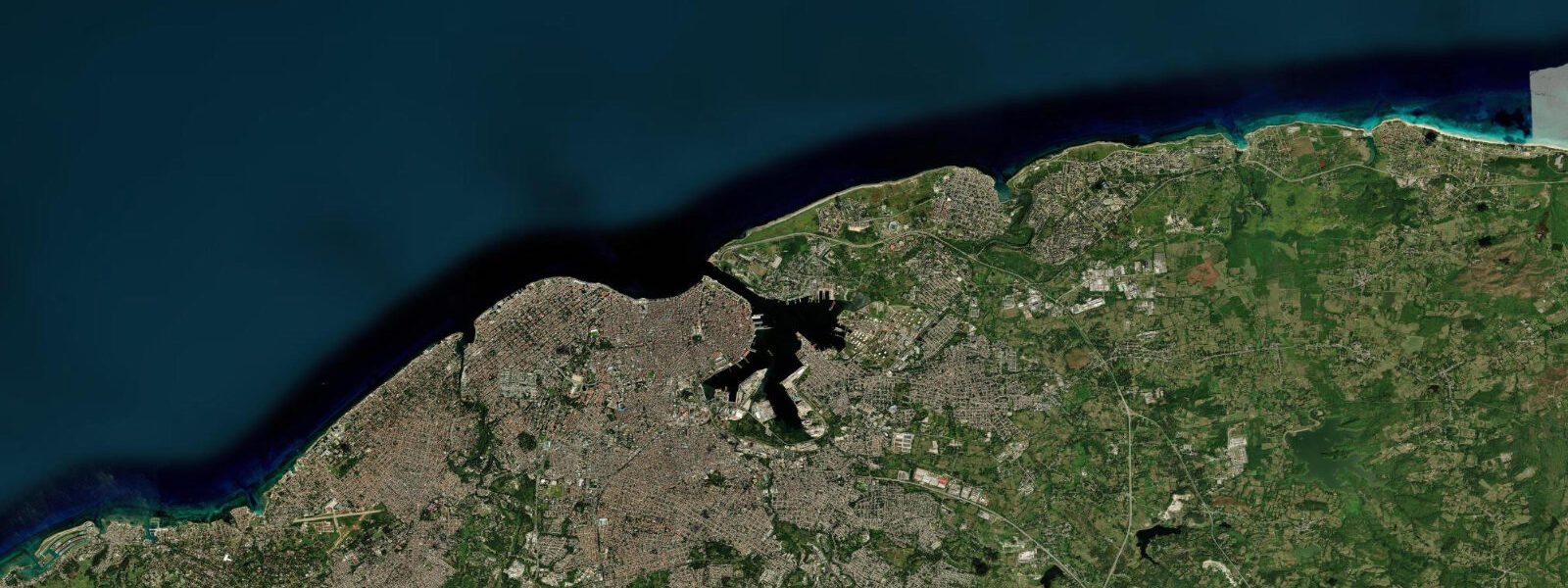
A short guide to the coastline at Cojímar, La Habana — geography, sea state, and what the tide is actually doing under your feet.
Cojímar sits 12 km east of Havana on Cuba's north coast — a small fishing village on a gentle east-facing bay where the headland of El Torreon de Cojímar closes the water to the northeast. The bay is sheltered from the prevailing northeast trades by that headland, which means the water inside it is calm on most days when the Havana waterfront is rough. The small harbour inside the headland holds the village fishing fleet — aluminium pangas with small outboards, a few older wooden boats with hand-painted names, and the kind of organised informality that fishing harbours everywhere in the tropics default to.
The Cuban north coast operates on a Caribbean microtidal regime. Mean spring range at Cojímar is 0.2–0.4 m — the same diurnal, micro-amplitude pattern that runs from here to the Colombian coast. One high water and one low water per day, with the waterline moving less than 20 m across the narrow beach below the seawall. At high spring water the beach below the seawall essentially disappears — the water reaches the wall itself. At low spring water 5–8 m of dark sand appears below the wall's base. That compressed tidal geometry is a useful indicator for fishing: at low water the seawall base and the beach edge are exposed, and the reef fish that work the drop-off at the headland are concentrated in shallower water.
The village's place in international literature comes from Ernest Hemingway, who kept his boat Pilar at the Cojímar harbour from 1939 until his death in 1961. Gregorio Fuentes, a Cojímar fisherman who served as Hemingway's boat captain for 22 years, became the primary source for Santiago — the protagonist of The Old Man and the Sea, published in 1952 and the work that anchored Hemingway's Nobel Prize in 1954. Fuentes continued to fish from Cojímar into his nineties and died in the village in 2002 at 104. The story he and Hemingway shared — the old man, the fish, the sea — was written from this harbour.
After Hemingway's death in Ketchum, Idaho, in July 1961, the fishermen of Cojímar organised something specific and permanent. They pooled their boat propellers — the working metal of their trade — and had them melted down and cast into a bronze bust of Hemingway. The bust sits inside a small circular pavilion on the Cojímar waterfront, open to the bay, flanked by columns. It is not a tourist monument placed by a government cultural authority. It was made by fishing families out of the only metal they had to give.
La Terraza restaurant is a 100 m walk along the waterfront from the pavilion. Hemingway and Fuentes ate there regularly — it was the nearest place to the harbour that served food and cold Cristal. La Terraza still operates, still has photographs of Hemingway on the wall, and still serves fish. The menu has expanded since the 1950s but the view of the bay from the upper terrace is the same: the headland to the right, the harbour entrance below, the Straits of Florida running northeast.
El Torreon de Cojímar — the fort at the headland — is a 17th-century Spanish fortification, built in 1649 as part of the coastal defence system protecting Havana's eastern approaches. In June 1762, British naval forces under Admiral George Pocock and General Lord Albemarle landed troops at the Cojímar shore as part of the operation to take Havana. The fort was captured and held during the British occupation of Havana, which lasted from August 1762 to July 1763 — eleven months during which Havana became briefly the third-largest British city in the Americas. The fort then reverted to Spanish control under the Treaty of Paris. It still stands on the headland, small, solid, and unromanticised by signage.
Photographers working Cojímar find the best light before 07:30, when the eastern sky behind the headland illuminates the fort and the harbour in the same frame. Anglers chartering boats from the village fleet work the reef structure off the headland on the outgoing tide, when current sweeps bait off the drop-off and the larger fish hold in the eddy behind the headland point.
Tide data for Cojímar comes from the Open-Meteo Marine API, a gridded model product. Timing accuracy is ±45 minutes, height accuracy ±0.3 m — usable for trip planning, not for navigation.
Tide questions about Cojímar, La Habana
Quick answers to the most common questions about tide times, range, and water access at Cojímar, La Habana.
What is the tidal range at Cojímar and how does it affect the beach?
Cojímar is on Cuba's north coast in the Caribbean tidal basin — microtidal, with a mean spring range of 0.2–0.4 m and a diurnal pattern (one high, one low per day). At high spring water the beach below the seawall disappears entirely and the water reaches the wall's base. At low spring water 5–8 m of dark sand is exposed below the wall. That 5–8 m strip is the full beach at Cojímar — the bay geometry and the micro-range mean this is never a wide-sand beach, even at the lowest tides. The compressed tidal shift concentrates fish closer to the headland structure at low water.
What is the connection between Cojímar and The Old Man and the Sea?
Ernest Hemingway kept his boat Pilar at the Cojímar harbour from 1939 until 1961. Gregorio Fuentes, a Cojímar-born fisherman who served as Hemingway's boat captain for 22 years, was the primary model for Santiago in The Old Man and the Sea (1952). Fuentes continued fishing from the village after Hemingway's death and died in Cojímar in 2002 at age 104. The novella was published from Hemingway's Havana home but the harbour, the boats, and the fishing patterns it describes are Cojímar's. Hemingway received the Nobel Prize in Literature in 1954, citing the novella specifically.
What is the story behind the Hemingway bronze bust in Cojímar?
After Hemingway died in Idaho in July 1961, Cojímar fishermen organised a private memorial. They collected their own boat propellers — functional working metal, the kind of hardware that costs a fishing family real money — had them melted down, and commissioned a bronze bust of Hemingway from the proceeds. The bust was installed in a small open circular pavilion on the Cojímar waterfront, visible from the harbour. It was not a government project or a tourist authority initiative. It was made by the fishing community that knew him, from the metal they worked with, at a time when that community had limited access to cash or materials.
What is El Torreon de Cojímar and what happened there in 1762?
El Torreon de Cojímar is a 17th-century Spanish coastal fort built in 1649 on the headland at the eastern edge of Cojímar Bay. In June 1762, British naval and land forces used the Cojímar shore as a landing point during the military operation to capture Havana. The fort was taken and held during the British occupation, which ran from August 1762 to July 1763 — eleven months during which Havana was briefly under British administration. The occupation ended under the Treaty of Paris, and the fort reverted to Spain. The structure is still on the headland, in reasonable condition, and is visible from La Terraza restaurant across the bay.
Is La Terraza restaurant still operating in Cojímar?
La Terraza is open on the Cojímar waterfront, roughly 100 m from the Hemingway bust pavilion. Hemingway and Gregorio Fuentes ate there regularly in the 1940s and 1950s — it was the restaurant nearest the harbour. The current restaurant has photographs of Hemingway on the walls and serves fish and Cuban standards. The upper terrace has a direct view of the bay, the harbour entrance, and the El Torreon headland. It operates as a state-run restaurant with the usual Cuban menu constraints, but the food is reliable and the view is the reason to sit on the terrace rather than inside.
7-day tide table — Cojímar, La Habana
Heights relative to MSL. Predictions: Open-Meteo Marine (MeteoFrance SMOC, 0.08° grid) — heights relative to MSL (not chart datum / LAT). Model-derived.
| Day | Type | Time | Height |
|---|---|---|---|
| Tue 04 Aug | High | 01:00 | 0.6m |
| Low | 18:45 | 0.2m | |
| Wed 05 Aug | High | 01:50 | 0.6m |
| Low | 08:50 | 0.2m | |
| High | 14:00 | 0.4m | |
| Thu 06 Aug | Low | 10:10 | 0.2m |
| Fri 07 Aug | — | ||
| Sat 08 Aug | — | ||
| Sun 09 Aug | High | 05:50 | 0.7m |
| Low | 23:00 | 0.2m | |
| Mon 10 Aug | High | 07:00 | 0.7m |
| Low | 14:50 | 0.1m | |
| High | 19:00 | 0.3m | |