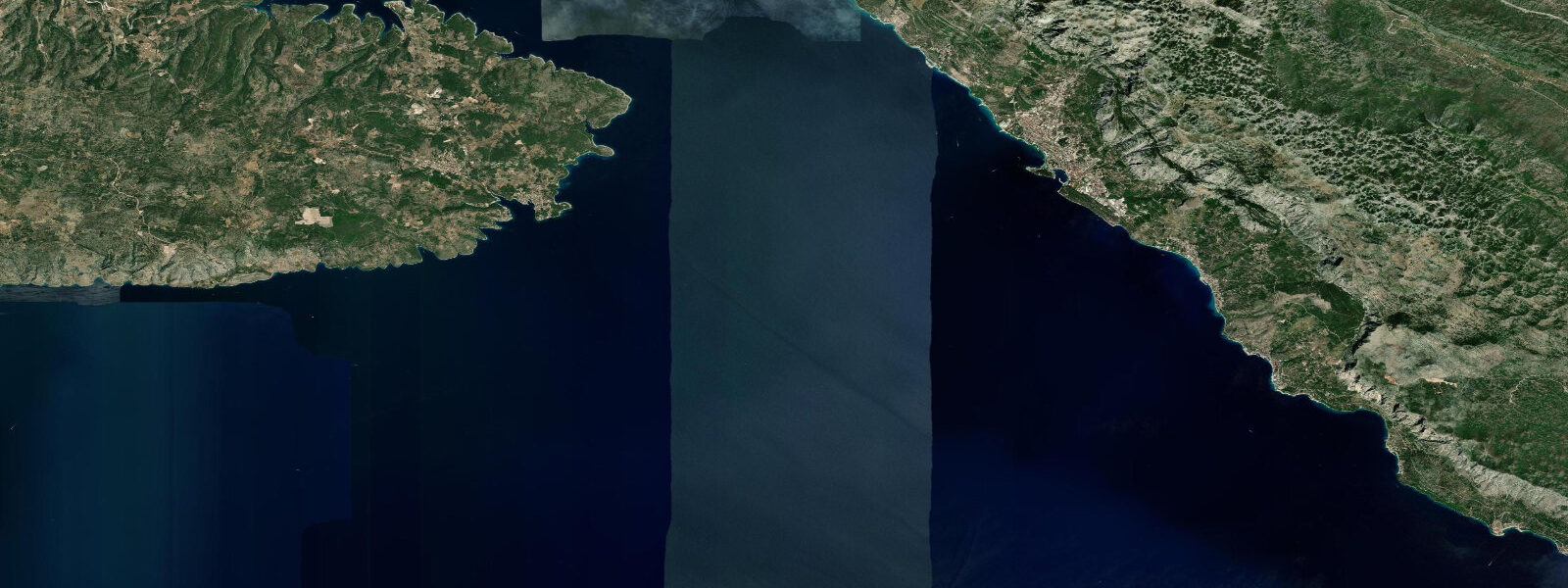
Makarska, Dalmatia tide times
Makarska, Dalmatia tide forecast — heights relative to MSL.
Today's tide times for Makarska, Dalmatia
Tide times at Makarska, Dalmatia on Tuesday, 4 August 2026: first low tide at 02:00. Sunrise 05:43, sunset 20:11.
Tide chart for Makarska, Dalmatia
24-hour cosine-interpolated curve around the present moment. Heights relative to MSL. Predictions: Predictions: Open-Meteo Marine (MeteoFrance SMOC, 0.08° grid).
Sun, moon and conditions on Tue 04 Aug
Snapshot at build time — refreshes daily. Sea state from Open-Meteo Marine.
Highs and lows next 7 days
Every predicted high and low for the next week, with the daily tidal coefficient (0–120; higher = bigger swing, > 95 means stronger currents).
Other spots nearby
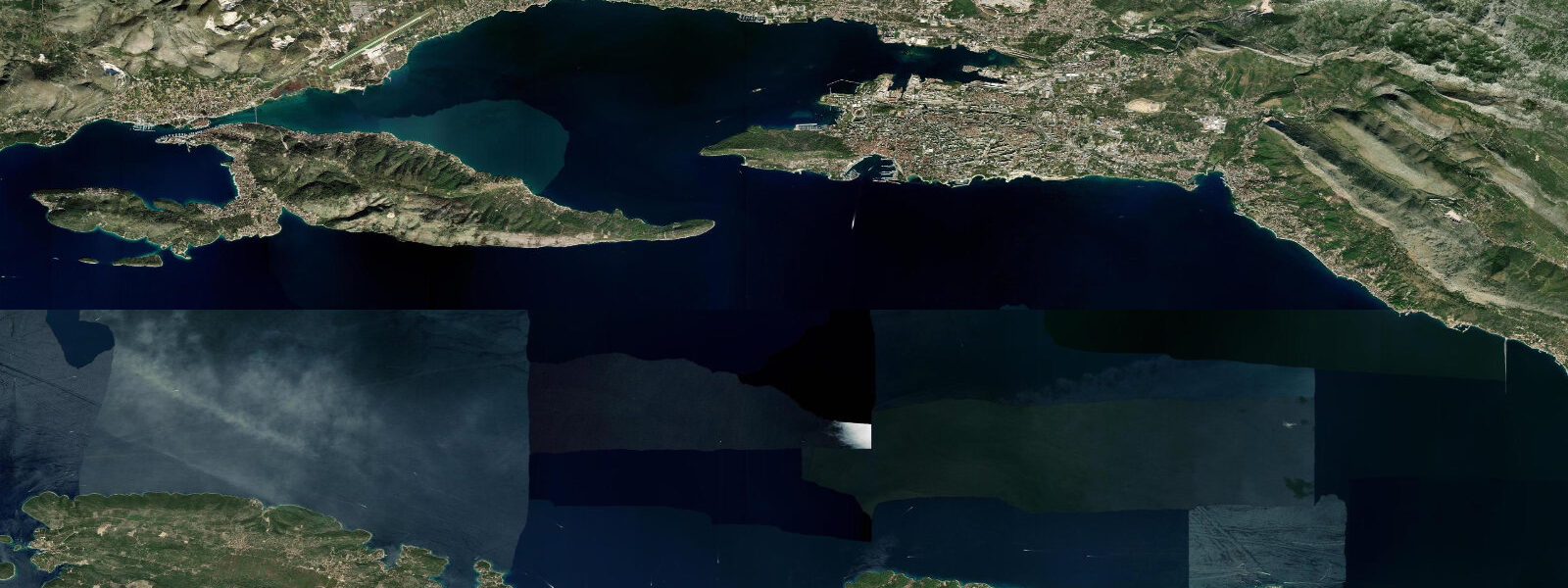
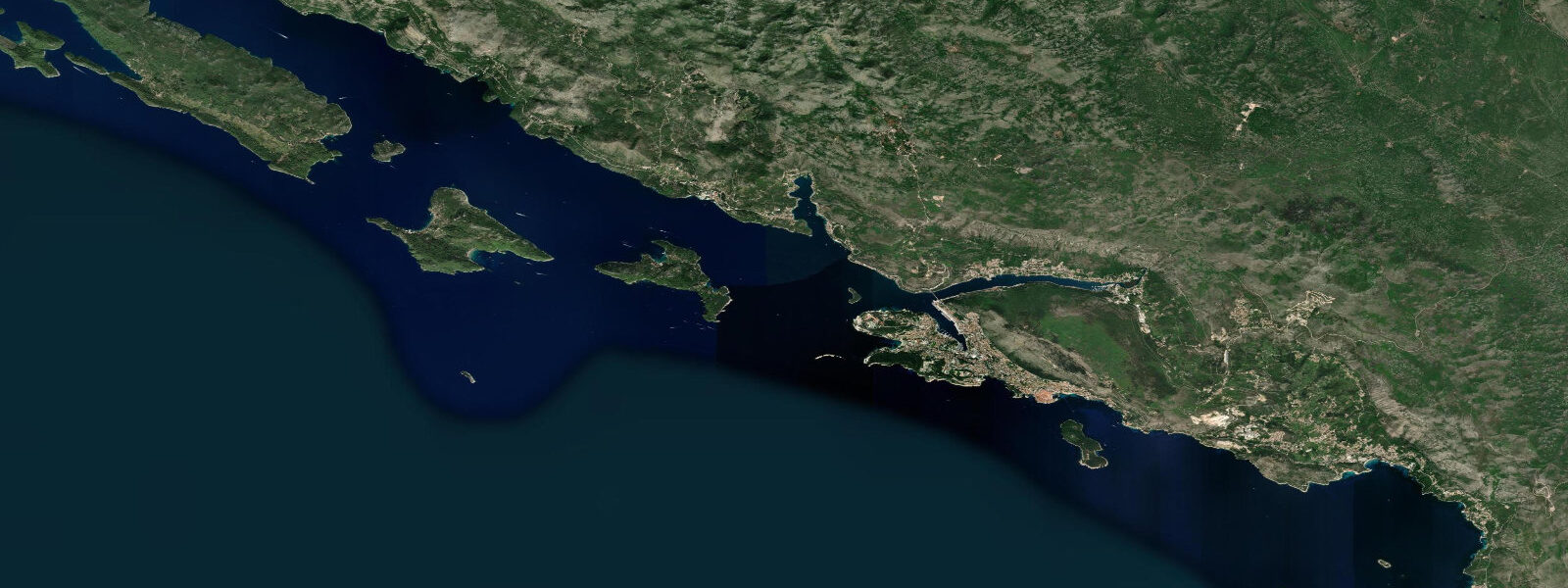
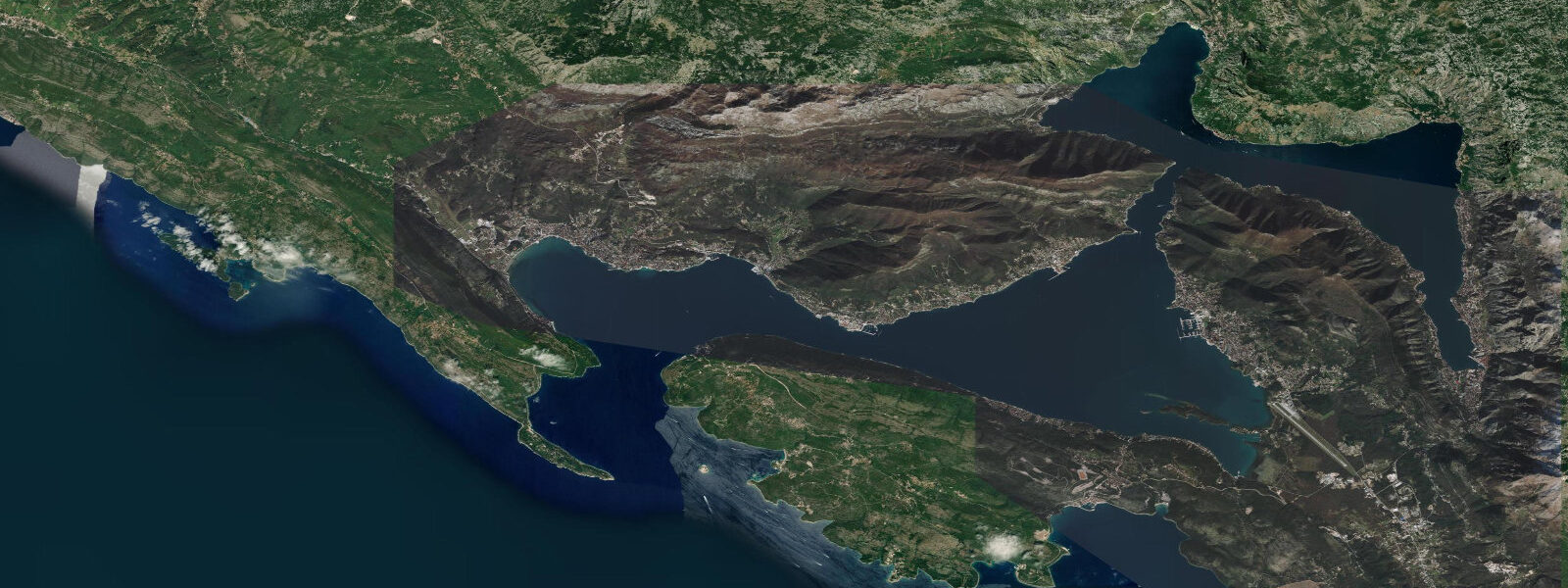
The three closest curated TideTurtle locations to Makarska, Dalmatia, measured by great-circle distance.
Today's solunar windows
Solunar tradition: major periods are the ≈3h windows around moon transit and opposition; minor are ≈2h around moonrise and moonset. Pair with the local tide stage and wind for the best read.
About tides at Makarska, Dalmatia
A short guide to the coastline at Makarska, Dalmatia — geography, sea state, and what the tide is actually doing under your feet.
Makarska is a resort town in central Dalmatia that owes its character to a single geographic fact: the Biokovo massif rises from sea level to 1762 m within 5 km of the shore. The vertical gradient here is among the steepest in Europe — standing on the main beach you look directly up to rocky ridgelines that catch cloud and snow in winter while the beach below stays dry and 15°C warmer. The Sv. Petar peninsula encloses the bay from the west, and the town's marina and main beach sit in the calm water between the peninsula and the shore.
The Adriatic tidal regime at Makarska, like the rest of the mid-Dalmatian coast, is semidiurnal with a mean range of 0.25–0.45 m. The amphidromic system that keeps the central and southern Adriatic microtidal places Makarska in the transitional zone between the near-zero southern node and the higher ranges of the northern basin. In practical terms, the tide here produces predictable, twice-daily cycles with a total height change that is visible but modest. Spring tides reach approximately 0.5 m; neap tides drop to 0.2 m or less.
The main town beach — Gradska Plaža — is pebble, as are all the central Makarska beaches. Pebble foreshores on Adriatic beaches respond to the tidal cycle in a way that sand beaches do not: the pebble berm extends and retracts cleanly as the water advances and retreats, and the underwater pebble slope is visible through clear water to depths of several metres. At low water, Gradska Plaža extends 15–20 m further seaward than at high water. The transition is gradual over two to three hours of falling tide, and the pale limestone pebble bottom through 1–2 m of clear water makes the tidal movement easy to track visually — the waterline advances against individual stones in real time. This is one of the few Adriatic locations where a family can concretely watch and explain tidal movement to children without needing instruments.
The Sv. Petar peninsula defines the western edge of Makarska bay. The peninsula is a limestone headland roughly 800 m long, connected to the town by a narrow isthmus that carries the coast road. The outer (southwest) face of Sv. Petar is exposed to the open Adriatic and drops vertically into deep water. The dive site along the western face is accessible from the shore on the sheltered north side — a 50 m swim from the rocky entry point at the base of the peninsula, then along the cliff base to the point, where the rock face drops to 25 m in open water. The dive is entry-level in terms of depth but requires comfort with current: the Adriatic tidal current along the Sv. Petar point runs at 0.2–0.4 knots at peak flow, ebbing northwest and flooding southeast. Divers plan entry at slack water, approximately 30–45 minutes after the predicted high or low. The wall supports gorgonian fans from 12 m down, and the horizontal visibility frequently exceeds 20 m.
Biokovo Nature Park begins at the edge of town and extends to the summit ridge at Sv. Jure (1762 m). The Makarska coastal path — Šetalište Franjo Tuđman — runs the length of the bay, but the direct ascent trails to Biokovo begin within 2 km of the beach. The Vošac trail from the town ascends approximately 1100 m over 5 km; starting from the coast in the morning and reaching the ridge before the afternoon convective cloud builds is a standard approach. The elevation change between beach and summit is the relevant operating fact for anyone doing sea and mountain in the same day.
The Makarska Riviera extends for roughly 60 km between Brela to the north and Gradac to the south. Brela, 15 km north of Makarska, has a more developed beach infrastructure and the iconic Kamen Brela rock — a solitary limestone pillar rising from shallow water just offshore, accessible by a short swim or paddle. The beaches along the Riviera are broadly consistent in character: pebble foreshore with clear water over limestone bottom, consistent tidal range, and the Biokovo wall as the constant backdrop.
For anglers, the rock points at either end of Sv. Petar peninsula are the most productive shore stations. The current that runs along the outer face concentrates baitfish; sea bass, dentex, and amberjack hold in the eddies behind the point, particularly in the two hours before and after high water. Spinning gear with surface lures is effective at dusk when the light is low. Night fishing is permitted from the rocks; the headtorch and lure combination typical of Mediterranean shore fishing is the standard approach on the Sv. Petar outer face.
Tide data for Makarska, Dalmatia comes from the Open-Meteo Marine API, a gridded model product. Timing accuracy is ±45 minutes, height accuracy ±0.3 m — usable for trip planning, not for navigation.
Tide questions about Makarska, Dalmatia
Quick answers to the most common questions about tide times, range, and water access at Makarska, Dalmatia.
How much does the beach extend at low tide in Makarska?
At low water, Makarska's main pebble beach (Gradska Plaža) extends 15–20 m further seaward than at high water, depending on the foreshore slope and the tidal range for that particular cycle. The mean tidal range here is 0.25–0.45 m; on spring tides (around new and full moon) the range approaches 0.5 m and the beach extension is near the maximum. The difference is clearly visible because the pebble foreshore drains quickly and the underwater limestone pebble bottom is bright through the clear water — you can see the tide retreating against individual stones in real time. Neap tides (first and third quarter moon) produce only 0.2 m of range, and the beach change is barely perceptible.
Is the diving at Sv. Petar peninsula accessible from the shore?
Yes, with planning. Entry is from the rocky shoreline on the sheltered north side of Sv. Petar, followed by a 50 m surface swim to the point where the wall begins. The rock face drops vertically to 25 m, with gorgonian fans from approximately 12 m. The site is suitable for divers comfortable with mild current — the Adriatic tidal flow along the outer point runs at 0.2–0.4 knots at peak flow, ebbing northwest and flooding southeast. Plan the dive to enter at slack water (30–45 minutes after the predicted high or low water). Horizontal visibility frequently exceeds 20 m. There is no dive shop at the point itself; gear transport from town is on foot or by dinghy. Several dive operators in Makarska offer guided trips to the Sv. Petar wall if you prefer a boat entry.
What tidal state is best for shore fishing at Makarska?
The most productive shore fishing sessions at Makarska are during the two hours before and after high water, when current flow along the Sv. Petar outer face is strongest and concentrates baitfish along the point. Sea bass (lubin), dentex (zubatac), and amberjack (gof) are the primary targets from the rocks. The rock points at the northwest tip of Sv. Petar are the standard positions; the current creates eddies immediately behind the point at both tidal states, and fish hold in these calm zones. Dusk and the first hour of dark are the most active feeding times. Spinning gear with surface lures or medium jigs is effective; the current on the outer face makes heavy terminal tackle necessary to maintain bottom contact when fishing deeper.
How close is Biokovo to the beach — can I do both sea and mountain in the same day?
The Biokovo massif rises to 1762 m at Sv. Jure within 5 km of the coast — the vertical distance from sea level to the summit is among the steepest in Europe. The Vošac trail from the edge of Makarska town ascends approximately 1100 m over 5 km to the ridge; fit walkers cover it in three to four hours one way. Starting at 07:00 and reaching the ridge by 11:00 leaves time to return to the beach by mid-afternoon. The main practical constraint is the afternoon convective cloud that builds over the Biokovo ridge from roughly 13:00 in summer, reducing visibility and increasing lightning risk. Biokovo Nature Park charges an entry fee; the Makarska visitor centre has current trail conditions.
What is the water temperature and clarity at Makarska, and does the tide affect it?
Adriatic surface water temperature at Makarska ranges from 13–15°C in January–March to 26–28°C in July–August. The tidal range (0.25–0.45 m) is too small to drive significant upwelling or thermal stratification in the bay. Clarity is consistently high — the limestone pebble bottom reflects light efficiently and there is minimal river input along this coast. Horizontal underwater visibility frequently exceeds 15 m in summer, and the shallow bay is completely transparent to the visible seabed at 3–4 m depth. Wind-driven sediment resuspension from the pebble beach can reduce clarity temporarily after a storm, but it recovers within 12–24 hours once conditions settle.
8-day tide table — Makarska, Dalmatia
Heights relative to MSL. Predictions: Open-Meteo Marine (MeteoFrance SMOC, 0.08° grid) — heights relative to MSL (not chart datum / LAT). Model-derived.
| Day | Type | Time | Height |
|---|---|---|---|
| Tue 04 Aug | Low | 02:00 | -0.7m |
| Wed 05 Aug | — | ||
| Thu 06 Aug | — | ||
| Fri 07 Aug | High | 14:00 | -0.2m |
| Low | 22:00 | -0.5m | |
| Sat 08 Aug | High | 14:15 | -0.2m |
| Low | 22:10 | -0.6m | |
| Sun 09 Aug | High | 03:50 | -0.5m |
| Low | 07:50 | -0.5m | |
| High | 15:00 | -0.2m | |
| Low | 22:15 | -0.7m | |
| Mon 10 Aug | High | 04:10 | -0.5m |
| Low | 22:42 | -0.7m | |
| Tue 11 Aug | High | 01:00 | -0.6m |