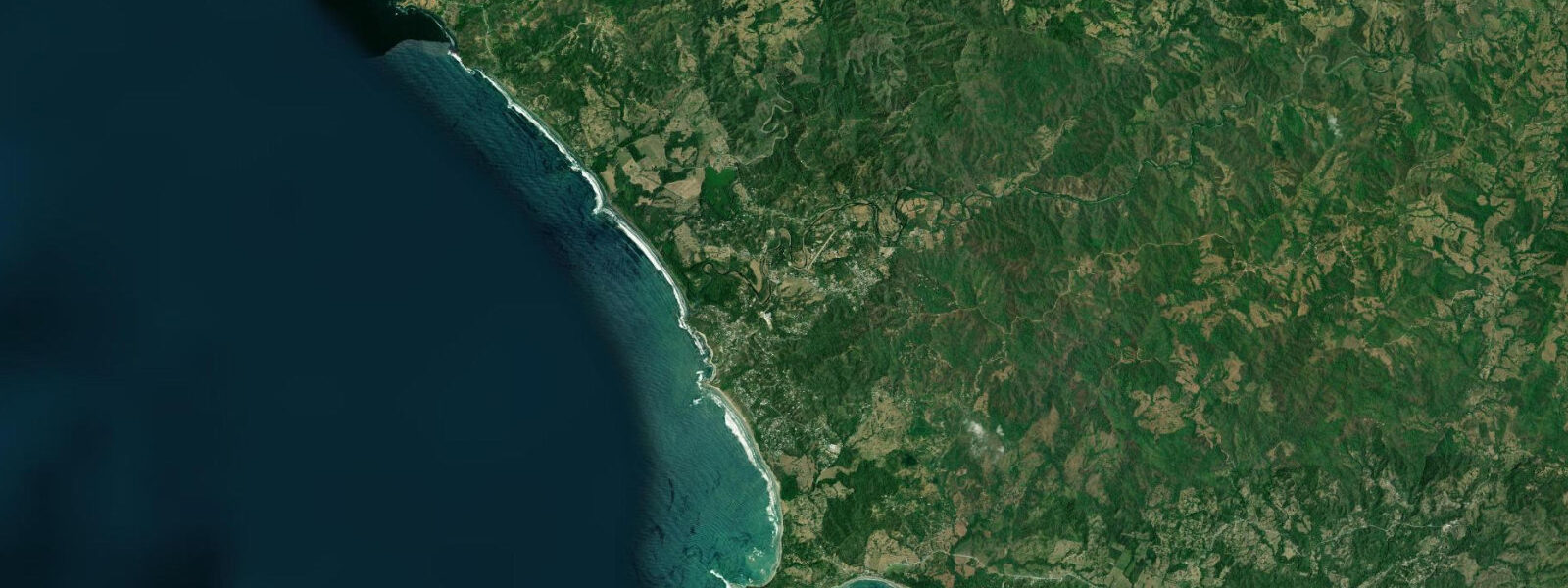
Nosara, Costa Rica tide times
Nosara, Costa Rica tide forecast — heights relative to MSL.
Tide chart for Nosara, Costa Rica
24-hour cosine-interpolated curve around the present moment. Heights relative to MSL. Predictions: Predictions: Open-Meteo Marine (MeteoFrance SMOC, 0.08° grid).
Sun, moon and conditions on Mon 03 Aug
Snapshot at build time — refreshes daily. Sea state from Open-Meteo Marine.
Highs and lows next 7 days
Every predicted high and low for the next week, with the daily tidal coefficient (0–120; higher = bigger swing, > 95 means stronger currents).
Other spots nearby
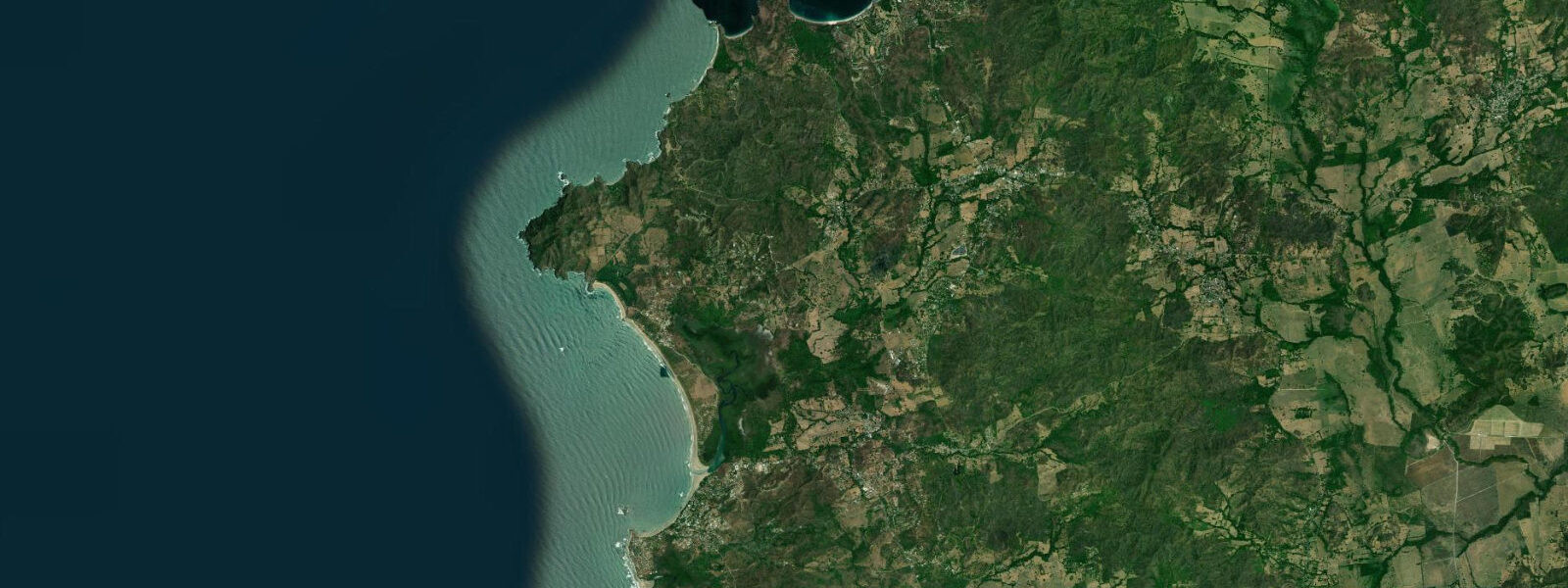
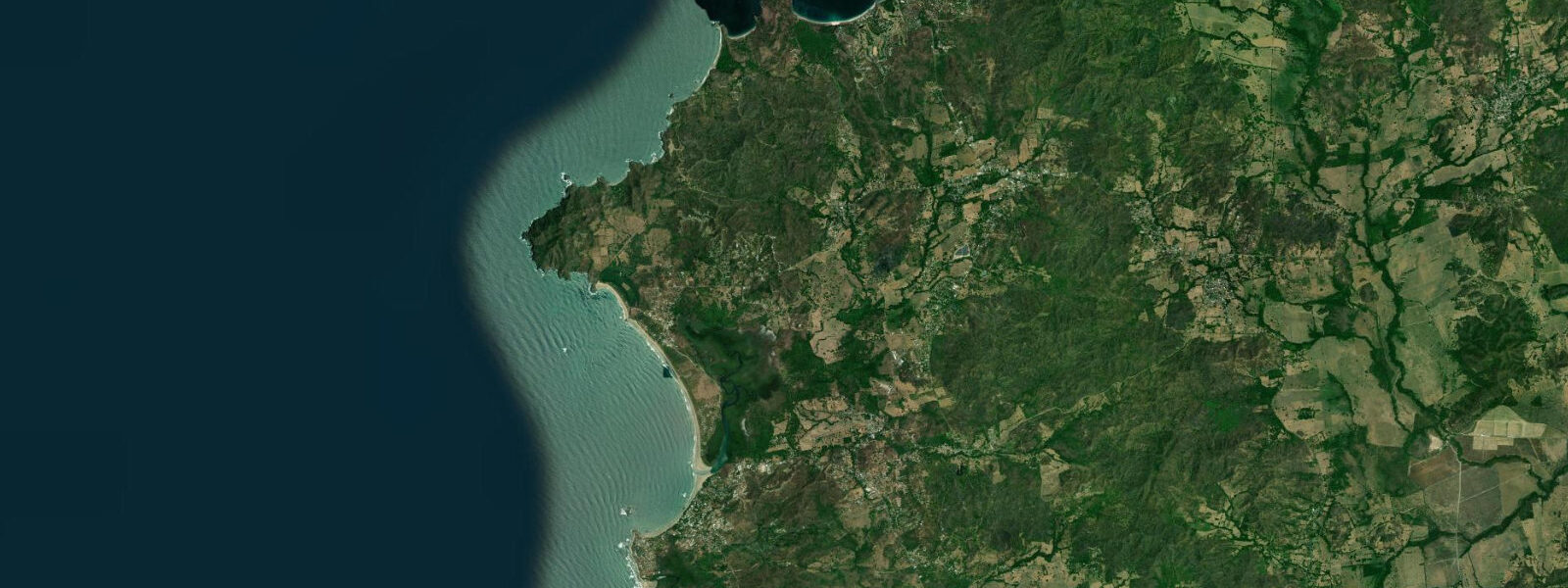
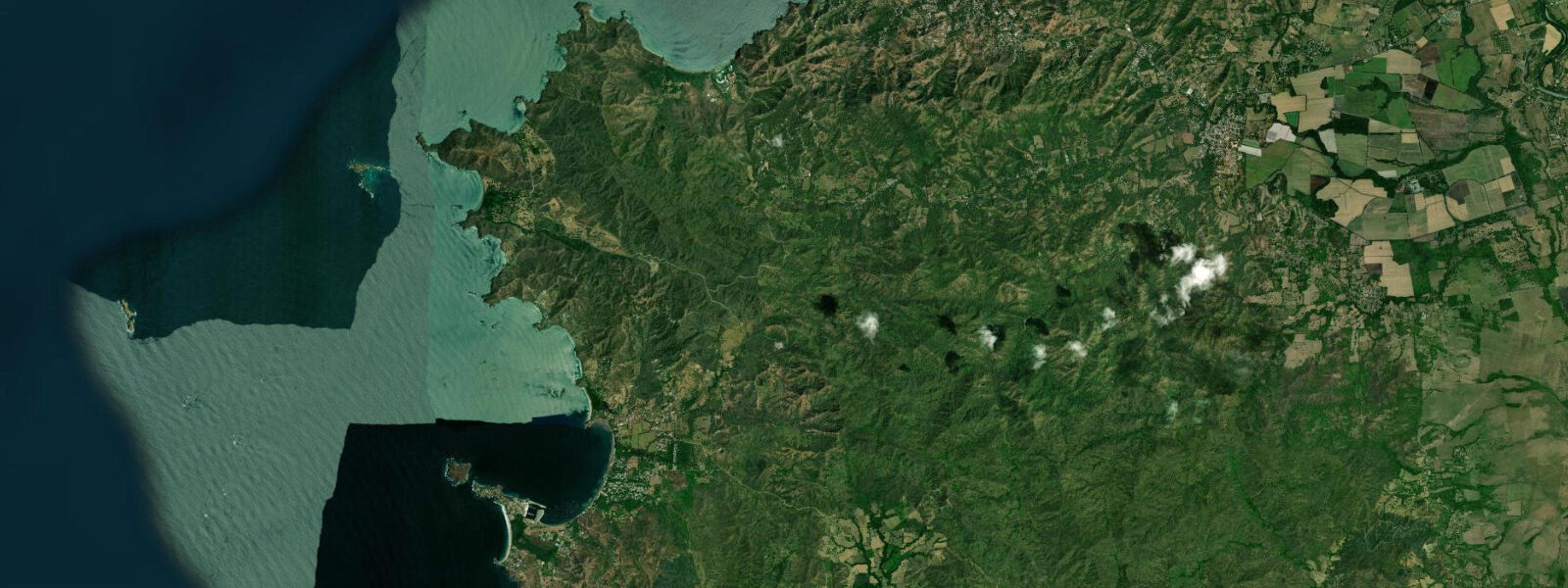
The three closest curated TideTurtle locations to Nosara, Costa Rica, measured by great-circle distance.
Today's solunar windows
Solunar tradition: major periods are the ≈3h windows around moon transit and opposition; minor are ≈2h around moonrise and moonset. Pair with the local tide stage and wind for the best read.
Cycle dates near Nosara, Costa Rica
Next spring tide on Tue 04 Aug (range 2.0m). Next neap on Thu 06 Aug.
Spring tides cluster around new and full moons (biggest swings). Neap tides land on quarter moons (smallest swings). See the spring tide and neap tide glossary entries for the why.
About tides at Nosara, Costa Rica
A short guide to the coastline at Nosara, Costa Rica — geography, sea state, and what the tide is actually doing under your feet.
Nosara is a low-density coastal community on the central Nicoya Peninsula comprising three distinct components: Playa Guiones, a 7-kilometre open Pacific beach break; Playa Nosara, a smaller, calmer beach tucked into the estuary of the Río Nosara; and Playa Ostional, 5 kilometres north, the primary Pacific site for the olive ridley turtle mass nesting arrival known as the arribada. The residential development is set back from the beach behind a protected forest buffer — no buildings are permitted in the direct beachfront zone — and the character of the community is deliberately quieter and lower-key than Tamarindo or Jacó further south.
Playa Guiones is the surf beach. The break is a consistent beach break along 7 kilometres of coast, working across a wide range of swell and wind conditions. Southwest groundswell from April through October is the primary driver; north swells in the trade season (November through March) arrive from a different angle and produce different bank shapes on the exposed northern end of the beach. The break has a long, sloping shape that is more forgiving than the steeper point breaks further south — the ideal board for Guiones is a longboard or a mid-length, and the wave style rewards nose-riding and trim lines over power surfing. The beach's length means that even on crowded holiday weekends, 400 metres between yourself and the nearest group of surfers is possible.
The tidal range at Nosara is mesotidal — spring range 2 to 3 metres, mixed semidiurnal. The tide's effect on Guiones is primarily on bank quality and rip structure. Low tide exposes the full sand flat and can produce long-walled, hollow sections on exposed banks; high tide covers the banks and the wave pitches onto shallower water. Rip currents at Guiones run reliably at the creek mouths at both ends of the beach, particularly on the outgoing tide when freshwater river flow combines with the rip. Designated safer swim zones are marked by local lifeguard stations in the central section of the beach; outside these zones, current awareness is mandatory.
Playa Ostional, inside the Ostional Wildlife Refuge, is the Pacific's most important olive ridley sea turtle nesting beach. The mass arrival (arribada) brings tens of thousands of females ashore within a 3 to 7 day window, typically coinciding with the last quarter moon phase. The June through December period is the most active, with August through October producing the largest arrivals. Individual turtles nest outside the mass arrival throughout the year. Access to Playa Ostional during an active arribada is managed by the refuge; the local community of Ostional holds the legal authority to collect and sell a portion of early-cycle eggs as part of a co-management agreement that has reduced poaching and funded conservation, making it one of the more functional community-based conservation arrangements in Central America.
Playa Nosara, the calmer beach, is in the estuary mouth of the Río Nosara. American crocodiles use the estuary; the beach itself, separated from the estuary by a low sand bar, is swimmable in calm conditions. The bird life around the mangrove-lined estuary is the primary reason to walk the 20-minute path from Guiones to Nosara beach: herons, egrets, roseate spoonbills in season, and the crocodile population itself are visible from the estuary bank.
The Nosara area has developed a significant yoga retreat and wellness industry over the past two decades, concentrated in the residential zone behind Guiones. This has reshaped the commercial village — health-food restaurants, plant-based menus, and retreat centres sit alongside the surf shops and local Tico sodas. The food quality relative to price is consistently good; the early morning açaí-bowl culture imports easily to a coast where the surf starts before 07:00.
For anglers, the exposed sand along Guiones is productive for corbina (a Pacific drum species) on the inner shore at dawn, particularly in the lower two hours of the tide when the bird runs ahead of the waterline. The rocks at the headlands at both ends of the 7-kilometre beach hold roosterfish and jack crevalle on incoming tides. The offshore fishery out of Nosara is smaller scale than Tamarindo; most offshore fishing here is done from boats launching through the Guiones surf.
Tide predictions for Nosara come from Open-Meteo Marine, a global gridded ocean model. Accuracy is within plus or minus 45 minutes on timing and 0.2 to 0.3 metres on height.
Tide questions about Nosara, Costa Rica
Quick answers to the most common questions about tide times, range, and water access at Nosara, Costa Rica.
What makes Playa Guiones a good beginner and intermediate surf beach?
Playa Guiones is a 7-kilometre sand beach with a long, sloping break that is forgiving compared to the steep reef and point breaks elsewhere on the Nicoya Peninsula. The wave pitches gradually rather than throwing a lip immediately on take-off, which gives beginners more time to stand. The beach length means that if one section is crowded or the bank has a poor shape, moving 500 metres along the beach usually finds better conditions. The predominant southwest groundswell from April through October produces consistent, rideable waves in the 0.5 to 1.5 metre range — the bread-and-butter size for learning. The tide range of 2 to 3 metres means bank quality changes through the day; local surf instructors track the banks and advise on timing.
What is the olive ridley arribada and how can I see it at Nosara?
The olive ridley turtle mass nesting (arribada) at Playa Ostional is one of the world's three or four major Pacific olive ridley nesting events, where tens of thousands of females come ashore simultaneously in a synchronised nesting event over 3 to 7 days. The trigger is the last quarter moon; the June through December period produces the largest arrivals, with August through October the peak months. Access during an active arribada is managed by the Ostional Wildlife Refuge and the community association. Guided tours from Nosara operate to the refuge during arrivals; individual nesting turtles on the beach outside the mass events can be observed year-round with a refuge guide. The community co-management arrangement allows the collection of early-cycle eggs; visitors should follow guide direction on approach and lighting.
Where are the rip currents at Playa Guiones and how do I avoid them?
Rip currents at Guiones form reliably at the creek and river mouths at both ends of the 7-kilometre beach, and at channel rips in the sand bars after significant swell. The outgoing tide combined with freshwater river flow at the northern and southern ends of the beach produces the strongest and most predictable rips. The central section of the beach, between the two creek mouths, is the safest swimming zone; local lifeguard stations mark the designated swim area during high-season months. If you feel a rip pulling you offshore, do not swim directly against it — swim parallel to the beach to exit the channel, then return to shore. The tidal range of 2 to 3 metres means rip intensity changes through the tide cycle; the ebb half of the tide is when the channel rips run strongest.
Can I see crocodiles near Playa Nosara?
American crocodiles (Crocodylus acutus) are permanent residents of the Río Nosara estuary, which meets the sea at Playa Nosara, 2 kilometres north of Playa Guiones. The animals are visible from the estuary banks, particularly in the early morning and late afternoon when they bask. The 20-minute walk from Guiones to Playa Nosara follows the river estuary trail through mangrove; crocodiles are regularly seen from the path at a safe distance above the water level. The beach at Playa Nosara, separated from the main estuary by a sand bar, is used by local swimmers, but wading or swimming in the river channel or at the river mouth is inadvisable. Guided estuary kayak tours operate from Nosara town with guides experienced in reading the crocodile population.
What is the best time to arrive at Playa Guiones for photography?
The hour after sunrise delivers the cleanest combination of light and conditions at Playa Guiones. The sun rises over the hills to the east and arrives at a low angle across the beach between 06:00 and 08:00, casting long shadows on the sand and picking out the texture of breaking waves in golden light before the offshore morning glass gives way to the onshore afternoon breeze. The surfers are already in the water by 06:00; the beach-wide scene of riders silhouetted against the dawn light is the classic Guiones image. At low spring tide the full 250-metre sand flat is visible and provides the long-lens foreground compression that works well for the ocean shot. The afternoon onshore thermal builds from around 12:00 and flattens the surface light.
8-day tide table — Nosara, Costa Rica
Heights relative to MSL. Predictions: Open-Meteo Marine (MeteoFrance SMOC, 0.08° grid) — heights relative to MSL (not chart datum / LAT). Model-derived.
| Day | Type | Time | Height |
|---|---|---|---|
| Mon 03 Aug | — | ||
| Tue 04 Aug | High | 05:47 | 1.5m |
| Low | 12:01 | -0.5m | |
| High | 18:02 | 1.3m | |
| Wed 05 Aug | Low | 00:06 | -0.5m |
| High | 06:27 | 1.5m | |
| Low | 12:49 | -0.4m | |
| High | 18:51 | 1.2m | |
| Thu 06 Aug | Low | 00:51 | -0.4m |
| High | 07:16 | 1.5m | |
| Low | 13:42 | -0.3m | |
| High | 19:45 | 1.2m | |
| Fri 07 Aug | Low | 01:45 | -0.3m |
| High | 08:12 | 1.4m | |
| Low | 14:40 | -0.3m | |
| High | 20:47 | 1.1m | |
| Sat 08 Aug | Low | 02:50 | -0.3m |
| High | 09:15 | 1.4m | |
| Low | 15:52 | -0.3m | |
| High | 22:00 | 1.1m | |
| Sun 09 Aug | Low | 04:01 | -0.3m |
| High | 10:26 | 1.4m | |
| Low | 17:00 | -0.4m | |
| High | 23:12 | 1.1m | |
| Mon 10 Aug | Low | 05:15 | -0.4m |
| High | 11:38 | 1.4m | |
| Low | 17:00 | -0.4m | |