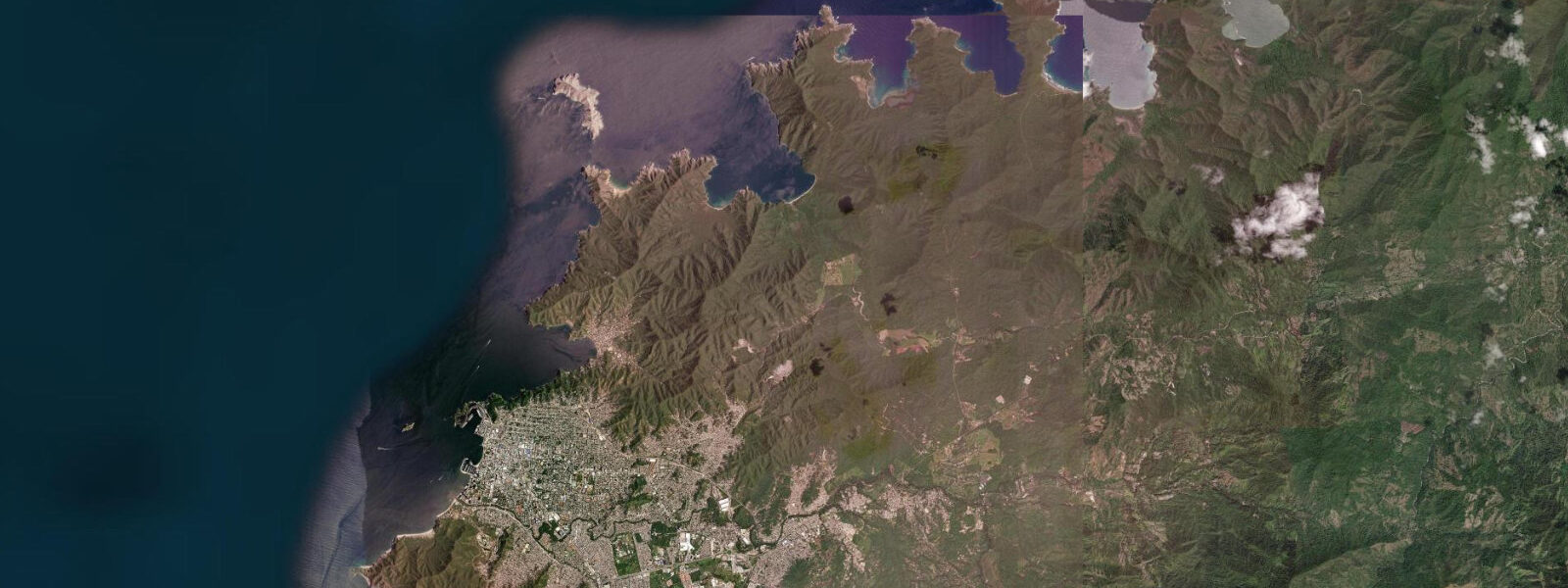
Taganga, Colombia tide times
Taganga, Colombia tide forecast — heights relative to MSL.
Today's tide times for Taganga, Colombia
Tide times at Taganga, Colombia on Tuesday, 4 August 2026: first high tide at 16:10. Sunrise 05:45, sunset 18:20.
Tide chart for Taganga, Colombia
24-hour cosine-interpolated curve around the present moment. Heights relative to MSL. Predictions: Predictions: Open-Meteo Marine (MeteoFrance SMOC, 0.08° grid).
Sun, moon and conditions on Tue 04 Aug
Snapshot at build time — refreshes daily. Sea state from Open-Meteo Marine.
Highs and lows next 7 days
Every predicted high and low for the next week, with the daily tidal coefficient (0–120; higher = bigger swing, > 95 means stronger currents).
Other spots nearby
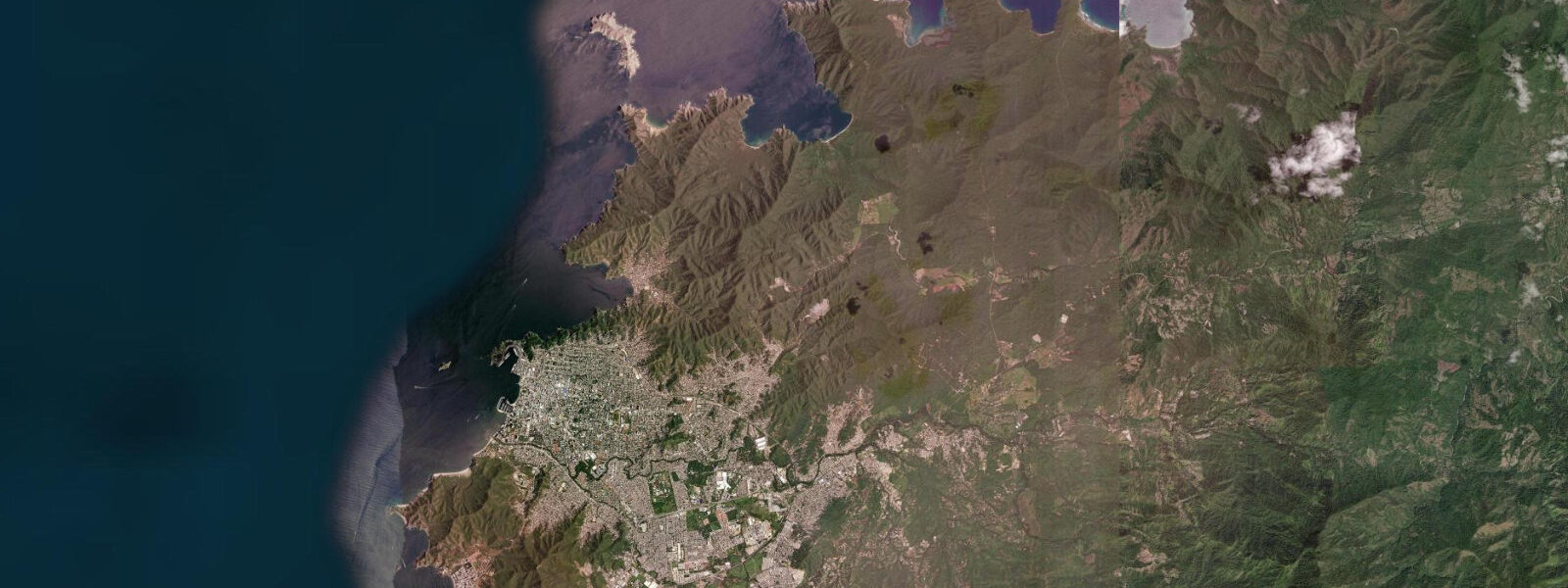
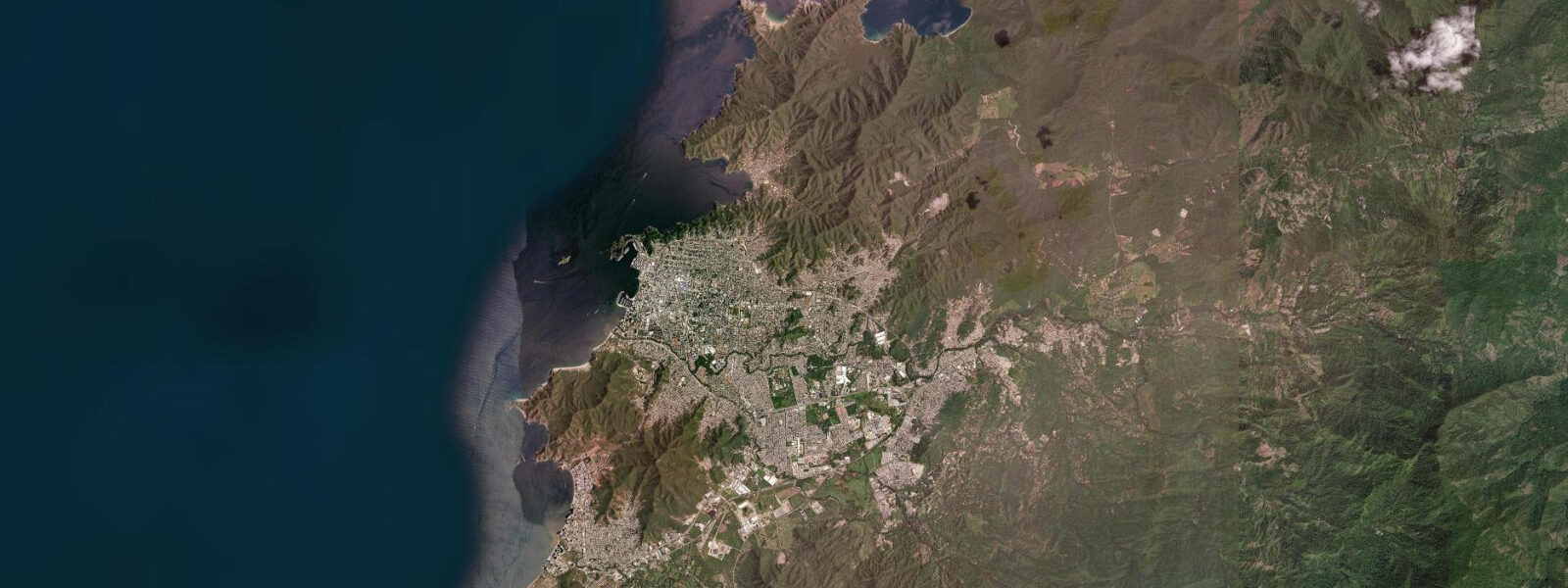
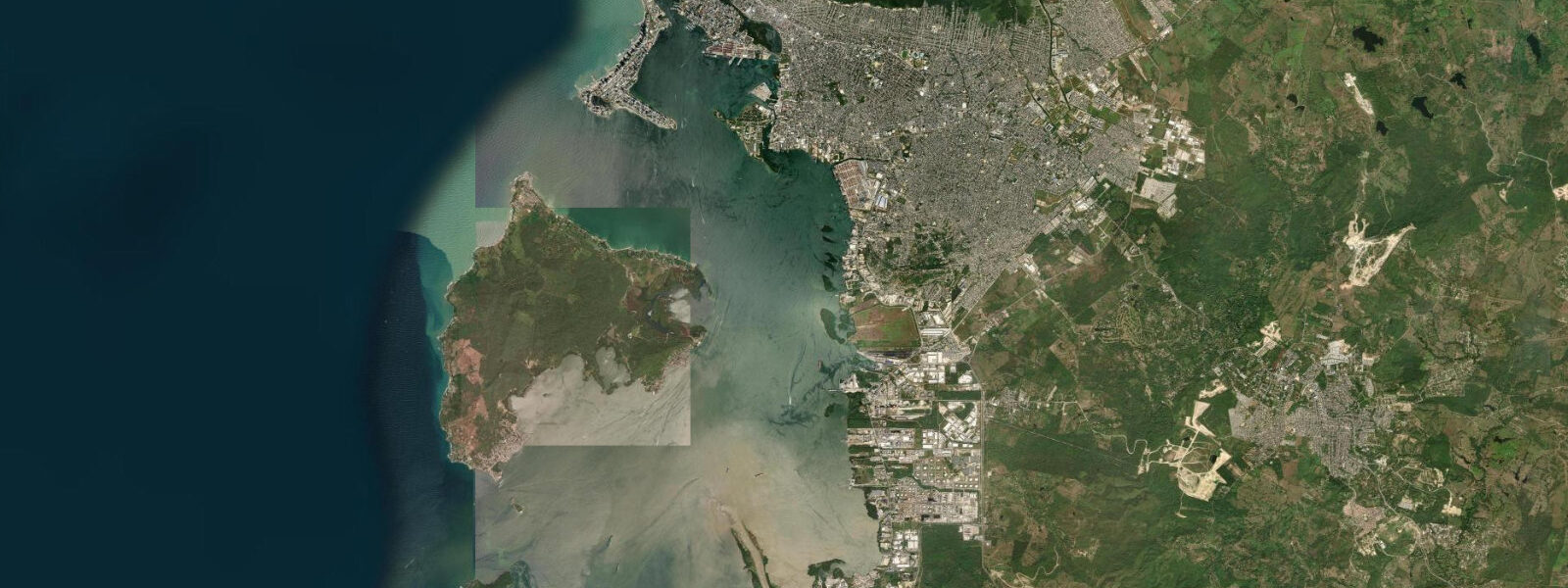
The three closest curated TideTurtle locations to Taganga, Colombia, measured by great-circle distance.
Today's solunar windows
Solunar tradition: major periods are the ≈3h windows around moon transit and opposition; minor are ≈2h around moonrise and moonset. Pair with the local tide stage and wind for the best read.
About tides at Taganga, Colombia
A short guide to the coastline at Taganga, Colombia — geography, sea state, and what the tide is actually doing under your feet.
Taganga is a small fishing bay 5 km northeast of Santa Marta's city centre by road over a low rocky ridge, or by boat around the point in 15 minutes. The bay sits in a cove between dry scrub-covered hills, the water a clear turquoise in the inner cove dropping to dark blue at the headlands. The village grew from a traditional fishing community into a backpacker base over the 1990s and 2000s, building a dense concentration of dive schools, hostels, and open-air restaurants along the single beach road.
The tidal pattern is microtidal Caribbean: spring range 25–40 cm, mixed semidiurnal. Open-Meteo Marine provides the forecast data — timing accuracy ±45 minutes, height accuracy ±0.2–0.3 m. The enclosed bay geometry moderates wind chop, and the tidal range is small enough that it rarely affects dive operations or beach access. The real water-condition driver at Taganga is the northeast trade wind: calm mornings from November through April, with afternoon chop building after 11 am.
Taganga is the most competitive market for PADI dive courses on the Colombian Caribbean coast. Multiple schools offer open-water certification at prices significantly below the regional average — the competition between schools benefits students. The dive sites north of Taganga toward Parque Nacional Natural Tayrona include the Piedra del Medio wall (starts at 18 m, drops to 30 m with sea fans and black coral), the Granate site with coral formations at 10–22 m, and the Isla El Morro sea mount with pelagic species including eagle rays. Water visibility is typically 10–20 m from December through April and decreases in the wet season.
For anglers, the rocky points on either side of Taganga Bay hold snapper and barracuda accessible from kayak or small panga. The pier at the eastern end of the beach is active in the early morning with local fishermen. Spanish mackerel run along the coast in December–February and are taken by trolling. Snook work the river mouths east of Taganga (Río Piedras, Río Manzanares) on incoming tides.
Beach families find Taganga's main beach usable — the sand is grey rather than white, the water is clear, and the bay is calm in the morning. The beach sees steady boat traffic from diving pangas and the launches to Tayrona. A 40-minute boat ride from Taganga reaches the Tayrona beaches (Arrecifes, La Piscina, Cabo San Juan) that are considered among Colombia's finest.
Photographers get strong material at dawn before the village activates: the fishing pangas at anchor, the ridge behind the bay still in shadow, the blue water already lit. The pelican roost on the eastern rocks is active at first light.
Tide questions about Taganga, Colombia
Quick answers to the most common questions about tide times, range, and water access at Taganga, Colombia.
Is Taganga a good base for diving Parque Nacional Natural Tayrona?
Taganga is the main logistics base for the dive sites between the bay and the Tayrona park boundary to the northeast. Most dive schools in Taganga run daily boats to the key sites: Piedra del Medio, Granate, Isla El Morro, and the Tayrona park boundary reef at Chengue. Open-water certification courses typically include dives at these sites. The park's marine area is accessible by boat from Taganga in 15–30 minutes depending on destination. Dive conditions are best December through April — clearest water (10–20 m visibility), calmest seas, most consistent diving. The rainy season (May–October, especially August–October) reduces visibility significantly.
What is the tidal range at Taganga Bay?
Spring tidal range is 25–40 cm — standard for the Colombian Caribbean coast. The bay's enclosed geometry and the small tidal range mean water level changes minimally across the tidal cycle — a few centimetres of beach exposure is the practical result. Open-Meteo Marine provides forecast data with ±45-minute timing accuracy and ±0.2–0.3 m height accuracy. Dive operators at Taganga plan departure times around the afternoon wind buildup rather than tidal state — the northeast trades are the dominant operational variable, not the tide. The most productive fishing windows (snapper at the rocky points) follow incoming tide timing, which the forecast data supports.
How safe is Taganga for travellers?
Taganga's safety profile has been mixed over the years — the concentration of backpacker tourism and the relative isolation from Santa Marta's main tourist police presence created opportunistic crime issues. As of current knowledge, the situation has improved significantly with increased police presence, but standards change. Check current traveller advisories and recent visitor reports before the trip. Practical precautions: don't carry valuables on the beach (bags left unattended are a consistent theft target), use recommended accommodation rather than the cheapest hostel, and take a taxi or Uber back to Santa Marta after dark rather than the shared colectivo. The central beach area during daytime is generally straightforward.
What fishing is available from Taganga?
The rocky points on either side of Taganga Bay, most easily accessed by kayak or small panga hired from the beach, hold yellowtail snapper, red snapper, barracuda, and occasional cobia over the rocky substrate at 5–15 m depth. Dawn and dusk are the productive windows; daytime dive boat traffic disperses fish from the shallower sites. Spanish mackerel run the coastline between Taganga and Tayrona from December through February and are taken on trolled rapala-style lures at 4–6 knots. The incoming tidal phase (±2 hours around high water) consistently outperforms ebbing tide for the reef species. No tackle shops operate in the village — bring gear from Santa Marta.
How do I get to the Tayrona beaches from Taganga?
Water taxis from Taganga's pier make the 40-minute run to Arrecifes or Cabo San Juan de la Guía on the Tayrona park coast. This is generally faster and more direct than the land approach from the park's El Zaino entrance (which requires a 2-hour drive from Santa Marta plus a 45-minute walk or horse ride through the forest). The boat route bypasses the crowded park entrance and delivers passengers directly to the beaches. Boat schedules are morning-dominated — departures typically run 8–11 am. Return boats leave by 3–4 pm before afternoon seas build. Confirm current prices and schedules with the boatmen at the Taganga pier; the park imposes separate entry fees paid on arrival at the beach.
7-day tide table — Taganga, Colombia
Heights relative to MSL. Predictions: Open-Meteo Marine (MeteoFrance SMOC, 0.08° grid) — heights relative to MSL (not chart datum / LAT). Model-derived.
| Day | Type | Time | Height |
|---|---|---|---|
| Tue 04 Aug | High | 16:10 | 0.3m |
| Wed 05 Aug | Low | 09:00 | 0.0m |
| High | 16:50 | 0.4m | |
| Thu 06 Aug | — | ||
| Fri 07 Aug | — | ||
| Sat 08 Aug | Low | 11:10 | -0.0m |
| High | 19:06 | 0.4m | |
| Sun 09 Aug | Low | 12:00 | -0.1m |
| High | 20:06 | 0.4m | |
| Mon 10 Aug | Low | 12:50 | -0.1m |
| High | 18:00 | 0.3m | |