Fuzhou tide times
Fuzhou tide forecast — heights relative to MSL.
Tide chart for Fuzhou
24-hour cosine-interpolated curve around the present moment. Heights relative to MSL. Predictions: Predictions: Open-Meteo Marine (MeteoFrance SMOC, 0.08° grid).
Sun, moon and conditions on Tue 04 Aug
Snapshot at build time — refreshes daily. Sea state from Open-Meteo Marine.
Highs and lows next 7 days
Every predicted high and low for the next week, with the daily tidal coefficient (0–120; higher = bigger swing, > 95 means stronger currents).
Other spots nearby
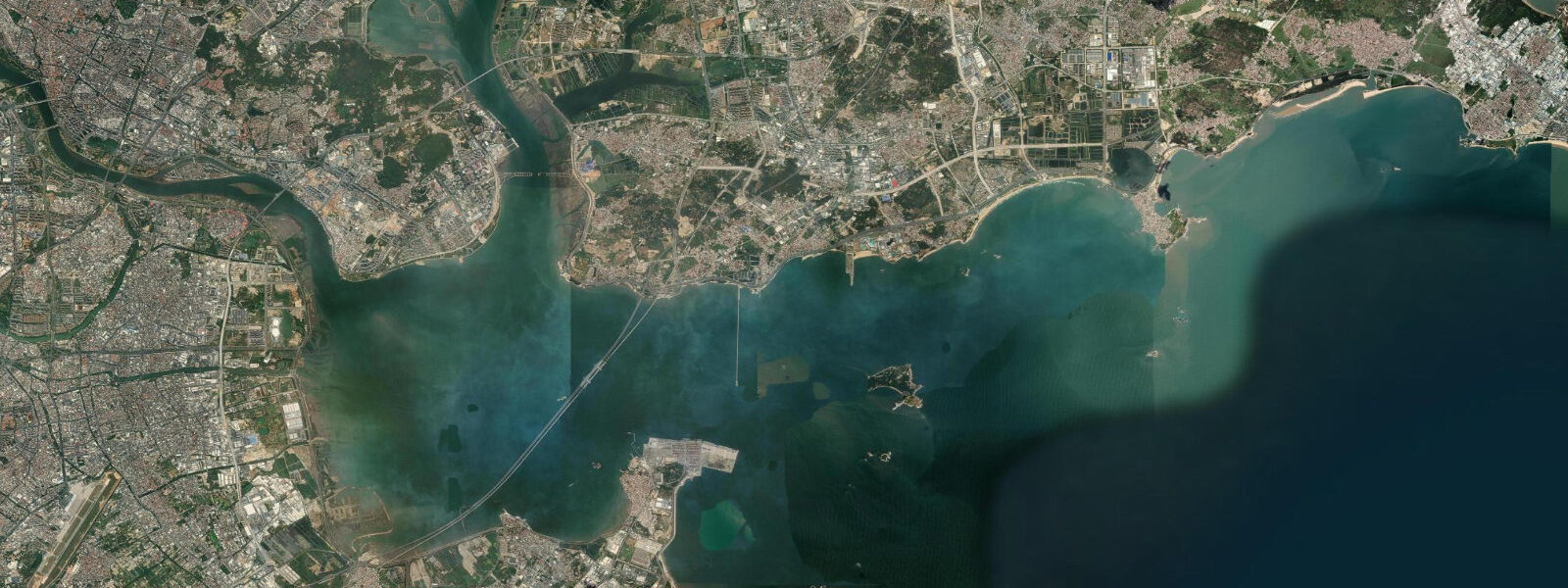
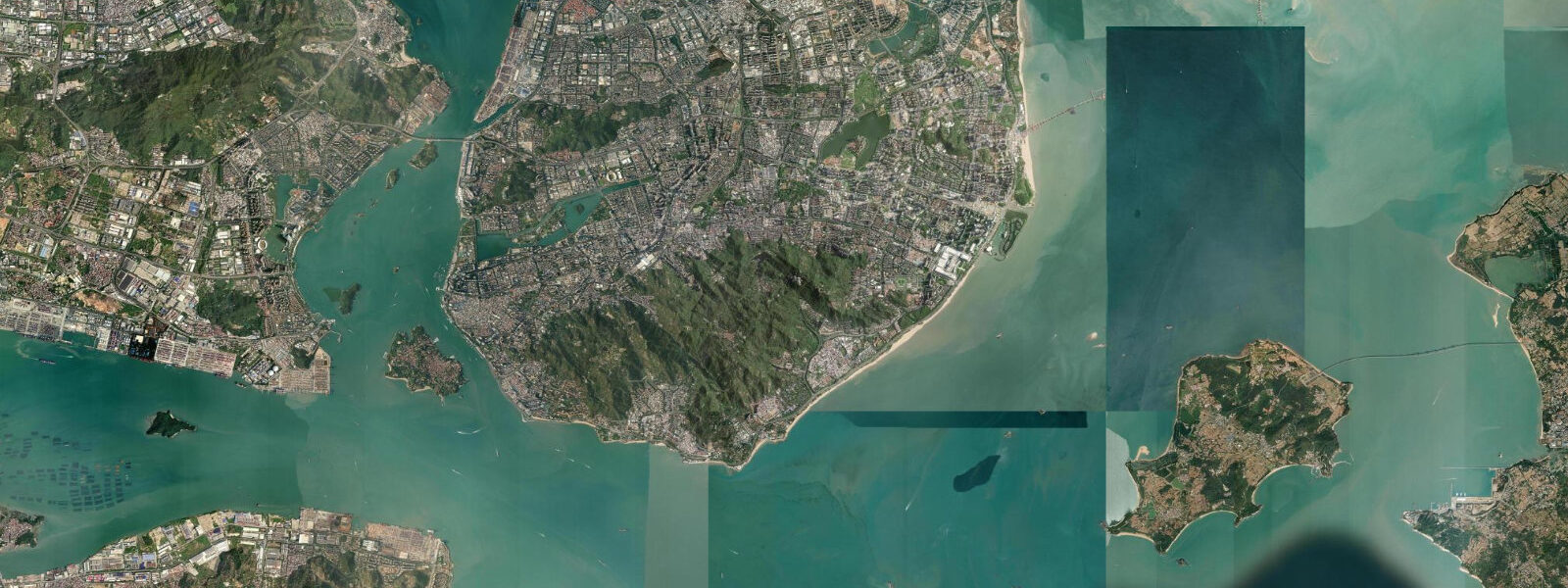
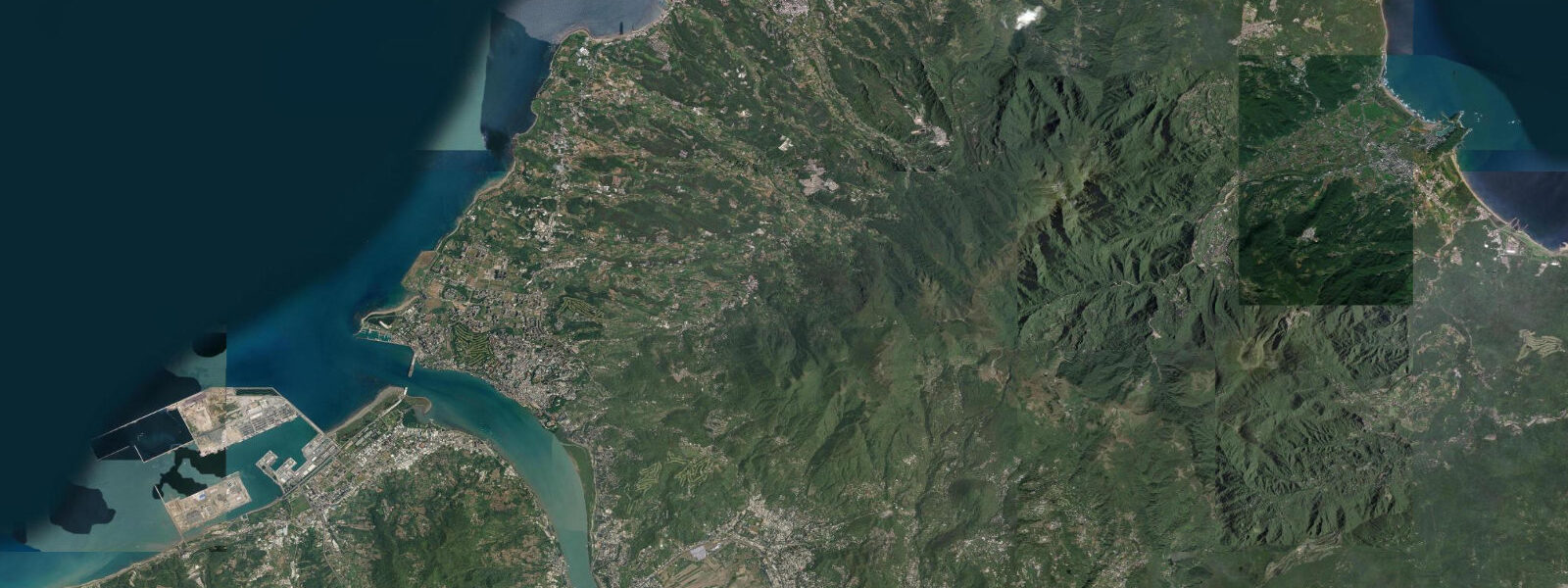
The three closest curated TideTurtle locations to Fuzhou, measured by great-circle distance.
Today's solunar windows
Solunar tradition: major periods are the ≈3h windows around moon transit and opposition; minor are ≈2h around moonrise and moonset. Pair with the local tide stage and wind for the best read.
About tides at Fuzhou
A short guide to the coastline at Fuzhou — geography, sea state, and what the tide is actually doing under your feet.
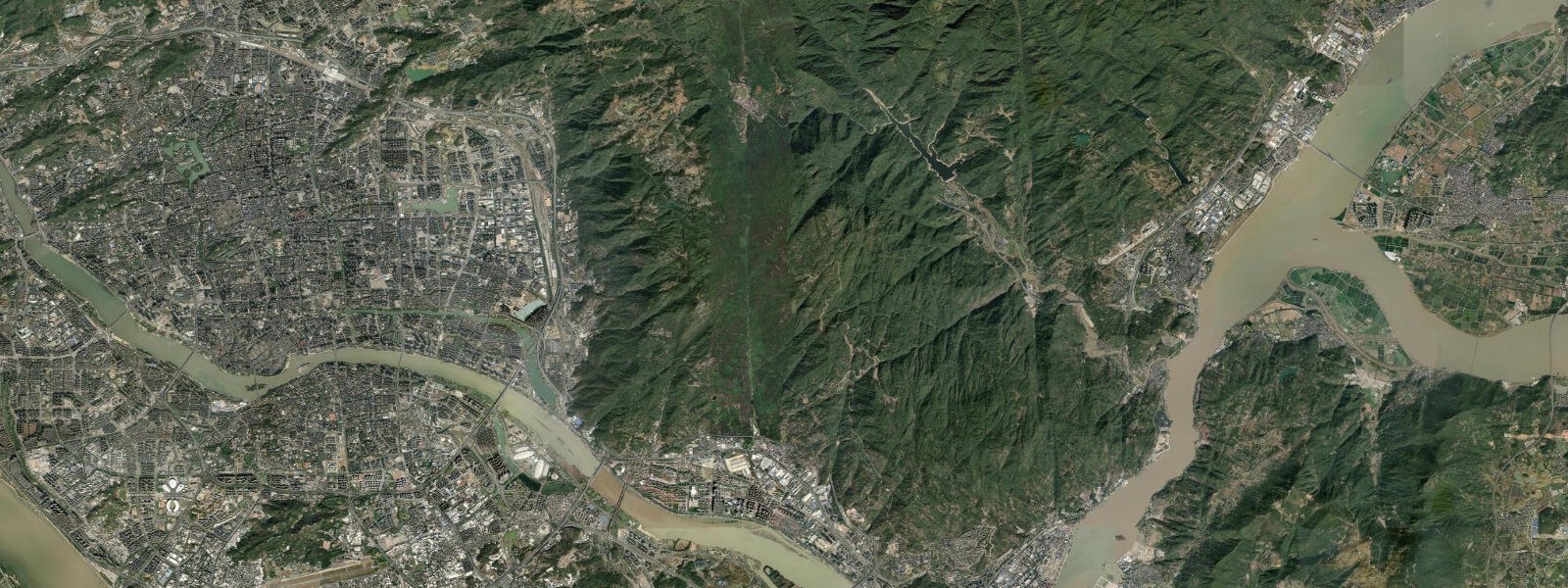
Fuzhou is the capital of Fujian Province, built on the north bank of the Min River (Minjiang) approximately 50 km upstream from the river mouth at Mawei on the Taiwan Strait. The city has a maritime history that stretches back over 2,000 years; during the Song Dynasty (960–1279 CE) it was one of China's most important export ports, shipping Fujian porcelain and silk to Southeast Asia and beyond via the maritime Silk Road. Today the Mawei district on the Min River estuary is the main deep-water commercial port, while the historic Three Lanes and Seven Alleys district in the city centre preserves the stone-and-wood merchant architecture of the Ming and Qing dynasties.
The tidal regime at Fuzhou is semidiurnal with a spring range of approximately 5.0 m above Chart Datum at the Mawei port area. This is one of the largest tidal ranges on the Chinese coast. Mean high water springs reaches approximately 4.5 m above Chart Datum; mean low water springs drops to approximately 0.3–0.5 m. Neap range narrows to 2.0–2.5 m. The Taiwan Strait's geometry — a roughly north-south channel 200 km wide between mainland Fujian and Taiwan — funnels tidal energy and amplifies range compared to the open Pacific. Tidal current in the strait reaches 2–4 knots on springs in the main channel.
The Min River tidal bore is the most dramatic tidal event in the Fuzhou area. On spring tides, the tidal wave advances up the Min River from the estuary as a visible bore — a wave front 0.3–0.8 m high — travelling upstream at 10–15 km/h. The bore is observable from the riverbanks between Mawei and the Fuzhou city centre (approximately 20 km of river). The best positions for viewing are at the river bends where the bore is most sharply defined; the bore arrives approximately 2–3 hours after high water at the river mouth, depending on river flow and tidal height. Spring tides produce the most pronounced bores; the bore is most powerful after heavy rainfall when river flow is high.
For commercial shipping, the Mawei deep-water port operates independently of tidal state for vessels with drafts up to 12 m; the channel is dredged. Smaller vessels operating in the Min River estuary above the port need to plan around the 5.0 m spring range — the tidal current in the main channel runs 2–3 knots on springs and the water level change requires careful anchorage depth calculation.
Fishing on the Min River estuary and the Fujian coast targets a wide range of species. Eel migration from the Min River estuary in autumn is a traditional fishery; yellow croaker (huangyu) fishing from Fuzhou boats in the Taiwan Strait is a culturally important seasonal activity. The strong tidal current at the strait provides highly productive feeding conditions for fish on the current edges; trawler and line-fishing fleets time their operations to the spring ebb, when current is strongest and fish concentrate.
For visitors, the Mawei waterfront provides direct access to the tidal character of the Min River. At spring low water, the mudflats on the inner curves of the river expose for several hundred metres; at spring high water the waterfront promenades at Mawei are at the same level as the water surface. The tidal staining on the stone quay faces shows the 5.0 m range clearly as a brown band on the lower quay walls.
All tide predictions for Fuzhou come from the Open-Meteo Marine gridded model. Timing accuracy is ±45 minutes; height accuracy is ±0.3 m above Chart Datum.
Fuzhou's traditional food culture has a strong tidal imprint: the Min River estuarine zone between Mawei and the bay supports one of China's most productive dace (meirei) and eel fisheries. The traditional Fuzhou dish of eel cooked in red fermented tofu (fu yi shaohe) uses river eel caught from the estuarine zone, where the freshwater-saltwater boundary on the Min River spring flood is most productive for eel concentration. The Min River mudskipper (dantu, Boleophthalmus pectinirostris) — a tidal-flat fish that breathes air and walks on its fins — is also a traditional Fuzhou delicacy harvested from the low-water mudflats of the inner estuary. Visitors to the Mawei waterfront at spring low water will see mudskippers on the exposed mudflats.
Tide questions about Fuzhou
Quick answers to the most common questions about tide times, range, and water access at Fuzhou.
What is the tidal range at Fuzhou and how does it affect shipping on the Min River?
Fuzhou has a semidiurnal spring tidal range of approximately 5.0 m above Chart Datum at the Mawei port area. Mean high water springs is around 4.5 m; mean low water springs around 0.3–0.5 m. The Mawei deep-water port is dredged for vessels drawing up to 12 m and operates independently of tidal state for commercial traffic. Smaller vessels in the Min River estuary above the port must plan around the 5.0 m range: the tidal current in the main channel runs 2–3 knots on springs, and anchor scope should be calculated for the full spring range. Tide predictions carry ±45 minutes timing uncertainty and ±0.3 m height uncertainty.
Where can visitors see the Min River tidal bore near Fuzhou?
The Min River tidal bore advances upstream from the Mawei estuary on spring tides as a wave front 0.3–0.8 m high, travelling at 10–15 km/h. The bore is visible from the riverbanks between Mawei and the Fuzhou city centre. The best viewing positions are at river bends where the bore front is sharpest. The bore arrives approximately 2–3 hours after high water at the river mouth; check the Fuzhou tide table for spring high water times and add 2–3 hours for a first estimate. Spring tides 2–3 days after full or new moon produce the most pronounced bores. Heavy rainfall intensifies the bore.
What is the Taiwan Strait tidal current and how does it affect small-boat operations?
The Taiwan Strait carries tidal current of 2–4 knots in the main channel on spring tides, flowing north on the flood and south on the ebb. Small-boat operators crossing the strait or navigating along the Fujian coast should plan passages to use the current rather than fight it — a 3-knot adverse current effectively halves the speed of a 6-knot vessel. The current is strongest in the central channel; the coastal margin within a few kilometres of the Fujian shore has reduced current due to the shallowing depth. Fishing boats time their out-and-return passages to the tidal direction.
What fish are caught in the Fuzhou area and when?
Yellow croaker (huangyu) is the most culturally significant Fujian coastal fish — a seasonal spring fishery in the Taiwan Strait feeds the regional festival market. Eel migration down the Min River estuary in autumn is a traditional trap fishery. The strong Taiwan Strait tidal currents produce highly productive conditions for yellow croaker and hairtail (beltfish) on the current edges; trawlers and line boats time operations to the spring ebb. Mudskipper (dantu) and fiddler crab are harvested from the Min River tidal mudflats at low water — a traditional intertidal fishery still practised from villages around the estuary.
What historical maritime sites can visitors see in Fuzhou?
The Mawei Shipbuilding Museum (at the site of the 19th-century Fuzhou Arsenal — the first modern shipyard in China, established 1866) is 15 km downriver from the city centre. The Three Lanes and Seven Alleys historic district in the Fuzhou city centre preserves merchant-era architecture from the Song through Qing dynasties, including the residence of naval reformer Shen Baozhen. The Min River waterfront at Mawei has been preserved in sections with original stone quay faces showing tidal staining; the difference between spring high and low water is visible as a distinct 4.5–5.0 m discoloration band on the lower quay walls.
0-day tide table — Fuzhou
Heights relative to MSL. Predictions: Open-Meteo Marine (MeteoFrance SMOC, 0.08° grid) — heights relative to MSL (not chart datum / LAT). Model-derived.
| Day | Type | Time | Height |
|---|