Dalcahue tide times
Dalcahue tide forecast — heights relative to MSL.
Today's tide times for Dalcahue
Tide times at Dalcahue on Tuesday, 4 August 2026: first high tide at 04:09, first low tide at 10:18, second high tide at 16:15, second low tide at 22:38. Sunrise 08:01, sunset 18:00.
Tide chart for Dalcahue
24-hour cosine-interpolated curve around the present moment. Heights relative to MSL. Predictions: Predictions: Open-Meteo Marine (MeteoFrance SMOC, 0.08° grid).
Sun, moon and conditions on Tue 04 Aug
Snapshot at build time — refreshes daily. Sea state from Open-Meteo Marine.
Highs and lows next 7 days
Every predicted high and low for the next week, with the daily tidal coefficient (0–120; higher = bigger swing, > 95 means stronger currents).
Other spots nearby
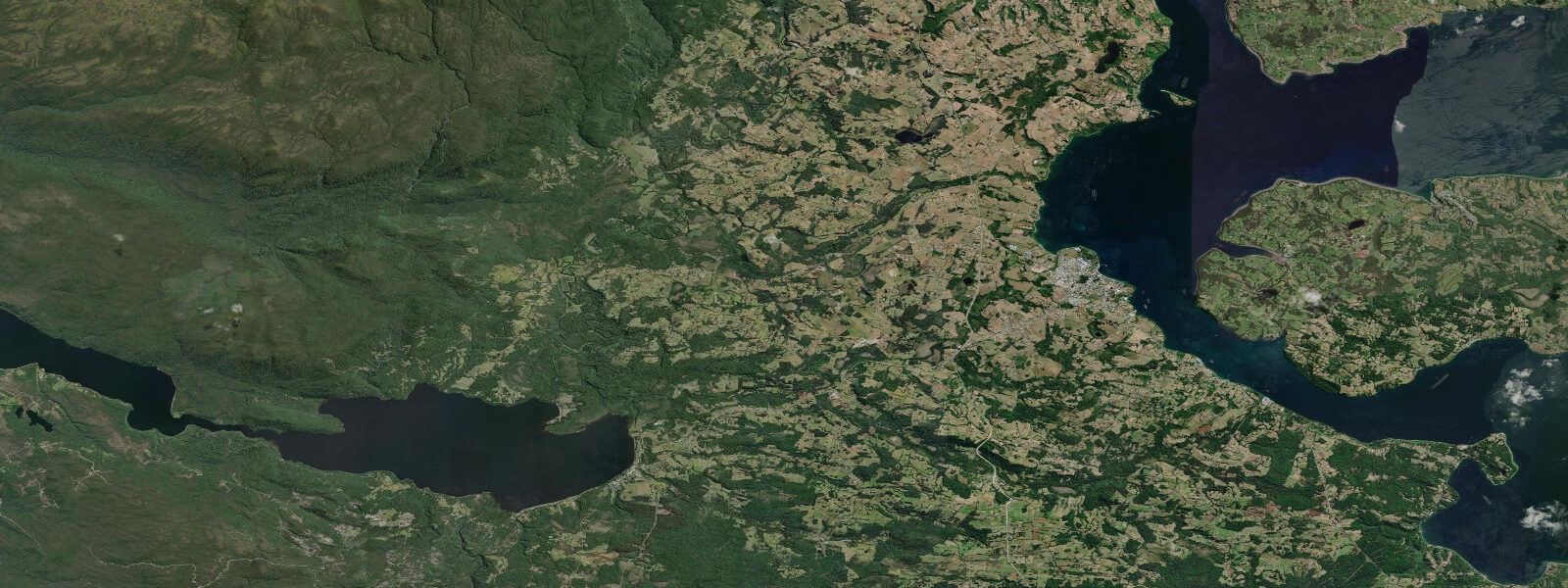
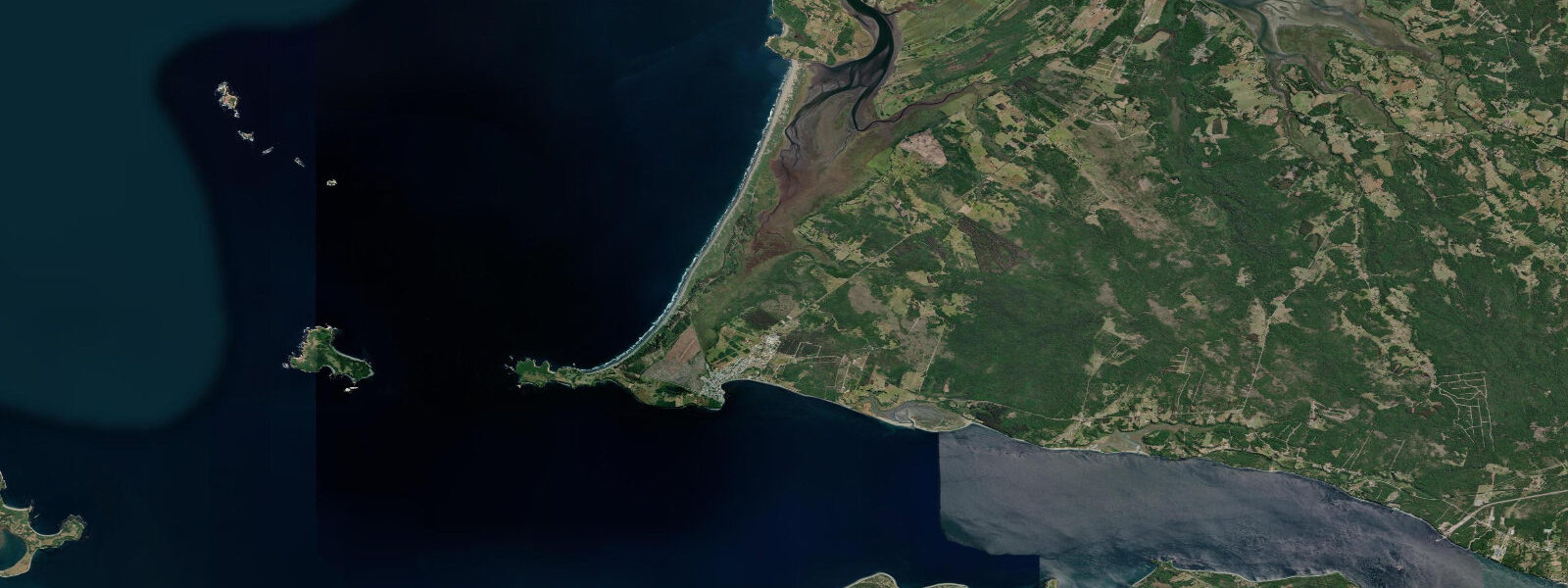
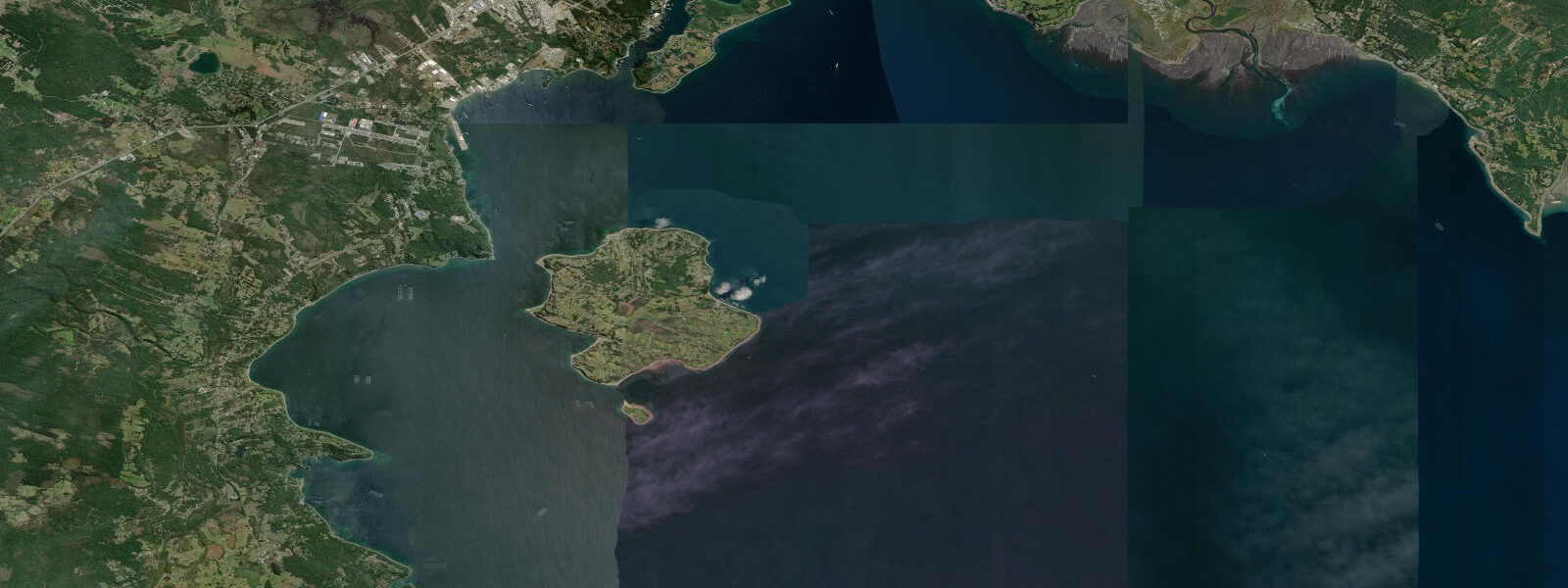
The three closest curated TideTurtle locations to Dalcahue, measured by great-circle distance.
Today's solunar windows
Solunar tradition: major periods are the ≈3h windows around moon transit and opposition; minor are ≈2h around moonrise and moonset. Pair with the local tide stage and wind for the best read.
Cycle dates near Dalcahue
Next spring tide on Tue 04 Aug (range 3.0m). Next neap on Thu 06 Aug.
Spring tides cluster around new and full moons (biggest swings). Neap tides land on quarter moons (smallest swings). See the spring tide and neap tide glossary entries for the why.
About tides at Dalcahue
A short guide to the coastline at Dalcahue — geography, sea state, and what the tide is actually doing under your feet.
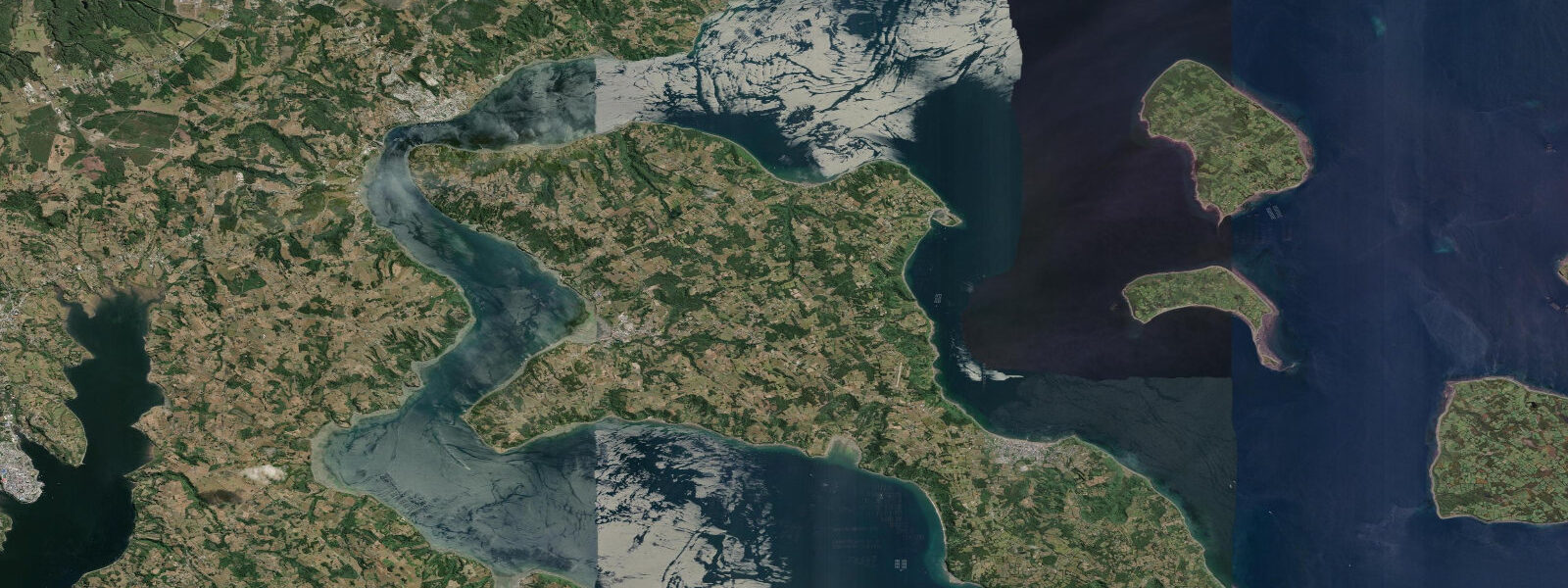
Dalcahue is a small town on Chiloé's eastern coast, 20 km north of Castro on the inner channel. The town faces east across the Canal de Dalcahue toward the Quinchao Archipelago; the inter-island ferry from Dalcahue's port serves Quinchao Island and the smaller islands of the archipelago beyond. The palafito architecture along Dalcahue's waterfront is less photographed than Castro's but equally representative: wooden stilt houses over the tidal flat, boat access at high water, and the full mud flat exposed at spring low.
The tidal regime at Dalcahue follows the inner-channel Chiloé pattern: macrotidal semidiurnal with spring range approximately 4.5–5.5 m above Chart Datum. The inner channel position means the range is slightly moderated compared to the Chacao narrows to the north. The tidal flat on the Dalcahue waterfront exposes 100–200 m at spring low water; the ferry terminal is positioned on the outer edge of the tidal flat where a minimum depth of 1.5 m is maintained at spring low tide for the roll-on/roll-off ferry.
The Dalcahue Saturday market (Feria de Dalcahue) is the primary cultural event in the town: artisans from the archipelago islands and local agricultural producers bring handmade woollen goods (the Chiloé wool tradition, including the famous chiloé-weave sweaters and rugs), vegetables, mariscos, and smoked fish. Ferry arrivals from the outer islands begin around 06:00; the market is active 07:00–13:00 on Saturdays. For the most complete version of the market — including the boat-arrived producers — visit at high water when the greatest number of vessels can access the inner dock.
The town is also the main access point for the Tenaún and Achao churches on the outer islands — two of the UNESCO-listed Chiloé wooden churches. The ferry to Quinchao and beyond operates multiple daily crossings; scheduling is managed around the tidal window at the Quinchao Island landing ramps, where low water at spring tide can prevent vessel access.
Fishing from the Dalcahue waterfront and from the rocky outcrops at the channel edge targets robalo (Eleginops maclovinus, a southern sea bass), corvina, and pejerrey on the incoming tide. The inner channel concentrates fish on the flood when bait moves in from the outer islands; the two-to-three hour window after the predicted low on a spring tide is generally the most productive shore-casting window. Kelp (Macrocystis pyrifera) beds in the channel provide habitat for juvenile fish and are most accessible to snorkellers at high water.
Tide predictions here come from Open-Meteo Marine: accuracy ±45 min / ±0.2–0.3 m. SHOA (Servicio Hidrográfico y Oceanográfico de la Armada de Chile) publishes official tide tables for Dalcahue and the surrounding archipelago.
The ferry service from Dalcahue to Quinchao Island (landing at Curaco de Vélez, 15 minutes) is one of the busiest inter-island routes in the Chiloé archipelago; the Trans Chiloé ferry runs multiple daily sailings. The ferry landing ramp at both Dalcahue and Curaco de Vélez is tidal-depth dependent: at spring low water the ramp approach shallows and the ferry schedule is adjusted to avoid the lowest-tide windows. Posted schedules at the terminal always reflect the current tidal restrictions. The 15-minute crossing gives good views of the channel tidal current between the islands.
The Chiloé food culture extends fully to Dalcahue's market: choritos (blue mussels, Mytilus chilensis), machas (razor clams), picorocos (giant barnacles, Austromegabalanus psittacus), and the various smoked and dried seafood products that define the Chiloé pantry are all available from the market stalls.
The Inter-island ferry system connecting Dalcahue to Quinchao and the outer Chiloé islands is operated by Trans Chiloé; the schedules are available online and posted at the Dalcahue terminal. The ferry to Curaco de Vélez (15 minutes) runs multiple times daily; the schedule accounts for tidal restrictions at the Curaco landing ramp which shallows at spring low water. The tidal dependency of ferry operations in the Chiloé archipelago is not exceptional — it is the normal operating environment for island logistics in the region, and the operators have managed it over generations.
Tide questions about Dalcahue
Quick answers to the most common questions about tide times, range, and water access at Dalcahue.
When does the Saturday market at Dalcahue run, and does tide affect it?
The Dalcahue Saturday market runs from approximately 07:00 to 13:00. Artisans and producers from the outer archipelago islands arrive by boat; the most complete market — with the widest range of island goods — is at high water when the greatest number of vessels can access the inner dock and unload without waiting for a tide window. Check the predicted high time on this page for the next Saturday before planning your visit. At spring low tide the inner dock becomes inaccessible to deeper-draft vessels and some island sellers may arrive late or not at all. Confirm market access timing for a specific date using the SHOA Dalcahue tide prediction to identify whether the Saturday high water falls in the morning market window.
Where do the tide predictions on this page come from?
Open-Meteo Marine, a free gridded global ocean model. Accuracy is typically ±45 minutes on timing and ±0.2–0.3 m on height. SHOA (Servicio Hidrográfico y Oceanográfico de la Armada de Chile) publishes official tide tables for Dalcahue and the Chiloé archipelago stations. For navigation between the islands, use SHOA data. This page is not for navigation. SHOA publishes a specific tide prediction table for Dalcahue, which differs slightly from Castro due to the channel geometry. SHOA's tide tables for Chiloé are available at shoa.cl; the Dalcahue station predictions are listed separately from Castro.
How much does the tidal flat at Dalcahue expose at low tide?
At spring low water the Dalcahue waterfront tidal flat exposes approximately 100–200 m from the high-water line to the waterline. The outer edge of the flat stays wet; the upper portions dry to firm mud. The palafito stilt houses stand fully above the high-water mark on piles; the space beneath the structures is exposed at low water. The ferry terminal is on the outer edge of the flat where 1.5 m depth is maintained at spring low; at neap tide the exposure is less dramatic. At spring low tide the maximum exposure at Dalcahue reaches approximately 200 m from the high-water mark to the channel edge.
Are the Chiloé wooden churches accessible from Dalcahue?
Yes. Dalcahue is the main ferry access point for the outer island churches — including the Nuestra Señora de Gracia church at Tenaún (accessible by ferry from Dalcahue, 45 minutes) and the Santa María de Loreto church at Achao on Quinchao Island (ferry, 60 minutes). Ferry scheduling is managed around tidal windows at the island landing ramps; at spring low tide the ramp access on some outer islands is restricted. Check the ferry schedule with Naviera Austral and confirm that the crossing timing aligns with a navigable tidal window. SHOA operates the Chacao Channel current prediction model; confirm timing directly with SHOA for any vessel transit planning.
Is snorkelling or diving in the Dalcahue channel suitable for recreational divers?
The channel carries Macrocystis pyrifera kelp forests and a productive reef community, but it is a cold-water, high-tidal-current environment not suitable for recreational diving without local guidance and appropriate equipment. Water temperature year-round is 10–13°C (full drysuit required). Spring tidal current in the channel runs 1.0–2.0 knots; dive timing must be planned for slack water at high or low. Entry and exit points on the rocky shoreline require care at tidal transitions. This is technical diving; contact a Dalcahue or Castro dive operator before planning a channel dive. Dalcahue's local dive operator (if operating) can arrange cold-water dive planning around the channel's tidal current schedule.
7-day tide table — Dalcahue
Heights relative to MSL. Predictions: Open-Meteo Marine (MeteoFrance SMOC, 0.08° grid) — heights relative to MSL (not chart datum / LAT). Model-derived.
| Day | Type | Time | Height |
|---|---|---|---|
| Tue 04 Aug | High | 04:09 | 1.7m |
| Low | 10:18 | -1.2m | |
| High | 16:15 | 1.6m | |
| Low | 22:38 | -1.5m | |
| Wed 05 Aug | High | 04:51 | 1.5m |
| Low | 11:08 | -1.2m | |
| High | 17:04 | 1.2m | |
| Low | 23:24 | -1.3m | |
| Thu 06 Aug | High | 05:45 | 1.4m |
| Low | 12:11 | -1.0m | |
| High | 18:11 | 0.9m | |
| Fri 07 Aug | Low | 00:22 | -0.9m |
| High | 06:57 | 1.4m | |
| Low | 13:42 | -0.9m | |
| High | 19:45 | 0.7m | |
| Sat 08 Aug | Low | 01:47 | -0.9m |
| High | 08:25 | 1.4m | |
| Low | 15:14 | -1.3m | |
| High | 21:27 | 0.6m | |
| Sun 09 Aug | Low | 03:12 | -1.2m |
| High | 09:48 | 1.5m | |
| Mon 10 Aug | Low | 04:26 | -1.5m |
| High | 10:53 | 1.9m | |
| Low | 17:27 | -2.2m | |
| High | 19:00 | -1.7m |