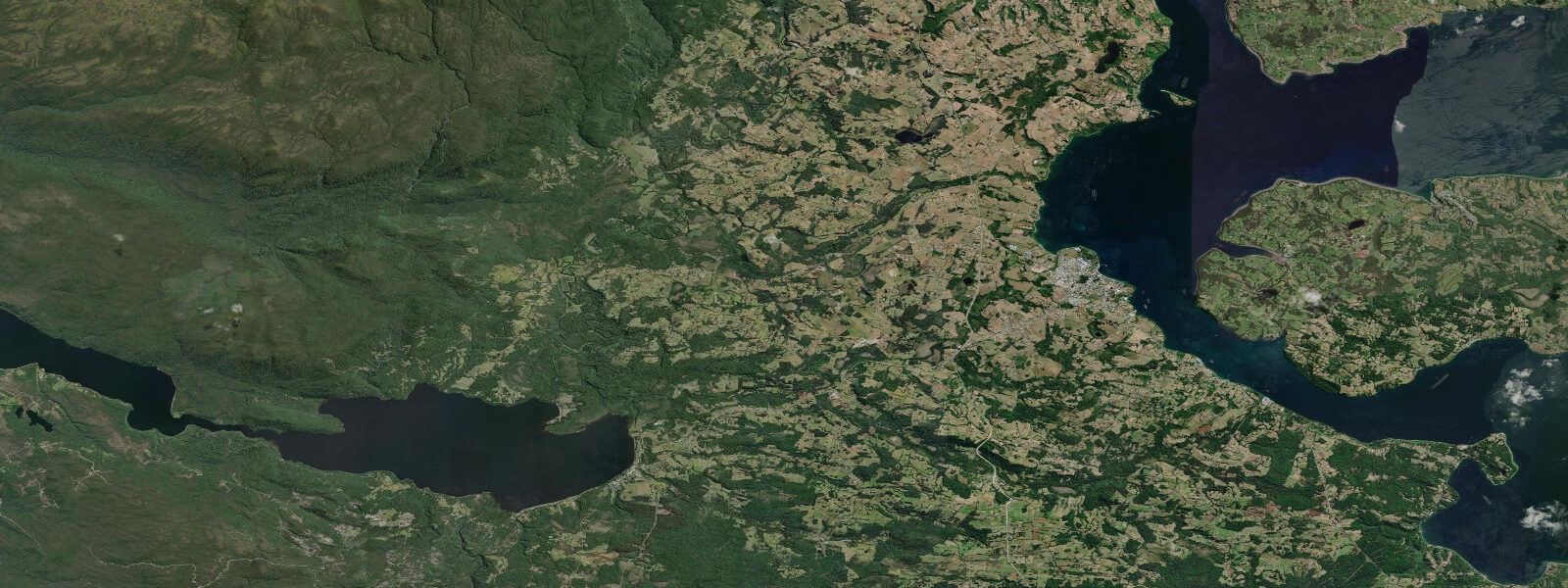
Chiloé Island tide times
Chiloé Island tide forecast — heights relative to MSL.
Today's tide times for Chiloé Island
Tide times at Chiloé Island on Tuesday, 4 August 2026: first high tide at 02:36, first low tide at 08:23, second high tide at 14:12, second low tide at 20:54. Sunrise 08:02, sunset 18:01.
Tide chart for Chiloé Island
24-hour cosine-interpolated curve around the present moment. Heights relative to MSL. Predictions: Predictions: Open-Meteo Marine (MeteoFrance SMOC, 0.08° grid).
Sun, moon and conditions on Tue 04 Aug
Snapshot at build time — refreshes daily. Sea state from Open-Meteo Marine.
Highs and lows next 7 days
Every predicted high and low for the next week, with the daily tidal coefficient (0–120; higher = bigger swing, > 95 means stronger currents).
Other spots nearby
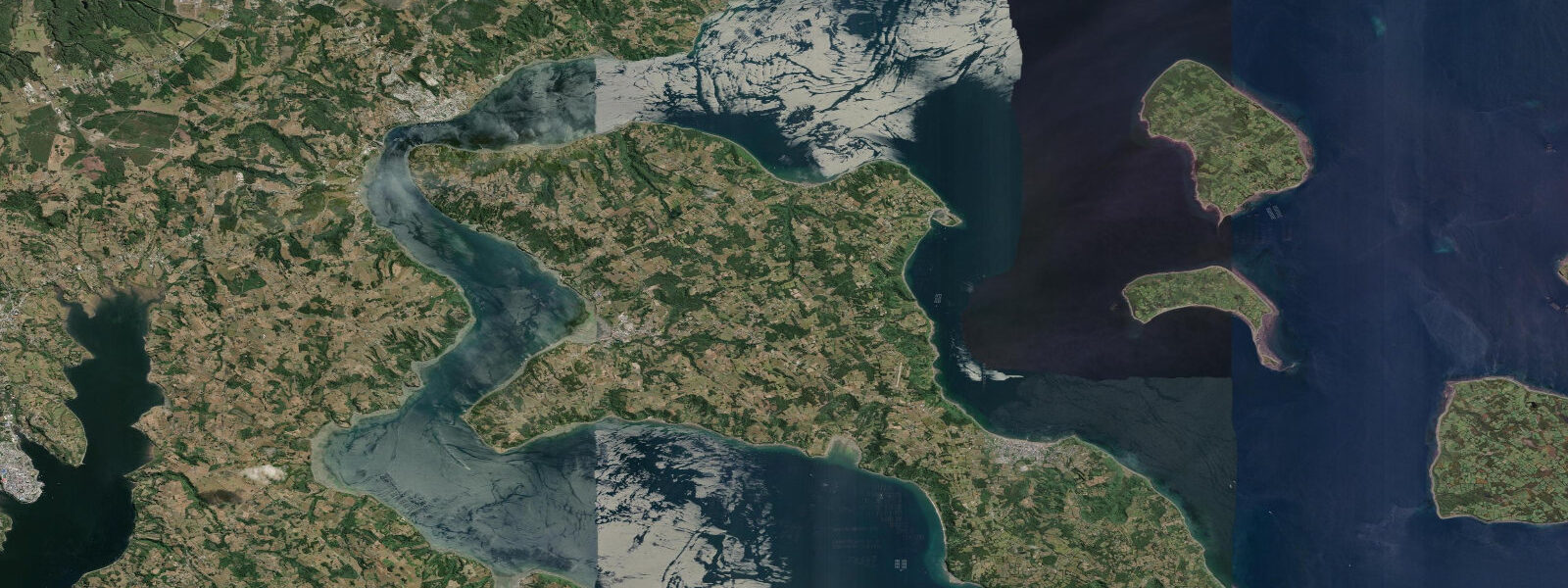
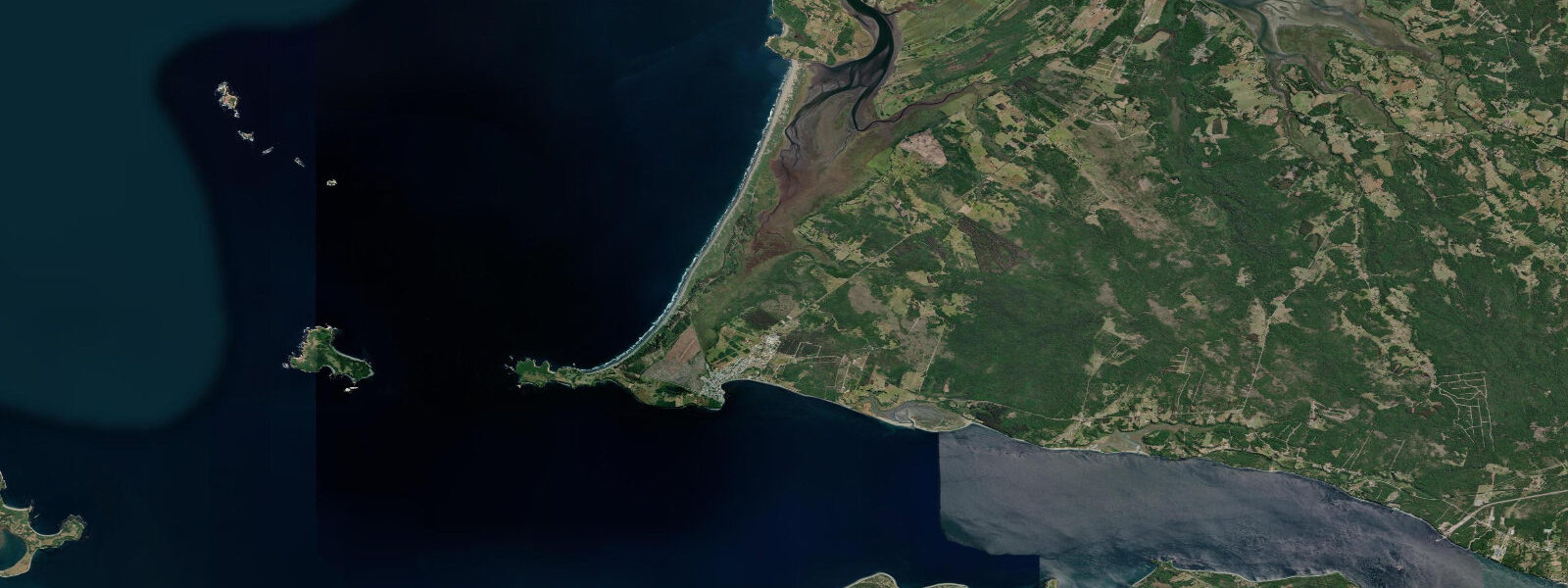
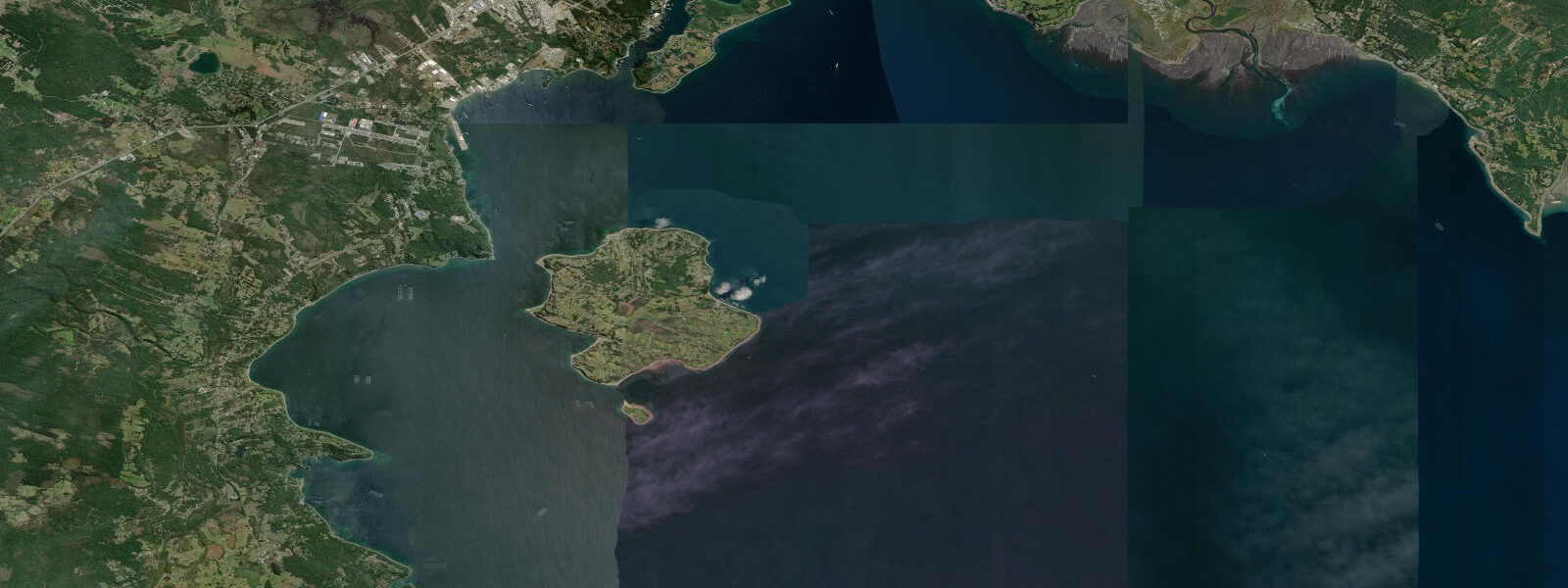
The three closest curated TideTurtle locations to Chiloé Island, measured by great-circle distance.
Today's solunar windows
Solunar tradition: major periods are the ≈3h windows around moon transit and opposition; minor are ≈2h around moonrise and moonset. Pair with the local tide stage and wind for the best read.
Cycle dates near Chiloé Island
Next spring tide on Sun 09 Aug (range 1.6m). Last neap on Mon 03 Aug.
Spring tides cluster around new and full moons (biggest swings). Neap tides land on quarter moons (smallest swings). See the spring tide and neap tide glossary entries for the why.
About tides at Chiloé Island
A short guide to the coastline at Chiloé Island — geography, sea state, and what the tide is actually doing under your feet.
Chiloé is the second-largest island in South America after Tierra del Fuego, approximately 180 km long and 50 km wide, separated from the Chilean mainland by the Chacao Channel in the north and the Boca del Guafo strait in the south. The island faces the open Pacific on its western coast and the sheltered inner channels on the eastern coast; the tidal environments of the two coasts are markedly different. Castro, the island's largest city, sits at the inner end of a long fjord-like inlet on the eastern coast.
The tidal regime at Chiloé is macrotidal semidiurnal. Spring range at the Chacao Channel narrows is approximately 5.0–6.0 m above Chart Datum; inside Castro Fjord the range is slightly lower as the fjord attenuates the tidal prism. Two nearly equal highs and two nearly equal lows occur each day. The Chacao Channel — the 2.5 km strait between Chiloé's northern tip and the mainland at Pargua — concentrates the tidal exchange between the open Pacific and the inner canal system; spring currents through the narrows run 3–5 knots, making it one of the most significant tidal current hazards on the Chilean coast.
Chiloé's architecture is inseparable from the tidal regime. The palafito stilt houses of Castro and Dalcahue are built directly over the tidal flat: the wooden structures sit on piles above the high-water line, with boat access at all tide states beneath the floor level. The low-water tidal flat below the palafitos dries completely at spring low tide, exposing the mud and gravel floor beneath the structures. At high water the flat is covered and the boats float alongside. This tidal-adaptive architecture evolved over several centuries and is one of the defining cultural expressions of island Chile. The Castro palafitos, photographed extensively, are on the inner harbour; the full low-tide mud exposure beneath them is most visible on spring tides.
The western coast of Chiloé — accessible by local roads from Ancud and Castro — faces the open Pacific and receives full South Pacific swell. Beaches at Cucao and Tepuhueico inside the Chiloé National Park are remote, exposed, and backed by dense valdivian temperate rainforest. Surf at Cucao is consistent and relatively powerful; the beach is accessible to 4WD in winter and by regular road in summer. The western coast tidal flats at low water expose extensive intertidal zones used for harvesting mariscos — particularly the piure (Pyura chilensis) and lapa (Patella species) limpets that are endemic to the Chilean southern coast.
Ferry crossings from Pargua to Chonchi or La Arena serve the Chacao Channel; the Naviera Austral and Trans Chiloé ferries time their crossings to avoid the peak spring current through the narrows, departing within two hours of slack water. SHOA publishes specific Chacao Channel current tables in addition to tide height tables. Open-Meteo Marine provides predictions here: accuracy ±45 min / ±0.2–0.3 m.
The Chiloé Archipelago's wooden churches — 16 of which are UNESCO World Heritage listed — were built from local alerce (Fitzroya cupressoides) and cypress wood by Jesuit missionaries during the 17th–18th centuries. The churches are clustered in villages connected by boat access; the Dalcahue, Achao, and Castro churches are the most visited. The building form — a distinct 'Chilote' style of wooden nave facade — was adapted for the high-rainfall, high-tidal-range environment of the islands, and many churches sit on slightly elevated ground to avoid the occasional spring-high-tide flooding of the coastal village sites.
The Chiloé Archipelago's weather is the defining factor in coastal access planning beyond tidal timing. The island averages 1,800–2,500 mm of rain per year, with the western coast receiving more than the sheltered eastern coast. Fog is frequent year-round; the visibility in the Chacao Channel can drop to under 200 m in persistent fog, and the ferries operate on radar in these conditions. The combination of macrotidal range, strong tidal current, fog, and significant rainfall makes Chiloé one of the more challenging coastal environments for independent navigation in South America.
Tide questions about Chiloé Island
Quick answers to the most common questions about tide times, range, and water access at Chiloé Island.
What is the tide like at the Chacao Channel, and is it dangerous?
The Chacao Channel is one of the most significant tidal current environments on the Chilean coast. Spring currents through the 2.5 km narrows reach 3–5 knots; the channel reverses direction with each tide turn and produces a series of standing waves and overfalls at peak current. Commercial ferries cross the channel and time their departures to slack water. For private vessels, SHOA publishes both tide height tables and specific current tables for Chacao; cross within two hours of the predicted slack (high or low) and consult local pilots if in doubt. Kayaking or swimming in the main Chacao current is not appropriate. The narrows at Chacao produce a significant standing wave and overfalls at peak tidal current; these are visible from the ferry during the crossing.
When does the low-tide flat below the Castro palafitos fully expose?
The tidal flat beneath the Castro palafito stilt houses is fully exposed at spring low water, when the predicted low drops 2.5–3.0 m below the mean water level. On a spring low the mud and gravel floor is visible beneath the structures and the boats that normally float alongside are resting on the flat. This full exposure happens roughly four days on either side of the new and full moon. Check the predicted spring low times on this page. The exposure is most dramatic in the early morning when spring lows coincide with daylight; late-afternoon spring lows also occur depending on the lunar phase. Spring lows occur around new and full moon; the most dramatic palafito exposure is in the days immediately before and after the spring period.
Where do the tide predictions on this page come from?
Open-Meteo Marine, a free gridded global ocean model. Accuracy is typically ±45 minutes on timing and ±0.2–0.3 m on height. SHOA (Servicio Hidrográfico y Oceanográfico de la Armada de Chile) publishes official tide tables for Chiloé, including the Castro Fjord station and specific Chacao Channel current predictions. Chiloé is one of SHOA's highest-priority gauge areas given the commercial ferry traffic and the tidal complexity. For navigation, use SHOA tables. This page is not for navigation. SHOA's Los Lagos tide gauge network includes gauges at Castro, Dalcahue, and the Chacao Channel, giving detailed local data.
Is the western coast of Chiloé accessible for surfing?
Yes, but with significant access and logistics considerations. The beaches at Cucao and Tepuhueico on the western Pacific coast receive consistent South Pacific swell and produce quality waves from 0.5–2.0 m on most swells, occasionally larger on winter (May–August) storm swells. The roads to the western coast are partially unpaved and in poor condition from June through September; the Chiloé National Park entrance requires a fee. There are no surf shops or rescue services on the western coast. The tidal range here is similar to the eastern coast (5.0–6.0 m spring), and surf quality at the beach breaks varies significantly with tide state — mid-tide generally gives the most consistent shape. Surf forecast resources for the western Chiloé coast include MagicSeaweed and Surf-Forecast.com, which cover the Cucao area.
What is the best way to experience the tidal cycle at Chiloé?
The Castro palafitos at a spring low tide give the most immediate visual representation of Chiloé's tidal environment. Arrive at the palafito waterfront 90 minutes before the predicted low (check this page for today's predicted low) and watch the flat gradually emerge beneath the stilt houses. The Dalcahue waterfront and the ferry terminal area also give good low-tide views. Combine a spring low tide visit with the Dalcahue Saturday market, which starts at 08:00 and includes local producers from the archipelago islands who arrive by boat. The Dalcahue Saturday market combined with a spring low tide palafito visit is the recommended combination for a single-day Chiloé experience from Castro.
7-day tide table — Chiloé Island
Heights relative to MSL. Predictions: Open-Meteo Marine (MeteoFrance SMOC, 0.08° grid) — heights relative to MSL (not chart datum / LAT). Model-derived.
| Day | Type | Time | Height |
|---|---|---|---|
| Tue 04 Aug | High | 02:36 | 0.6m |
| Low | 08:23 | -0.1m | |
| High | 14:12 | 0.6m | |
| Low | 20:54 | -0.4m | |
| Wed 05 Aug | High | 03:24 | 0.5m |
| Low | 21:38 | -0.4m | |
| Thu 06 Aug | High | 04:37 | 0.5m |
| Low | 11:18 | -0.2m | |
| Fri 07 Aug | High | 05:52 | 0.6m |
| Low | 13:12 | -0.2m | |
| High | 18:18 | 0.1m | |
| Sat 08 Aug | Low | 00:10 | -0.3m |
| High | 07:06 | 0.6m | |
| Low | 14:36 | -0.5m | |
| Sun 09 Aug | High | 08:19 | 0.6m |
| Low | 15:25 | -0.8m | |
| High | 21:10 | -0.1m | |
| Mon 10 Aug | Low | 02:24 | -0.7m |
| High | 09:15 | 0.7m | |
| Low | 16:07 | -0.9m | |
| High | 19:00 | -0.4m |