Tadoussac tide times
Tadoussac tide forecast — heights relative to MSL.
Today's tide times for Tadoussac
Tide times at Tadoussac on Tuesday, 4 August 2026: first low tide at 12:04am, first high tide at 06:02am, second low tide at 12:28pm, second high tide at 06:39pm. Sunrise 05:18am, sunset 08:11pm.
Tide chart for Tadoussac
24-hour cosine-interpolated curve around the present moment. Heights relative to MSL. Predictions: Predictions: Open-Meteo Marine (MeteoFrance SMOC, 0.08° grid).
Sun, moon and conditions on Tue 04 Aug
Snapshot at build time — refreshes daily. Sea state from Open-Meteo Marine.
Highs and lows next 7 days
Every predicted high and low for the next week, with the daily tidal coefficient (0–120; higher = bigger swing, > 95 means stronger currents).
Other spots nearby
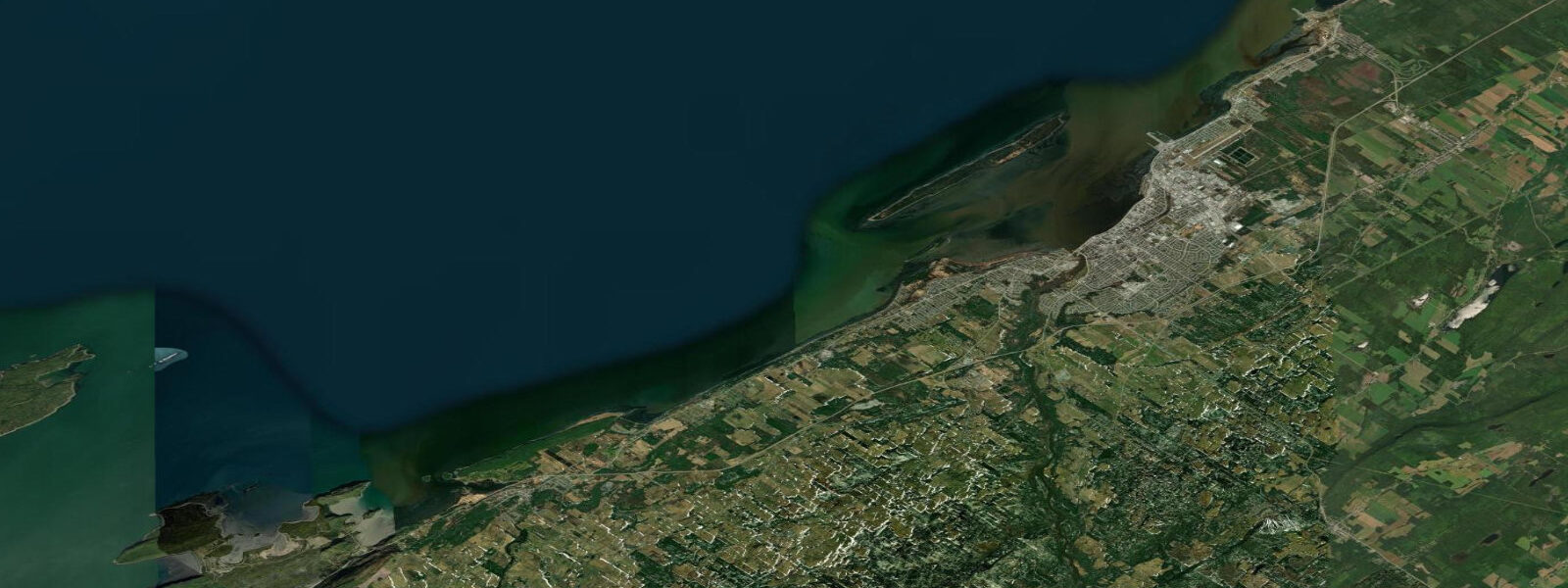
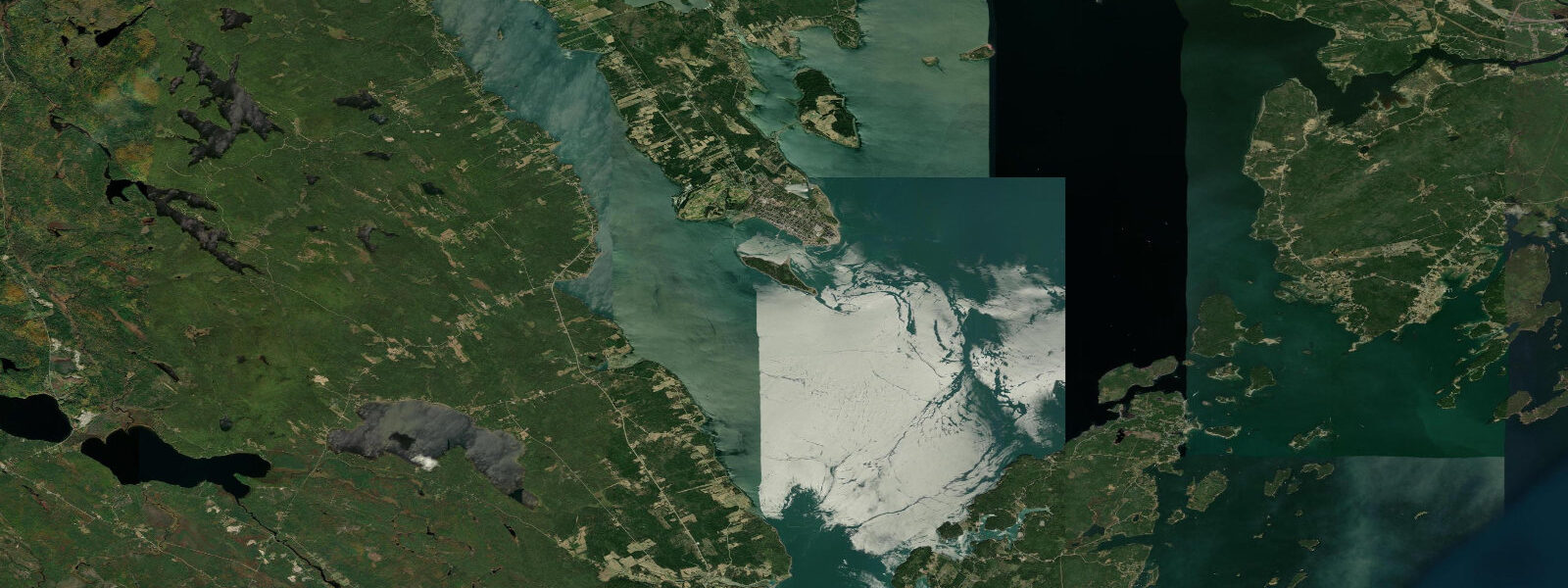
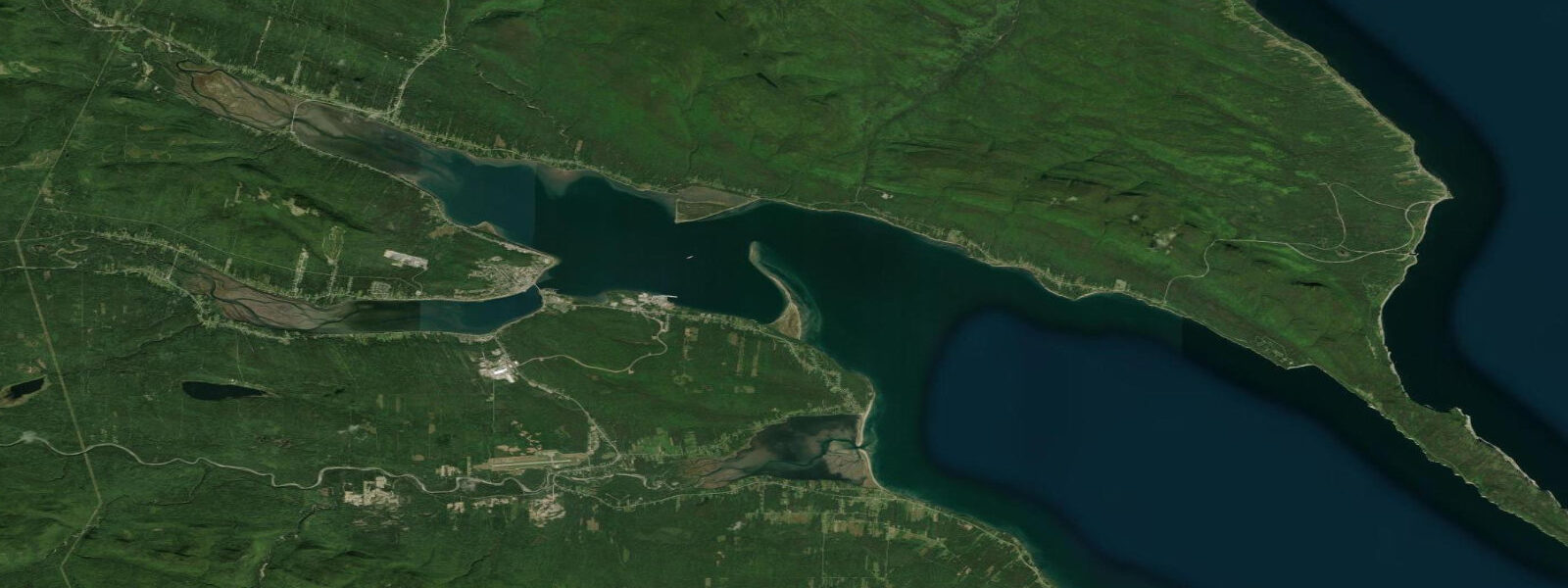
The three closest curated TideTurtle locations to Tadoussac, measured by great-circle distance.
Today's solunar windows
Solunar tradition: major periods are the ≈3h windows around moon transit and opposition; minor are ≈2h around moonrise and moonset. Pair with the local tide stage and wind for the best read.
Cycle dates near Tadoussac
Last spring tide on Mon 03 Aug (range 3.0m). Next spring tide on Sun 09 Aug (range 3.3m). Next neap on Wed 05 Aug.
Spring tides cluster around new and full moons (biggest swings). Neap tides land on quarter moons (smallest swings). See the spring tide and neap tide glossary entries for the why.
About tides at Tadoussac
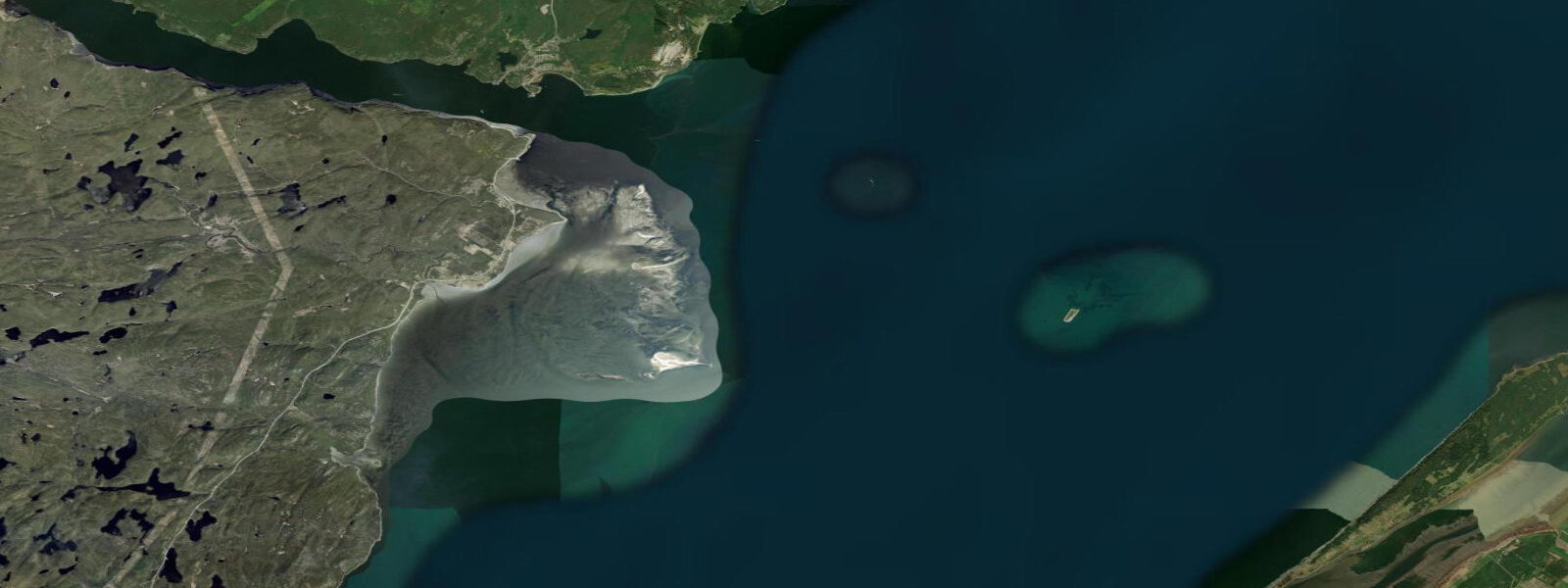
A short guide to the coastline at Tadoussac — geography, sea state, and what the tide is actually doing under your feet.
Tadoussac stands at the confluence of the Saguenay Fjord and the St. Lawrence estuary, and the tidal regime here is among the most dramatic on the Canadian Atlantic seaboard. 8 m above chart datum.
At high water the Saguenay mouth is a wide black bay; four hours later the full ebb has carved it down to exposed ledge and current-scoured gravel. The hydraulic at the fjord entrance — locally called le batailleur, the brawler — generates standing waves and boils on a spring ebb that make it unmistakeable from the ferry crossing. This current is not swimmable and should not be paddled without advanced open-water skills and local knowledge of the timing windows.
The tidal exchange is also the reason Tadoussac is the best whale-watching location in eastern North America. Cold, nutrient-rich water from the Saguenay meets the warmer surface layer of the St. Lawrence on every tidal cycle, driving upwellings that concentrate krill and small fish year-round.
Beluga whales are present in the estuary in every month; a resident population of around 60 individuals feeds on the mixing zone and can often be seen from the cape west of the ferry dock. Blue whales, finback whales, minke whales, and humpback whales arrive in May and June when the capelin spawn on the shallow offshore banks and remain through October. July and August are the peak weeks for multi-species sightings.
Whale-watching boats operating from the Tadoussac quay run morning and afternoon sailings. The morning flood tide is the most productive for belugas close to shore; afternoon trips on the ebb push further out to the blue and finback grounds. For sea kayakers, Tadoussac requires careful planning.
The current in the Saguenay mouth at mid-tide reaches 4 knots on springs and makes crossing the fjord entrance inadvisable. The sheltered cove immediately east of the hotel — Anse à l'Eau — is accessible from two hours before to two hours after high water and is one of the best beluga-viewing spots on the water. Paddle silently, stay 100 m from any animal, and let the current work for you on the return leg.
Families come to Tadoussac for the dune-backed sand beach between the hotel and the quay. The beach is small, perhaps 250 m, but protected from the prevailing northwest wind and sandy to the waterline at all tidal stages. Water temperature peaks at around 14°C in August — cold by southern standards but workable.
The beach itself is safe for children except at peak ebb when a rip runs along the western end; stay east of the breakwater rocks. The historic site at Tadoussac includes the oldest surviving wooden chapel in North America (1747) and the location of the fur-trading post established in 1600 — considered the oldest permanent European trading post on the continent. The post site is on the elevated ground above the beach and gives an elevated view of the fjord mouth and the current.
Birdwatchers find the cape and the point east of the ferry dock productive year-round. Common eiders, black guillemots, and razorbills are resident; migrant shorebirds work the tidal banks in August and September. Peregrines hunt the duck flocks on the ebb.
In winter, harlequin ducks feed in the tidal rush below le batailleur. Anglers target Atlantic cod in the deep channel below the fjord mouth on the early flood, jigging from the quay or from small charter boats. Brook trout descend the Saguenay tributaries in September on the first autumn rains; tidal-influenced pools at river mouths hold fish on the incoming water.
3 m on height). Not for navigation.
Tide questions about Tadoussac
Quick answers to the most common questions about tide times, range, and water access at Tadoussac.
What is the tidal range at Tadoussac?
Spring tidal range at Tadoussac is approximately 5.8 m above chart datum, making it one of the highest-range locations on the Quebec coast. Neap range is around 2.9 m. The large range drives the powerful tidal current at the Saguenay Fjord entrance — le batailleur — which can reach 4 knots at mid-ebb during springs. This current generates the upwelling of cold, krill-laden water that makes Tadoussac the richest whale-feeding zone in eastern North America and draws belugas, blue whales, finbacks, and minkes throughout the summer season.
When is the best time for whale watching at Tadoussac?
Beluga whales are present year-round. Blue, finback, minke, and humpback whales arrive from late May and are common through October, with peak diversity in July and August when the capelin-fed surface schools are largest. Morning flood tide sailings are most productive for belugas close to shore; afternoon ebb sailings push further out to the blue and finback feeding grounds. All commercial operators follow the Marine Mammal Regulations — minimum approach distance 400 m for blue whales, 200 m for other species.
Is sea kayaking safe at Tadoussac?
Kayaking is possible at Tadoussac but requires tidal awareness. The Saguenay fjord entrance at mid-tide runs up to 4 knots on springs — do not attempt to cross this channel without advanced paddling skills and local knowledge of the precise slack windows. The protected cove at Anse à l'Eau east of the main hotel is safe for experienced paddlers from two hours before to two hours after high water. Guided kayak tours that include tidal briefings operate from June through September and are the recommended option for visitors.
What is le batailleur?
Le batailleur — the brawler — is the tidal current at the mouth of the Saguenay Fjord at Tadoussac. On spring ebbs it reaches 4 knots and creates standing waves, boils, and turbulent surface water visible from the ferry crossing and from the cape above. The current is the result of a large tidal prism (5.8 m range) being forced through a relatively narrow fjord entrance over a shallow sill. It is responsible for the upwelling that makes the confluence zone so productive for whales and seabirds.
Is the beach at Tadoussac safe for children?
The sand beach between the hotel and the quay is generally safe for children at all tide stages. It is protected from the northwest wind and sheltered from the main fjord current. One exception: at peak ebb a rip current runs along the western end of the beach near the breakwater rocks. Stay on the eastern half of the beach with young children, especially in the two hours centred on low water during spring tides. Water temperature peaks around 14°C in August; a wetsuit extends comfort significantly for extended swimming.
7-day tide table — Tadoussac
Heights relative to MSL. Predictions: Open-Meteo Marine (MeteoFrance SMOC, 0.08° grid) — heights relative to MSL (not chart datum / LAT). Model-derived.
| Day | Type | Time | Height |
|---|---|---|---|
| Tue 04 Aug | Low | 00:04 | -1.7m |
| High | 06:02 | 1.1m | |
| Low | 12:28 | -1.9m | |
| High | 18:39 | 0.9m | |
| Wed 05 Aug | Low | 01:00 | -1.9m |
| High | 06:54 | 0.6m | |
| Low | 13:08 | -1.9m | |
| High | 19:23 | 1.0m | |
| Thu 06 Aug | Low | 01:52 | -1.7m |
| High | 07:42 | 0.4m | |
| Low | 13:56 | -1.6m | |
| High | 20:24 | 0.9m | |
| Fri 07 Aug | Low | 03:01 | -1.5m |
| High | 08:50 | 0.2m | |
| Low | 14:55 | -1.5m | |
| High | 21:34 | 1.1m | |
| Sat 08 Aug | Low | 04:20 | -1.5m |
| High | 10:18 | 0.1m | |
| Low | 16:12 | -1.4m | |
| High | 22:48 | 1.2m | |
| Sun 09 Aug | Low | 05:42 | -1.6m |
| High | 11:39 | 0.1m | |
| Low | 17:28 | -1.5m | |
| High | 23:58 | 1.4m | |
| Mon 10 Aug | Low | 06:46 | -1.9m |
| High | 12:43 | 0.4m | |
| Low | 19:00 | -1.7m |