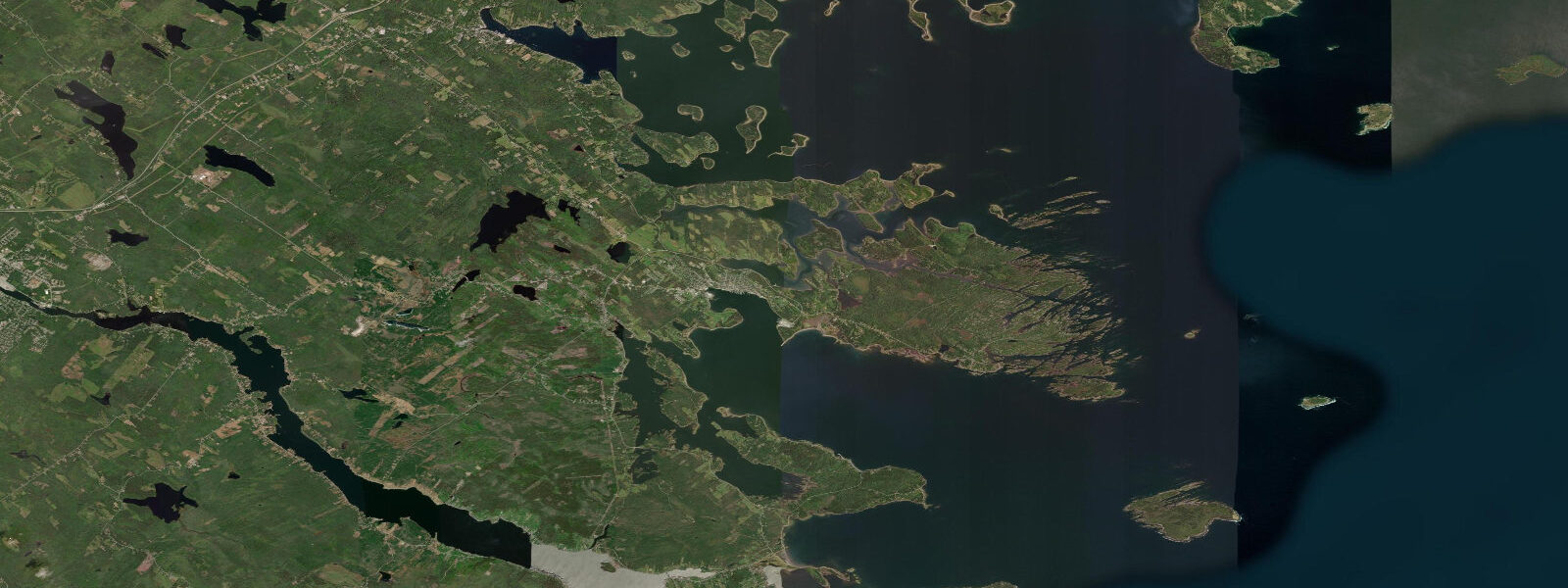
Lunenburg tide times
Lunenburg tide forecast — heights relative to MSL.
Today's tide times for Lunenburg
Tide times at Lunenburg on Monday, 3 August 2026: first low tide at 05:25am, first high tide at 11:34am, second low tide at 06:02pm, second high tide at 11:47pm. Sunrise 06:06am, sunset 08:39pm.
Tide chart for Lunenburg
24-hour cosine-interpolated curve around the present moment. Heights relative to MSL. Predictions: Predictions: Open-Meteo Marine (MeteoFrance SMOC, 0.08° grid).
Sun, moon and conditions on Mon 03 Aug
Snapshot at build time — refreshes daily. Sea state from Open-Meteo Marine.
Highs and lows next 7 days
Every predicted high and low for the next week, with the daily tidal coefficient (0–120; higher = bigger swing, > 95 means stronger currents).
Other spots nearby
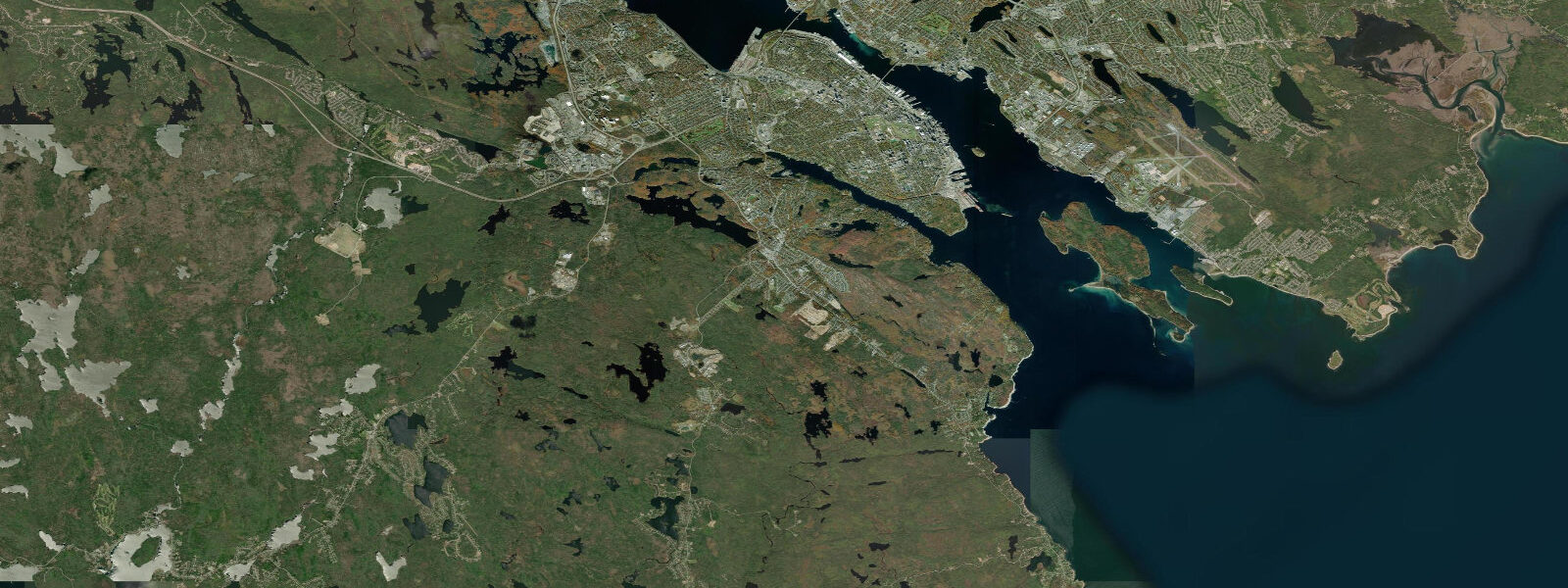
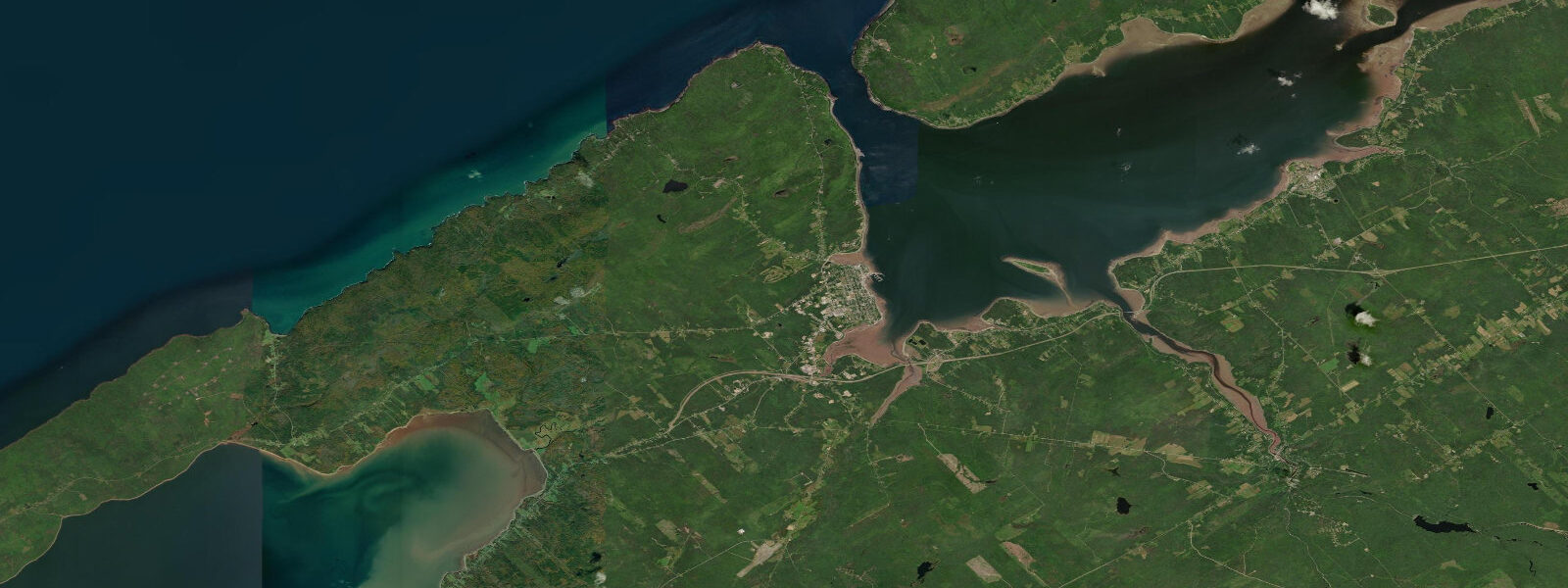
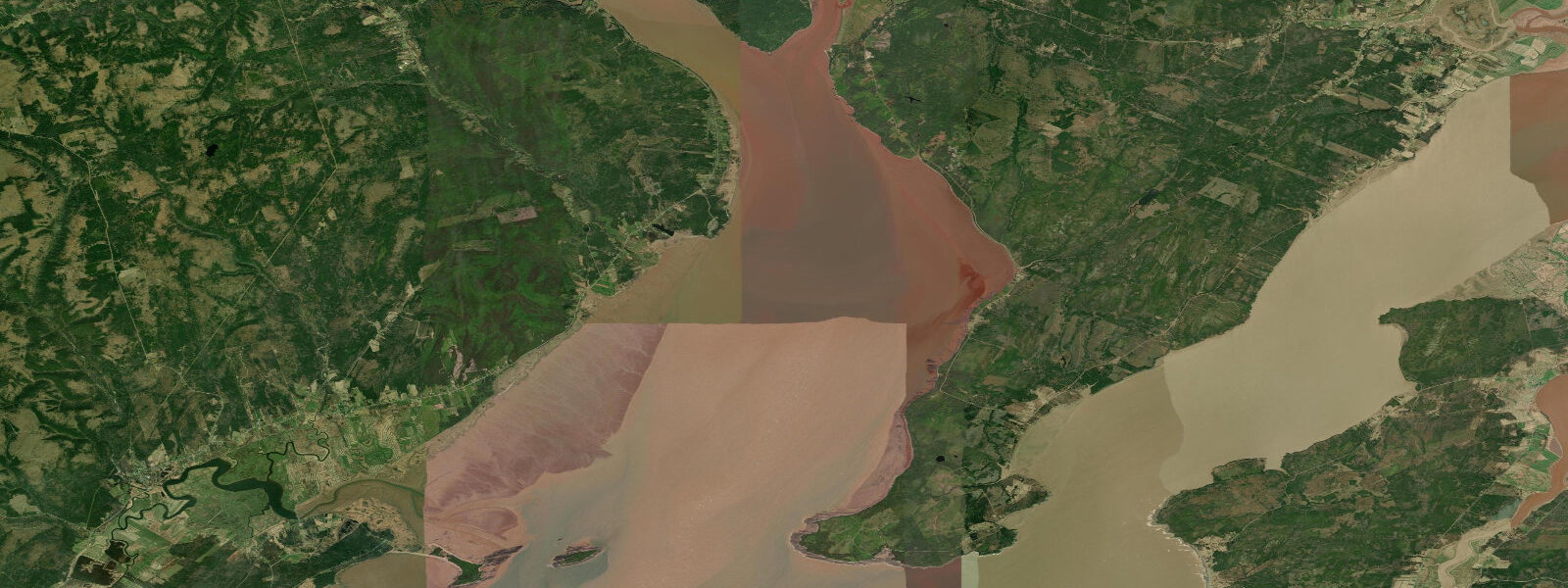
The three closest curated TideTurtle locations to Lunenburg, measured by great-circle distance.
Today's solunar windows
Solunar tradition: major periods are the ≈3h windows around moon transit and opposition; minor are ≈2h around moonrise and moonset. Pair with the local tide stage and wind for the best read.
Cycle dates near Lunenburg
Last spring tide on Sun 02 Aug (range 1.4m). Next spring tide on Fri 07 Aug (range 1.4m). Next neap on Thu 06 Aug.
Spring tides cluster around new and full moons (biggest swings). Neap tides land on quarter moons (smallest swings). See the spring tide and neap tide glossary entries for the why.
About tides at Lunenburg
A short guide to the coastline at Lunenburg — geography, sea state, and what the tide is actually doing under your feet.
Lunenburg sits on a narrow peninsula between Lunenburg Harbour and the Back Harbour, on Nova Scotia's South Shore. The town is a UNESCO World Heritage Site — not for a single monument but for its intact streetscape of German-Protestant settlers' architecture: colourful clapboard houses in a five-bump-dormer style unique to this coast, laid out on a grid that has barely changed since 1753. The tidal regime is semidiurnal with a mean spring range of approximately 2.9 metres above chart datum. Low water exposes the mud and gravel of the Back Harbour, where working groundfish and lobster vessels sit in silty berths. High water brings the harbour back up to the level of the wharves, where the Bluenose II — a full-scale working replica of the racing schooner that appeared undefeated on the Grand Banks racing circuit and on the Canadian dime — is berthed when in port.
The Fisheries Museum of the Atlantic occupies restored waterfront buildings alongside two historic schooners kept afloat in the harbour: the Cape Sable (a steel-hulled side-trawler) and the Theresa E. Connor (the last dory-fishing schooner built in Lunenburg). The museum's aquarium holds Atlantic species native to these waters: thorny skate, lobster, wolffish. For paddlers, the Back Harbour and Lunenburg Arm provide calm-water kayaking with minimal fetch; the front harbour facing LaHave Bay requires more caution — southerly swells funnel in and the chop at mid-tide can reach 0.5 to 1.0 metres near the harbour mouth. The tidal creek system draining into the Lunenburg Arm dries at low water, creating a mudflat that attracts shorebirds in migration season (late July through September): semipalmated sandpipers, dowitchers, yellowlegs.
For anglers, low water concentrates striped bass in the tidal creek channels from June through September — the run peaks in early July. Mackerel move through the harbour in mid-summer and can be jigged from the government wharf at high tide. Sea kayakers touring the South Shore typically use Lunenburg as a supply stop on the LaHave Islands route, staging from the Back Harbour ramp and timing the harbour crossing for slack water.
Landing in Lunenburg at low water on a spring tide reveals the full working character of the place — vessels at odd angles, the smell of salt mud, the sound of gulls working the recently-exposed bottom. The same scene at high water, with the schooner hulls riding up against the wharf and the church steeples reflected in flat water, is the photograph everyone takes. Both states are the real place.
Predictions on this page come from Open-Meteo Marine, a gridded global ocean model. Accuracy is typically within plus or minus 45 minutes on timing and 0.2 to 0.3 metres on height — model-derived, not from a local gauge. For authoritative Canadian tide data, consult the Canadian Hydrographic Service (tides.gc.ca).
Tide questions about Lunenburg
Quick answers to the most common questions about tide times, range, and water access at Lunenburg.
When is the best time to kayak in Lunenburg Harbour?
The Back Harbour and Lunenburg Arm are safest and most pleasant in the two hours either side of high water, when the mud bottom is submerged and there is enough depth to paddle the full length of the Arm. At low water the Arm dries significantly and the mud can be difficult to drag through. The front harbour facing LaHave Bay is manageable at any tide but south-to-southwest swells pick up in the afternoon, so a morning departure is usually cleaner. Spring tides produce a mean high of approximately 2.9 metres above chart datum — check the CHS tide tables and plan your put-in time accordingly.
Can you walk to the Bluenose II from the town centre?
Yes. The Bluenose II berths at the Fisheries Museum of the Atlantic wharf on Bluenose Drive, roughly a 5-minute walk downhill from the main commercial street. The museum is open daily from late May through October. The schooner is occasionally away on summer tours or dry-dock maintenance — check the Lunenburg Fisheries Museum website before the trip to confirm whether she is in port. Entry to the museum grounds and waterfront is generally accessible; deck tours of the Bluenose II run on a separate schedule.
Is there good fishing from the Lunenburg waterfront?
The government wharf on the Back Harbour side is the standard fishing access point. Mackerel arrive in the harbour from late June through August and will take a simple jig at high tide when baitfish school near the surface. Striped bass concentrate in the tidal creek channels draining into the Lunenburg Arm from June through September, peaking in early July — the two hours before and after low water, when the fish are compressed in the deeper channel runs, are the most productive windows. A valid Nova Scotia recreational fishing licence is required for striped bass; check the current DFO retention limits, which have changed in recent years.
How much does the tide actually affect visiting the Fisheries Museum?
Museum access itself is not tide-dependent — the buildings and wharf are accessible at all tide states. However, the historic schooners moored alongside sit lower relative to the wharf at low water (up to 2.9 metres below the high water mark on spring tides), which can make boarding steeper. Photography of the Bluenose II is also better at high water, when the hull rides up to wharf level and the waterline reflects cleanly. The harbour mud at low water on a spring tide is pronounced — give the Back Harbour side a miss if you are sensitive to tidal odour.
What shorebirds can be seen on the Lunenburg Arm mudflats?
The mudflats exposed at low water in the Lunenburg Arm and the tidal creek draining into it are productive shorebird habitat from late July through mid-September. Semipalmated sandpipers move through in largest numbers in August, using the mud for invertebrate foraging. Semipalmated and black-bellied plovers, short-billed dowitchers, greater and lesser yellowlegs are regular. The best viewing is the first two hours of an ebbing tide, when birds concentrate on the newly exposed mud closest to the viewing bank. Bring binoculars — the flats are wide and the birds small.
6-day tide table — Lunenburg
Heights relative to MSL. Predictions: Open-Meteo Marine (MeteoFrance SMOC, 0.08° grid) — heights relative to MSL (not chart datum / LAT). Model-derived.
| Day | Type | Time | Height |
|---|---|---|---|
| Mon 03 Aug | Low | 05:25 | -1.2m |
| High | 11:34 | 0.3m | |
| Low | 18:02 | -1.0m | |
| High | 23:47 | 0.1m | |
| Tue 04 Aug | Low | 06:11 | -1.1m |
| High | 12:13 | 0.2m | |
| Low | 18:57 | -1.1m | |
| Wed 05 Aug | High | 12:54 | 0.2m |
| Low | 19:54 | -1.2m | |
| Thu 06 Aug | High | 01:26 | -0.1m |
| Low | 07:45 | -1.0m | |
| High | 13:46 | 0.2m | |
| Low | 20:54 | -1.2m | |
| Fri 07 Aug | High | 02:38 | -0.2m |
| Low | 08:48 | -1.0m | |
| High | 14:54 | 0.1m | |
| Low | 21:57 | -1.2m | |
| Sat 08 Aug | High | 04:07 | -0.1m |
| Low | 09:57 | -1.0m | |
| High | 16:16 | 0.2m | |
| Low | 23:06 | -1.2m |