Moncton tide times
Moncton tide forecast — heights relative to MSL.
Tide chart for Moncton
24-hour cosine-interpolated curve around the present moment. Heights relative to MSL. Predictions: Predictions: Open-Meteo Marine (MeteoFrance SMOC, 0.08° grid).
Sun, moon and conditions on Mon 03 Aug
Snapshot at build time — refreshes daily. Sea state from Open-Meteo Marine.
Highs and lows next 7 days
Every predicted high and low for the next week, with the daily tidal coefficient (0–120; higher = bigger swing, > 95 means stronger currents).
Other spots nearby
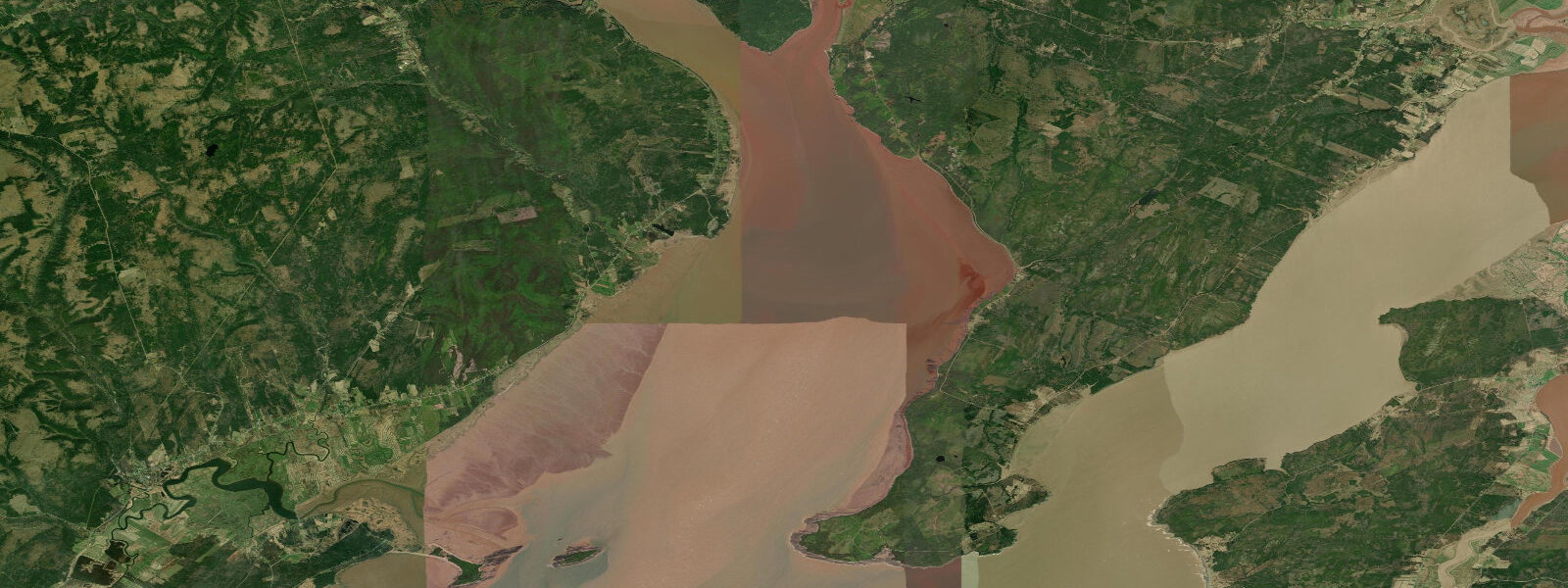
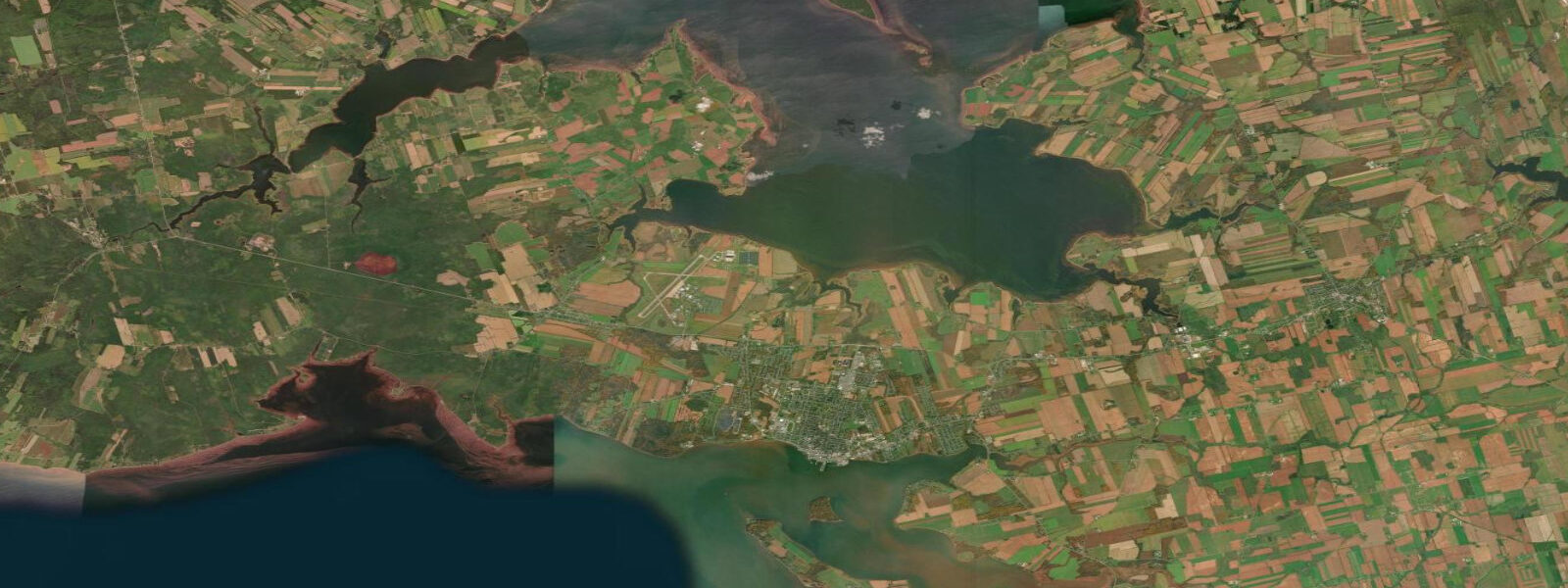
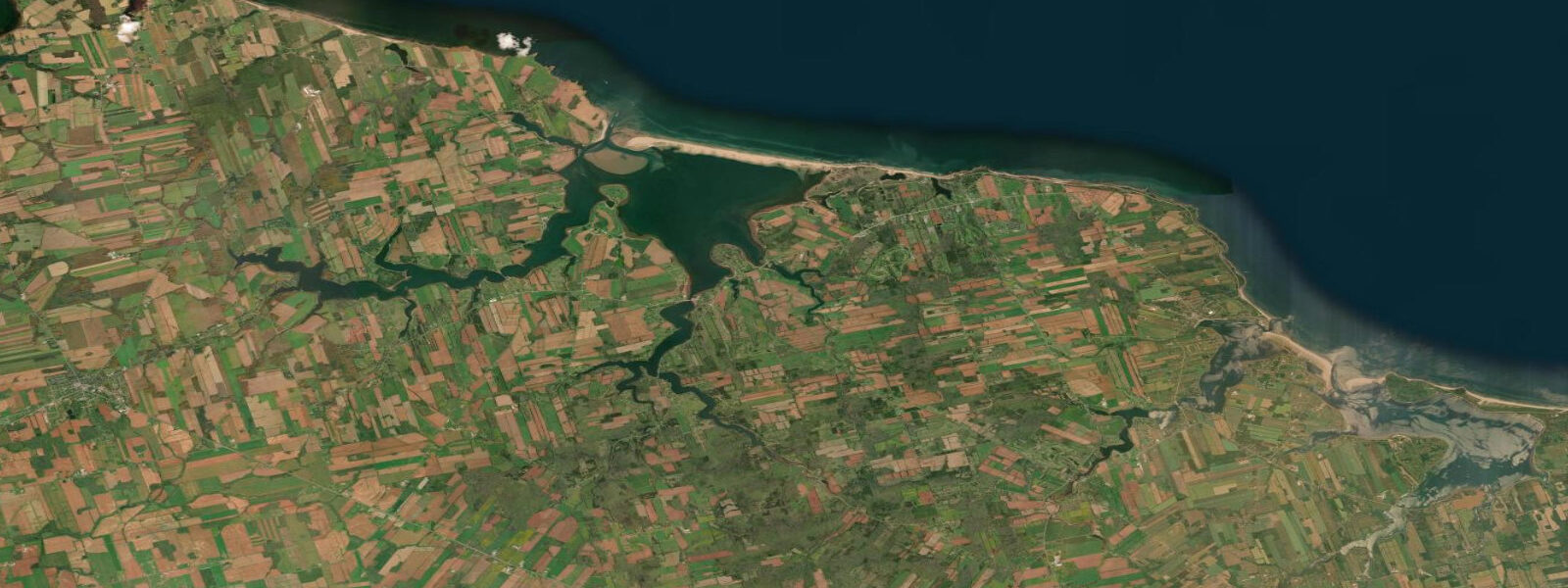
The three closest curated TideTurtle locations to Moncton, measured by great-circle distance.
Today's solunar windows
Solunar tradition: major periods are the ≈3h windows around moon transit and opposition; minor are ≈2h around moonrise and moonset. Pair with the local tide stage and wind for the best read.
About tides at Moncton
A short guide to the coastline at Moncton — geography, sea state, and what the tide is actually doing under your feet.
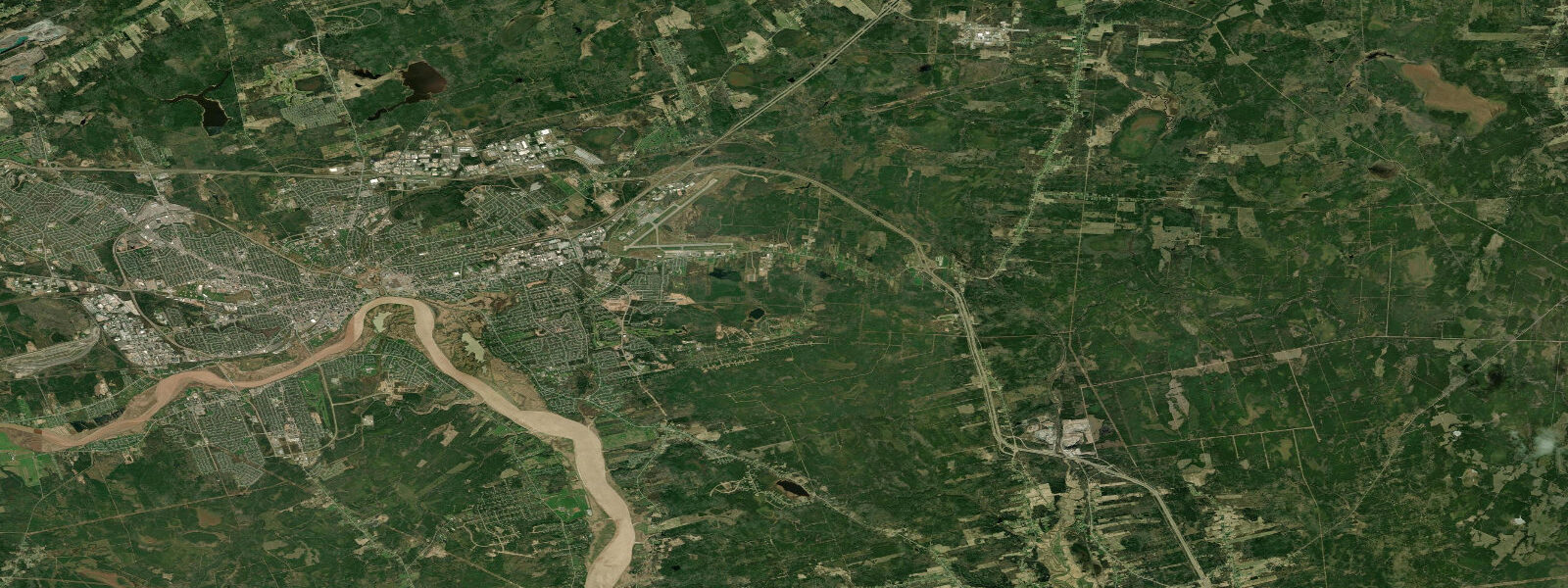
Moncton sits on the Petitcodiac River in Westmorland County, New Brunswick, where the Bay of Fundy's tidal energy reaches 170 kilometres inland from the open Atlantic. The Petitcodiac bore — a wave 20 to 80 centimetres high on spring tides, 10 to 20 centimetres on neaps — advances upstream through the city twice daily at approximately 12 to 15 kilometres per hour. It is visible from Bore Park on the city's south bank and from the Trans-Canada bridge, and its arrival time is posted daily.
The bore is the leading edge of the tidal flood. After the bore passes, the river — which runs across a near-dry cobble bed at low water — rises steadily for the next 5 to 6 hours, reaching depths of 5 to 7 metres before the ebb begins. The full transformation from dry riverbed to navigable river takes approximately 6 hours and reverses in the same time. This is what 7 to 8 metres of tidal range does to a river 170 kilometres from the sea: it turns an urban waterway into two completely different environments within a single day.
The bore is most impressive within 2 to 3 days of new or full moon, when spring tides are at their largest. The wave height varies considerably: a spring bore with a southwest wind behind it can exceed 80 centimetres and produce a distinct breaking front; a neap bore with a headwind may be barely visible. Bore arrival times are published by the CHS tide tables and are also posted at Bore Park. The wave is not dangerous to bystanders on the bank but is genuinely powerful — experienced kayakers paddle alongside the bore front on large springs, which requires whitewater skills and knowledge of the river's submerged obstructions.
The Petitcodiac causeway, built in 1968, blocked tidal exchange for 42 years and reduced the bore to a trickle. The causeway gates were opened in 2010 and the full tidal exchange was restored — within a few years the bore had rebuilt to its historical intensity and Atlantic salmon began returning to the river. The bore now running through Moncton is the restored version, and the restoration is one of the more successful tidal-ecology projects in the Bay of Fundy region.
Moncton is the largest city in New Brunswick and a bilingual (English-French) community. The Acadian cultural presence is strong: Acadian flag, Acadian cuisine (including poutine râpée, a dense pork-filled potato dumpling), and French-language institutions that serve the region's Francophone majority.
Predictions on this page come from Open-Meteo Marine, a gridded global ocean model. Accuracy is typically within plus or minus 45 minutes on timing and 0.2 to 0.3 metres on height — model-derived, not from a local gauge. For authoritative Canadian tide data, consult the Canadian Hydrographic Service (tides.gc.ca).
Tide questions about Moncton
Quick answers to the most common questions about tide times, range, and water access at Moncton.
What time does the tidal bore arrive in Moncton?
The bore arrives twice daily, roughly 12 to 13 hours apart. The exact time shifts by approximately 50 minutes later each day, following the lunar tidal cycle. The Canadian Hydrographic Service (tides.gc.ca) publishes the bore arrival times for Moncton as part of the Petitcodiac River tide tables. Bore Park on the city's south bank also posts daily arrival times at the viewing area. Arrival times vary by ±15 to 30 minutes depending on river discharge and atmospheric pressure, so the posted time is an estimate — plan to be at the viewing area 20 minutes before the published arrival.
How big is the Petitcodiac tidal bore?
The bore wave height depends on the tidal range on that particular day. On large spring tides — within 2 to 3 days of new or full moon — the wave reaches 60 to 80 centimetres and has a defined breaking front. On average tides it is 30 to 40 centimetres. On neap tides (near first or third quarter moon) it may be 10 to 20 centimetres — visible but modest. Wind direction also matters: a southwest wind pushing upriver adds to the bore height; a northeast headwind reduces it. The CHS tide height prediction for the day gives a good proxy for bore size — larger predicted high equals larger bore.
Can you kayak the tidal bore?
Experienced kayakers do paddle alongside the bore front on large spring tides, but this is not a beginner activity. The bore wave on a large spring can exceed 80 centimetres, the current behind it accelerates quickly to 4 to 6 knots, and the newly flooded river contains submerged obstructions (rocks, debris, causeway infrastructure remains). Organized bore kayaking tours have operated out of Moncton at various times — check locally for current operators. Solo attempts without local river knowledge are strongly discouraged. The viewing experience from Bore Park is compelling and entirely safe for anyone who wants the spectacle without the water.
Why was the Petitcodiac bore blocked for decades?
The Petitcodiac River causeway, built in 1968 to provide a fixed road crossing and a freshwater reservoir, installed sluice gates that restricted tidal exchange to a narrow aperture. With most of the tidal flow blocked, the bore was reduced to a minor wave and the upper river became nearly freshwater, losing the brackish habitat that Atlantic salmon and shad depended on for migration. The causeway gates were reopened permanently in 2010 after years of environmental advocacy and regulatory review. Within three to five years of reopening, the bore had rebuilt to near-historical intensity, salmon migration resumed, and the cobble and sandbar morphology of the tidal reach began to recover.
Is the Petitcodiac bore best seen from a specific location in Moncton?
Bore Park on the south bank of the Petitcodiac, at the end of Main Street, is the standard viewing location and has a designated viewing platform, posted arrival times, and informational signage. The Trans-Canada Highway bridge (the Centennial Bridge) provides an elevated view upstream and downstream simultaneously — useful for watching the bore wave approach and tracking the water level rise after it passes. The Tidal Bore Road on the north bank also has informal pull-off viewing points. For photographers, the south bank at Bore Park gives the best angle on the bore front with the city skyline as background.
0-day tide table — Moncton
Heights relative to MSL. Predictions: Open-Meteo Marine (MeteoFrance SMOC, 0.08° grid) — heights relative to MSL (not chart datum / LAT). Model-derived.
| Day | Type | Time | Height |
|---|