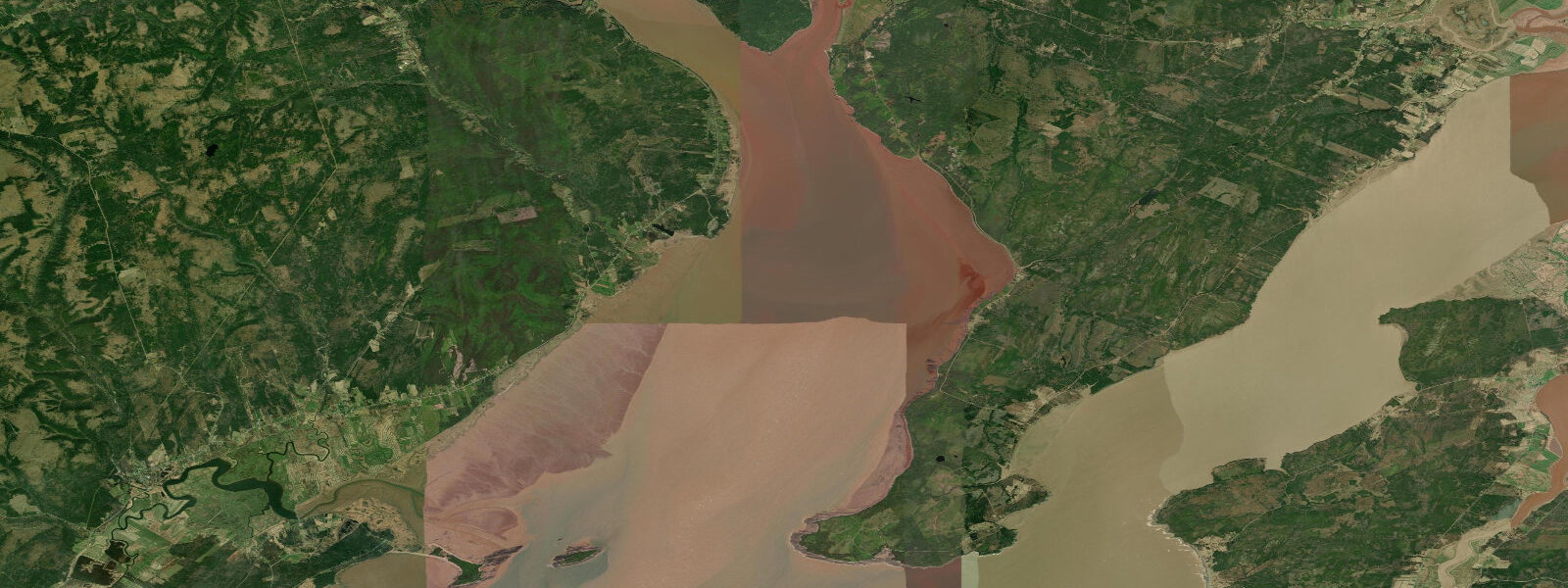
Hopewell Rocks tide times
Hopewell Rocks tide forecast — heights relative to MSL.
Today's tide times for Hopewell Rocks
Tide times at Hopewell Rocks on Monday, 3 August 2026: first high tide at 03:19am, first low tide at 09:36am, second high tide at 03:45pm, second low tide at 10:02pm. Sunrise 06:03am, sunset 08:44pm.
Tide chart for Hopewell Rocks
24-hour cosine-interpolated curve around the present moment. Heights relative to MSL. Predictions: Predictions: Open-Meteo Marine (MeteoFrance SMOC, 0.08° grid).
Sun, moon and conditions on Mon 03 Aug
Snapshot at build time — refreshes daily. Sea state from Open-Meteo Marine.
Highs and lows next 7 days
Every predicted high and low for the next week, with the daily tidal coefficient (0–120; higher = bigger swing, > 95 means stronger currents).
Other spots nearby
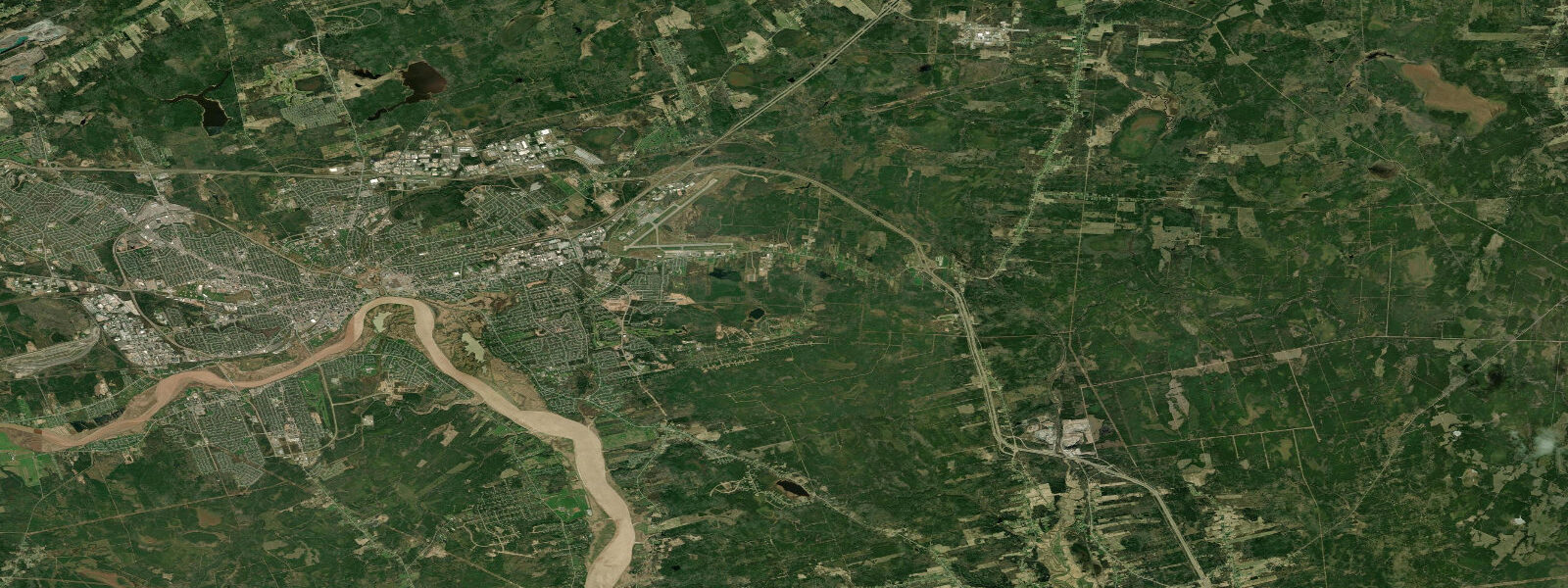
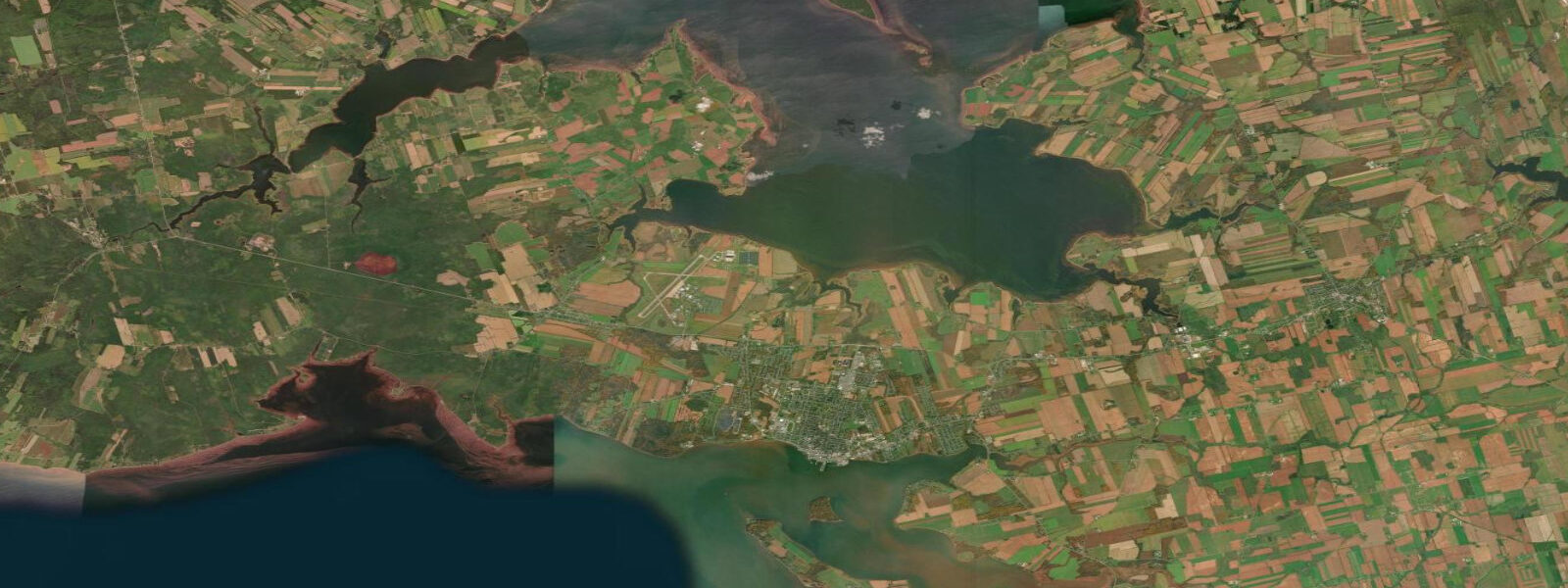
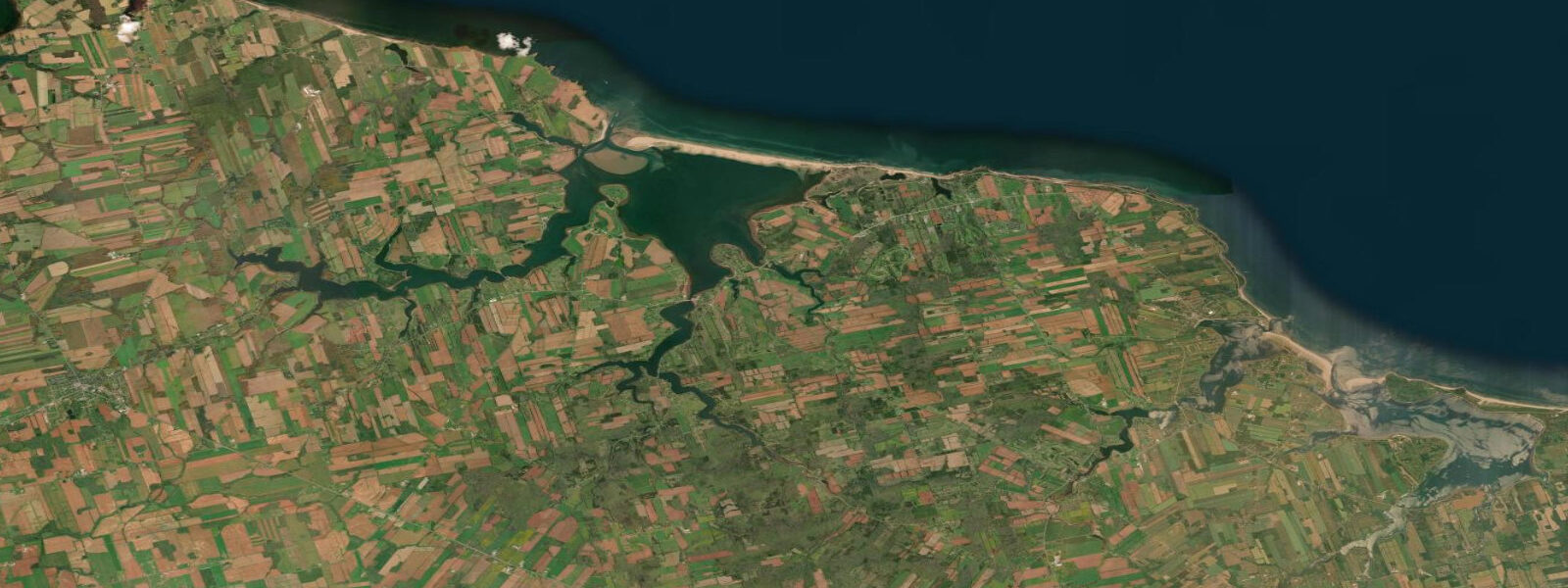
The three closest curated TideTurtle locations to Hopewell Rocks, measured by great-circle distance.
Today's solunar windows
Solunar tradition: major periods are the ≈3h windows around moon transit and opposition; minor are ≈2h around moonrise and moonset. Pair with the local tide stage and wind for the best read.
Cycle dates near Hopewell Rocks
Last spring tide on Sun 02 Aug (range 10.2m). Next neap on Thu 06 Aug.
Spring tides cluster around new and full moons (biggest swings). Neap tides land on quarter moons (smallest swings). See the spring tide and neap tide glossary entries for the why.
About tides at Hopewell Rocks
A short guide to the coastline at Hopewell Rocks — geography, sea state, and what the tide is actually doing under your feet.
Hopewell Rocks Provincial Park occupies a stretch of shoreline at Hopewell Cape on the upper Bay of Fundy, where the mean spring tidal range reaches approximately 12.5 metres — among the largest anywhere in the world. The park is built entirely around a single physical fact: at low water you walk on the ocean floor between sea stacks carved by tidal erosion into mushroom shapes (the flowerpot rocks, named for their overhanging silhouette), and at high water those same rocks are submerged to their tops and you paddle a kayak above them. The transition between the two states takes roughly 6 hours, and the park manages visitor access strictly around that window.
Entry times to the ocean floor are posted daily at the park gate and change with each tidal cycle — the accessible window is roughly 3 to 4 hours centred on low water, closing when water depth over the ocean floor approaches 0.3 metres. The path down to the ocean floor descends approximately 12 metres on wooden stairs. On a neap low tide the floor is exposed for less time and the visual scale is reduced; on a large spring low tide (within 2 to 3 days of new or full moon) the full extent of the eroded base is visible and the window is longest. Checking the day's specific low water time and height on the CHS tide tables is not optional — this is one of those places where being wrong about the tide produces a real consequence.
Kayak tours operate at high water from the provincial park and from the nearby outfitter access points, paddling among the fully submerged flowerpot rock tops at surface level. The same formations that are walked around at low water are kayaked across at high water — the vertical distance between the two experiences is 12 to 13 metres on a large spring tide. Guides require tide-awareness briefings and operate with defined exit windows before the ebb begins to pull water away from the site.
The Petitcodiac River tidal bore, 20 minutes north by car toward Moncton, advances from the Bay of Fundy twice daily as a visible wave 20 to 80 centimetres high on spring tides. The two phenomena are driven by the same tidal source — the same body of water that drains Hopewell Cape builds the bore that rolls upriver through Moncton.
For photographers, the golden hour at low water on a clear morning, with the flowerpot rocks casting long shadows across the ocean floor and the distant mudflat horizon, is the standard shot. The evening ebb is less crowded. A wide lens for scale context and a telephoto to isolate individual stacks both pay off here.
Predictions on this page come from Open-Meteo Marine, a gridded global ocean model. Accuracy is typically within plus or minus 45 minutes on timing and 0.2 to 0.3 metres on height — model-derived, not from a local gauge. For authoritative Canadian tide data, consult the Canadian Hydrographic Service (tides.gc.ca).
Tide questions about Hopewell Rocks
Quick answers to the most common questions about tide times, range, and water access at Hopewell Rocks.
How long can you walk on the ocean floor at Hopewell Rocks?
The accessible window on the ocean floor is typically 3 to 4 hours centred on low water, though the park sets precise entry and exit times daily based on the actual predicted low and the water's return rate. On neap tides (near quarter moon) the low is less extreme and the window may be shorter; on large spring tides (within 2 to 3 days of new or full moon) the low drops to near or below chart datum and the window is longest. The park closes ocean-floor access when the rising water approaches 0.3 metres depth — this is a firm operational cutoff, not a guideline. Check the day's posted times at the gate, and arrive with a buffer rather than cutting the window to the last minute.
What is the tidal range at Hopewell Rocks?
The mean spring tidal range at Hopewell Cape is approximately 12.5 metres — among the largest measured tidal ranges in the world. The mean range (averaged over all tide cycles) is somewhat lower, around 9 to 10 metres. The extreme recorded high-water mark is above 15 metres above chart datum. This range is produced by the Bay of Fundy's geometry: the bay's length (approximately 270 km) and depth profile create a near-resonance with the 12.4-hour semidiurnal tidal period, progressively amplifying the tidal range from about 2 metres at the bay mouth near Yarmouth to over 12 metres at the head.
Can you kayak among the flowerpot rocks?
Yes, at high water. Licensed kayak tour operators run guided paddles among the submerged formations when the tide is high enough — typically within 2 to 3 hours of high water on either side. The same rock tops that you walk around at low water sit just at or below the water surface at high tide, making the paddle visually unusual: you are above a landscape you walked through hours earlier. Solo kayaking at Hopewell Rocks is restricted; tours depart from Hopewell Rocks Provincial Park and from outfitters at nearby Riverside-Albert. Book ahead in July and August — tours fill quickly on high-water mornings.
Is the Petitcodiac tidal bore worth combining with a Hopewell Rocks visit?
The two sites are 20 minutes apart by car, and their tidal cycles are offset by roughly 1 to 2 hours — low water at Hopewell Cape occurs before the bore advances up the Petitcodiac. A practical sequence: arrive at Hopewell Rocks for the low-water floor walk, then drive to Moncton's Bore Park for the incoming bore, which will arrive a few hours later. On large spring tides near new or full moon, the bore wave reaches 60 to 80 centimetres in height and the effect is unambiguous. On neap tides the bore may be 20 centimetres or less — visible but less dramatic. The CHS tide tables give Petitcodiac bore times alongside standard tide height predictions.
What are the best photography conditions at Hopewell Rocks?
The canonical shot is on a clear morning at low water, when the flowerpot stacks cast long directional shadows across the orange-red mudflat of the ocean floor and the far horizon of the receded bay is visible in the background. This requires arriving at least 90 minutes before sunrise to descend to the floor and position before the light arrives. Evening low water works equally well but is more crowded in peak season. Overcast days reduce shadow drama but improve the saturation of the red Triassic sandstone and the green vegetation on the stack tops. A wide-angle lens captures the scale relationship between visitors and the 12-metre stacks; a telephoto isolates the erosion texture in the lower sections of the flowerpot stems.
7-day tide table — Hopewell Rocks
Heights relative to MSL. Predictions: Open-Meteo Marine (MeteoFrance SMOC, 0.08° grid) — heights relative to MSL (not chart datum / LAT). Model-derived.
| Day | Type | Time | Height |
|---|---|---|---|
| Mon 03 Aug | High | 03:19 | 4.5m |
| Low | 09:36 | -5.5m | |
| High | 15:45 | 4.7m | |
| Low | 22:02 | -5.3m | |
| Tue 04 Aug | High | 04:05 | 4.5m |
| Low | 10:21 | -5.3m | |
| High | 16:29 | 4.7m | |
| Low | 22:52 | -5.3m | |
| Wed 05 Aug | High | 04:56 | 4.1m |
| Low | 11:14 | -5.2m | |
| High | 17:21 | 4.5m | |
| Low | 23:48 | -5.1m | |
| Thu 06 Aug | High | 05:50 | 3.9m |
| Low | 12:11 | -4.8m | |
| High | 18:16 | 4.4m | |
| Fri 07 Aug | Low | 00:53 | -5.0m |
| High | 06:48 | 3.8m | |
| Low | 13:19 | -4.7m | |
| High | 19:16 | 4.4m | |
| Sat 08 Aug | Low | 02:04 | -5.0m |
| High | 07:50 | 3.9m | |
| Low | 14:34 | -4.8m | |
| High | 20:17 | 4.5m | |
| Sun 09 Aug | Low | 03:15 | -5.4m |
| High | 08:54 | 4.1m | |
| Low | 15:43 | -5.2m | |
| High | 20:00 | 3.8m |