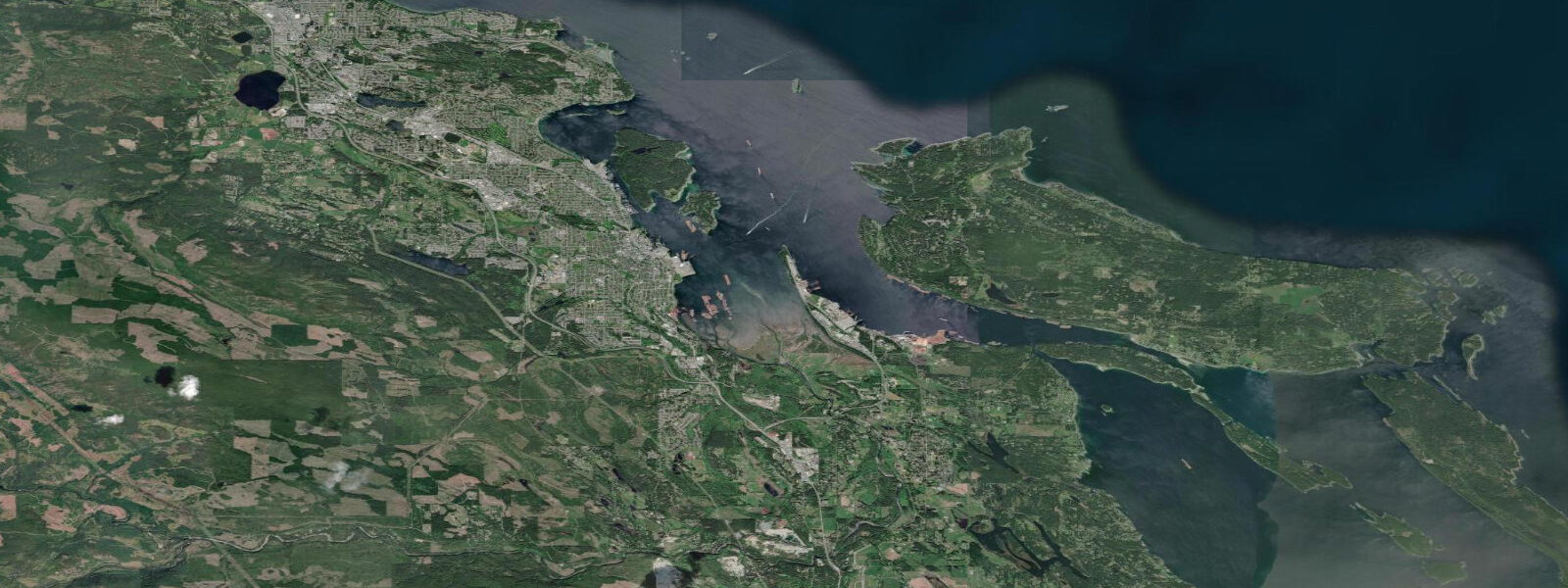
Nanaimo, British Columbia tide times
Nanaimo, British Columbia tide forecast — heights relative to MSL.
Today's tide times for Nanaimo, British Columbia
Tide times at Nanaimo, British Columbia on Sunday, 2 August 2026: first high tide at 05:00pm, first low tide at 09:38pm. Sunrise 05:49am, sunset 08:54pm.
Tide chart for Nanaimo, British Columbia
24-hour cosine-interpolated curve around the present moment. Heights relative to MSL. Predictions: Predictions: Open-Meteo Marine (MeteoFrance SMOC, 0.08° grid).
Sun, moon and conditions on Sun 02 Aug
Snapshot at build time — refreshes daily. Sea state from Open-Meteo Marine.
Highs and lows next 7 days
Every predicted high and low for the next week, with the daily tidal coefficient (0–120; higher = bigger swing, > 95 means stronger currents).
Other spots nearby
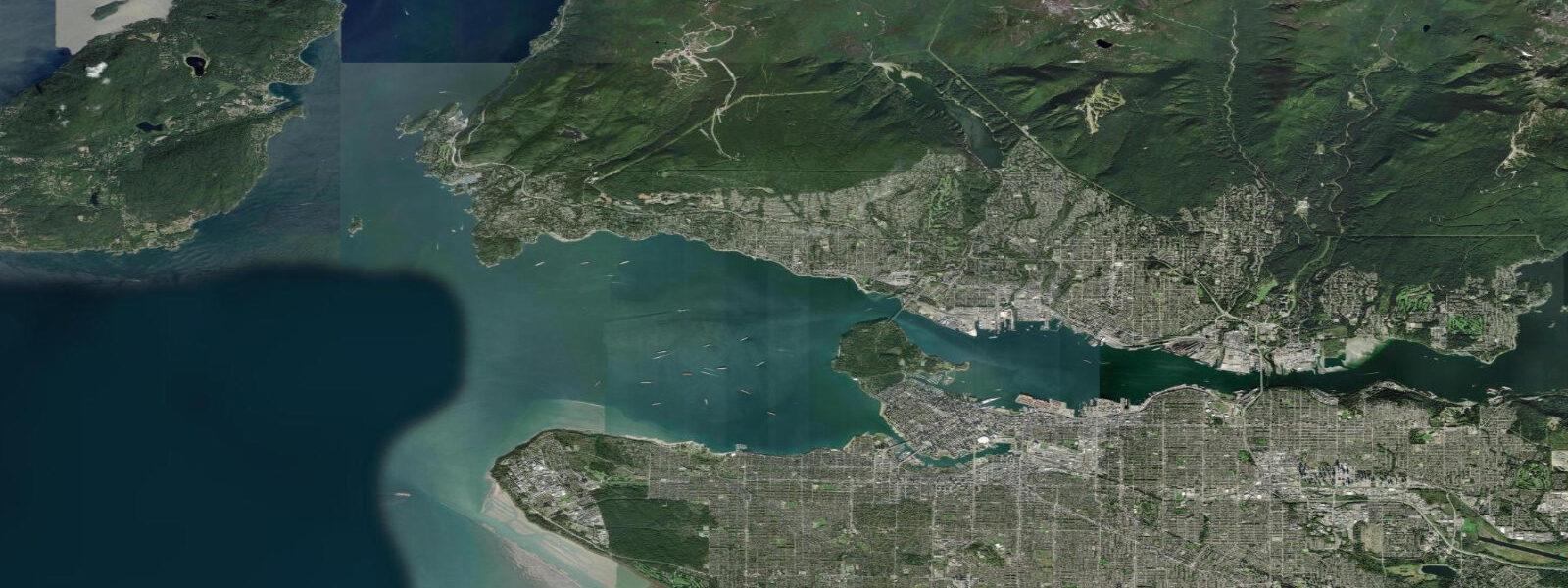
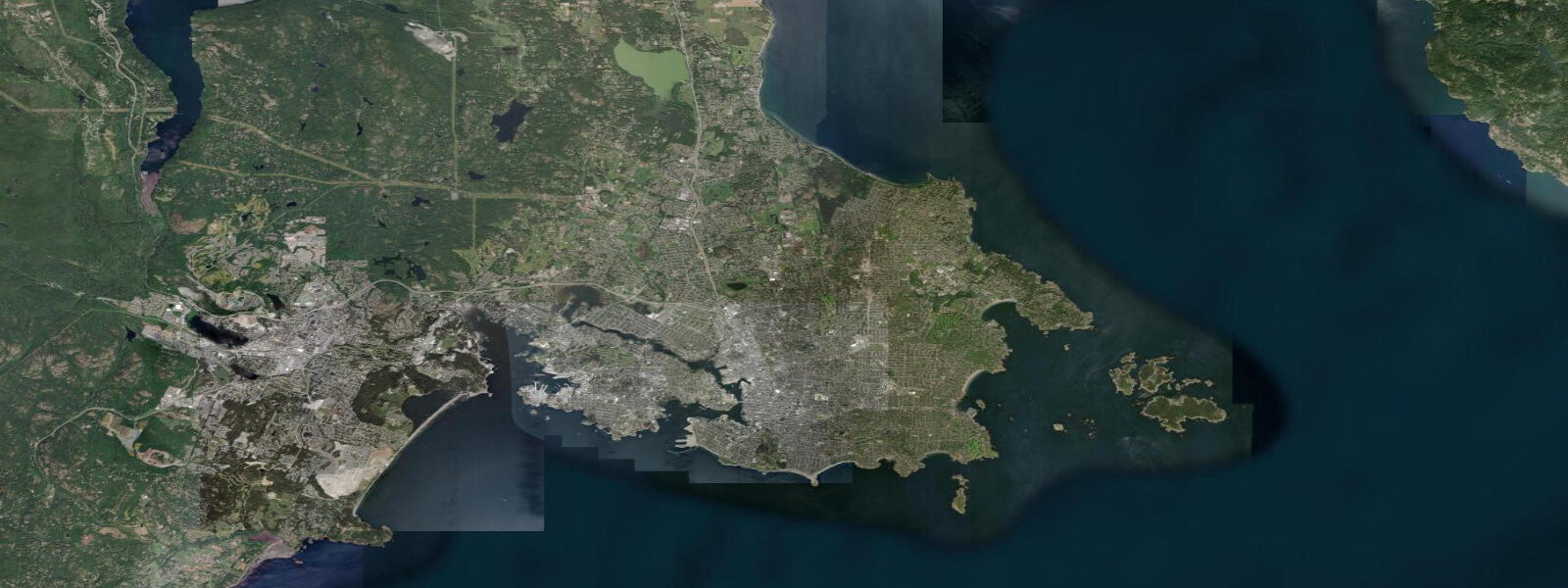
The three closest curated TideTurtle locations to Nanaimo, British Columbia, measured by great-circle distance.
Today's solunar windows
Solunar tradition: major periods are the ≈3h windows around moon transit and opposition; minor are ≈2h around moonrise and moonset. Pair with the local tide stage and wind for the best read.
Cycle dates near Nanaimo, British Columbia
Last spring tide on Sun 02 Aug (range 2.5m). Next spring tide on Sat 08 Aug (range 3.0m). Next neap on Tue 04 Aug.
Spring tides cluster around new and full moons (biggest swings). Neap tides land on quarter moons (smallest swings). See the spring tide and neap tide glossary entries for the why.
About tides at Nanaimo, British Columbia
A short guide to the coastline at Nanaimo, British Columbia — geography, sea state, and what the tide is actually doing under your feet.
Nanaimo sits on the eastern coast of Vancouver Island, looking across the Strait of Georgia toward the mainland. The strait is the primary tidal corridor between the inland sea of Puget Sound and the open Pacific approaches north of Vancouver Island, and the tidal range it produces is among the largest in the country. Mean spring range at Nanaimo runs 4.5–5.0 m, and the greater diurnal inequality of Pacific tides means the two highs and two lows per day are not equal — the higher high can sit 4.8 m above chart datum while the lower low drops to -0.3 m or below. That bottom end of the range is consequential for anything attached to a dock.
The Departure Bay ferry terminal operates BC Ferries' primary Nanaimo–Vancouver route, with vessels crossing to Horseshoe Bay on the North Shore in approximately 105 minutes. BC Ferries sailings are scheduled around safe navigation, not tidal stage, but the terminal's floating causeway and the vessel boarding ramps adjust mechanically to compensate for water level. At the lowest spring tides — those -0.3 m to -0.5 m below chart datum events that occur during the winter and spring series — the terminal ramps reach their maximum angle, and the transition from causeway to vessel deck is noticeably steep.
Protection Island sits 500 m inside Nanaimo Harbour, a residential island of around 350 people with no cars and no bridge. The Protection Connection foot ferry runs on demand from the downtown terminal — five minutes each way, on a signal flag system. The dock on the Protection Island side uses a floating ramp that rides freely on a guide rail. At low spring water, when the water surface drops to -0.4 or -0.5 m below chart datum, the ramp angle steepens to roughly 30 degrees. Residents carrying groceries, bikes, or building materials time their errands around the tidal curve — a low near noon on a spring Saturday is an inconvenience, a low near midnight in January is simply managed with care.
Newcastle Island Provincial Marine Park sits immediately adjacent to Protection Island, separated from the Nanaimo waterfront by a narrow channel. The island is car-free and accessible by a passenger ferry operating from Maffeo Sutton Park on the downtown waterfront from May through October. The ferry runs on a schedule tied to tidal height — at very low water the dock ramp is too steep for safe passenger boarding, and departures may shift by 20–30 minutes. On the island, the perimeter walking trail passes former sandstone quarry sites (Newcastle Island sandstone was used in the San Francisco Mint and the old Ottawa Post Office), and intertidal pools on the eastern shore expose at low water to reveal purple sea urchins, ochre sea stars recovering from wasting disease, and aggregations of purple shore crabs.
The Nanaimo River estuary lies south of the city, where the river crosses a broad delta before entering the southern end of Nanaimo Harbour. Tidal influence in the river is felt 5 km upstream under normal flow; during low river years it extends further. The estuary supports Chinook and coho salmon returns — the fish hold in the tidal reach on incoming water, then push upstream on the flood. Anglers work the river mouth and the first tidal pools on the outgoing tide, when fish are concentrated in the deeper holes. Herons post themselves at the outflow edges; in September and October, bald eagles concentrate along the lower river in numbers that make the treeline look like a conference.
From the Nanaimo waterfront, Mount Benson (1,023 m) dominates the western skyline. The strait facing east is the paddling corridor for sea kayakers running the Gulf Islands route; the sheltered waters between Vancouver Island and the Gulf Islands are protected from Pacific swell but carry the full tidal exchange, and a poorly timed crossing of one of the passages between islands can put a paddler in 2–3 knot contrary current.
The city's commercial waterfront — the downtown boat basin and the fuel dock — operates on floating structure throughout and is accessible at all stages of the tide. Small recreational vessels should check the current predicted low on any day they plan to return to the basin, particularly in winter when the lower lows in the Pacific tidal sequence drop below zero chart datum and some shallower slips require careful piloting.
For beach photographers, the lowest tides of the year expose rocky shelves on the Newcastle Island east shore that are otherwise submerged — the best intertidal photography happens within 45 minutes either side of the lowest predicted low.
Tide data for Nanaimo, British Columbia comes from the Open-Meteo Marine API, a gridded model product. Timing accuracy is ±45 minutes, height accuracy ±0.3 m — usable for trip planning, not for navigation.
Tide questions about Nanaimo, British Columbia
Quick answers to the most common questions about tide times, range, and water access at Nanaimo, British Columbia.
What is the tidal range at Nanaimo and what kind of pattern does it follow?
Nanaimo experiences a mixed semidiurnal tide — two highs and two lows per day, but with substantial inequality between them. Mean spring range is 4.5–5.0 m, making it one of the larger tidal ranges on Canada's west coast. The highest high tides on a spring series can reach 4.8–5.0 m above chart datum, while the lowest low tides drop to -0.3 to -0.5 m below chart datum during the winter and spring series. The diurnal inequality means that on some days one of the two daily lows is much smaller than the other, producing an asymmetric pattern where one tidal cycle dominates the day's water movement.
How does the tide affect the Protection Island foot ferry?
The Protection Island ferry (the Protection Connection) runs on demand from Nanaimo's downtown terminal to Protection Island, a five-minute crossing. The dock on the island side uses a floating ramp on a guide rail that adjusts to water level. At low spring tides — when the water drops to -0.4 or -0.5 m below chart datum — the ramp angle increases to around 30 degrees, which is steep but manageable for fit adults. Residents carrying heavy loads, bikes, or building materials time their arrivals and departures to avoid the lowest part of the tidal curve. The ferry itself operates at all tidal stages; it is the dock geometry, not the crossing, that creates the constraint.
When does Newcastle Island Marine Park open and does the tide affect access?
Newcastle Island Provincial Marine Park is accessible by passenger ferry from Maffeo Sutton Park in downtown Nanaimo, typically operating from mid-May through the Thanksgiving weekend in October. At very low tidal stages — below -0.2 m chart datum — the dock ramp at Newcastle Island reaches a steep angle that can delay departures by 20–30 minutes for passenger safety. The island's eastern intertidal zone is best explored within an hour of the lowest predicted low, when rocky shelves with sea urchins and sea stars are fully exposed. The perimeter trail (7.5 km) is accessible at all tidal stages; only the lowest intertidal areas are tide-dependent.
What is the salmon fishing like in the Nanaimo River estuary?
The Nanaimo River hosts Chinook and coho salmon runs that peak in September and October. The tidal influence in the lower river concentrates fish in the estuary on the incoming flood tide — salmon hold in the tidal pool and push upstream as the water rises. The most productive angling is typically in the two hours before and after high water, when fish are moving and accessible in the lower reaches. As the tide drops, fish concentrate in the deeper holes at the river mouth, which can produce good action for drift fishers. Hatchery-marked fish are available for retention on some sections of the river; check DFO regulations for the current season's rules before fishing.
Is the Strait of Georgia safe for kayaking from Nanaimo?
The Strait of Georgia is a viable kayaking corridor with careful tidal planning. The strait itself is sheltered from Pacific Ocean swell by Vancouver Island, keeping conditions manageable for experienced sea kayakers most of the year. The tidal current in the main channel runs 1–2 knots on spring tides — strong enough to matter for crossing the strait to the Gulf Islands but not dangerous if planned correctly. The key risk is the passages between Gulf Islands, where tidal current can reach 3–4 knots in constricted channels like Dodd Narrows (16 km south of Nanaimo), which is safely transitable only at or near slack water. Plan all crossings using Canadian Hydrographic Service current tables, not tide-height tables.
8-day tide table — Nanaimo, British Columbia
Heights relative to MSL. Predictions: Open-Meteo Marine (MeteoFrance SMOC, 0.08° grid) — heights relative to MSL (not chart datum / LAT). Model-derived.
| Day | Type | Time | Height |
|---|---|---|---|
| Sun 02 Aug | High | 17:00 | 1.0m |
| Low | 21:38 | -0.9m | |
| Mon 03 Aug | High | 03:27 | 1.0m |
| Low | 09:34 | -1.2m | |
| High | 16:05 | 1.3m | |
| Low | 22:23 | -0.9m | |
| Tue 04 Aug | High | 04:19 | 0.8m |
| Low | 10:10 | -0.9m | |
| High | 16:43 | 1.4m | |
| Low | 23:19 | -1.0m | |
| Wed 05 Aug | High | 05:18 | 0.6m |
| Low | 10:50 | -0.6m | |
| High | 17:27 | 1.4m | |
| Thu 06 Aug | Low | 00:21 | -1.0m |
| High | 06:37 | 0.5m | |
| Low | 11:40 | -0.3m | |
| High | 18:18 | 1.5m | |
| Fri 07 Aug | Low | 01:38 | -1.1m |
| High | 08:10 | 0.5m | |
| Low | 12:47 | -0.1m | |
| High | 19:26 | 1.4m | |
| Sat 08 Aug | Low | 02:54 | -1.3m |
| High | 09:34 | 0.5m | |
| Low | 14:11 | -0.1m | |
| High | 20:34 | 1.5m | |
| Sun 09 Aug | Low | 04:02 | -1.5m |
| High | 10:46 | 0.7m | |
| Low | 16:00 | -0.1m |